 Tasting 152 – February 24, 2014, 1:00 pm Capri Restaurant, McLean VA Touriga Nacional from Portugal
Contents of this post:
- 1. Participants, Presenter and Birthdays
- 2. Summarized Wines Information
- 3. Menu
- 4. Wines Information with some detail
- 4.a. Report of the Club Members Assessment of the Tasted Wines (link)
- 5. Grapes of the wines of Portugal
- 6. Regions of the wines
- 7. Next tasting
- 8. True Truth?

1. Participants and Presenters with Birthdays
Wines presented by Cecílio-Augusto Berndsen
Participants: Orlando Mason, Raul Sanginetti, Alfonso Sanchez, Marcello Averbug, Cecilio-Augusto Berndsen, Italo Mirkov, Jairo Sanchez, Jaime Estupinan. O. Castaneda, Emilio Labrada, Clarita Estrada. German Zimcke, Ricardo Zavaleta, Alfonso Caycedo.
Birthday of February: Carlos Paldao (11)
2. Abstract Wine Information
More details on the wines at Section 4.
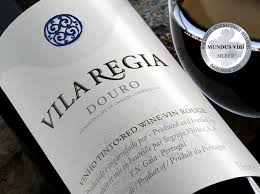
1. 2012 Vila Regia Douro Tinto. Tinta Roriz (40%), Tinta Barroca (40%), Touriga Francesa (10%), Touriga Nacional (10%). Sogrape. Douro, Portugal. Alcohol per Volume: 12.5%, $ 9
2. 2009 Duque de Viseu Dão Tinto. Tinta Roriz, Touriga Nacional, Jaen, Alfrocheiro Preto. Sogrape. Quinta dos Carvalhais, Dão, Portugal. APV: 13.5%, $ 12
3. 2011 Fronteira Douro. Touriga Nacional 60% and Touriga Franca 40%. Compahia das Quintas. Douro. APV: 14.5%, $ 14.
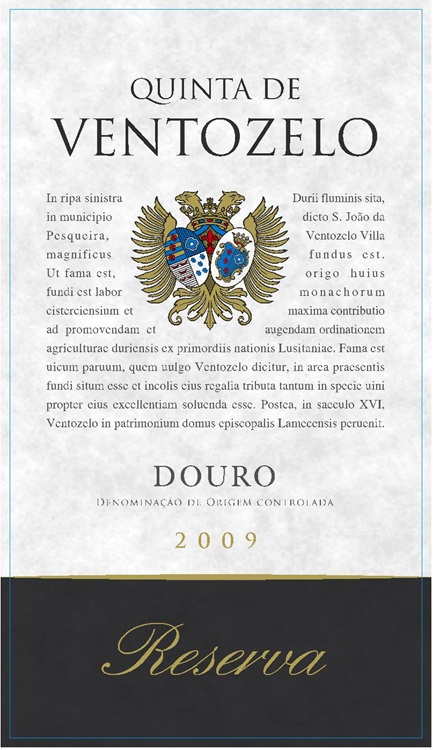
4. 2009 Quinta de Ventozelo Reserva Douro. Touriga Nacional 60%, Tinta Roriz 20% and Touriga Franca 20%. APV: 14.5%, $ 20
5. 2010 Quinta dos Carvalhais Dão Touriga Nacional. Tinta Roriz and Touriga Nacional. Sogrape. Dão. APV: 13%, $ 38
3. Menu
1. Pasta e Fagioli, Soup of Short pasta & Cannellini Beans (130 kcal)
2. Caesar Salad (78 kcal)
3. Rigatoni Carbonara, prepared with a sauce of egg yolk, Italian bacon and a touch of cream sauce (384 kcal)
4. Pollo alla Milanese, chicken breast encrusted in bread crumbs, served with mix greens salad (734 kcal)
5. Desert and Coffee (v.g. Tiramisu 492kcal)
4. Wine Detail – all from Portugal, all from T.Wine
4.1 2012 Vila Regia Douro Tinto. Tinta Roriz (40%), Tinta Barroca (40%), Touriga Francesa (10%), Touriga Nacional (10%). Sogrape. Douro, Portugal. Alcohol per Volume: 12.5% $ 9
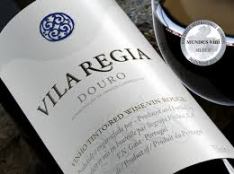 Producer description: Vila Regia Tinto 2012 apresenta uma cor vermelha rubi de boa intensidade. O seu aroma é intenso, sobressaindo os aromas a frutos vermelhos maduros, bem como aromas balsâmicos, bem equilibrados com delicadas notas florais a esteva. Na boca tem um ataque suave e equilibrado, com a acidez bem integrada, boa presença dos frutos vermelhos madura e com um final longo e harmonioso. http://www.sograpevinhos.com/
http://www.stevensgarnier.co.uk/ tells us: “A medium-bodied, fruity red from the Douro – home of Port wine. This is made from the same grapes as Port, but without fortification. The wine is soft in texture with a mature, peppery flavour. Highly recommended – it will change your mind about Portuguese wine.
wineaccess.com: “Full bodied wine that is well worth the price.” Jerome 1235. “You will enjoy this by the fire or by the pool with or without food.” Hood13310876
4.2 2009 Duque de Viseu Dão Tinto. Tinta Roriz, Touriga Nacional, Jaen, Alfrocheiro Preto. Sogrape. Quinta dos Carvalhais, Dão, Portugal. APV: 13.5%, $ 12
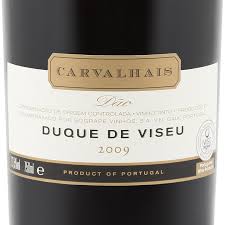 Winery description: Este vinho apresenta cor vermelha rubi. No aroma sobressaem os frutos pretos maduros (framboesa e amora), nuances especias e notas mentoladas e resinosas que conferem muita frescura. Tem taninos firmes mas discretos, o que torna o vinho muito elegante e suave. Na boca sobressaem aromas minerais e frutados num conjunto com uma acidez muito fresca e com um final persistente. http://www.sograpevinhos.com/
Reviews: This DAO “Tinto” was a pleasant diversion from our usual assortment of red dinner wines. The Merchant Review has it about right highlighting the prominent oak and peppery aspects with soft round tannins. Think of a mild Zinfandel. An excellent choice with highly seasoned hand rubbed rare steaks. A good wine at a good price. Thumper in http://www.wineaccess.com 4/5
4.3. 2011 Fronteira Douro. Touriga Nacional 60% and Touriga Franca 40%. Compahia das Quintas. Douro. APV: 14.5%, $ 14.
Producer Description: Is is a wine of great elegance and aromatic complexity. With its short aging in French oak barrels it presents great balance, which makes it an ideal wine for pairing with a wide range of dishes.
Review: With plenty of weight, but weight that is concentrated around a tight, firm tannic core. The wine has great ripe plum and black cherry fruits, brimming from the glass. The acidity is a strong presence, and with the tannin promises several years’ aging. By Roger Voss , http://buyingguide.winemag.com/ Wine Enthusiast: 89 points.
4.4. 2009 Quinta de Ventozelo Reserva Douro. Touriga Nacional 60%, Tinta Roriz 20% and Touriga Franca 20%. Quinta Ventozelo. Douro. APV: 14.5%, $20
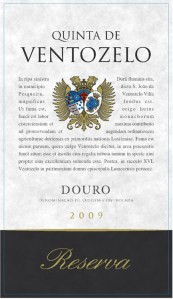 Producer recomendation: Serve with strong dishes and game.
Wine Spectator: 91/100
Paul Forget wrote on http://www.winealign.com/ “This wine opened up with a very aromatic bouquet of blackberry, cherry, stewed plum-rhubarb, dried herbs, vanilla and exotic spices. On the mouthfeel, full bodied, ripe crushed berry fruit with lots of spices, fresh acidity and fine grained tannins. Very good length and smooth, velvety texture on the finish with subtle fruit flavours, light minerals and spices. Here is a very youthful, well made and flavourful wine, ready to enjoy. Strongly recommended.” 4.5/5 four reviews. Also at http://paulnjoywine.blogspot.com/
http://www.theglobeandmail.com/ informs: “Three chief grapes used in port – touriga nacional, tinta roriz, touriga franca – shine in this red blend from an established port house. Very earthy, with a trace of mushroom, it’s packed with ripe, almost raisin-like fruit. Lovely now, it could improve with four years’ rest.”
Ranking: vivino.com places Quinta de Ventozelo like:
Rank within Winery: 31 of 128
Rank within Wine Region: 4951 of 15,216
Global Rank: 300569 of 1,179,844 This wine is always in the first third or better.
4.5. 2010 Quinta dos Carvalhais Dão Touriga Nacional. Tinta Roriz and Touriga Nacional. Sogrape. Dão. APV: 13%, $ 38

Description by the Winery: Quinta dos Carvalhais Touriga Nacional 2010 tem uma cor vermelha densa e um amplo aroma que engloba notas de frutos vermelhos e florais, nomeadamente a violeta, tão característica da casta, refrescadas por toques balsâmicos e madeira muito bem integrada a surgir no final. Na boca surpreende pela frescura logo no ataque, revelando uma bela acidez, com taninos muito redondos mas vivos, num conjunto equilibrado e elegante. http://www.sograpevinhos.com/
http://www.wineanorak.com/ informs: “Lovely aromatic spicy nose with some wild black fruit and herb character. Hints of tar and violets—very typical for this grape. The palate is concentrated and spicy with a good depth of chewy, spicy fruit and nice structure. A big wine with lots going on but still well behaved. Good acidity and some elegance. Very good/excellent 92/10.”
4.a. Club del Vino opinion on the tasted wines (prepared by the the Club Secretary)
For a detailed report of the grades given to the wines by the Club Members, please click here. The report that was prepared by the Club Secretary Ricardo Zavaleta will open in a new tab.
5. Grapes of Portuguese Wines
Information on the grapes on this tasting:
Touriga Nacional: Considered to be the finest of the grapes that are used to create the substantial and long-lived fortified wines known as Port. Touriga Nacional has a thick skin and small clusters of berries which help to contribute to the colorful and tannic wine it creates. In addition to the flowers, tannins and extract the Touriga Nacional brings to the Port table, the grape is an integral part of the blends of still red wine found in both the Duoro and Dão valleys, producing wines that are heavy in both red fruits and structure. Yields are low, but recent clonal selection has improved production. https://www.winegeeks.com/grapes/45
Tinta Roriz: The Portuguese name for Tempranillo, which is used to make both still wines and port. This name is most commonly used in the Duoro valley of northwestern Portugal where Tempranillo is made into both dry red wine and also used in the recipes of many port houses. https://www.winegeeks.com/grapes/48
Jaen: A rustic and common grape found extensively in the central and western regions of Spain. Also found in the Dão region of Portugal, wines from the Jaen are often pale in color, have very low levels of acidity, and can be quite bland. Best suited as a blending varietal for lightening tannic reds. Thought to be a clone of the Spanish Mencía. https://www.winegeeks.com/grapes/112
Alfrocheiro Preto: An important varietal in the production of reds from the Dão region of Portugal, Alfrocheiro Preto is an intriguing grape of misty origins. At one time thought to be a relative of Pinot Noir, today the birthplace of Alfrocheiro Preto is assumed to be Portugal, but the jury is still out. Also known as Tinta Bastardinha and Tinta Francesa, wines from this grape are noted for their velvety texture, intense spiciness and approachability when young. They also display inky depths of color and flavors of mint, flowers, black currants and fresh strawberries. https://www.winegeeks.com/grapes/83
Tinta Barroca: The most productive and easiest to grow of the different varietals that make up the recipe for the great fortified wines of Oporto in the Douro valley in Portugal. Tinta Barroca has a very thin and dark skin which allows it to impart color and alcohol to the port blend without adding too much in the way of tannins. This varietal is also used to make some non-fortified versions that can be elegant and aromatic, if always fruity. Also grown in South Africa for both fortified and dry versions. When grown in cooler climates or higher elevations Tinta Barroca can be quite aromatic and full of black cherries, black plums and purple flowers. https://www.winegeeks.com/grapes/47
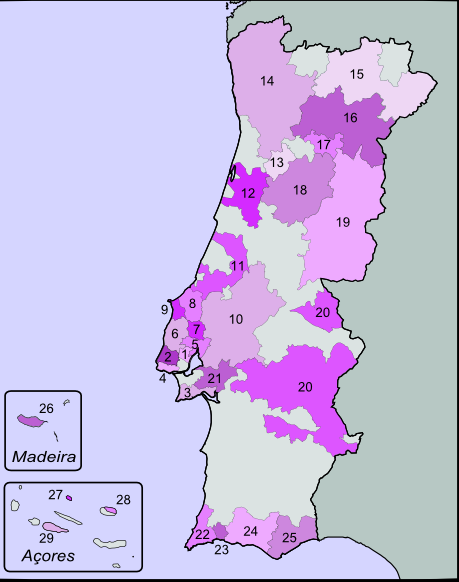
6. Regions of Production: Dão and Douro
Dão
Dão is a Portuguese wine region situated in the Região Demarcada do Dão with the Dão-Lafões sub region of the Centro, Portugal. It is one of the oldest established wine regions in Portugal. Dão wine is produced in a mountainous region with a temperate climate, in the area of the Rio Mondegoand Dão rivers in the north central region of Portugal.[1] The region became a Denominação de Origem Controlada (DOC) appellation in 1990. The Dão region is the origin of the Touriga Nacional vine that is the principal component of Port wine.[2]
Climate and geography: The wine region is located primarily on a plateau that is sheltered on three sides by the granite mountain ranges of Serra da Estrela, Serra do Caramulo and Serra da Nave. This helps the area maintain its temperate climate away from the effects of the nearby Atlantic Ocean. The region experiences abundant rainfall in the winter months and long, warm dry summers leading up to harvest. The region’s vineyards are planted on sandywell-drained soil on top of granite rock. http://en.wikipedia.org/wiki/Dão_DOC
Douro:
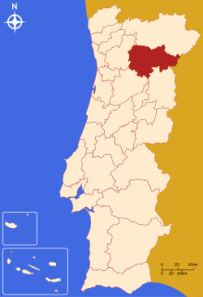
Douro is a Portuguese wine region centered on the Douro River in the Trás-os-Montes e Alto Douro region. It is sometimes referred to as the Alto Douro (upper Douro), as it is located some distance
Douro
upstream from Porto, sheltered by mountain ranges from coastal influence. The region hasPortugal‘s highest wine classification as a Denominação de Origem Controlada (DOC). While the region is associated primarily with Port wineproduction, the Douro produces just as much table wine (non-fortified wines) as it does fortified wine. The non-fortified wines are typically referred to as “Douro wines”.
The style of wines produced in the Douro range from light, Bordeaux style claret to rich Burgundian style wines aged in new oak.[1]
Geography and Climate: Douro wine region is situated around the Douro river valley and lower vallies of its tributaries Varosa, Corgo, Távora, Torto, and Pinhão. The region is sheltered from Atlantic winds by the Marão and Montemuro mountains and has a mediterranean climate, with hot and dry summers and cold winters.
It is usually subdivided into three subregions, from the west to the east:[6]
- Baixo Corgo (“below Corgo”), a subregion with the mildest climate and most precipitation. It has 14,000 hectares (35,000 acres) of vineyards. Although it is the subregion which was planted first, in general, it is considered to give wines of lesser quality than the other two subregions.
- Cima Corgo (“above Corgo”) is the largest subregion with 19,000 hectares (47,000 acres) of vineyards, centered around the village of Pinhão, and where the majority of the famous Quintas are located.
- Douro Superior (“upper Douro”[7]) is the hottest and driest of the subregions, and stretches all the way to the Spanish border. It has 8,700 hectares (21,000 acres) of vineyards and is the source of many wines of very good quality. As it is the least accessible of the three subregions, it is the most recently planted, and it is still expanding.
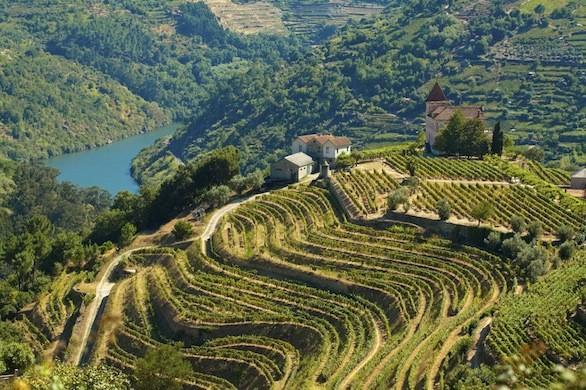
 Terraced vineyards are very common in the Douro region. Vineyards dedicated to Port production are usually planted on schist while areas with granite-based soils are used for table wine production.
Grapes (See also: List of Port wine grapes) The principal grape varieties of the Douro region include the black grapes Bastardo, Mourisco tinto, Tinta Amarela, Tinta Barroca, Tinta Cao, Tinta Roriz (the same as Spain’s Tempranillo), Touriga Francesa and Touriga Nacional, and the white grapes Donzelinho branco, Gouveio, Malvasia Fina, Rabigato, and Viosinho.[1]
A large number of grape varieties are grown in the Douro region, most of them local Portuguese grapes. For a long time, the grape varieties grown in the Douro were not very well studied. Vineyards of mixed plantation were the norm, and most of the time, the vineyard owners didn’t know which grape varieties they were growing. A pioneering effort were made in the 1970s which identified Touriga Nacional, Tinta Roriz, Touriga Franca, Tinta Cão and Tinta Barroca as the prime dark-skinned grape varieties. Tinta Amarela and the teinturier Sousão has later come to be included among the varieties that attract the most interest.[3] This work was important for creating the new wave of top Douro wines and has also led to a greater focus on the grape varieties that go into Port wine. Most top quintas now replant with single-variety vineyards and focus on a limited number of varieties, but older, mixed vineyards will remain in production for many decades to come.
7. Next meeting – March 31st.
March 31st. USA Costa Este, Meritages or other. Blind tasting  Presented by Alfonso Sanchez & Jairo Sanchez
8. True Truth