
 Tasting No 288 – April 28, 2026
Turkish Wine: Ancient Roots, Indigenous Gems and Global Parallels
-
Tasting Overview
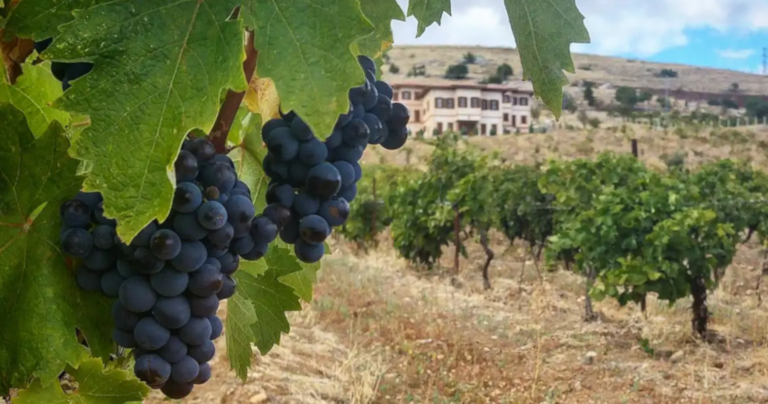
Anatolia (the Asian part of modern Turkey) is the true cradle of wine, home to the earliest domestication of the wine grape (Vitis vinifera). While regions like Georgia are famous for ancient winery evidence, southeastern Anatolia and the Taurus Mountains show winemaking traces going back 7,000–9,000 years (Neolithic period). Since the 1990’s, a boutique revolution has shifted Turkey’s focus from industrial quantity to high-quality, terroir-driven indigenous grapes. This tasting bridges that ancient heritage with modern refinement, exploring a “familiar but exotic” profile rooted in the world’s oldest traditions.
Type of tasting: Open
Presenters: Sergio Ardila, Cesar Falconi and Jaime Estupiñan
Participants: TBA
These are the wines:
- Doluca, ‘DLC’ Narince, 2022
- Chamlija, Kalecik Karasi, 2023
- Kavaklidere, ‘Prestige’ Bogazkere, 2019
- Kavaklidere, ‘Selection’ Öküzgözü-Boğazkere, 2021.
The Menu and Paring:
- Mediterranean Citrus Calamari Salad (pairing with Prestige Narince. The oak-influenced body matches the char of the squid while the citrus notes echo the dressing.
- Mushroom Risotto (pairing with Kalecik Karası. Earthy undertones and bright acidity harmonize with the rich cream and mushrooms.
- Braised Beef Short Ribs in Red Wine Reduction (pairing with Bogazkere and the blend Öküzgözü-Boğazkere. The vibrant fruit and acidity of the “Bull’s Eye” Boğazkere cut through the rich fat of the ribs.
- Dessert, coffee and tea.
-
Historical Context: The Cradle of Viticulture
Turkish wine history precedes the famous European traditions. Consider the role of Anatolia relative to other ancient powers:

The Hittite Legacy (2000 BCE)
“Hittite Legacy” is a cornerstone of Anatolian viticulture, as the Hittites (who ruled Central Anatolia roughly between 1600–1180 B.C.E.) were among the first to move wine from a simple agricultural product to a strictly regulated commodity. The Hittites had advanced laws protecting vineyards. Turkey was effectively regulating wine quality thousands of years before the French AOC System was conceived
The Hittite Legacy: Vineyard Protection Laws
In the Hittite law code (found on cuneiform clay tablets), the second major tablet was titled “If a Vine” (after its opening words). This highlights how central viticulture was to their society.
- Property Protection: The laws were incredibly specific about theft and damage. If someone stole vines from a vineyard, they were required to pay a steep fine in silver. If a person set fire to a vineyard, the law mandated that they replant the vines and pay a fine to the owner for the lost harvest.
- Ownership and Social Status: Vineyards were often used as a form of payment or reward for military and administrative service. The laws protected the “right of use” for these lands, ensuring that the state or a neighbor couldn’t arbitrarily seize a productive vineyard.
- Regulations and Wine Quality: The Hittites didn’t just protect the land; they regulated the product itself to ensure it was suitable for both the King and the Gods.
- Religious Standards: Wine was a primary offering in Hittite religious ceremonies. Because it was “the drink of the gods,” there were strict purity standards. Historical texts mention “pure wine,” “sweet wine,” and “new wine,” suggesting they had a classification system based on the style and quality of the press.
- Pricing Controls: The Hittite laws established fixed prices for various agricultural goods, including wine and raisins. This was an early form of market regulation designed to prevent price gouging and ensure the stability of the wine trade, which was a major part of the Anatolian economy. (Appellation d’Origine Contrôlée (AOC), established in 1935, is the gold standard for wine regulation. It was created to combat fraud and ensure that a “Bordeaux” actually came from Bordeaux and was made according to local tradition; the Italian System: DOC and DOCG modeled after the French AOC, was established in 1963. It is slightly more layered to account for the massive variety of indigenous Italian grapes. )
Native and Domesticated Grapes in Turkey
Turkey is widely considered the “homeland of the vine” (Vitis vinifera), specifically the region spanning Eastern Turkey and the Caucasus.

-
Production, Terroir and Wine Tourism
Turkey ranks fifth in the world for vineyard area (~410,000 hectares), yet only 2–3% of grapes are fermented into wine (approx. 65 million liters annually); the rest are for table grapes and raisins. As a comparison, production in 2024 – in billion of bottles – was: Italy 5.88, France 4.81, Spain 4.13, Argentina 1.45, and Chile 1.24.
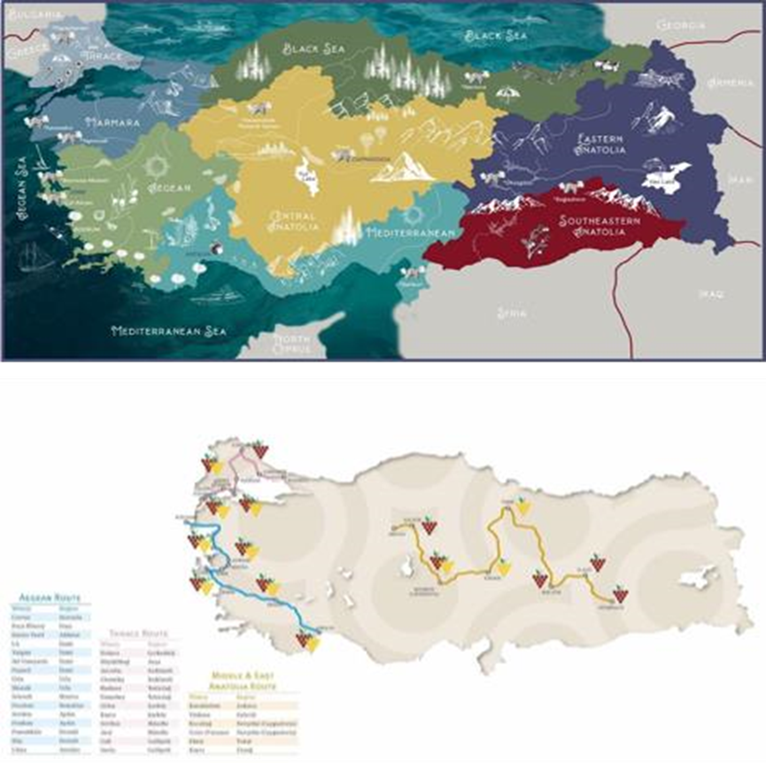
Regional Breakdown & Tourism Routes
- Thrace & Marmara (Marmara Wine Route): Maritime climate influenced by three seas. The “Thrace Wine Route” links boutique producers near the Strandja Mountains.
- Grapes: Papaskarası (red), Yapıncak (white).
- Producers: Chamlija, Suvla, Barbare.
- Aegean Coast (Urla Vineyard Route): Mediterranean climate; the “Tuscany of Turkey” with stone chateaus and high-end gastronomy.
- Grapes: Çalkarası (red), Bornova Misketi (white).
- Producers: Kavaklıdere (Pendore), Sevilen, Urla Şarapçılık.
- Central Anatolia (Cappadocia Route): Continental/Volcanic soils. Features tastings in rock-carved caves (e.g., Argos resort tunnels holding 75,000+ bottles).
- Grapes: Kalecik Karası (red), Emir (white).
- Producers: Vinkara, Turasan, Kocabağ.
- Eastern / Southeastern Anatolia: Harsh continental climate; ancestral home of the powerful “Bull’s Eye.”
- Grapes: Öküzgözü, Boğazkere (reds), Narince (white).
- Producers: Kayra.
-
Global Parallels and Price Comparison
Turkish wines share structural characteristics with major global regions, and Turkish offer a “familiar but exotic” profile that bridges the gap between major European styles:
France: Kalecik Karasi is often called the “Pinot Noir of the East” for its light body, red fruit, and elegance. Narince is frequently compared to Chardonnay because it handles oak aging beautifully and has a creamy texture.
Italy: Boğazkere (meaning “throat burner”) has the aggressive tannins and structural power of a Nebbiolo (Barolo) or an Aglianico. Emir shares the mineral, high-acid, and “crisp” profile of a Gavi or Etna Bianco.
Spain: -Öküzgözü (meaning “Bull’s Eye”) is juicy and bright like a Mencía or a fruit forward Tempranillo from Rioja Alavesa.

Price Comparison: Prestige Turkish bottles ($40–$95) sit in a price bracket similar to Napa Reds or Rioja Reservas, offering complexity comparable to European “Cru” wines.
-
Information on the Wines
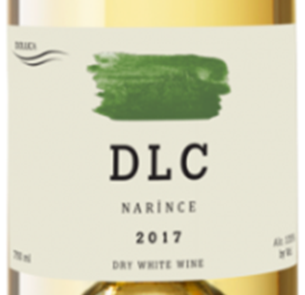
Wine #1. Doluca ‘DLC’ Narince, 2022
– The Producer: Doluca is one of the oldest and long established companies of Turkey, being in operation for over 90 years. The Estate was founded as Maison Vinikol in 1926 at Galata, which was the base for today’s Doluca. The founder Nihat Kutman produced his first wines from Yapincak and Karalahana grape varieties. Located in mid-northern Anatolia, Doluca Wines operates 200 hectares and produce annually 14 million bottles.
 The wine:
- Vintage: 2022
- Grape: 100% Narince
- Region: Tokat, Anatolia Mid-Northern Region
- Fermentation: Generally stainless steel, which preserves the grape’s natural a cidity and vibrant fruitiness.
- Alcohol: 13%
- Awards: The 2022 vintage received a Silver medal at the International Wine Challenge
Winemaker notes: During the production of DLC Narince wine, only free run juice fermented under low temperatures was used. As a result, next to the floral and fruity flavors of this young wine, the narcissus jonquil flower, jasmine, grapefruit and orange aromas are felt at the forefront with its aromatic, smooth and crisp character.
Tasting notes: A delicate floral approach, speaking of linden, narcissus, chrysanthemum and lime. Swirl and more of that floral arrangement is revealed along with yellow pollen and a crispy white nectarine. Palate is smooth and gentle, with a fine line of acidity that slowly increases toward the end. The aftertaste pulls this all together with a lingering palate of lemon zest. (
Aromas/Palate: Lemon zest, green apple, white peach, white pepper, and hints of tropical fruit. This vintage is recognized for its crisp, clean character and high quality for its price point, representing a good example of the indigenous Turkish Narince grape.
Best parings: Feta, goat cheese, Mediterranean salads, and grilled fish.
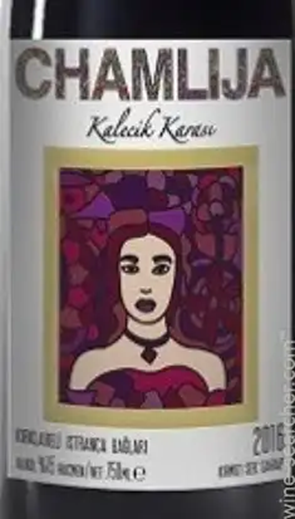
Wine #2. Chamlija, Kalecik Karasi, 2023
– The Producer: The Chamlija Family Estate was founded in 2000 by Mustafa Çamlıca. While the family has been farming in the Thrace region since 1935, Mustafa (the third generation) led the transition to high-end viticulture, with the first vintage released in 2011. The Estate is located in Kırklareli, Thrace, specifically the Strandja (Istranca) Mountains region. This area is unique for being influenced by three seas: the Black Sea, the Marmara Sea, and the Aegean. They currently cultivate approximately 130 hectares (roughly 320 acres) across 58 different parcels. Their vineyards are among the highest density in the Balkans, ranging from 5,000 to 10,000 vines per hectare to encourage deep rooting and terroir expression.
Chamlija is a boutique-scale producer focused on “terroir wines.” Their focus is on high quality over mass volume. They produce Approximately 150,000 – 200,000 bottles yearly and export about 30% to over 15 countries, including the United States, United Kingdom, and Germany, positioning themselves as a leading face of the Turkish wine renaissance.
 – The Wine:
- Vintage: 2023
- Grape: 100% Kalecik Karası
- Region: Aegean
- Fermentation: cold maceration before fermentation to maximize color and aromatic extraction without harsh tannins. Fermentation occurs in temperature-controlled stainless-steel tanks.
- Aging: Unlike their heavier “Thracian” blends, this wine is aged for approximately 6 to 8 months, using a mix of stainless steel to preserve fruit and used French oak barrels to add subtle structure. Bottled in early 2024, following a light filtration to maintain the wine’s “vibrant” character.
- Alcohol: 14.2% ABV
- Awards: Gold Medal at Balkans International Wine Competition (2025)
Tasting notes: Color: Bright, translucent cherry red or light ruby. Nose: Dominated by fresh raspberry, strawberry, and a distinctive “oriental spice” (aniseed and cinnamon). Aromas: Vibrant nose dominated by red berries (strawberry, raspberry, and red currant), and a distinctive “oriental spice” (aniseed and cinnamon). You may also detect floral hints of violet and a subtle touch of white pepper or cocoa. Palate: Light to medium-bodied with soft, velvety tannins and a refreshing acidity. It has a smooth, “easy-drinking” character but maintains a persistent finish.
Wine #3. Kavaklidere, ‘Prestige’ Bogazkere, 2019
– The Producer: Kavaklidere winery is the most historic name in Turkish wine, deeply tied to the “Hittite Legacy” as they were the first to modernize these ancient traditions for the 20th century. Founded in 1929 by Cenap and his wife Sevda in Ankara. It was the first private wine producer in the Republic of Turkey. While headquartered in Ankara (Akyurt), the company operates three separate production facilities across Turkey’s most important terroirs: Ankara-Akyurt (Central Anatolia), Cappadocia-Gülşehir, and Pendore (Aegean). They own approximately 652 hectares (roughly 1,611 acres) across seven different sub-regions. The winery produces approximately 19.5 million liters annually. Kavaklıdere is a global ambassador for Turkish wine, exporting 20% of its production to over 30 countries, including major hubs in Germany, Belgium, and the United States.
Kavaklidere uses a tiered branding structure to categorize its extensive portfolio, ranging from approachable daily wines to highly structured, age-worthy selections. It mirrors the “Quality Regulations” found in Hittite history, showing how a modern producer creates its own internal standards:
– The “Prestige” Series (the Flagship) represents the pinnacle of Kavaklıdere’s winemaking, focusing specifically on highlighting the potential of Turkey’s native grapes. Grapes are sourced from specific, high-quality vineyards (like Diyarbakır for Boğazkere or Cappadocia for Narince), that undergo meticulous hand-harvesting, longer maceration, and extended aging in French oak barrels (usually 9–12 months, aiming to produce “terroir-driven” wines with high aging potential (often 5–10+ years);
– The “Pendore” Series (Single Vineyard/Estate) is focused on a specific estate in the Aegean region (near Manisa). This Pendore vineyard uses high-density planting and “limited yield” practices to ensure concentrated flavors. Often features international varieties (Syrah, Cabernet Sauvignon) as well as the native Öküzgözü.
– The “Selection” Series (The Classic), introduced in 1987 to celebrate the winery’s 60th anniversary, is perhaps their most famous “Classic” tier. It focuses on the traditional blending of Turkish grapes -specifically the Öküzgözü-Boğazkere blend, designed to be elegant, consistent year-over-year, and representative of the “Turkish Style”.
– The “Egeo” Series (Regional Excellence), focuses on the Aegean region’s unique microclimates, which are influenced by sea breezes and higher altitudes. These wines are often more “modern” and fruit-forward, and include international varietals Cabernet Sauvignon, Merlot, and Sauvignon Blanc.
– The “Ancyra” Series (Premium Varietal). Named after the ancient name for Ankara, this is a “Premium” tier that emphasizes the pure characteristics of a single grape variety. These are typically fresh, easy-to-drink, and usually see little to no oak. They are meant to be enjoyed young.
– The “Angora” and “Çankaya/Yakut” Series (Daily/Table Wine), are entry-level wines widely available and recognized in Turkey; they are multi-regional blends designed for immediate consumption.
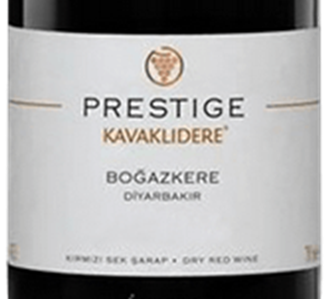 – The Wine:
- Vintage: 2019
- Grape: 100% Boğazkere.
- Region: Diyarbakır, Southeastern Anatolia
- Harvest and Fermentation: Grapes are hand-collected at optimum maturity, typically in late September to early October. Long maceration period (skin contact) to extract the deep color and robust tannins characteristic of the variety. Fermentation is temperature controlled.
- Aging: typically aged for 9 to 11 months in French oak barrels (mostly 225L) to soften the aggressive tannins and add complexity.
- 13.5%-14% ABV
Tastng Notes: Boğazkere (literally translated as “throat burner”) is known for its high tannins and power. The high levels of “grippy” tannins (the “throat burner” effect) and the full body of the wine require a solid acidic backbone to keep the wine from feeling flabby or heavy. Color: deep, dark ruby with garnet tints. Nose: complex and intense. You will find dark fruit (blackberry, black cherry), dried red fruits, and distinct “savory” notes like leather, tobacco, and black pepper. Palate: full-bodied with “well-balanced strong tannins.” It is a structural wine that feels heavy and “grippy” in the mouth, ending with a long, spicy finish.
Food Pairing: because Boğazkere is so tannic, it requires fat and protein to soften the palate: meats, such as grilled red meats (lamb is the classic Turkish pairing), spicy kebabs, or beef brisket; hearty, slow-cooked stews with rich sauces; heese: Aged, strong cheese like Parmesan, Manchego, or the Turkish Eski Kaşar.
Wine #4. Kavaklidere, ‘Selection’ Öküzgözü-Boğazkere 2021
– The Producer: Same as wine #3.
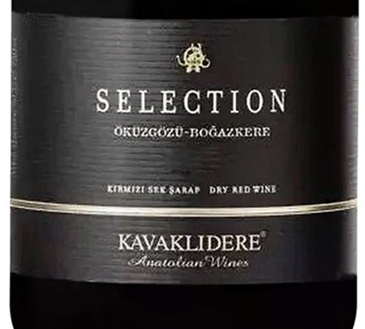 – The Wine:
- Vintage: 2021
- Grape: Blend of Öküzgözü for elegance and Boğazkere for robust structure;
- Region: Mid-Eastern Anatolia
- Fermentation: long maceration, temperature-controlled malolactic fermentation in stainless steel tanks; .
- Aging: approximately 10 months in French oak barrels, followed by an additional one year in the bottle
- 14% ABV
- Awards: Bronze Medal at the 2024 International Wine & Spirit Competition
Tasting notes: Aromas: A complex nose featuring dried red fruits, plum, and black cherry, layered with notes of spice, tobacco, and leather. Palate: Bold and structured with persistent flavors of cherry and cassis. It is known for its strong, ripe tannins and integrated oak influence from aging.
Food Pairing: Pairs exceptionally well with spicy sauced red meat, T-bone steak, grilled lamb, or hard yellow cheeses.
- CV Members Rating (after the tasting)
References:
McGovern, Patrick E. Ancient Wine: The Search for the Origins of Viniculture.
Robinson, Jancis. The Oxford Companion to Wine.
Öğütoğlu, Taner. Turkish Wine Guide.
Understanding the Indigenous Grapes of Turkey. The Wine Advocate.
Anatolia: The Birthplace of Wine. Wine Enthusiast.
McNeil Karen. The wine bible. Third edition.
.o0o.

 Club del Vino - Washington DC area