A Photographic Record of a Visit to Wineries of Virginia

This gallery contains 10 photos.

A Photographic Record of a Visit to Wineries of Virginia On May 20th. 2014 J.L. Colaiacovo, Marcello Averbug, German Zincke, Alvaro Lopes e Cecilio-Augusto Berndsen visited Breaux and Doukaine wineries on Loundon County. Here some photos taken by Marcello and Cecílio-Augusto. … Continue reading

More Galleries | Tagged , , , , , , | Leave a comment

Tasting 154 – April 28, 2014 – Argentinian Wines Different from Malbec – Capri Restaurant

VinoLogo1


Contents of this post

  1. Presenters and Participants
  2. Wine List
  3. Menu
  4. Wines Details
  5. Ratings of the Wines

1. Presenters and Participants

Presenters: Juan Luis Colaiacovo,  Hugo Benito, Alvaro López

Type of Testing:  Blind

Participants:  Mario Aguilar, Leonor Barreto, Cecilio-Augusto Berndsen, Alfonso Caycedo, J. Luis Colaiacovo, Clara Estrada, Jaime Estupiñan, Jorge Garcia-Garcia, Alvaro López, Orlando Mason, Ítalo Mirkow, Alfonso Sanchez, Raúl Sanguinetti, Carlos Velez, Ricardo Zavaleta, German Zincke, Pedro Turina.

happy_birthday1
.
.
Birthdays of  April:

2. Wine List

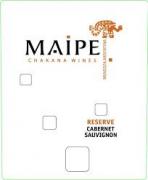
  1. Maipe Chakana Wines Cabernet Reserva 2012, Mendoza Argentina
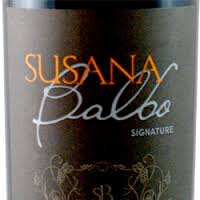
  2. Susana Balbo, Signature Cabernet Sauvignon 2011, Mendoza Argentina
  3. Flichman Dedicado 2010, Red Blend.


 3. Menu

  1. Plato de fríos (quesos, fiambres, aceitunas) individuales
  2. Ensalada de arugula y tomate con aceite de oliva y sal
  3. Ravioles a la boloñesa
  4. Risotto con hongos y chorizo
  5. Postre y cafe

4. Information and Tasting notes on the Wines

Maipe Chakana Wines Cabernet Reserva 2012, Mendoza Argentina

chakana cab 2012

Tasting Notes (WA 92 pts.) Made from 100% hand-harvested Cabernet Sauvignon, two-thirds of the 2012 Cabernet Sauvignon Reserve spent 12 months in French oak and one-third in concrete. It is a classic Mendoza Cabernet Sauvignon from alluvial soils. Maipe owns significant acreage in two main vineyards, Agrelo and Alta Mira. Classic notes of creme de cassis, cedarwood and vanillin are accompanied by a wine with a beautiful, full-bodied texture, deep, rich, concentrated flavors and a long finish. For the price it is impossible to find a Cabernet Sauvignon this good from anywhere else in the world.

Vineyard. The winery is located on a 150 ha. estate, 34 km South of the city of Mendoza, in Agrelo, Lujan de Cuyo. The grapes grown are 35 year-old Malbec, Bonarda and Cabernet Sauvignon.Deep and textured soils facilitate plant development and confer great body and structure to the wines.The year-long sunny and dry conditions allow almost organic viticulture practices. The outstanding feature includes a great daily thermal amplitude, with mild days and cold nights, permitting a particular richness of polyphenols that improves the wines flavors and color. A drip irrigation system has been set up to achieve a precise control of the vegetative cycle and a rational use of water. Waters are processed and used in the vineyards.

The Wine.     Made in the ripe, warm, fleshy, Mendoza style, this medium to full-bodied Argentine Cabernet offers pleasantly jammy notes of blackberry, strawberry and fig, laced with notes of Asian plum sauce and vanilla oak. With some nice, grippy tannins to frame the finish, this wine will match well with steaks and chops, as well as with Peking duck, and Asian stir-fries using hoisin or plum sauce.  Alcohol

Susana Balbo, Signature Cabernet Sauvignon 2011, Mendoza Argentina

balbo signature 2000Tasting Notes.  Wine Spectator :  A dense , chewy red, dark raspberry couloirs, blackberry reduction and plum skin notes, mineral, fine length.
ST:  Blackberry and bitter chocolate on the nose. Dense and sweet. Black fruit and smoke flavor. Finish with substantial tannins

The Winery.  Susana es considerada un icon en la enología argentina con una amplia experiencia internacional como enóloga y consultora. Posee más de una bodega siendo la actividad principal en Dominio del Plata fundada en 1999 en Luján de Cuyo, Mendoza. Tiene cuatro líneas de vinos: A. Críos. Línea de vinos jóvenes, frescos, y con abundante fruta. B. BenMarco. Concentrados, fuertes, mucha fruta. C. Signature. Concentrados y complejos. D. Nosotros. Malbec, selección de los 40 barriles mejores. Guardados 18 meses en barriles de roble. El Malbec Signature tiene un pequeño porcentaje de Cabernet. Este vino ha recibido los siguientes puntajes. 2004.  90 ST 2008. 91 RP 2009. 92 RP 2010. 89 ST 2011. 91 ST 2012. 91 ST

The Wine.  Aged in 80% new French oak.  Good saturated ruby-red.  Aromas of blueberry, blackberry, violet, leather and herbs.  Sappy, juicy and attractively sweet, with rather claret-like flavors of dark berries, herbs and spices.  Nicely combines an Old World silkiness of texture with the ripeness of Mendoza cabernet.  The long, rising finish features very smooth tannins.  Classy juice, and long on personality. 92 Points | International Wine Cellar , March/April 2013

Alcohol


Flichman Dedicado 2010, Red

Dedicado blendThe Winery.  Antigua y tradicional bodega en Argentina con más de 100 años de existencia. En 1998 el grupo portugués Sogrape perteneciente a la familia Guedes compro la bodega inyectando capital adicional y tecnología.  El enólogo es Germán Berra, que ha tenido 15 años de experiencia en USA, Francia y Argentina.  Estudió Enología en Mendoza, Montpellier y Davis. Está en Flichman desde 2007.

La bodega tiene básicamente las siguientes líneas de vinos:

  1. Varietales. Cabernet, Shiraz, Malbec, Chardonnay. Todos 100%.
  2. Reserva. Cabernet, Shiraz, Malbec. 100%
  3. Premium.

A. Paisaje de Barrancas. 55% Shiraz, 35% Malbec, 10% Cabernet.

B. Paisaje de Tupungato. 70% Malbec, 25% Cabernet, 5% Merlot.

C. Parcela 26. 100% Malbec.

D. Dedicado. 70% Malbec, 25% Cabernet, 5% Syrah.

The Wine:    Este vino proviene de una propiedad de 600 acres en el Valle de Uco, Tupungato. Altura 3600 pies. Yield 8000 kgs. Color. Intenso, predominantemente ruby con tonos violetas. Aromas. Fruta roja madura, tabaco y especias. Sabor. Entero y concentrado. Berries rojas y negras. Chocolate. Final. Complejo y largo.

Alcohol is  14.5%.

 5. Ratings of the Wines by the Club Participants

Informe preparado por Ricardo Zavaleta

Degustación: Ciega

Resumen:     El primer vino tinto fue calificado como Excelente con un promedio de 90 puntos; el segundo como Muy Bueno  con una Media de 89 puntos; el tercero y último vino, también como Muy Bueno con un promedio de 87 puntos.

Vinos degustados:

  1. 2011 Susana Balbo (Signature 2011 Cabernet Sauvignon, Mendoza)

Calificacion Media: 90      Desviacion Estandar: 2.1    Calificacion Expertos: 91 puntos

Impresión General: Susana Balbo es considerada como un icono en la enología Argentina con amplia experiencia internacional. Este vino presenta un denso color rojo, con sabores a mora y frambuesa y piel de ciruelas con un final con taninos sustanciales.

2. 2010 Flichman Dedicado  (Red blend: Shiraz, Cabernet Sauvingnon, Malbec y Merlot).

Calificación Media: 89                 Desviación Estándar: 3.1     Calificación Expertos: 91 puntos

Impresión General: Presenta un intenso predominante  color rubí con tonos violetas; aromas a frutas maduras, tabaco y especias, con sabor achocolatado y un final complejo y largo.

3. 2012 Maipe Chakana, Reserva Cabernet Sauvignon, Mendoza.

Calificación Media: 87    Desviación Estándar: 3.8    Calificación Expertos: 92 puntos

Impresión General: Una buena apreciación y aromática complejidad. Buen balance, sabroso y  de agradable frescura. Con sabor a frutas y chocolate.

 .o0o.o0o.o0o.


Posted in Meeting Abstract, Wine Regions | Tagged , , , , , , , | Leave a comment

Grandma’s Home Remedies – De la Abuelita Remedios Caseros

Grandma’s Home Remedies

Wise Advice

“For better digestion I drink beer, in the case of appetite loss I drink white wine, in the case of low blood pressure I drink red wine, in the case of high blood pressure I drink scotch, and when I have a cold I drink schnapps.” 

“When do you drink water?” 
  
“I’ve never been that sick!

…………………………………………………………

“Para una mejor digestión bebo cerveza, en el caso de pérdida de apetito bebo vino blanco, en el caso de la presión arterial baja bebo vino tinto, en el caso de la hipertensión arterial bebo whisky, y cuando tengo un resfriado he de beber aguardiente “.  

“Cuando usted bebe el agua?”
  
“Nunca he estado tan enferma!

.o0o.o0o.o0o.
Posted in Humor | Tagged , , , , | Leave a comment

Vinho da Copa de 2014 Faces

 Vinho da Copa do Mundo 2014        Faces

Brasil 2014Podem onze castas de uvas fazer um vinho campeão?

FACES tinto usou como critério de composição o esquema tático do time brasileiro, com onze castas de terroir distintos do sul compondo o corte, sendo escaladas para o ataque a Merlot e a Cabernet Sauvignon, de grande perceptibilidade pela participação. Para a evolução (meio de campo) a Pinot Noir, Tempranillo, Touriga Nacional e Teroldego, dado o volume de boca. Para a consolidação do gosto (defesa) as tintas: Tannat, Nebbiolo, Ancellota e Alicante e por fim, enaltecendo o retro-gosto (no gol) a casta Malbec, com sua trama de frutas. Mais detalhes clique aqui


.o0o.o0o.o0o.
Posted in Magazines and Books wine related, Varietals, Wine - Vino - Vinho, Wine Regions | Tagged , , , , , , , , , , , , , | Leave a comment

Tasting 153 – March 31, 2014 – Red Blends from East US – Capri Restaurant

VinoLogo1


Contents of this post

  1. Presenters and Participants
  2. Wine List
  3. Menu
  4. Wines Details
  5. Regional Notes
  6. Ratings by Participants

1. Presenters and Participants

Presenters: Jairo Sánchez and Alfonso Sánchez

Type of Testing:  Blind

Jairo Sanchez

Jairo Sanchez

Alfonso Sanchez

Alfonso Sanchez

Participants:

Marcello Averburg,   Rolando Castaneda, Alfonso Caycedo, Juan Luis Colaiacovo,  Ruth Connoly, Alvaro Lopez,  Ítalo Mirkow,  Alfonso Sanchez, Jairo Sanchez,  Raúl Sanguinetti, Ginger Smart, Ricardo Zavaleta, German Zincke.

happy_birthday1
.
.
Birthdays of  March:  Raúl Sanguinetti

2. Wine List

The wines for this tasting belong to the type “Meritage”. The term stands for USA red or white blends.  In 1988 group of Napa Valley vintners decided to create the Meritage Association to respond to the increasing demand for Bordeax-type wines in the US market and to fill the need to have a brand name for high-quality American blends .  Americans were more used to consume varietals than blends.  Now this is no longer the case.  The existing regulations required that  red wines contain at least 75% of a specific grape to be labeled as that varietal but there was no label for the blends. “Meritage”, — a combination of merit and heritage is meant to fill that vacuum.  It’s a blend made from grapes that come from Bordeaux and there are some well-known varieties : Cabernet Sauvignon, Merlot, Malbec, Sauvignon Blanc, Cabernet Franc, Petit Verdot, Carmenere and Semillon. And, some no so well known varieties: St. Macaire, Gros Verdot (red) and Muscadelle du Bordolais(white). The producer can make a red Meritage or a white one.  The blend rule is that it must include at least two of these varieties and no single variety should make up more than 90% of the blend.   The wines selected for this tasting are all from Virginia and Maryland to facilitate a comparison of wines of the same region.  New York, New Jersey  and North Carolina States also produce good blends but perhaps overall Virginia and Maryland have the best quality.

  1. Jefferson Meritage, 2010
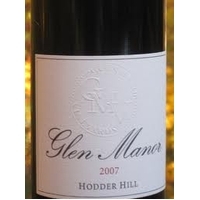
  2. Glen Manor Hodder Hill, 2010
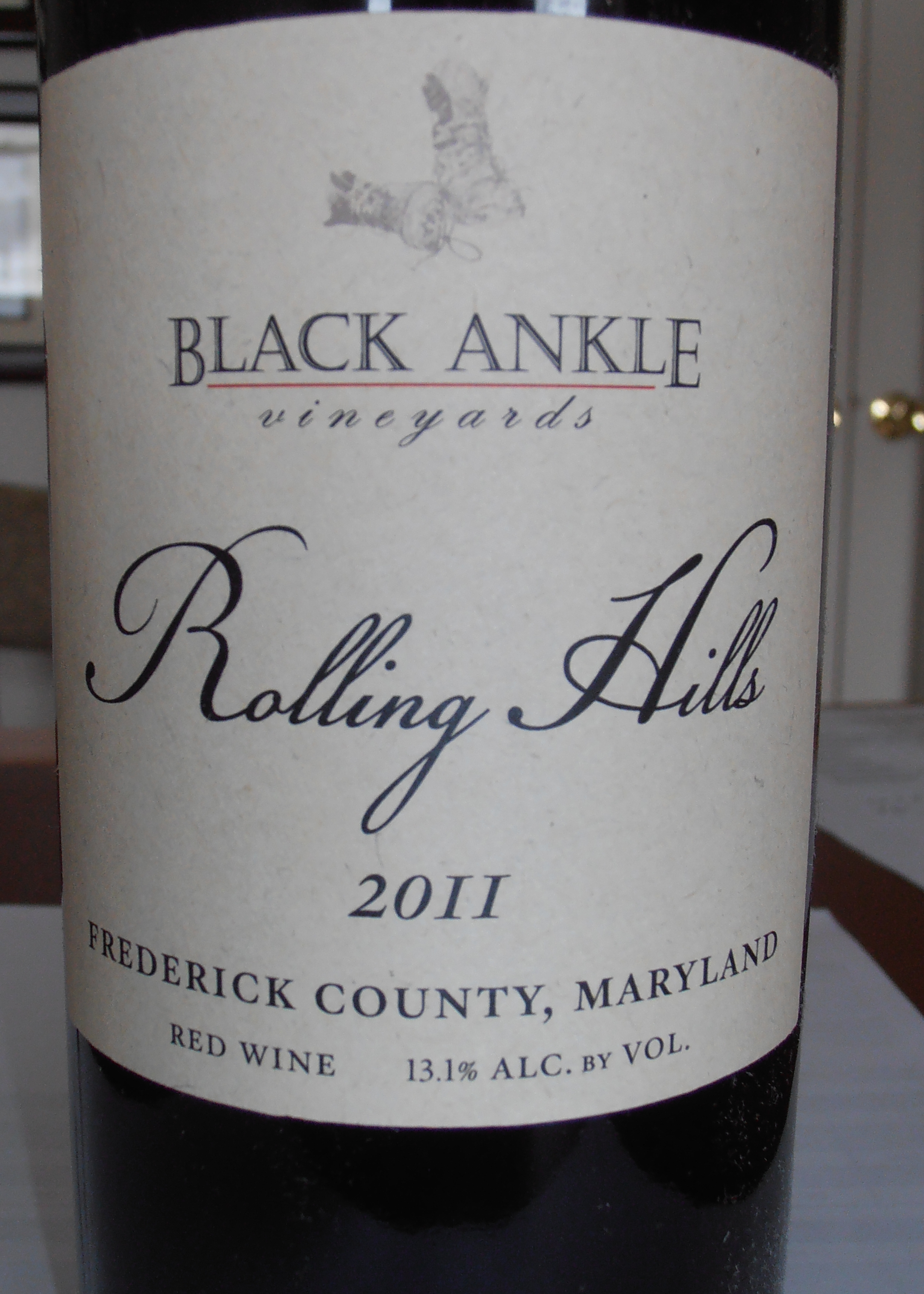
  3. Rolling Hills Black Ankle,  2011

 3. Menu

  1. Beef Ravioli au Gratin with salsa aurora
  2. Risotto de Fungi
  3. Green Salad
  4. Pan-seared Filet with Vegetable Sides
  5. Dessert/Coffee

4. Information and Tasting notes on the Wines

Jefferson Meritage, 2010 – Montichello Wineries, Virginia

Jefferson Meritage 2010Producer Tasting Notes.  Merlot and Cabernet Franc dominate the 2010 Meritage, leading with aromas of black cherry, anise, and vanilla, while plum, spice, and orange peel cover the palate.  Petit Verdot and Cabernet Sauvignon provide rich color and hearty tannins, softened by the liberal use of new French oak barrels and a two and half-year maturation process.

Vineyard. Monticello is one of Virginia’s more-premium wine regions. Vineyards cover the eastern slopes of the Blue Ridge Mountains and in the rolling farmland at the base of the slopes. Monticello’s climate is defined by its warm summers and the wind protection offered by the Blue Ridge Mountains, part of the Appalachian range.  Producers grow the majority of the fruit on sites selected by Thomas Jefferson in 1774 offering excellent air and water drainage as well as protection from the prevailing weather patterns.    However, cold winters present a threat – as they do elsewhere in Virginia – with fatal vine-freeze affecting local vineyards. To lessen the risks posed by spring frosts, and to make the most of the sunny, south-easterly exposure offered by the mountain slopes, many vignerons have selected sites at altitudes of 800ft (245m) and above. There is a wide array of soils in the area, ranging from silty loams to heavier clay-based soils. While the vineyards of Monticello are planted mostly to the more popular and prestigious European vinifera varieties, there are still plantings of French-American hybrids and native American vines such as Norton, albeit in increasingly smaller quantities.

The Wine.  The wine is a blend of 41 percent Cabernet Franc, 41 percent Merlot and 18 percent Petit Verdot.   This wine won the Montichello cup in 2011.  Twenty-five members of the Jeffersonian Wine Grape Growers Society participate in the Monticello Wine Trail appellation. The Monticello Cup competition, open only to members of the appellation, received more than 60 entries from 20 wineries.  Alcohol 14.5%

Price: TBA

Glen Manor Hodder Hill Meritage – 2010 

Glenn Manor 2010Producer Notes.  Aromas: Black licorice, black cherry, currant, violet, dried fig, cinnamon and orange peel.  Palate: Fresh, bright and youthful, rich, refined and complex, a long exit after subtle, silky tannins.  Food Pairings: Roasted duck, grilled juicy lamb burger, seared well-marbled rib eye, creamy mushroom risotto and warm roast beets with greens.

The Winery.  Located on the west slope of the Blue Ridge Mountains, between 1,000 and 1,300 feet above sea level. This planting consists of 8.3 acres of 2 to 14-year-old vines growing in deep, steep and well drained rocky soils.  Glen Manor Vineyards was awarded 2012 Virginia Governor’s Cup.  2010 was an extraordinary winegrowing year in Virginia. High heat and extremely dry conditions prevailed throughout the growing season. Add in an early bud break and no season ending tropical storms, that resulted a long growing season which in turn allowed grapes time to attain ultimate and full ripeness. Very light leaf pulling was performed this vintage to slow down berry development and to protect the clusters from the blistering summer heat.

The Wine.  This wine is a blend of 69% Cabernet Sauvignon, 21% Merlot, and 10% Petit Verdot. The grapes were hand picked and chilled over night.  A double sorting, (pre and post destemming) was performed and the berries were destemmed without crushing. The whole berries filled small one ton fermenters and were cold soaked for 4 days. Moved into the fermentation room, the bins were warmed to 60 degrees Fahrenheit and inoculated with yeast. Fermentation temperatures reached the low 80s and lasted from 7 to 10 days, with 2 cap punch downs performed each day. After about 2 weeks of maceration, the wine was pressed off, allowed to settle overnight and the transferred into barrels the next morning. The barrels were inoculated with a malolactic culture and this fermentation lasted from 30 to 60 days. Once ML fermentation was complete the wine was racked out of the fermentation room back into our cellar and allowed to rest. During the summer of 2011, the final blends were made and the wine was transferred from primarily new French oak barrels to older, neutral barrels for further aging. Unfined and unfiltered, it was bottled in August 2012.  Alcohol 14%.

Price: $ TBA

Black Ankle Rolling Hills – 2011

Black Ankle Crumblig Rock 2010The Winery.  This is a young winery founded between 2003 and 2004 in Monunt Airy , Maryland.  The first harvest was in 2006 and since then the winery has grown in reputation as one of the top in this region.  To read the full remarkable story of this winery and see some pictures just click HERE.

The Wine:  Rolling Hills  2011 is a blend of 76% Merlot, 24% Cabernet Sauvignon.  The blend and the number of  varieties in the blend may vary depending on the year. The 2011 was aged for 18 months in 100% French oak barrels.  the grapes are grown in rolling hills facing west and south to maximize sun exposure and proper ripeness.  The soils are decomposing slate laced with quartz veins hence some good minerality.  Alcohol is 13.1%.

Price: TBA

 5. Regional Notes – Wine Regions in USA

The United States is the world’s fourth-biggest wine-producing nation (behind France, Italy and Spain) and produces roughly 18.5 million hectoliters each year – about 15 percent more than the next largest producer, Argentina, Not just a key producer, the nation is also a leading consumer of wine, making it an important export market for many other wine-producing nations.

Wine regions

There are nearly 3,000 commercial vineyards in the United States, and at least one winery in each of the 50 states. Following are the main country’s wine producing regions:

Ratings By Participants of  the Club in this Tasting

Resumen:      El primer vino tinto fue calificado como Muy Bueno con un average de 87 puntos; el segundo como Bueno  con una Media de 83 puntos; el tercero y ultimo vino, como Muy Bueno con un  average de 86 puntos.

Vinos degustados:

  1. 2010 Jefferson Meritage (Virginia)

Calificacion Media: 87    Desviacion Estandar: 3.2      Calificacion Expertos: N.D. (Seleccionado entre los mejores de la Copa del Gobernador en Marzo 2014)

Impresion General: Merlot y Cabernet Franc, son dominantes en este Meritage 2010. Con sabor de Cherry  anis y vainilla, un poco de ciruelas, especies y naranja. El  Petit Verdot y el Cabernet Sauvignon le dan un buen color y una acidez agradable.

2. 2011 Rolling Hill Black Ankle (Maryland)

Calificacion Media: 83     Desviacion Estandar: 6.4

Impresion General: Es de una vineria joven (2003-2006) en  Monunt Airy, Maryland. Su primera cosecha fue en el  2006 y tuvo una excelente reputacion como un buen vino entre los mejores de esta region.

3. 2010 Glen Manor Hodder Hill (Virginia)

Calificacion Media: 86       Desviacion Estandar: 6.9    Calificacion Expertos: N.D. (Gano Copa del Gobernador en 2012)

.o0o.o0o..o0o.


Posted in Meeting Abstract, Wine - Vino - Vinho, Wine Regions | Tagged , , | Leave a comment

Do you know a lot about cheese and wine? (en Español)

Do you know a lot about cheese and wine?   (in Español)

Everything you would like to know about cheese and wine but were afraid to ask   by Jorge Albueme.     You also can view the presentation if you click HERE

Posted in TV, Video, Film on wine, Wine - Vino - Vinho | Tagged , , , | Leave a comment

Tasting 152 February 2014: Club Members Assessment of the Portuguese Wines

VinoLogo1Tasting 152 February 2014: Club Members Assessment Portuguese Wines 

Informe Analitico

Degustación # 152:    Vinos Touriga Nacional de Portugal

Portugal_flagInforme Analitico preparado por Ricardo Zavaleta

Degustación Abierta

Resumen:          El primer vino tinto fue calificado como Aceptable con un promedio de 78 puntos; el segundo y el tercero, se consideraron como  Buenos, con 82 y 84 puntos respectivamente; el cuarto vino se calificó de Muy Bueno con promedio de 88 puntos y el último obtuvo la calificación de Excelente con 91 puntos.

Para un informe general detallado sobre esta degustación por favor haga clic aquí.   El mensaje se abrirá en una nueva pestaña

Vinos degustados:

  1. 2012 Vila regia Douro Tinto

Calificación Media: 78        Desviación Estándar: 8.7

Impresión General: Presenta un color Rubí intenso, aroma a frutos maduros y balsámicos bien equilibrados y un final largo y armonioso.

2. 2009 Duque de Viseu Dão Tinto

Calificación Media: 82    Desviación Estándar: 6.8

Impresión General: Color Rubí, con aromas sobresalientes a frutos maduros, frambuesa y moras, especies mentoladas y resinosas que le dan frescura y lo hacen un vino elegante y suave.

3. 2011 Fronteira Douro

Calificación Media: 84      Desviación Estándar: 3.4

Impresión General: Vino de gran elegancia y aromática complejidad, gran balance y puede acompañar una gran variedad de comidas.


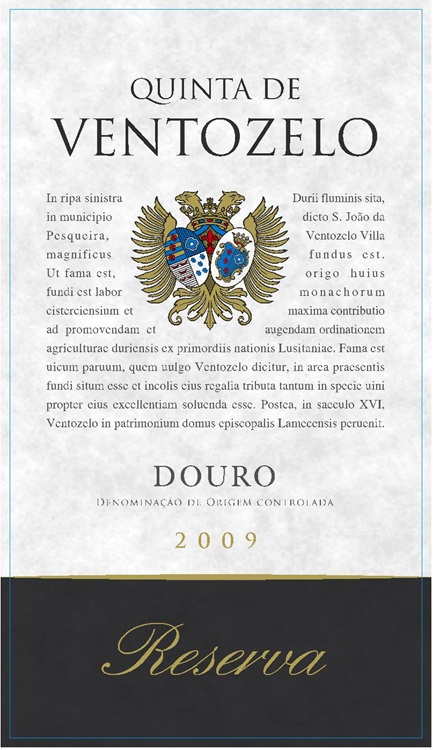
3.    2009 Quinta de Ventozelo Reserva Douro

Calificación Media: 88     Desviación Estándar: 3.6

Impresión General: Para acompañar platos Fuertes.


4.    2010 Quinta dos Carvalhais

Calificación Media: 91        Desviación Estándar: 3.1

Impresión General: Rubí denso, amplio aroma de frutas frescas con toques balsámicos bien integrados que le dan una frescura, acidez y taninos.

.o0o.o0o.o0o.

Posted in Meeting Abstract, Member's Wine Ratings, Wine - Vino - Vinho, Wine Regions | Tagged , , , | Leave a comment

Tasting 152 – February 24,2014 – Touriga Nacional from Portugal

__ClubVinosmallTasting 152 – February 24, 2014, 1:00 pm Capri Restaurant, McLean VA                                    Touriga Nacional from Portugal

 Contents of this post:

  • 1. Participants, Presenter and Birthdays
  • 2. Summarized Wines Information
  • 3. Menu
  • 4. Wines Information with some detail
  • 4.a. Report of the Club Members Assessment of the Tasted Wines (link)
  • 5. Grapes of the wines of Portugal
  • 6. Regions of the wines
  • 7. Next tasting
  • 8. True Truth?

Portugal1

1.  Participants and Presenters with Birthdays

Wines presented by Cecílio-Augusto Berndsen

Participants: Orlando  Mason, Raul Sanginetti, Alfonso Sanchez, Marcello Averbug, Cecilio-Augusto Berndsen, Italo Mirkov, Jairo Sanchez, Jaime Estupinan. O. Castaneda, Emilio Labrada, Clarita Estrada. German Zimcke, Ricardo Zavaleta, Alfonso Caycedo.

Birthday of February: Carlos Paldao (11)

2. Abstract Wine Information

More details on the wines at Section 4.

1.    2012  Vila Regia Douro Tinto.  Tinta Roriz (40%), Tinta Barroca (40%), Touriga Francesa (10%), Touriga Nacional (10%). Sogrape. Douro, Portugal.  Alcohol per Volume: 12.5%,       $ 9  

2.     2009  Duque de Viseu Dão Tinto.  Tinta Roriz, Touriga Nacional, Jaen, Alfrocheiro Preto.  Sogrape. Quinta dos Carvalhais, Dão, Portugal. APV:   13.5%,    $ 12   

3.  2011 Fronteira Douro. Touriga Nacional 60% and Touriga Franca 40%.  Compahia das Quintas. Douro.   APV: 14.5%,  $ 14.

4.  2009 Quinta de Ventozelo Reserva Douro. Touriga Nacional 60%, Tinta Roriz 20% and Touriga Franca 20%.  APV: 14.5%,   $ 20

5.    2010  Quinta dos Carvalhais Dão Touriga Nacional.  Tinta Roriz and Touriga Nacional.   Sogrape.  Dão.  APV: 13%,  $ 38

3. Menu

1. Pasta e Fagioli,   Soup of Short pasta & Cannellini Beans  (130 kcal)

2. Caesar Salad  (78 kcal)

3. Rigatoni Carbonara, prepared with a sauce of egg yolk, Italian bacon and a touch of cream sauce (384 kcal)

4. Pollo alla Milanese, chicken breast encrusted in bread crumbs, served with mix greens salad (734 kcal)

5. Desert and Coffee  (v.g. Tiramisu    492kcal)

4. Wine Detail – all from Portugal, all from T.Wine

4.1  2012  Vila Regia Douro Tinto.  Tinta Roriz (40%), Tinta Barroca (40%), Touriga Francesa (10%), Touriga Nacional (10%). Sogrape. Douro, Portugal.  Alcohol per Volume: 12.5%       $ 9  

vilaRegiaDouroTintProducer description: Vila Regia Tinto 2012 apresenta uma cor vermelha rubi de boa intensidade. O seu aroma é intenso, sobressaindo os aromas a frutos vermelhos maduros, bem como aromas balsâmicos, bem equilibrados com delicadas notas florais a esteva. Na boca tem um ataque suave e equilibrado, com a acidez bem integrada, boa presença dos frutos vermelhos madura e com um final longo e harmonioso.  http://www.sograpevinhos.com/

http://www.stevensgarnier.co.uk/ tells us: “A medium-bodied, fruity red from the Douro – home of Port wine. This is made from the same grapes as Port, but without fortification. The wine is soft in texture with a mature, peppery flavour. Highly recommended – it will change your mind about Portuguese wine.

wineaccess.com: “Full bodied wine that is well worth the price.” Jerome 1235.  “You will enjoy this by the fire or by the pool with or without food.” Hood13310876

4.2   2009  Duque de Viseu Dão Tinto.  Tinta Roriz, Touriga Nacional, Jaen, Alfrocheiro Preto.  Sogrape. Quinta dos Carvalhais, Dão, Portugal. APV:   13.5%,    $ 12   

Duque de Viseu Dão TintoWinery description: Este vinho apresenta cor vermelha rubi. No aroma sobressaem os frutos pretos maduros (framboesa e amora), nuances especias e notas mentoladas e resinosas que conferem muita frescura. Tem taninos firmes mas discretos, o que torna o vinho muito elegante e suave. Na boca sobressaem aromas minerais e frutados num conjunto com uma acidez muito fresca e com um final persistente. http://www.sograpevinhos.com/

Reviews: This DAO “Tinto” was a pleasant diversion from our usual assortment of red dinner wines. The Merchant Review has it about right highlighting the prominent oak and peppery aspects with soft round tannins. Think of a mild Zinfandel. An excellent choice with highly seasoned hand rubbed rare steaks. A good wine at a good price. Thumper in http://www.wineaccess.com  4/5

4.3.    2011 Fronteira Douro. Touriga Nacional 60% and Touriga Franca 40%.  Compahia das Quintas. Douro.   APV: 14.5%,  $ 14.

Producer Description: Is is a wine of great elegance and aromatic complexity. With its short aging in French oak barrels it presents great balance, which makes it an ideal wine for pairing with a wide range of dishes.

Review:  With plenty of weight, but weight that is concentrated around a tight, firm tannic core. The wine has great ripe plum and black cherry fruits, brimming from the glass. The acidity is a strong presence, and with the tannin promises several years’ aging. By Roger Voss ,  http://buyingguide.winemag.com/  Wine Enthusiast: 89 points.

4.4.   2009 Quinta de Ventozelo Reserva Douro. Touriga Nacional 60%, Tinta Roriz 20% and Touriga Franca 20%.  Quinta Ventozelo. Douro.  APV:  14.5%,  $20

Quinta VentozeloProducer recomendation: Serve with strong dishes and game.

Wine Spectator: 91/100

Paul Forget wrote on http://www.winealign.com/   “This wine opened up with a very aromatic bouquet of blackberry, cherry, stewed plum-rhubarb, dried herbs, vanilla and exotic spices. On the mouthfeel, full bodied, ripe crushed berry fruit with lots of spices, fresh acidity and fine grained tannins. Very good length and smooth, velvety texture on the finish with subtle fruit flavours, light minerals and spices. Here is a very youthful, well made and flavourful wine, ready to enjoy. Strongly recommended.”  4.5/5 four reviews.  Also at  http://paulnjoywine.blogspot.com/

http://www.theglobeandmail.com/  informs:  “Three chief grapes used in port – touriga nacional, tinta roriz, touriga franca – shine in this red blend from an established port house. Very earthy, with a trace of mushroom, it’s packed with ripe, almost raisin-like fruit. Lovely now, it could improve with four years’ rest.”

Ranking:   vivino.com places Quinta de Ventozelo like:
Rank within Winery: 31 of 128
Rank within Wine Region: 4951 of 15,216
Global Rank: 300569 of 1,179,844 This wine is always in the first third or better.

4.5.  2010  Quinta dos Carvalhais Dão Touriga Nacional.  Tinta Roriz and Touriga Nacional.   Sogrape.  Dão.  APV: 13%,  $ 38

Quinta dos Carvalhais     

Description by the Winery:  Quinta dos Carvalhais Touriga Nacional 2010 tem uma cor vermelha densa e um amplo aroma que engloba notas de frutos vermelhos e florais, nomeadamente a violeta, tão característica da casta, refrescadas por toques balsâmicos e madeira muito bem integrada a surgir no final. Na boca surpreende pela frescura logo no ataque, revelando uma bela acidez, com taninos muito redondos mas vivos, num conjunto equilibrado e elegante.     http://www.sograpevinhos.com/

http://www.wineanorak.com/ informs:     “Lovely aromatic spicy nose with some wild black fruit and herb character. Hints of tar and violets—very typical for this grape. The palate is concentrated and spicy with a good depth of chewy, spicy fruit and nice structure. A big wine with lots going on but still well behaved. Good acidity and some elegance. Very good/excellent 92/10.”

4.a. Club del Vino opinion on the tasted wines (prepared by the the Club Secretary)

For a detailed report of the grades given to the wines by the Club Members, please click here.   The report that was prepared by the Club Secretary Ricardo Zavaleta will open in a new tab.

5. Grapes  of Portuguese Wines 

Information on the grapes on this tasting:

Touriga Nacional:  Considered to be the finest of the grapes that are used to create the substantial and long-lived fortified wines known as Port. Touriga Nacional has a thick skin and small clusters of berries which help to contribute to the colorful and tannic wine it creates. In addition to the flowers, tannins and extract the Touriga Nacional brings to the Port table, the grape is an integral part of the blends of still red wine found in both the Duoro and Dão valleys, producing wines that are heavy in both red fruits and structure. Yields are low, but recent clonal selection has improved production.   https://www.winegeeks.com/grapes/45

Tinta Roriz:   The Portuguese name for Tempranillo, which is used to make both still wines and port. This name is most commonly used in the Duoro valley of northwestern Portugal where Tempranillo is made into both dry red wine and also used in the recipes of many port houses.  https://www.winegeeks.com/grapes/48

Jaen:  A rustic and common grape found extensively in the central and western regions of Spain. Also found in the Dão region of Portugal, wines from the Jaen are often pale in color, have very low levels of acidity, and can be quite bland. Best suited as a blending varietal for lightening tannic reds. Thought to be a clone of the Spanish Mencía.  https://www.winegeeks.com/grapes/112

Alfrocheiro Preto: An important varietal in the production of reds from the Dão region of Portugal, Alfrocheiro Preto is an intriguing grape of misty origins. At one time thought to be a relative of Pinot Noir, today the birthplace of Alfrocheiro Preto is assumed to be Portugal, but the jury is still out. Also known as Tinta Bastardinha and Tinta Francesa, wines from this grape are noted for their velvety texture, intense spiciness and approachability when young. They also display inky depths of color and flavors of mint, flowers, black currants and fresh strawberries.   https://www.winegeeks.com/grapes/83

Tinta Barroca:  The most productive and easiest to grow of the different varietals that make up the recipe for the great fortified wines of Oporto in the Douro valley in Portugal. Tinta Barroca has a very thin and dark skin which allows it to impart color and alcohol to the port blend without adding too much in the way of tannins. This varietal is also used to make some non-fortified versions that can be elegant and aromatic, if always fruity. Also grown in South Africa for both fortified and dry versions. When grown in cooler climates or higher elevations Tinta Barroca can be quite aromatic and full of black cherries, black plums and purple flowers.   https://www.winegeeks.com/grapes/47

6. Regions of Production:   Dão and Douro

Dão

Dão is a Portuguese wine region situated in the Região Demarcada do Dão with the Dão-Lafões sub region of the Centro, Portugal. It is one of the oldest established wine regions in Portugal. Dão wine is produced in a mountainous region with a temperate climate, in the area of the Rio Mondegoand Dão rivers in the north central region of Portugal.[1] The region became a Denominação de Origem Controlada (DOC) appellation in 1990. The Dão region is the origin of the Touriga Nacional vine that is the principal component of Port wine.[2]

Climate and geography: The wine region is located primarily on a plateau that is sheltered on three sides by the granite mountain ranges of Serra da EstrelaSerra do Caramulo and Serra da Nave. This helps the area maintain its temperate climate away from the effects of the nearby Atlantic Ocean. The region experiences abundant rainfall in the winter months and long, warm dry summers leading up to harvest. The region’s vineyards are planted on sandywell-drained soil on top of granite rock.  http://en.wikipedia.org/wiki/Dão_DOC

Douro:

Douro is a Portuguese wine region centered on the Douro River in the Trás-os-Montes e Alto Douro region. It is sometimes referred to as the Alto Douro (upper Douro), as it is located some distance

Douro

Douro

upstream from Porto, sheltered by mountain ranges from coastal influence. The region hasPortugal‘s highest wine classification as a Denominação de Origem Controlada (DOC). While the region is associated primarily with Port wineproduction, the Douro produces just as much table wine (non-fortified wines) as it does fortified wine. The non-fortified wines are typically referred to as “Douro wines”.

The style of wines produced in the Douro range from  light,  Bordeaux style claret to rich Burgundian style wines aged in new oak.[1] 

Geography and Climate:  Douro wine region is situated around the Douro river valley and lower vallies of its tributaries  Varosa,  CorgoTávoraTorto, and Pinhão. The region is sheltered from Atlantic winds by the Marão and Montemuro mountains and has a mediterranean climate, with hot and dry summers and cold winters.

It is usually subdivided into three subregions, from the west to the east:[6]

  • Baixo Corgo (“below Corgo”), a subregion with the mildest climate and most precipitation. It has 14,000 hectares (35,000 acres) of vineyards. Although it is the subregion which was planted first, in general, it is considered to give wines of lesser quality than the other two subregions.
  • Cima Corgo (“above Corgo”) is the largest subregion with 19,000 hectares (47,000 acres) of vineyards, centered around the village of Pinhão, and where the majority of the famous Quintas are located.
  • Douro Superior (“upper Douro”[7]) is the hottest and driest of the subregions, and stretches all the way to the Spanish border. It has 8,700 hectares (21,000 acres) of vineyards and is the source of many wines of very good quality. As it is the least accessible of the three subregions, it is the most recently planted, and it is still expanding.

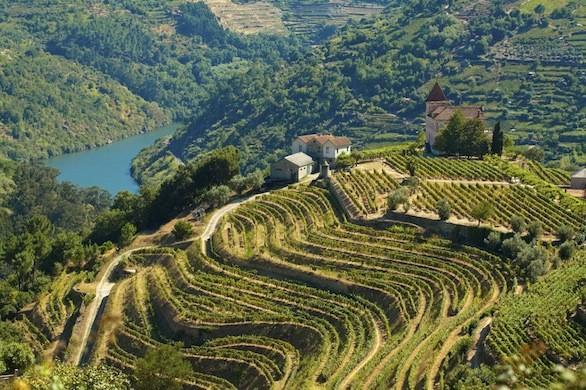
douro-river-cruiseTerraced vineyards are very common in the Douro region. Vineyards dedicated to Port production are usually planted on schist while areas with granite-based soils are used for table wine production.

Grapes      (See also: List of Port wine grapes)      The principal grape varieties of the Douro region include the black grapes BastardoMourisco tintoTinta AmarelaTinta BarrocaTinta CaoTinta Roriz (the same as Spain’s Tempranillo), Touriga Francesa and Touriga Nacional, and the white grapes Donzelinho brancoGouveioMalvasia FinaRabigato, and Viosinho.[1]

A large number of grape varieties are grown in the Douro region, most of them local Portuguese grapes. For a long time, the grape varieties grown in the Douro were not very well studied. Vineyards of mixed plantation were the norm, and most of the time, the vineyard owners didn’t know which grape varieties they were growing. A pioneering effort were made in the 1970s which identified Touriga Nacional, Tinta Roriz, Touriga Franca, Tinta Cão and Tinta Barroca as the prime dark-skinned grape varieties. Tinta Amarela and the teinturier Sousão has later come to be included among the varieties that attract the most interest.[3] This work was important for creating the new wave of top Douro wines and has also led to a greater focus on the grape varieties that go into Port wine. Most top quintas now replant with single-variety vineyards and focus on a limited number of varieties, but older, mixed vineyards will remain in production for many decades to come.

7. Next meeting  – March 31st.

March 31st.  USA Costa Este, Meritages or other.  Blind tasting     21px-Blind_signal   Presented by  Alfonso Sanchez  & Jairo Sanchez

8. True Truth

corkScrew

Posted in Meeting Abstract | Tagged , , , , , , , , , , , , | Leave a comment

Vinos Portugueses – Portuguese Wine

Portugal_flagVinos Portugueses


Material Selecionado e Preparado por Jairo Sanchez
(1) References at the end
 
 
Jairo Sanchez

Jairo Sanchez

Marco de Referencia

Portugal, con una larga historia vinculada al vino, se ha caracterizado principalmente por la importancia  del vino Porto, tan emblemático como el Jerez de España y la Champaña de Francia. Las antiguas tradiciones para la producción de este vino y su reconocimiento internacional, han marcado también la producción del Madeira el otro vino portugués, después del Porto.

Los Vinos de mesa  también han sido reconocidos particularmente a partir del ingreso de Portugal a la Comunidad Europea, cuando los sistemas mas modernos de producción, las Inversions de capital  y la compatibilización de normas facilitaron un mas amplio acceso al Mercado internacional y llevaron a Portugal a ser un productor y exportador importante de vinos Este proceso permitió mejorar la calidad de los vinos tintos y blancos que se producen principalmente en las 6 regiones vinícolas mas destacadas de MINHO, DUORO, DAO, BAIRRADA, ALENTEJO Y SETUBAL.

Regulaciones

Douro que produce el Porto, fue la primera zona delimitada legalmente en 1756 y hoy, 39 de las 55 regiones viníferas del país son consideradas DOC por El Instituto da Viña e do Vinho autoridad, con legislación similar a la de Francia. Las DOCs de PORTO y Madeira tienen sus propios órganos reguladores.

Los requisitos para las regiones viníferas, establecen el total de área que puede ser plantada, los tipos de uva, el rendimiento máximo, los métodos de bonificación, los tiempos mínimos de añejamiento y la información que deben contener las etiquetas. Sin embargo algunos de los vinos son también etiquetados según la variedad de la uva. En estos casos el vino debe contener por lo menos el 85% de esa variedad de uva.

Los Vinos de Mesa

Aparte de los vinos Porto y Madeira, que se producen en las regiones de  DUORO y MADEIRA respectivamente, los vinos de mesa de Portugal representan el mejor valor en el Mercado europeo por sus precios comparativamente mas bajos. Entre los mejores están los vinos son los tintos secos, expresivos , rústicos y voluptuosos, aunque también hay algunos blancos de consumo popular, particularmente  Vinhos Verdes.

Los vinos portugueses de mesa son casi siempre mezcla de diferentes variedades de uva, la

mayoría de ellas de origen fenicio que solo se encuentran en Portugal. de la cuales existen por lo menos 230 variedades. Algunas de las mas usadas son Jaén, Alfrocheiro Preto, Periquita, y Baga. también hay cultivos limitados de variedades internacionales como Cabernet Sauvignon, Merlot, Sirah y Chardonay.

La producción de vinos de mesa estuvo controlada por las cooperativas que ran las únicas autorizadas para comprar las uvas. Esta situación cambio a partir de 1980  y ahora hay una gran cantidad de cultivadores y productores independientes que han venido aumentando la calidad de los vinos.

En Portugal, el termino GARRAFEIRO es usado en las etiquetas para designar un vino de mesa especialmente de alta calidad. Estos tintos, generalmente se han añejado por dos años en tanques o barriles, antes de embotellarlos y han  permanecido en botella por un año mas. Los blanco Garrafeira deben permanecer 6 meses en tanque y seis mas en botella.


Regiones Viniferas

Aunque los vinos de mesa portugueses se producen en cualquier parte del país, las siguientes cinco regiones son las mas importantes, mencionadas de norte a sur:

MINHO

En la esquina noroeste, limitando con España, esta zona ondulada es la región  agrícola mas productiva del país y es donde se produce el Vihno Verde, el mas popular en Portugal. Este es un vino básico Blanco ligero de bajo alcohol  y un toque de picante. (Uvas: cualquiera o una combinación de 25 uvas, principalmente Alvarinho, Trajadura, Loureiro y Pedernã y 21 mas). Los vinos tintos verdes son mezclas de variedades poco conocidas como Azal Tinto y Vinhão

DOURO

douro_corkAl suroeste de Minho, en el valle del río Douro (Esp. Duero). Terreno rocoso de esquistos empinados y en loma y.  Única productora de Porto y la mayor región vinífera de Portugal para vinos secos tintos de mesa. Produce el mejor vino tinto seco de Portugal A. A. Ferreira’s Barca Vella.

Se usan40 variedades de uva, las principales son las mismas usadas para del Porto, Touriga Nacional, Tinta Roriz (Tempranillo), Tinta Barroca,  Tinta Cão, Touriga Francesa, y la Tinta de Barca (sabor de especias)

Vinos tintos van desde ligeros a adaptables y especiosos llenos de sabores a Ciruela y black raspberry. Los mejores: Quinta do Cotto Cuvee (Grande Escolha) Champalimaud; Duas Quintas Ramos-Pinto y Redoma de Niepoort. Los vinos blancos no se destacan y los variedades predominantes son Gouveio, Malvasia Fina y Viosinho

DÃO

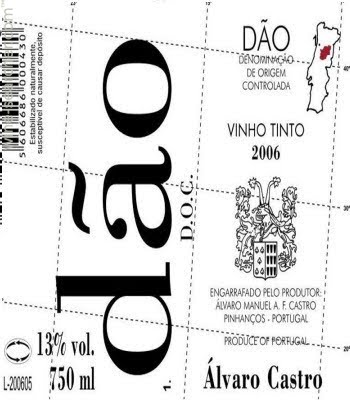
a-castro-tinto-dao-portugalCincuenta kilómetros sur de Douro, es una región protegida del clima del Atlántico por montañas en tres de sus lados lo que le da un clima mediterráneo con un gran potencial vinícola. El 80% de sus vinos son tintos. Los de mejor calidad denominados Dao Nobre (Noble)

Tiene 50 variedades para vinos autorizadas para la región y la mejor es la Touriga Nacional, que es la mas fina en la producción de Porto. Además incluye Tinta Roriz, Alfrocheiro Petro, Jaén, y Bastardo en vino tinto y Encruzado para vinos blancos.

Los vinos lideres son Grão Vasco y Duque de Viseu, ambos rojos de  Sogrape, también están Casal da Tonda, Quinta das Maias, Quinta dos roques y quinta dos Cavalhais

BAIRRADA

Situada al oeste de Dão cerca del Atlántico, Terreno arcilloso La variedad líder es Baga, una uva jugosa y ácida que por ley debe ser el 50% de la mezcla de cualquier vino rojo producido en Bairrada, junto con otras 15 variedades que pueden participar. Cerca del 60% de la producción Espumantes de Portugal es elaborada en Bairrada, incluyendo un espumante rojo que se consume con lechón asado, plato típico de la región. Dentro de los mejores vinos rojos están los de Luis Pato, Caves Sao Joao y Quinta de Carvalhino.

ALENTEJO

Es la región vinífera mas grande de Portugal y cubre la casi totalidad de la zona sur oriental del país. Terreno volcánico con Granito, cuarzo, esquistos y material calcáreo Esa misma zona produce granos, olivas y la mitad del corcho del mundo. Como en las demás regiones, los mejores vinos son los rojos producidos con docenas de variedades de uvas dentro de las cuales están Periquita, Aragonez (tempranillo) y trincadera  Preta. Esta es una zona pobre en la que aun se encuentran vinos producidos en ánforas de cerámica como en los tiempos de los romanos

Los mejores vinos rojos de Alentejo vienen de la zona limítrofe con España  e incluyen José de Souza y Periquita, de JM da Fonseca, Tinto da Ánfora de J. P. Vinhos  y Quinta Do Carmo de propiedad parcial de Chãteau Lafitte Roschild.

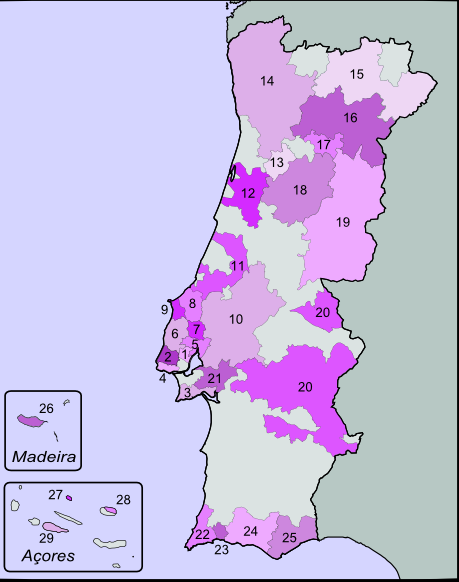
MAPA DE REGIONES VINIFERAS DE PORTUGAL

DOC-DO-ICR


2014Map_Portugal_Wine 

.


.

.

.

.

.

.

.

.

.

.

.

Nombres, sistema de designación y variedades

Portugal Appellation System: VQPRD DOC, IPR, VINHO REGIONAL, VINHO DE MESA 


1. Bucelas DOC

2. Colares DOC

3. Setúbal DOC

4. Carcavelos DOC

5. Alenquer DOC

6. Torres Vedras DOC

7. Arruda DOC

8. Óbidos DOC

9. Lourinhã DOC

10. Ribatejo DOC

11. Encostas de Aire DOC

12. Bairrada DOC

13. Lafões IPR

14. Vinho Verde DOC

15. Trás-os-Montes DO

16. Porto DOC & Douro DOC

17. Távora-Varosa DOC

18. Dão DOC


19. Beira Interior DOC

20. Alentejo DOC


21. Paluela DOC

22. Lagos DOC

23. Portimão DOC

24. Lagoa DOC

25. Tavira DOC

26. Madeira DOC & Maderense DO

27. Graciosa IPR

28. Biscoitos IPR

29. Pico IPR

Portuguese Wine

Portuguese wine is the result of traditions introduced to the region by ancient civilizations, such as the Phoenicians, Carthaginians, Greeks, and mostly the Romans. Portugal started to export its wines to Rome during the Roman Empire. Modern exports developed with trade to England after the Methuen Treaty in 1703. From this commerce a wide variety of wines started to be grown in Portugal. In 1758, one of the first wine-producing regions of the world, the Região Demarcada do Douro was created under the orientation of Marquis of Pombal, in the Doujhro Valley

Portugal has two wine producing regions protected by UNESCO as World Heritage: the Douro Valley Wine Region (Douro Vinhateiro) and Pico Island Wine Region (Ilha do Pico Vinhateira). Portugal has a large variety of native breeds, producing a very wide variety of different wines with distinctive personality.


Appellation system

The appellation system of the Douro region was created nearly two hundred years before that of France, in order to protect its superior wines from inferior ones. The quality and great variety of wines in Portugal are due to noble castas, microclimates, soils and proper technology.

Official designations:

  • Quality Wine Produced in a Specific Region (QWPSR) or VQPRD Vinho de Qualidade Produzido em Região Demarcada.These are the most protected wine and indicates a specific vineyard, such as Port Wine, Vinhos Verdes, and Alentejo Wines. These wines are labeled D.O.C. (Denominação de Origem Controlada), which secures a superior quality.
  • Wines that have more regulations placed upon them but are not in a DOC region fall under the category of Indicação de Proveniência Regulamentada (IPR, Indication of Regulated Provenance) Regional Wine – Vinho Regional carries with it a specific region within Portugal.
  • Table Wines – Vinho de Mesa carries with it only the producer and the designation that it’s from Portugal.


Grapes

Vineyards in Vinho Verde Demarcated Region in Minho, Portugal

Portugal possesses a large array of native varietals, producing an abundant variety of different wines. The wide array of Portuguese grape varietals contributes as significantly as the soil and climate to wine differentiation, producing distinctive wines from the Northern regions to Madeira Islands, and from Algarve to the Azores. In Portugal only some grape varietals or castas are authorized or endorsed in the Demarcated regions, such as:


(1) Fuentes: Karen MacNeil, Wine Bilble, Internet y artículos de especialistas

.o0o.o0o.o0o.o0o.

Posted in General, Meeting Abstract, Wine - Vino - Vinho, Wine Regions | Tagged , , | Leave a comment

Los medicos recomiendan una sola copa de vino

Una sola copa por dia

Posted in Humor | Tagged , | Leave a comment