The purpose of this tasting is to explore the wines from the Ribera del Duero Region in Spain. This is one of the best wine regions in Spain and could very well be among the most renowned Dos in the country, but in fact, it is one of the de least known. The Tempranillo wine is the main product.
We will taste one white Albariño and three 100% Tempranillo reds and have the opportunity to compare wines from different wineries.
The Duero River Valley houses wine-producing areas such as Ribera del Duero, Toro, and Rueda.
The Ribera del Duero is one of the best wine regions in Spain. It would deserve to be among the most recognizable “denominaciones de origen” in the country. Rioja may be the most famous region in Spain, but Ribera del Duero is no slouch.
The region is isolated by the mountains that protect it from any maritime influence. It comprises 2.000 hectares of vinyards in the provinces of Burgos, Segovia, Soria and Valladolid. The local climate is ideal for Tempranillo, known locally as Tinta del Pais, IT which is the most prestigious wine in Ribera del Duero. Cabernet Sauvignon and Merlot are increasingly used in modern red blends.
The popularity of the local wines slipped drastically in the 1970s. Extremely long barrel aging and old winemaking practices made the wines extremely inconsistent. With modern winemaking practices and attention to detail, these wines are now becoming as consistently remarkable as they should be.
In recent decades, the Ribera del Duero has become a magnet for skilled winemakers from around the world. Hot, dry days and cool nights here can produce concentrated and lively red wines. Its 250+ wineries look for their own differentiated wines, expressing all the nuances of the terroir and variety of the Tempranillo grape.
Some facts about Ribera del Duero:
archaeological presence of wine dating 2500 years ago; in 17 th and 18 th centuries, wines from the region were exported; 99% of wines produced are red wines; Ribera del Duero wines are known for being strong, dark-colored wines filled with dark fruit, tobacco, and vanilla; There is not one, but many Templanillo “types” from la Ribera del Duero.
The Wines
1. LA CAÑA Blanco, 2021
La Caña is a white wine that Jorge Ordonez and his winemaking team craft to demonstrate the potential that Albariño shows as a serious, high-quality wine. He was the first person to export this variety. La Caña demonstrates the complexity, intensity, and longevity Albariño can achieve when sourced from old vineyards and using good winemaking practices.
Hand-harvested and stored in small baskets. 25% fermentation by indigenous yeast in French oak. 75% fermentation in stainless steel tanks.
Aged 8 months sur lie in the fermentation vessel. 25% in puncheons and demi-muids and 75% in stainless steel, with battonage.
Wine Enthusiast called Rías Baixas Albariños, “some of the world’s most elegant white wines”, and La Caña is one of the region’s prevailing specialists. The Albariño is aged for eight months on the lees (sediment), adding a silky polish. Partly aged in stainless steel and partly in oak, the finished wine boasts a fine balance of depth and fruit purity.
2. MALLEOLUS 2017
Of a deep mature cherry color, this wine, by Emilio Moro, stands out for the intensity and quality of the sensations it offers. From black fruit aromas to strong and mature tannins that fill our mouth.
The 2017 Malleolus is pure Tempranillo from small parcels (in Spanish "majuelo" and in Latin "malleolus") of vines aged between 25 and 75 years. Yields were reduced by 50% in 2017, so it is a very unusual vintage. It matured in French oak barrels for 18 months.
Very expressive, aromatic, and fresh, without excess ripening and with fruit in the foreground and the oak neatly folded into the fruit. It is juicy, medium to full-bodied, perhaps as concentrated as others, but balanced, with fine-grained tannins. R. Parker, 93 pts
3. CONDADO DE HAZA, 2018
Lots of body, well integrated acidity, well-rounded tannins providing volume and persistence on the palate. The licorice aromas are present on the aftertaste. Ideal for accompanying all kinds of meat.
Clean and brilliant with an attractive black cherry color and purple undertones. Quite intense aromatics revealing ripe red berry and black fruits. A fleshy, silky entry on the palate with perfectly integrated acidity and very pleasant, gentle tannins. The oak is very nicely integrated, expressing notes of toast and vanilla, characteristic of a wine aged in American oak barrels. A medium to long finish.
Great with rice dishes, white and red meats, roast suckling lamb or suckling pig.
4. ORIGINAL – PICO CUADRO 2016
Riper, darker, and more concentrated. It shows more rusticity and black rather than red fruit. It has abundant, fine-grained tannins. Would pair beautifully with cured meats, smoky cheeses, or grilled veggies, such as eggplant.
Original is a tasty and opulent wine that reveals notes of ripe black fruits, flowers, and sweet balsamic touches that are very well proportioned. The wine has great depth with captivating and generous tannins. Very balanced, it offers a long and delicious finish. This is typically the kind of wine you need to enjoy with a beautiful perfectly grilled prime rib. Robert Parker 90 pts.
CV Members Rating – It will be posted after the tasting
View the full evaluation here:
Best Rated Wine: Malleolus Emilio Moro
Best Buy: Albariño blanco.
References: Several sites provided by Google.
ALGUNOS OTROS VINOS MÁS CONOCIDOS DE RIBERA DEL DUERO
8000 MARQUÉS DE BURGOS
Es un vino con el que las archiconocidas Bodegas LAN demuestran que su presencia en Ribera del Duero no es ninguna aventura.
ALEXANDER VS THE HAM FACTORY
Un vino creado para dejarlo envejecer y comprobar cómo mejora en botella en los próximos diez años. Crianza de año y medio en barrica de roble y al menos seis meses más en botella. Su producción es limitada.
ALTOS DEL ENEBRO
Un clásico ajeno a modas del mercado y muy centrado en la identidad vitivinícola de la Ribera del Duero. Con mucha dedicación en la selección de la uva, 100% Tinto Fino, de 18 meses en barrica y con edición limitada y numerada.
ANTÍDOTO
10 años cumple ya este vino especialísimo. Un 100% Tinto Fino Soriano, con doce meses de crianza en barrica, apto para todos los días. Proviene de cepas de entre 80 y 100 años, cosechadas a mano y distribuidas en unas 350 pequeñas parcelas de viñedo.
CARDELA CRIANZA
Elegancia y sutileza. Es lo que ofrece Bodegas Bohórquez con este vino a la vez fresco y vivo, bernet- Sauvignon y un 3% de Merlot, pasa su crianza de doce meses en barrica.
CONDADO DE ORIZA GRAN RESERVA
Elaborado con uvas muy selectas, procedentes de viñedos de cuarenta años, el Condado de Oriza Gran Reserva encarna a la perfección la evolución de los Ribera del Duero en las últimas décadas. Sus diez días de fermentación a temperatura controlada logran que la Tempranillo ofrezca todos sus matices. Se perfecciona después con 24 meses de permanencia en barrica de roble francés y americano y otros 36 meses en botella.
GRAN ARZUAGA
Un vino creado a partir de cepas centenarias de Albillo y Tempranillo, combinadas con Cabernet-Sauvignon. Es por tanto un vino de gran madurez y equilibrio, con una elaboración prácticamente artesanal. Su finura la alcanza tras veinte meses de crianza en barrica.
LA LOBA
Una joya elaborada con Tempranillo de viñedos centenarios. La climatología, a priori adversa para el viñedo, en realidad se configura como un condicionante definitorio de la personalidad de estos vinos.
PEÑAFALCÓN SIGLO XI
Este vino es la variedad Tempranillo elevada a obra de arte. Se caracteriza por una larga maceración antes de fermentar, siempre con el objetivo de que la uva se exprese, muestre todos sus perfiles. Sus crianzas en barrica van desde los 14 hasta los 60 meses.
PORTIA
Portia ofrece una gama de tintos 100% Tempranillo de la Ribera del Duero con diversos niveles de crianza. Van desde el Roble, con cuatro meses en barrica de roble francés, hasta el Prima La Encina, con quince meses. Son vinos muy limpios e intensos en aromas.
VALSOTILLO VS
Este Tempranillo es un reserva de 24 meses, durante los que reposa en barricas de roble americano y francés situadas en una bodega subterránea que data del siglo XVI. Se elabora a partir de viñedos seleccionados con más de 80 años y producciones muy escasas. El mayor patrimonio de la Val Sotillo Bodegas es la galería subterránea de más de 1.200 metros cuadrados, que garantiza una maduración en excelentes condiciones.
“”91,063 viewsOct 24, 2015PARKER´S TASTING – THE MAGICAL 20 This has been the largest Bordeaux tasting ever organized and by far the best presentation of wines I have attended. Parker clearly demonstrated, in front of 1100 professionals, why he is who he is…the most influential wine critic in history.””
This presentation was suggested by Juan Luis Colaiacovo. Very instructive. Very interesting and entertaining. You may appreciate it more going to the full screen in YouTube. Happy tasting!
Check this friendly group out. Were you there in the tasting #244? The evaluation of the wines is at the bottom of this post. It also has been included in the post with all information on the wines and their production region as presented by José Brakarz and Ricardo Santiago.
Tempranillo: produces wine moderate in alcohol, moderate to low in acidity, with significant tannins and not particularly fruit forward (72% of the total area under vine in DOCa Rioja).
Most planted grape in Spain in 2021 and third variety for red wines in the world.
It is not a ‘global’ variety: 88% of world production is in Spain.
Recent success in Spain: 19TH century and expansion in the 1980s with the DOs.
Short cycle: buds later/early ripening.
Very yield-sensitive vine (loses phenolic concentration) and very site specific for great wines
Typically powerful, concentrated, full-bodied, tannic wines irrespective of oak-aging, which is common.
Sometimes slightly low acidity. Not particularly fruit-forward.
It is one of the varieties more difficult to identify tasting blindly: Tempranillo has aromas of cherry like Merlot, of red berries of Pinot Noir and species of Syrah – it does not have an aromatic profile unique and distinctive.
Most of the best wines are marked by aging in oak barrels: vanilla, spices, roasted coffee-bean, and leather.
With aging: complexes aromas, silk texture, and distinctive character is revealed
[1] More information on Tempranillo grape and wines can be seen on recent tastings: Tasting #239 March 29, 2022, Wines from Castilla y Leon: Ribera del Duero vs Toro and Tasting #242 June 28, 2022, Spanish Tempranillo Wines
Garnacha Tinta: adds red fruit and alcohol to the blend.
Mazuelo (Cariñena) and Graciano: add color, tannin, acidity, and spicy notes.
Maturana Tinta
DOCa Rioja Aging Requirements for Red Wines
Genérico (Joven or Cosecha): No minimum aging requirement.
Crianza: 2 years before release (Minimum 1 year in barrel).
Reserva: 3 years before release (Minimum 1 year in barrel and 6 months in bottle).
Gran Reserva: 5 years before release ( Minimum 2 years in barrel and 2 years in bottle).
Crianza
Easy drinking style, tend to emphasize fresh fruit above all else and spend less time in oak barrels and bottle than Gran Reserva.
Aromas of strawberries, cherries with varying degrees of toasty, vanilla flavors and aromas from the oak depending on producer and the type of oak. Typically fruity, clean and super quaffable.
Rioja`s everyday wine. As an aperitif on its own, but great with spicy food, whole roasted fish and lasagna. Great with aged sheep`s milk cheeses like Manchego.
Gran Reserva
Made only in the best years. Many bodegas choose to age them much longer than required. Wines of superlative elegance and finesse, ready to drink upon release or cellar.
A complex blend of subtle spice and soft fruit: blackberries, dried cherries, and cinnamon overlain with very developed tertiary flavors: cigar box, leather, wet earth, mushrooms, truffles, and faded flowers.
A special occasion wine. Excellent with fall and winter stews, sautéed mushrooms, duck confit, and chestnut soup. This is wine to linger over and return to over the course of a meal, offering the patient drinker something different with each visit to the glass.
The Wines
1. Marques de la Concordia, Crianza, 2016
The Winery:
The name Marques de la Concordia is a tribute to Don José Abascal (1743 -1821), appointed Marquis of the Spanish Concord of Peru, in 1812, by King Ferdinand VII. He was the Vice-king (Virrey) of Peru between 1812-1861
Producing wine since 1870, their grapes come from the oldest (1929) and highest quality vineyards in Rioja Alta, with their wines aged in French oak.
Rioja Alta extends through the territories between Haro and Logroño, south of the river, Ebro. It is a humid and mountainous zone due to its higher elevation above sea level, with a totally Atlantic climate. Most of its soils are of alluvial earth, and limestone-clay-ferrous.
This altitude slows down the maturity of the grape, a grape that has more acidity, more freshness, less alcoholic strength, and a low average color intensity.
The Wine: MARQUES DE LA CONCORDIA, VINA ALARDE, CRIANZA, 2016
Composition: 80% Tempranillo, 20% Garnacha
Vintage in La Rioja 2016: “Very Good”
The grapes arrive to the winery at the optimum point of ripeness. After a careful selection, the obtained must is fermented at temperature below 28 °C.
Once the fermentation is complete, the wine is transferred to American oak barrels where it is aged for a minimum of 18 months.
Tasting Notes
Appearance: Ruby red, clean and bright color.
On the nose: Ripe red fruits with coconut and vanilla aromas. On the palate: Well balanced and structured with oak nuances. Long and persistent.
Food Match and Temperature
Ideal companion white and red meats, sausages, eggs and cured cheeses.
Serving temperature: 16 °C
2. SIERRA CANTABRIA, CRIANZA, 2017
The Winery:
BODEGAS SIERRA CANTABRIA
Winery located in San Vicente de la Sonsierra between the foothills of the Sierra Cantabria mountain range and the Ebro River
The Sierra protects the estate from the cold north winds.
Fundada en 1870, ha sido de la misma familia a lo largo de 5 generaciones.
Tienen las bodegas: Sierra Cantabria, Viñedos Sierra Cantabria, Señorío de San Vicente y Viñedos de Páganos, todos en Rioja
The Wine
SIERRA CANTABRIA, CRIANZA, 2017
Variety: 100% Tempranillo
Vintage 2017 in La Rioja: “Very Good”
Vineyard: San Vicente de la Sonsierra – Organic
Ageing: 14 months in French and American barrels.
Alcohol: 14.5%
Tasting Notes: Intense Cherry. Fine toasted notes (cocoa and coffee) and ripe fruit expression. Strong at palate, smoky with well balanced toasty notes of oak and fruit
3. MARQUÉS DE CÁCERES, GRAN RESERVA, 2012
The Winery
BODEGAS MARQUÉS DE CÁCERES
Founded in 1970 in Cenicero, La Rioja Alta by Enrique Forner.
Enrique was exiled in France due to the Civil war. He had a wine business in the Rhone and Loire valleys. In 1963 he bought two chateaux in Bordeaux. After returning from exile, he founded the Marqués de Cáceres. The winery today is managed by his daughter Cristina Forner.
Marqués de Cáceres has also a winery in Rueda.
Vineyards located in Rioja Alta and Rioja Alavesa, particularly in the town of Cenicero.
Many vines are over thirty years old, and the vineyards are monitored and supervised by the winery technical teams.
The Wine:
MARQUÉS DE CÁCERES, GRAN RESERVA, 2012
Variety: Tempranillo (85%), Garnacha Tinta (8%), and Graciano (7%)
Vintage 2012 in La Rioja: “Very Good”
Special selection of old vines of Tempranillo from Rioja Alta and Rioja Alavesa, aged between 65 and 85 years old. Very low yields of between 3,000 and 4,500 kg/ha. Garnacha from vineyards in Rioja Alta and Graciano is mostly harvested in Elciego.
Harvest: 100% manual
Fermentation: Stainless Steel
Malolatic Fermentation: new French oak barrels
Aging: 24 to 26 months in new French oak barrels and second wine barrels.
Aging in bottle: 4 years minimum before release
Alcohol: 14.5%
4. LA RIOJA ALTA, GRAN RESERVA 904, 2011
The Winery
LA RIOJA ALTA Group
Founded in 1890 in Haro`s Station District (Bairro de la Estacion).
The La Rioja Alta group has other 3 wineries: Torre de Ona (Rioja Alavesa), Lagar D Cervera (Rias Baixa), and Aster (Ribera del Duero).
The Group has 660 ha. of estate-owned vineyards.
Production of grapes under 5,000 kilos per hectare.
Produce own barrels with wood imported from the US (in Haro).
Only winery in the world with two of its wines listed in the Decanter Wines of the Year list (2021).
The Wine:
LA RIOJA ALTA, GRAN RESERVA 904, 2011
Variety: Tempranillo (89%) and Graciano (11%)
Vintage 2011 in La Rioja: ‘Excellent’
Blended from different plots of Tempranillo from vines over 60 years old and from one vineyard for Graciano
Fermentation: Stainless Steel
Natural Malolactic Fermentation: 75 days
Aging: 33 months in four-and-a-half-year-old American oak barrels
Final blend bottled in November 2016
Alcohol content: 14.5%
Club del Vino Participants Wines Evaluation:
References:
Ballesteros Torre, Pedro. Compreender el Vino: Casi todo lo que aún no te havian contado de los vinos españoles. Planeta Gastro, 2021.
Please send your reservations to M. Claudia or Clara Estrada
Tasting Overview
The objective of this tasting is to explore and compare lesser-known wines produced on the Mediterranean Coast of Spain, with grapes such as Monastrell (Mourvedre) grown in the Alicante and Valencia regions, and a white wine made with local native grapes (Callet and Premsal) from the Island of Mallorca.
Type of Tasting: Blind
Presenters: Jorge Claro and Cristian Santelices
The wines:
Quibia 2020, Ànima Negra
La Peña de España Tinto 2018, Bodegas El Angosto
Tarima Hill Old Vines 2017, Bodegas Volver
El Sequé Alicante Tinto 2019, Bodegas y Viñedos Artadi de Laguardia
Menu:
Seared scallops salad
Gazpacho soup
Breaded eggplants
Lamb and potatoes
Dessert
Participants:
J. Brakarz, J. Claro; R. Connolly; M. Fryer; A. & C. Perazza; J. & L. Redwood; J. Requena; J. Sanchez; C. Santelices; R. Santiago, G. Smart; and G. Zincke.
Wines from Mediterranean Spain
Spain is a country with more than 500,000 square kilometers (some 20% bigger than the State of California). The country enjoys a fascinating and diverse landscape including the Atlantic and Mediterranean coasts, dry plateaus, and the Pyrenees mountains. All Spain’s 17 administrative regions produce wine, including the Canary Islands and the Balearic Islands.
The Valencia Region
One of the regions in the Mediterranean coast is the Comunidad Valenciana, or simply Valencia. Located a few hours south of Barcelona, Valencia is responsible for 5% of Spain’s enological output and is the fourth most widely planted of the country’s 17 autonomous regions.
The Valencia Region is sometimes referred to as the Levant, meaning the “getting up place,” as it stands at the eastern edge of the Iberian Peninsula, where the sun rises first. However, the Mediterranean Sea is a primary influence on the region. The Mediterranean Spain’s enchanting Valencian Community region has long been known for its beaches, seafood, and oranges. Nevertheless, its unique wines haven’t always won the easy notoriety of regions like Rioja or Priorat—but once and for all, moving past its former reputation as a producer of bulk wines, it’s fast becoming a region to watch, for its spicy, uniquely Spanish reds.
Valencia is a complex Comunidad autónoma to summarize, because it is topographically and geologically diverse, and cultivates several varieties, creating various subregions. Climatically, the area is rather hot with low rainfall. However, the heat weather is mitigated by regular sea breezes along the coast and higher elevations in the west. Though the entire region is classified as Mediterranean in climate, the western reaches of the Comunidad skew continental, with less humidity and broader diurnal swings. The soils are generally characterized by varying sand, limestone, and clay combinations.
Valencia’s boundaries encompass three distinct Denominations of Origen (DO): Alicante, Utiel-Requena, and Valencia, with Alicante the furthest south and Utiel-Requena the most inland.
Alicante
Alicante is a port city in southeastern Costa Blanca and a municipality in the Valencian Community. Alicante is historically a land of vineyards and wines with traces of the Phoenicians and Romans since at least 1,100 BC when Phoenicians established themselves in the area of Cadiz. Also, it is the most historically celebrated of Valencia’s Dos, due to the ancient fame of its Fondillón. In addition, the dessert wine Fondillón, based on Monastrell (Mourvèdre), has been exported for centuries and is enjoying its renaissance.
Along the eastern coast of Alicante, one can find La Marina, a subzone known for its perfumed, sweet white wines made from Moscatel de Alejandría; other white grape varieties include Merseguera and Malvasía. The drier, more extreme climate to the west is home to Monastrell, which accounts for 75% of total DO vineyard plantings. Other major red grape varieties include Garnacha Tintorera and Bobal, a thick-skinned black variety native to the Levante (the eastern edge of the Iberian Peninsula).
Alicante has the fewest vines in the ground, but that wasn’t always the case. In 1877, after phylloxera tore through France, a preferential trade arrangement with Spain was signed that ushered in an era of rapid growth for the Spanish wine industry. This was effectively canceled in 1892 when Alicante had 93,000 hectares of vines in the ground. Taking this deal off the table decimated the area viticulturally and financially, and the region retreated to its Fondillón and bulk wine. The first signs of rebirth wouldn’t be seen until 100 years later, in the 1990s, triggered by the rise of the boutique winery model and the sudden popularity of rich, dry Monastrell from the neighboring regions of Yecla and Jumilla. As a result, Alicante DO has gained popularity and respect for its new light, fresh wines, and interesting varietal reds produced by pioneering bodegas.
The Monastrell grape
Monastrell or Murviedro, known in France and the United States as Mourvèdre—and in Australia as Mataró—this full-bodied, spicy, tannic grape shows intense black and red fruit supported by secondary earthy flavors of dried herbs and meat. A popular blending partner of Grenache and Syrah in France’s Rhône valley, Mourvèdre/Monastrell sees one of its most sui generis varietal expressions in Alicante’s Mediterranean terroir, where hot days allow for optimal ripening, dry conditions challenge the vines and concentrate the fruit, and limestone-dominant soils ensure acid structure and ageability, which also balance the grape’s tendency towards muscle and high alcohol.
Mourvedre is a meaty and full-bodied red wine. Mourvedre’s smell is an explosion of dark fruit, flowers like violet, and an herbaceous aroma of black pepper, thyme, and red meat. Mourvedre wine can have a gamey taste in regions such as Bandol, France, and Jumilla, Spain. Some believe the unctuous aroma in many Mourvedre wines is partially due to a wine fault called reduction. Because of this, Mourvedre benefits from decanting and is best enjoyed at around 67-71 °F.
Thought to have been brought to Spain in Ancient times by the seafaring Phoenicians, Monastrell remains one of the country’s most planted grapes, claiming 150,000 of the world’s 190,000 acres of the grape. In Alicante, it can be found in two subregions: La Marina in the north, where the cooling influence of the sea tempers the area’s intense heat, and in Clásico, inland to the southwest, which includes the region’s namesake city. Further away from the Mediterranean, this latter sub-region is marked by minimal rainfall and borderline-arid summers—a situation where Monastrell thrives, especially in its bush vine incarnation.
The name Monastrell suggests that monks may have cultivated and spread the variety. Archaeological evidence put a semi-cultivated vine in Murcia some 5,000 years ago, actual cultivation in the Iberian period (5th-6th centuries BC), and larger-scale development by the Romans. Thankfully it has survived over time and today has been restored, as we will see, to its full splendor.
In general, the Monastrell producing vineyards are not watered, and vines are grown in the traditional vase shape, except for a few areas (at lower altitudes in Yecla and Bullas) with espaliered, irrigated vines. The well-aired stocks are fairly disease-resistant, and their late budding shoots prevent spring frost damage. The medium-size, compact bunches bear small berries, which ripen late and at harvest show a high sugar content, allowing for a volume of 13 to 14.5º. The vines have also adapted very well to different yet consistently poor soils. The sandy soils of Jumilla kept the ubiquitous phylloxera from spreading widely, and as a result, some ungrafted Monastrell vines have survived. However, to carry the specific DO Monastrell label, wines must contain 85% of this variety.
Mallorca Island and its Native Wine Grapes
Mallorca immediately evokes the blue waters and white sands that frame Spain’s largest Balearic Island. Located just 170 km off the eastern Spanish coast, Mallorca is home to roughly 900,000 residents. This number swells each summer when over 10 million vacationers descend on the island.
With such a large market to satisfy and fewer than 2,000 hectares of vineyards, it’s no wonder that little wine leaves the island, and over 80% is consumed locally. This partly explains why you may have never heard of Manto Negro, Callet, or Prensal Blanc (aka Moll).
Mallorca’s wine was once significant. As phylloxera ravaged France in the 1870s, the Mediterranean Sea kept the island’s vines safe for about 20 years. Mallorca had 75,000 acres of vines in 1891 – nearly 2/3 more than Napa County has today. Mallorca’s wine was shipped to France and relabeled as French. Mallorca’s vineyard area today pales in comparison to its past. Devastated vineyards were often replaced with crops such as almonds or apricots, while the rise of tourism in the 1960s delivered another blow to wine production. A new generation was incentivized to turn their back on grape growing and invest in construction or the hotel trade.
Mallorca wines hit all the enophile’s sweet spots. You’ve never heard of Indigenous grapes that aren’t grown anywhere else (Mallorca is like the Galápagos of grapes.) Minerality from the salty air. White wines are made from red grapes. Moderate alcohol. Cooler climate than you realize. In short, good Mallorca wines are delicious and guaranteed to stump your sommelier friends.
Callet grape
This red grape variety comes from the island of Mallorca (Balearic Islands, Spain); according to a dialect, the name means “black.” Callet clusters are large and relatively compact. The grapes are of a medium/large size, globe shape, bluish-black outer color and inside, with a very weak pigmentation, virtually non-existent. The color is not dark but shooting bright ruby, clean, medium layer. On tasting it, it will look medium-bodied, refined, and elegant.
The late-ripening vine is generally resistant to drought and diseases but susceptible to sour rot. It produces light red, rustic red wines with moderate acidity and alcohol content and an earthy aroma. On the Balearic Islands of Mallorca, the variety is often grown in mixed sets with the Fogoneu variety and blended with the latter and Manto Negro.
DNA analyses carried out in 2011 resulted from a probable natural cross between the Callet Cas Concos x Fogoneu varieties, which also come from Mallorca. Curiously, the Fogoneu, was the most planted grape on the island in the latter part of the 19th century and early 20th century. It was when vineyards in France were attacked by phylloxera, and Mallorca benefited from it, as it produced and exported a lot of wine to the neighboring country. Much of this wine came from the Felanitx area and was shipped from its port, Porto Colom. The name of Porto Colom comes from the Latin Portu Columbi (“dove harbor”), a name the Romans gave for the great abundance of these birds that were raised there.
The ideal is to plant Callet in poor soils of negligible thickness and stony. However, if the soil is very fertile, a lot of vegetative growth will be generated, and the grape’s ripening will be complicated. On average, this variety is more productive in kilograms than the other autochthonous grape. The aromatic potential and color intensity are medium, and the wines obtained will also have a medium layer. On the other hand, although Mallorca is a warm area, the alcohol content is relatively low, around 11.5 / 12 % of alcohol.
In the case of elaboration based on old Callet vines, the wines will be very aromatic and expressive. The predominant aromas will be red fruits, raspberries, cherries, and blackberries, sometimes with floral or anise touches. As we have already mentioned, they do not develop a high degree of alcohol, which is one of the characteristics that does not make this variety very easy to work with. Some compare it to Pinot Noir.
Prensal grape
This white grape variety originates in Spain. Synonyms are Moll, Moll Binisalem, Moll Encin, Pansal Blanco, Pensal, Pensal Blanco, Penzal Blanco, Premsal (second main name), Premsal Blanco, Premsal Blanca, Prensal, Prensal Blanc and Prensal Blanco. The medium-maturing, the high-yielding vine is susceptible to powdery mildew. As a result, it produces fine-acidic, fruity white wines mainly used as blends. The variety is registered on the Balearic Islands in the DO Binissalem (Mallorca).
As the workhorse white grape of the Mallorca Island, the productive Prensal Blanc (aka Moll) dominates the wines from DO Binissalem, making up at least 50% of the blend. It’s also the second most planted grape and is often used to produce easy-drinking wines with lower acidity levels for early consumption. The grape ripens quite early and quickly drops its acidity if harvested too late.
The Wines’ Technical Sheets
Quíbia 2020
Wine Name
Quíbia 2020
Varietal
Other White Blends
Winery
Ànima Negra
Grapes
60% Callet, 30% Premsal, 10% other local grapes
Origin
Mallorca, Spain
Aging
4 months in Stainless steel tanks
Year harvest
2020
Alcohol %
11.5 %
Color
Lemon with greenish highlights
Soil type
Limestone
Altitude
100 m
Climate
Mediterranean
Harvest time
September-October
Awards
89 pts., Wilfred Wong
Vineyard Notes
Ànima Negra was founded in 1994 when two self-taught friends — Pere Ignasi Obrador and Miquelàngel Cerdà — decided that the wines of their native Mallorca weren’t reaching full potential. Taking advantage of some unused milk tanks at the dairy farm owned by Pere’s family, they made two barrels of wine from Callet grapes (a native Mallorcan varietal) they’d purchased from local farmers. The initial results were so encouraging that the friends decided to form a partnership and continue pursuing their newfound passion for wine. Situated in the southeast of Mallorca, Ànima Negra winery produces its wines on the old country estate of Son Burguera, close to the town of Felanitx. Ànima Negra sources its grapes from more than 135 carefully selected parcels of land that the partners own or control. Virtually all these parcels are within a six-mile radius of the winery, and most of the vines are 50 to 85 years old. Natural farming is prioritized at Ànima Negra. The vines are dry-farmed and are not fertilized, helping to ensure they produce small, concentrated fruit. Chemical insecticides and herbicides are avoided in favor of biodynamic practices, and indigenous yeasts are used for almost all fermentation. The resulting unique, elegant wines have garnered worldwide praise and earned a loyal following among fine wine enthusiasts worldwide. In 2010, the Slow Food Movement honored Ànima Negra with induction into the Ark of Taste.
Winemaker Notes
Quibia gets its name from an aspirational worry-free state of mind. The wine is the brainchild of Miquelangel Cerda and his partner, Pere Obrador, celebrating the versatility of the indigenous red grape, Callet, the common thread of all their wines. The Callet lends texture and tartness. The Premsal adds roundness while Giro Ros gives the backbone of acidity.
The color is an enticing straw lemon with greenish highlights. Quíbia has white peach, pear, sea brine, and jasmine aromas. The wine is weighty with a silky olive oil texture and concentrated flavors of ripe peach, Anjou pear, and capers on the palate. Crisp, lively, and well-balanced. This wine pairs beautifully with bay scallops, langoustines, mussels in a butter broth, and seafood paella.
Bodegas El Angosto is owned by the Cambra family, located in Santa Rosa. The vineyard is worked in a reasoned way (by limiting any use of chemicals) and harvested by hand. The estate’s vines are spread over two separate properties: Santa Rosa and El Angosto. These are sloping terroirs with sandy soils, poor organic matter, and many limestones. This environment is ideal for developing the vine in depth from the root. As a result, the wines produced are of rare elegance and concentration for such prices. The press around the world embraces the great value of these superb wines. Angosto Cellar is the story of the Cambra family, and now it is the 4th generation, well known for their effort, perseverance, and know-how. Since 1905 Viveros Cambra has been the leading supplier of grafted grapevines for the region of Valencia in southwest Spain. Their practices of carefully selecting bud wood and rootstock material available and clonal selection, without forgetting the native varieties, closing the cycle of cultivation of the vine. Rhone Blends with bold fruit flavors and accents of sweet spice, Grenache, Syrah and Mourvèdre form the base of the classic Rhône Red Blend, while Carignan, Cinsault, and Counoise often come into play. Though they originated from France’s southern Rhône Valley, with some creative interpretation, Rhône blends have also become popular in other countries. Somm Secret—Putting their local spin on the Rhône Red Blend, those from Priorat often include Merlot and Cabernet Sauvignon. It is not uncommon to see Petite Sirah make an appearance in California.
Winemaker Notes:
Deep ruby color with violet reflections. The aromas of fresh red fruit, blue flowers, and spices stand out on the nose. In the mouth, it’s vast, round, and tasty. Hyacinth, violets, and lavender are among the many floral notes of this redolent wine. The palate has a sense of purity, with the tangy acidity highlighting the bright, dark-fruit tones. Medium-long on the finish. This delicious and food-friendly red wine offers versatility while over-delivering on the price. Pair this with sausage on the grill, stewed red meats, and roasted vegetables.
The project of Bodegas Volver was founded in 2004, by Rafael Cañizares, an enologist by training and viticulturist through his family tradition of four generations bound to the vine and wine. The pillars of the bodega are based on the repositioning of quality Spanish wines and recovering old indigenous vineyards, which had been lost, either through low production or lack of generational succession. The vineyards were created using grapes from multiple vineyards in towns throughout the Vinalopo region: Pinoso, Salinas, El Maña, and Monover. Planted between 1935 and 1970 when traditional unirrigated viticulture produced 1.5 kg per plant.
Winemaker Notes:
Cherry color with a hint of intense ruby. The mature nose fruit contains raspberries, blueberries, spices, balsamic hints, and flowers’ notes. Tasty in the mouth, balanced and full-bodied. Long finish. Vintage: Characterized by extreme drought, with an average rainfall of fewer than 153.6 liters per meter squared and the region’s microclimate with an altitude of 650 to 750 meters and shallow dry soil which is poor in organic material and full of limestone rocks. Humidity from the Mediterranean breezes. Pairing: Recommended with red meat, game, roast meat, rice, cured cheeses, blue cheeses
Committed to the quest of producing unique wines with identity, winemaker and owner Juan Carlos López de la Calle believes old vines are the key to accomplishing this difficult pursuit. After achieving success in Rioja and Navarra, Juan Carlos went to Alicante for the extreme climatic conditions, disparate soil types, and the old-vine Monastrell indigenous to the region.
El Sequé has been part of the Artadi Group since 1999, when the Mediterranean and, above all, the undergrowth of the area, with poor land and abundant hours of sunshine, seemed to invite them to create great moments with the Monastrell.
Winemaker Notes:
Powerful balsamic notes, mature fruit, unctuous: a fleshy wine that satisfies the identity of the Monastrell variety from the old vineyards of El Sequé. Fresh and forceful wine from Alicante, typical of the Mediterranean style, results from experienced Rioja winemakers with a great spirit of creating new wines, as awarded as those of the parent company. The fruity sweetness of this Sequé and the balsamic nuances show the best properties of a Monastrell, giving it power and warmth. Tasty, robust, meaty, ripe tannins.
Produced from 100 % estate-grown fruit, this wine has an evident Mediterranean influence, with warm and calm nuances of black fruit, soft aromas, and tastes of balsamic and aromatic plants. This is a wine with an authentic Mediterranean character.
Fresh and forceful wine from Alicante, typical of the Mediterranean style, results from experienced Rioja winemakers with a great spirit of creating new wines, as awarded as those of the parent company. The fruity sweetness of this Sequé and the balsamic nuances show the best properties of a Monastrell, giving it power and warmth.
Club del Vino Members’ Ratings
The wines evaluations will be published after the meeting Best Rated Wine & Best Buy
To learn about the Tempranillo grape variety grown in Spain and to taste four (4) Tempranillo wines produced with different maturation methods: Joven, Crianza, Reserva and Grand Reserva.
Presenter: Jaime Estupinan
Menu
– Plate of salad, Serrano ham and salami. – Ravioli in tomato sauce. – Broiled stake and broiled vegetables. – Plate of cheeses.
Wines
1. Vecordia Ribera Del Duero Roble, 2020 Joven, (Vecordia).
2. Asua Rioja, 2016, Crianza, (Asua).
3. Marques De Cáceres, 2016, Rioja, Reserva, (Marqués de Cáceres).
4. Latitud 42, 2010, Rioja Gran Reserva (Latitude 42).
Participants
Tarcello Averbug; Jorge Claro; Ruth Connolly; Clara Estrada; Jaime Estupiñán; Michelle Fryer; Agilson Perazza; Claudia Perazza; John Redwood; Lucía Redwood; Jorge Requena; Jairo Sánchez; and German Zincke.
About Tempranillo: Grapes, Wine, Region, and Pairings
Learn about Tempranillo: Grapes, Wine, Region, and Pairings, written by the Master Class staff. Last updated: Aug 4, 2021. By James Suckling:
Tempranillo is a red grape variety that is the third most-planted wine grape in the world. It is especially popular in Spain, where it is the primary grape of the red wines of Rioja. Because it is often blended with other grapes, tempranillo does not have the name recognition of other famous red grapes like merlot or pinot noir, but it has a long history in Spain of making complex, long-lived wines.
Tempranillo is the main grape of the famous, lush, American-oak aged reds of Rioja, Spain. Spanish wines have long been among the best values in the world, and tempranillo-based wines, with years of age, can be found for a fraction of the price of similarly pedigreed wines from Bordeaux or Napa.
What Is the History of the Tempranillo Grape?
Tempranillo is an old grape, dating back to at least the ninth century. Tempranillo originated in the Iberian Peninsula and the vast majority of plantings are still in Spain, although it is also an essential component of the Port wines of Portugal. Tempranillo has spread to Spanish-influenced new world wine regions like Mexico and California. Tempranillo’s name likely comes from the Spanish temprano, meaning “early,” as the grape ripens a few weeks before other grapes in Spain.
What Are the Characteristics of Tempranillo?
Tempranillo grapes have moderately thin skins which result in a ruby-colored wine. Tempranillo is medium-bodied on its own as a single varietal, but it is often blended with garnacha, mazuelo, and graciano grapes to make a more full-bodied wine. Tempranillo has low-to-medium acidity and smooth tannins. Tempranillo wines are usually moderate in alcohol. The best examples of tempranillo can age for decades.
Where Is Tempranillo Grown?
Tempranillo is a hardy, productive, and adaptable vine that likes sandy, chalky, clay or limestone soils. Although it does well in hot weather, tempranillo can also withstand climates cooler than many other Spanish red grapes.
Northern Spain. Tempranillo is well-suited to the slightly cooler, high altitude areas of La Rioja Alta and Rioja Alavesa in central northern Spain. Northern Spain is also home to warmer areas that have a large diurnal temperature difference (difference between daytime and nighttime temperatures), which allows tempranillo grapes to ripen while hanging on to their acidity, which is naturally on the low side. Northern regions where Tempranillo thrives include Navarra (adjacent to Rioja); Toro, where it is called tinta de toro; and Ribera del Duero, where it is called tinto fino. Tempranillo is also found in Catalonia on Spain’s border with France, where it is called ull de llebre.
Central Spain. South of Rioja, in the central Spanish wine regions near Madrid, tempranillo is called cencibel. Unlike many Spanish red grapes, tempranillo does not accumulate too much alcohol in warm climates, so it can be grown in hot areas like Valdepeñas in La Mancha, where it is often blended with late-ripening cabernet sauvignon.
Portugal. Tempranillo is the most planted grape in Portugal, where it is known as tinta roriz(in the Dão and Douro regions) or aragonês (further south in Alentejo). The tempranillo grape is, along with touriga nacional and touriga franca, one of the main grapes used in the production of Port, Portugal’s historically significant fortified wine.
Because of its adaptability to various temperatures and soils, growers are experimenting and having success with tempranillo grown in newly popular regions such as Texas, Monterey in California, and in northern Mexico.
What Kinds of Wines Are Made With the Tempranillo Grape?
Although rare varietal wines made from tempranillo do exist, the grape is most often made into a blended red wine. In Rioja, tempranillo is the primary grape used in a blend that also includes mazuelo (also known as carignan), garnacha, and graciano. Those grapes all work to add body and structure to the tempranillo.
Some producers in Rioja are making rosé from the tempranillo grape, but this is a relatively new phenomenon.
In Portugal, tempranillo is used to make Port, where it is blended with the red grapes touriga nacional and touriga franca and then fortified. These range in color from deep ruby to tawny depending on age, but all are sweet and high in alcohol.
What Are the Classifications of Tempranillo Wine?
The most expensive and ageworthy tempranillo wines are made in Rioja. The Rioja DO (denominación de origen) wines are classified by the length of time they have spent aging, rather than a classification based on vineyard sites like in Burgundy. The best producers will age their wines longer than the minimums required by the Consejo Regulador, the group that governs the DO classification system. Wines from Rioja labeled “Joven,” or young, have not spent time in barrel and are not part of the classification system.
These aging requirement are:
Crianzawines are aged for a minimum of one year in barrel followed by one year in bottle.
Reservawines are aged for at least one year in barrel, followed by bottle aging that brings the total aging to at least three years before the wine is released.
Gran Reservawines are aged for a minimum of two years in barrel and three years in bottle before leaving the winery. These wines are ready to drink upon release but can age for decades longer.
What Does Tempranillo Taste Like?
Unfortified wines made from tempranillo are almost always dry. Tempranillo is known for its plush texture and complex aromas and flavors that range from savory to fruity to woody.
Some of tempranillo’s savory notes include:
Tobacco leaves
Earth
Barnyard
Leather
Tempranillo’s fruit profile tends toward ripe red fruits, like:
Plum
Strawberry
Cherry
Tempranillo is often aged in American rather than French oak barrels, which give it strong aromas of:
Coconut
Vanilla
Caramel
Dill pickles
Fortified wines made with tempranillo, such as Port, are strong and sweet, with flavors of nuts and caramel or chocolate and berries, depending on the style.
How Do You Pair and Serve Tempranillo Wine?
It’s hard to go wrong with food pairings and tempranillo. The wine’s savory smoothness and fruity finish complement a wide variety of dishes, from grilled meat to tomato sauce-based dishes to paella. Tempranillo’s moderate tannin and acidity can harmonize with spice-laden foods too. At a dinner with multiple pairings, serve tempranillo before more structured reds like cabernet sauvignon. Aged Rioja can be a surprising match with nutty cheeses like aged gouda, which bring out its caramel and truffle notes.
Wines of This Degustation
Vecordia Ribera Del Duero Roble, 2020, (Vecordia).
One hundred per cent Tempranillo red from Ribera del Duero, Spain- Violet-red. Spicy redcurrant and cherry aromas are complicated by cracked pepper, violet and dried rose; very complex for its price point. Supple red fruit flavors are quite sweet, with no obvious tannins. Rated 90+ by Beverage Dynamics. Elegant. ABV: 14.1%, Taste: Spice, Cherry, Medium-bodied.
2. Asua Rioja Crianza, 2016 (Asua).
Wine Advocate 92 -Rioja, Spain – “”…The oak is very subtle and in the background with some spices. It’s aromatic and has a lot of finesse. The palate is juicy and balanced, with the same freshness found in the nose and a dry, serious and chalky finish. Delicious. I love it…””. ABV: 13.5%; Taste: Black Fruit, Wood, Spice, Medium-bodied.
Winery: Asua
Asua was born as a tribute to the founders of Compania Vinicola del Norte de España CVNE, the Real de Asúa brothers. It’s a classic Rioja from a 5th generation family of winemakers that continues to receive critical acclaim and high ratings.
Every wine made at CVNE symbolizes what’s most important to them—tradition, quality and innovation. Their packaging represents the authenticity and origin of CVNE by using an image of the old winery.
Maria Larrea has been the Technical Director at CVNE since 2006. That’s not her only role though as she is also responsible for overseeing the production of Asua, from the vineyards to the development of each wine. Maria grew up surrounded by wine and became a licensed Winemaker.
Asua pairs well with a range of dishes, from red meats to leafy green salads. It’s ideal for sharing at dinner parties and is a great gift for any wine lover in your life.
3. Marqués De Cáceres Rioja, Reserva,2016 (Marqués de Cáceres).
Rioja, Spain- This complex Tempranillo blend offers spicy, earthy aromas with blackberry and red fruits following on the palate. It is well-balanced with a terrific mouthfeel. Style: Elegant; Taste: Blackberry, Medium-bodied, ABV: 14 %.
RESERVA 2016 D.O.Ca. RIOJA Made exclusively from the best vintages GRAPE VARIETIES 90% Tempranillo, 10% other varieties OENOLOGISTS, THE TRADITIONAL WINES RANGE Fernando Costa, Emilio González and Manuel Iribarnegaray VINEYARDS AND YIELDS A selection of old vineyards originating from Rioja Alta and Rioja Alavesa. Low yields, smaller than 5,000 kg/ha. TERRAIN Fundamentally clay-limestone. Plots of Rioja Alta with ferrous subsoil. 2016 VINTAGE Abundant rainfall, specially before sprouting, led to a favorable start of the phenological cycle with a plentiful water reserve. A dry and harsh summer. During September a rise in temperature and hours of sunshine in the midst of ripening, enabled a complete and balanced harvest, producing musts rich in sugars and polyphenolic structure. Vineyards with generous yields reaching optimum ripening without problem. Complete maturing throughout the year, with high alcohol levels, excellent notes of fruit. These wines from selected plots boast a great capacity for ageing. GRAPE HARVEST Harvested by hand, meticulously deciding the optimal harvesting moment for each plot and each variety. VINIFICATION Bunches are de-stemmed of their stalks with the greatest care. Temperature controlled alcoholic fermentation. Prolonged maceration with the skins with the aim of extracting more color, elegant aromas and smooth enveloping tannic structure. Malolactic fermentation in oak barrels and a stainless-steel tanks. Once the malolactic fermentation is finalized, all of the wines move to fine grain French oak barrels. Subsequent racking every 6 months. TOTAL TIME IN BARREL 15 months in French oak barrels, equally divided between new barrels and one and two-year old barrels with 5 monthly racking. REFINEMENT IN BOTTLE Minimum 2 years before its market launch. TASTING NOTES Dark and dense ruby color. Refined and complex aroma with a touch of cherry, vanilla and soft toasted notes. Balanced in the mouth, where the silky and well-defined tannins are combined with exquisite flavors to reveal a pleasant fullness. This Reserve firmly reflects the profile of the Bodegas previous vintages, awarded with several prestigious prizes. Serve at 17ºC.
Winery: Marques de Caceres
In 1970, Enrique Forner founded Marqués de Cáceres, Unión Vitivinícola, S.A., a historic Alliance between a region (Cenicero, La Rioja Alta), an enterprising family that has been devoted to the wine trade for five generations, the best vine growers and vineyards in La Rioja and a Bordeaux concept which revolutionized the production and business model with a single objective: the quality to obtain the best wines, an obsession that today continues to be the leitmotiv of Cristina Forner, the third generation of this distinguished wine family.
Enrique Forner, Cristina’s father, worked in the wine trade as a boy. In 1920, his grandfather and his father founded ‘Vinícola Forner’, a family business devoted to the production, sale and exportation of wines in Sagunto (Valencia).
Exiled in France due to the Civil War, Enrique founded a similar business in 1952, in the Rhône and Loire valleys (France), and in 1963 he bought two chateaux grands crus classés in the Haut Medoc region (Bordeaux), Château Camensac and Château Larose Trintaudon, convinced that he would be able to make some of the world’s finest wines.
He returned to Spain in 1968 and, given that a century before wine-producers and merchants from Bordeaux had chosen La Rioja when fleeing the phylloxera plague, he opted for La Rioja and Cenicero, in the heart of the La Rioja Alta sub-region, to continue his great dream.
Enrique Forner turned to his friend, Professor Emile Peynaud, a true revolutionary of winegrowing and winemaking in Bordeaux in the 1970s and 1980s, in order to steep La Rioja in the same reformist spirit.
At least five generations linked to wine forged the family spirit of Marqués de Cáceres. Enrique Forner, who founded the winery in 1970, learnt the wine trade from his father, who in turn had learnt from his father and grandfather (‘Wine producer Forner’), interrupted in Spain by a period of exile during the Civil War. Cristina Forner, his daughter, key to the internationalisation of Marqués de Cáceres, manages the winery with the pride and experience of one of the great Spanish families for which high-quality wine has never known boundaries, Marqués de Cáceres wines being present in over 120 countries.
A deep conviction in the ideas assimilated by Enrique Forner in France and transferred to La Rioja from 1970 onwards, means that they continue to be the pillars on which Cristina Forner rests Marqués de Cáceres. A spirit based on the production of high-quality wines, that is continually evolving with an established policy of investing in technology and innovation, but indifferent to the passing fashions which distort winemaking from time to time and lose sight of the fundamental objective of this business: offering the consumer a wine that they can enjoy and share with their friends and loved ones, as seamlessly and consistently as the history of Marqués de Cáceres.
The name of the winery was given by an old friend of the family D. Forner Vicente Noguera Espinosa de los Monteros, Marqués de Cáceres and Grande de España.
The marquesado has its origins in the XVIII century and was granted by the King of Spain to the Captain of the Royal Spanish Navy Don Juan Ambrosio García de Cáceres and Montemayor in gratitude for his outstanding services to the Crown in the war of the Kingdom of the Two Sicilies. The current Marqués de Cáceres, D .Juan Noguera is still attached to the Bodega.
4. Latitud 42, Rioja Gran Reserva, 2010 (Latitude 42).
Wine Enthusiast 91 -Rioja, Spain- “Ripe berry aromas are oaky and include a note of woody vanilla. On the palate, this is tight and has a resiny texture from extended barrel aging. Oak-heavy flavors of vanilla and berries finish with chocolate and a medicinal hint.”
Latitud 42’s wines represent the long, multi-generational legacy of its winemaking family and the traditions of Rioja, Spain. The altitude and unique terrain of the vineyards give Tempranillo grapes a natural vibrancy and finesse that only improves with aging.
Latitud 42’s collection of Riojas is rich in dark fruit flavors with hints of chocolate, tobacco and spice. Whether you need a wine to pair with dinner or just crave a taste of Spain, these highly expressive red wines offer the perfect sips.
Winery: El Bodega Latitud 42 de Rioja
La Bodega Latitud 42 is one of the Rioja area. They offer 8 de vines for sale, all of them from Rioja. In situ and on-line sales are available.
To get acquainted with Catalonian Wine Region, main grapes, wines and styles in the Priorat and Penedès “Denominaciones de Origen Protegido” (DOP).
The Region was selected for having international recognition for Spain wine quality, diversity and tradition in grape production and wine-making. Wines were selected with criteria for local availability in Washington DC area and representing Catalonia’s Priorat and Penedès DOPs. Tasting will be blind to wine costs and serving order, to enhance identification of wine quality and attributes.
Catalonia Region
Location. The Catalan wine region is located along the Mediterranean coast in northeastern Spain and is strongly influenced by its Mediterranean climate. Along the coast temperatures are warm with moderate rainfall but conditions become progressively more arid further inland. The majority DOPs lie to the south of the distinctive peaks of the MontserratMassif, while smaller plantations lie to the north of Barcelona and south of the French border at the Pyrenees.
Climate. The region is marked by warm climates along the coast and cooler temperatures through the foothills up to plateaus of more than 610 m. above sea level. The area has a diversity of soil types, mostly calcareous sediments mixed with alluvium and clay. Some of the most acclaimed vineyards in the region are found on scattered limestone deposits in the area.
Catalonia grapes and Wines. The wines of the Catalan wine region include sparkling Cava, dry white wines and powerful reds. The grapes of the region include the Cava and white wine grapes of Macabeo, Parellada and Xarel·lo and the red wine grapes of Garnacha, Cariñena, Monastrell and Tempranillo. The production of sparkling white wine is the largest contributor to the Catalan wine industry, followed by production of still red and white wines. While the majority of the region’s wines are the Cava blends, many varietal wines are also produced.
The Priorat wine DOP is located in the Catalonia region, just inland from the Mediterranean port city of Tarragona. The Montsant mountain chain dominates the region, with vineyards situated between 330 feet above sea level in the valleys of Bellmunt del Priorat and el Molar up to 2,500 feet above sea level on the slopes of La Morera de Montsant and Porrera. This small, geographically inhospitable wine region produces some of the country’s most powerful red wines.
Many vineyards are located on costers (Catalan for “steep slope”) with a typical gradient of 15 and up to 60 percent, so terracing is common, and vineyards are often too steep and narrow for machine-harvesting. The slate soil on the slopes is known as llicorella due to its dark color and is the main feature of the soil’s terroir and the success of its native grapes.
History. The Priorat wine region has a long history, and it first began producing wine over 900 years ago. Priorat’s winemaking history begins in the twelfth century, when Carthusian monks from Provence established their priory, Cartoixa d’Escaladei in the region’s center. In 1980, the Clos, small walled-in vineyard spots meant for producing high-quality wines were introduced. These typically wines are labeled with the names of the individual mini-vineyards, such as Clos Erasmus, Clos Mogador, Clos de l’Obac, Clos Dofi (now Finca Dofi) and Clos Martinet. In the years 2000s Priorat became the second region in Spain, after Rioja, to receive the designation DOCa.
Climate. The climate here is remarkably continental, given its relative proximity to the Mediterranean. The official Priorat viticultural area covers 11 parishes located just inland from the city of Tarragona. Summers are long, hot and dry, and annual rainfall averages 500mm. The particular combination of geographical factors makes this one of Spain’s warmest, driest areas.
Topography and soil. A tiny mountainous region, rugged and dry, pretty much unsuitable for any other crop, except for wine grapes and olives. Soil is of paramount importance to winemakers in Priorat as this is reputed to impart much of the minerality associated with the region’s wines. Priorat’s flagship soil type is “llicorella” – a free-draining, nutrient-poor soil made up of partially-decomposed slate and quartz.
Priorat grapes. Red grape varieties are by far the most popular in Priorat, accounting for 93 percent of plantings: Garnacha (41%) is rich and juicy, it adds body and density to red blends and holds its own as a varietal wine; Cariñena (23%) adds depth, intensity, and fruit flavors to red blends; Cabernet Sauvignon (10%) is permitted in Priorat blends, it can add structure; Syrah (10%) is permitted for blending, it makes for a full-bodied wine and adds earthiness; Merlot (6%) is also permitted in Priorat red blends, it adds a certain roundness; Garnacha Blanca (5%) while white wines aren’t common in Priorat, they do exist, and most come from this light-skinned version of Garnacha; Macabeo (1%) is the second most planted white wine grape in northern Spain, its mild flavor makes it a useful blending grape for cavas and rosés; Pedro Ximénez (0.5%) used in sweet, fortified wines.
Tasting of Priorat wines. Sun-dried red and black plum, black cherry, and cassis (red and black currant) dominate the aroma profile of high-quality Priorat red wine. Beyond the fruit, you’ll notice a distinct, “black stone” or “hard rock” minerality that some experts relate to the iconic llicorella slate soils of the region. The typical structure of Priorat offers soft, moderate acidity matched with big, brawny tannins, and relatively high alcohol (usually in the 14% and up ABV). Additional flavors might include some smoked salt, and spiced notes (cinnamon, cardamom, molasses), often with a somewhat herbal-minty or licorice-anisette finish. The finer the Priorat, the more harmoniously intense and polychromatic the taste profile will be, often traveling through several different stages of flavor (i.e., fruit, to savory, to spiced).
Wine regulations. Current Priorat production laws only recognize a so-called “Vino de guarda” in which a red wine must spend a minimum of 12 months in oak prior to bottling. Most red Priorat wines conform to this standard. Fermentado en Barrica or Barrica indicate the wine has been fermented or aged in barrels of 600 liters or less. The term Roble is often accompanied by the length of time (in months or years) the wine has spent in barrels of 600 liters or less.
DOQ Priorat is pushing a new qualification of wines produced in their wineries.
Introduced in 2019, “Los Nombres de la Tierra” is Priorat’s unique classification system. It has five tiers: 1.-DOQ. 2.-Vins de Vila.3.-Paratge. 4.-Vinnia Classificada. 5.-Gran Vinia Classificada
DOQ Priorat has just over 2.000 hectares of vineyards, grown by 535 producers and 109 wineries. Vine cultivation and wine making are the main economic activities of the appellation’s villages.
Best years: Outstanding (2010, 2004), Good (2013, 2012, 2009, 2008, 2005)
Penedès wine DOP
The most important viticultural area in Catalonia, northeastern Spain, in terms of both volumes produced and the diversity of wine styles. Its Penedès DO title covers dry, sweet and sparkling styles (red, white and rosé). Its vineyards also generate vast quantities of Spain’s flagship sparkling wine, Cava.
Penedès is a former administrative district in the coastal hills between Barcelona and Tarragona. It lies just a few miles down the Mediterranean coastline from Barcelona. Such proximity to Spain’s second-largest city provides the wine industry with a significant local market. It also offers a gateway to export destinations via its busy port.
History. The region’s long viticultural history began when the Romans arrived in the area. The region’s wines attracted little attention, and were rarely exported. It wasn’t until the 20th Century that they began attracting attention on export markets. In 1960 the Penedès DO was introduced, followed almost immediately by sweeping changes in the region’s approach to quality wine production. The introduction of stainless-steel tanks and temperature-controlled fermentations ushered in a new era of cleaner winemaking, complemented by experimentation with non-traditional grape varieties such as Merlot and Cabernet Sauvignon.
Climate. The climate is Mediterranean, with warm summers, mild winters and moderate rainfall concentrated mostly in spring and autumn. Due to the complex topography of the coastal hills, however, there is notable climatic variation from site to site, allowing winemakers to generate a relatively wide range of wine types.
Broadly speaking, Penedès can be divided into three climatic sub-zones: Baix Penedès, lower-lying, warmer areas, and specializes in the production of full-bodied red wines. Medio Penedès is the transitional area between the two. Alt Penedès lies higher up in the hills, between 500 and 800 meters. In the cooler conditions here, the freshest white wine styles are produced
Topography and soil. The region has a highly varied geology characterized by very poor-quality, well-drained soils. The sandy, clay-like soil is poor in organic matter and rocky in the main, the pre-litoral upland. Coastal mountains are mostly limestone.
Penedès grapes. Red Penedès wines have traditionally been made from such classic Spanish grape varieties as Garnacha, Cariñena, Monastrell and Tempranillo but the local winemakers are increasingly turning to the “international” Bordeaux varieties Merlot and Cabernet Sauvignon. The white wines are made from the varieties otherwise used for Cava: Macabeo, Parellada, Xarel-lo, and more recently Chardonnay.
Cava grape varieties. Macabeo makes up around half of a typical Cava blend – not because of its flavor (quite bland), but because it represents a viticultural insurance policy. Macabeo vines bud relatively late in the spring, ensuring that their flowers and grapes are safe from early frosts.
The interesting, slightly earthy flavors that distinguish Cava from most Champagnes are generally attributed to Xarel-lo grapes. Pinot Noir and Monastrell are used to bring red pigment and depth of flavor to Cava Rosado, which may also be labeled as Cava Rosé. Grenache, Malvasia (sometimes called Subirat) and Trepat are also authorized for use in Cava by the Consejo Regulador wine authority, although the latter is allowed only in rosado wines.
Cava sweetness level begins with Brut Nature (0-3 grams/lt of residual sugar, no sugar added), and continue with Extra Brut, Brut, Extra Seco, Seco, Semiseco, and Dulce (more than 50 grams/lt)
Wines
Wine selection. We selected a cava from Penedès and three red wines from Priorat. Cava is core to the success of the Penedès area and red Priorat wine is exceptional for several reasons. First, it is one of very few world-class wine styles to be based on Grenache – a category in which it is joined only by red Châteauneuf-du-Pape and the top-end wines from California’s Sine Qua Non. Second, it is one of only two styles to hold Spain’s top-tier DOCa (Denominación de Origen Calificada) classification. And third, it has risen from being almost unheard-of on the international wine market to being one of the world’s most expensive wines.
Clos Mogador is a vast amphitheatre of crumbling slate. The vines are surrounded by mountains up to 1.200 metres. For the first time in Spain, Clos Mogador, was awarded the prestigious qualification of «Vi de Finca», an additional qualification to the D.O.Ca. Priorat certification. It certifies that all grapes used to make this wine over at least the last five years have been sourced from the Clos Mogador single vineyard.
Wine Advocate (98). Fermented with natural yeasts, slow fermentations with long maceration and long aging. It matured for 18 months in 2,000-liter oak vats and 30% in 300-liter oak barrels. There was a lot of rain in 2018, and it was an atypical year:
Vinous (96). Inky ruby. An exotically perfumed bouquet presents an array of mineral-driven dark fruit liqueur, spice and floral qualities, along with hints of vanilla and pipe tobacco that build as the wine opens up. Sweet and densely packed on the palate, offering intense blueberry, cassis, cherry compote and violet pastille flavors and a touch of cola. Rich yet energetic in character, displaying superb definition, building tannins and outstanding, smoky persistence.
♣ 2017 Ferrer Bobet, Vinyes Velles DOQ Priorat
14.5% Vol. Cariñena (74%) and Garnacha (26%)
Grapes from steep slate hillsides and terraces picked by hand. Selected berry by berry and then transferred to tanks by gravity. Fermentation in 15 and 30 Hl wooden and stainless-steel tanks. Malolactic conversion and aging in fine-grained, medium and lightly-toasted French oak barrels for 15 months. Bottled unfined and unfiltered. Bottle aged for a minimum of 11 months.
Robert Parker’s Wine Advocate (95). In a warmer year, the high percentage of Cariñena has worked wonders; it has herbal and floral aromas and a rustic side but is mostly elegant. It’s beautifully textured, and the tannins are very fine; there is no sense of heat at all, and it has amazing balance and a very tasty finish. The oak is perfectly integrated.
Wine Spectator (94). The medley of black cherry, currant and plum is focused and lively and flanked with tar, smoke and spice undertones. This has depth, freshness and harmony of flavors.
Martinet Bru is mainly sourced from a single vineyard, known as Mas Seró. The soil is stony but the vineyard is cool in terms of climate. It faces the cooling sea breeze and the quality of the soil means this wine is more drinkable and easier to understand than most Priorat wines, affording it hint of licorice, blackberries, rosemary and tannins.
It’s a blend of grapes from three organically farmed. The grapes are picked early but at different times, fermented with some full clusters and, when possible, with indigenous yeasts in concrete vats. It matured in a combination of 4,500-liter oak vats, used 300-liter barrels, amphorae and glass demijohns.
Forward and elegant wine, lovely fresh nose of integrated black fruits and oak, overlaid with minerals and hints of spices in a warm deliciously smooth, fresh, friendly wine, marked tannins and licorice notes on its long lingering finish.
Robert Parker’s Wine Advocate (93). Elegant and fresh, nuanced and clean. It’s very harmonious and feels very balanced, with fresh flavors and very fine tannins. It’s one of the finest vintages for this bottling.
Jeb Dunnuck (91). A juicy, upfront style carrying lots of ripe black cherry and mulberry fruits as well as notes of brambly herbs, licorice, and earth. It’s nicely textured and balanced, has silky tannins.
Bodega Villa Conchi is located in Penedès, Catalonia. The grapes are harvested manually and pressed directly on arrival at the winery. Each variety is fermented separately, then the must is blended and bottled together with the base wine, to which yeast and sugar are added to create the second fermentation. The bottles are kept in underground cellars at constant temperature, in contact with their lees. The Cava is then aged for minimum 12 months in bottle. After this period, the sediments are removed and the liqueur d’expédition is added in order to obtain a Brut style
This cava is balanced and elegant with a refreshing quality. It has pronounced flavors of ripe fruit and citrus notes. Lingering behind on the palate are hints of apple, pear and citrus.
James Suckling (91). Sliced apples and pears with some dried biscuits and minerals. Full-bodied. Layered. Dry finish.
Guía Penin (89). Colour: bright yellow. Nose: ripe fruit, fine lees, balanced, dried herbs. Palate: good acidity, tasty, ripe fruit, long.
References
-MacNeil, Karen, 2015, The Wine Bible, Second Revised Edition, New York, Workman Publishing
-Robinson, Jancis and Julia Harding, 2015, Oxford Companion to Wine, Fourth Edition, Oxford University Press
Menu: Mussels in white wine sauce Risotto with sausage Gnocchi in tomato sauce Beef tenderloin in brown peppercorn sauce Coffee and dessert
Wines:
Reto Bodegas y Viñedos Ponce, 2020
F. Bodegas y Viñedos Ponce, 2020
Ternario 10. Bodegas y Viñedos Venta la Vega, 2017
Ternario 1. Bodegas y Viñedos Venta la Vega, 2019 wines price upon request
-Club del Vino members assessment of wines will post as soon as available
Participants:
Marcello Averbug; Ruth Connoly; Clara Estrada, Agilson Perazza, Claudia Perazza, Jairo Sanchez, Cristian Santelices, Ricardo Santiago. Guests: Erico Silva and Mick Marzella – confirmed up to April 25, 2022.
I. Objective
Get acquainted with the region’s wines and compare wines made from the Albillo, Bobal, and Alicante Bouschet also known as Garnacha Tintorera grape varieties. Two wines come from the same producer for two different years, and their prices are substantially different.
Compare the wines in a semi-blind tasting: the wines are known but not in which order they are poured.
II. Castilla – La Mancha
A. The Region’s place in Spain
Spain may be in a warmer latitude than France, but about 90% of its vineyards lie at altitudes higher than any major French wine region, most of Castilla and León and Castilla-La Mancha. The altitude helps to keep enough acidity to maintain wines relatively fresh.
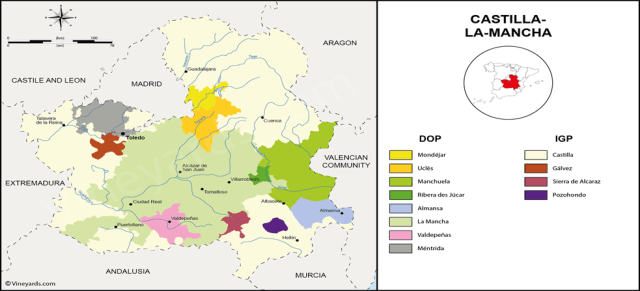
The Castilla and La Mancha region is located in the Meseta Central, also known as the Central Plateau in Spain (see map 1).
The region produces about half of the wine produced in Spain and in the past it produced huge amounts of red and white wine (vino tinto y blanco) of low quality, many of them sold in plastic containers in general stores and supermarkets.
The region’s DO (Denominación de Origen) classified vineyards alone cover more ground than all of Australia’s vineyards put together. The town of Valdepeñas gave its name to a large part of this production, but this has been changing as there are many wine producing areas in the Region .
Source: Wine Scholar Guild
The wine landscape started changing since the late 1990s, switching production from white to red varieties.
An important change came in 1995 when the law officially allowed Spanish growers to irrigate, which has increased yields dramatically. The widespread use of irrigation has encouraged higher density of vine plantings. The rise in yields has allowed regions like La Mancha to machine harvesting; installing wires to train the vines has also helped. With machine harvesting, more harvests are done at night, when temperatures are lower. (Vine training systems utilize the practice of trellising and pruning in order to dictate and control a grape vine’s canopy which influence the potential yield as well as the quality of the grapes. See https://en.wikipedia.org/ting )
By 2005 more than two thirds of production was red wine, much made from Cencibel, a local variety of Tempranillo.
The most innovative vineyard has been the Marqués de Griñón’s near Toledo, which with his Dominio de Valdepusa engineered the first DO Pago. He imported grape varities (including Syrah and Petit Verdot) and new ways of growing and watering vines. Some other bodegas produce good wines from old Garnacha and local Albillo vines.
Now the region has about 12 top wine bodegas (wineries).
The prices range from US$10 to more than US$100 for the best quality wines, which are sold under the Vino de Pago Designation, a relatively new category.
B. Vino de Pago
The Vino de Pago (VP) designation is the highest category of wines, which are produced in a single vineyard area. However, people must be careful when searching for the word pago since some producers use it on their labels without belonging to the category. Ironically, many of these VP producers are located in regions not typically associated with top-quality wine, such as Castilla-La Mancha, Navarra and Utiel-Requena.
This designation cannot be confused with the promotional winery association Grandes Pagos de España, some of whose members, such as Dominio de Valdepusa in Toledo and Arinzano in Navarra, are also members of the VP designation.
As of 2022 there were 19 Vino de Pago estates in Spain, and they have about 70 denominación de origen
Total area planted is about 1,200 has of which Castilla-La Mancha plants 629 has in 11 bodegas. The area in VP is minuscule compared with the 1.2 million has planted in the country. The Rioja region does not participate in the Vinos de Pago scheme.
III. Bodegas, wines selected, grapes
A. Bodegas
Bodegas y Viñedos Ponce, Villanueva de la Jara, Cuenca, Spain
Manchuela, a lesser-known Spanish wine region that is inland from Valencia, is where the Bobal varietal thrives. Known for its thick skins and rusticity, controlling the Bobal’s vigor is what makes for a well-balanced and interesting wine. While there are very few defenders of this region and even fewer winemakers that are dedicated to this varietal, Juan Antonio Ponce stands proud as a master and interpreter of the Bobal grape.Juan Antonio Ponce began his winery in 2005, at the age of 23. He works biodynamically in the vineyard, and in the winery, he takes a natural approach, using low levels of sulfur dioxide. His philosophy is to make natural wines with wild yeast fermentation, to respect the local varietal Bobal and to express its terroir.Juan Antonio Ponce worked as the right-hand man to Telmo Rodriguez at Compañía de Vinos Telmo Rodrigues for 5 years. During this time, he was in charge of winemaking, vineyard management, and other tasks. His father, who owned some land in Manchuela, decided to start this project with him.
Bodegas Venta la Vega-MGWines Group, DO Almansa Wines, Spain
Taken from the company’s website
The Bodegas Venta la Vega is part of several bodegas owned by the MGWines Group. MG stands for Familia Miñano Gómez. MGWines owns five bodegas, one of which is Venta La Vega. The promoter of this idea was Luis Miñano San Valero, an entrepreneur from the province of Alicante. The group consists of wineries with a Mediterranean nature and the bodegas pertain to different Designations of Origin: Alicante, Bullas, Bierzo and Vinos de la Tierra de Castilla. The company promotes autochthonous varieties from the different regions. The main red varieties grown in the vineyards are Monastrell, Syrah, Merlot, Garnacha Tintorera, Petit Verdot and Tempranillo, and the white varieties are Moscatel and Macabeo.Bodegas Venta la Vega is located at the foothills of the legendary mountains of Almansa known as El Mugrón and are the largest single planting of the Garnacha Tintorera (Alicante Bouschet) variety in Europe. The estate where Bodegas Venta la Vega is located includes more than 850 hectares of ecological farmland in the mountainous limestone area of Almansa. Altitudes of 1200 meters encourage the creation of distinct, natural micro-climates that enable the land to be farmed using ecological techniques that do not involve any chemical treatments or additives on the 250 hectares of vineyards. The location has abundant water and excellent soil, with a natural micro-climate that guarantees suitable conditions for ecological production of the singular wines that became part of the MGWines Group as Bodegas Venta la Vega Territorio Ecológico in 2017. The addition of DOP Almansa to the Group’s unique collection of DOs (Regional Designation of Origin) is aligned with its commitment to outstanding wines, native varieties, sustainable projects and respect for the environment.The name of their wines comes from the ternario system, which is represented by only three numbers: 0, 1 and 2. The sequence of numbers in this system is 1, 2, 10, 11, 12, 100, 101, 102, etcetera. Each of the bodega’s wines has been assigned an initial number in the system, resulting in Ternario 1, Ternario 2 and Ternario 10. Garnacha Tintorera is the main protagonist of Venta la Vega Territorio Ecológico, with “Ternario” being its greatest expression. These are all organic wines, based on the essence of that native variety. The project is a personal one from Raúl Pérez, the renowned oenologist from the Bierzo region. The oenologist of Bodegas Venta la Vega is José Ángel Martínez.
B. The Wines
All wines have good reviews from wine critics; ratings range from 90 to 95 points. One wine is not rated for that year, but for the 2017 and 2019 vintages the ratings vary from 89 to 94.
Alcohol content: 13 % (2 wines), 13.5 % (2 wines) from labels in the bottles.
Aging in oak: Ternario 10, 10 months French oak barrels; Ternario 1, 8 months in concrete tanks and six months in French oak barrels; the others do not report.
Reto Bodegas y Viñedos Ponce, 2020, Manchuela region (White)
Winemaker notes. Reto has a lovely expression of lemon, pineapple, and lychee, with hints of passion fruit in the background. Lively, fruity, and elegant attack, with notes of tropical fruits, perfectly balanced by citrus and a lovely acidity in the finish. https://www.wine.com/product/bodegas-ponce-reto-albillo-2020/833343
P.F. Bodegas y Viñedos Ponce, 2020, Manchuela Region
Winemaker notes: Deep ruby color with violet hues and impressive aromas of cherry, sour cherry, raspberry, plum, vanilla, pepper, tea, lavender, licorice, and bitter chocolate. On the palate, it has a medium body, medium tannins, and refreshing acidity. Juicy red and black fruits are mixed with notes of sweet spices, violet, cocoa, and dried herbs.
Ternario 10. Bodegas y Viñedos Venta la Vega, 2017 Almansa region, the Eastern most wine region in Castilla.
Winemaker notes. Intense and fruity on the nose, well integrated wood gives prominence to the variety. Over time, balsamic and mineral notes develop. Elegant mouthfeel with a long, persistent finish. This wine represents the maximum expression of the wines of Venta La Vega.100% organic, Garnacha Tintorera with vines of 40 + years of age.Robert Parker. The 2017 Ternario 10 is also Garnacha Tintorera from a specific plot within the same vineyard that produces the Ternario 2. It fermented with 100% full clusters in 5,000-liter oak vats for one month and matured in 400- and 500-liter oak barrels for 11 months. This is clearly a riper year than 2018 and 2019, and the wine shows it, but without excess. It has aromas of black olives, Mediterranean herbs and ripe black fruit, juicy and tasty. 10,000 bottles produced. It was bottled in November 2019.
Ternario 1. Bodegas y Viñedos Venta la Vega, 2019, Almansa region (Albacete)
Winemaker notes. Cherry red color with violet reflections. Intense aromas of fresh red fruit and flowers, graphite minerality and sweet baking spices. 100% organic, dry farmed Garnacha Tintorera from 25-year-old vines.Robert Parker. The 2019 Ternario 1 is pure Garnacha Tintorera from the only trellised vineyard they have, planted ungrafted 25 years ago at 800 meters in altitude. The wine has 12.8% alcohol and good freshness. It fermented with some full clusters and matured in 20,000-liter oak vats and concrete for seven months. This is a little more austere than the Calizo, spicy and less forward, nuanced and with complexity but without the immediate fruit of the Calizo. There is more concentration here and more structure; the tannins are chalky and the texture serious, and the finish is long and dry. It looks like 2019 is going to be a pleasant and approachable year. 20,000 bottles produced. It was bottled in late June 2020.
Albillo. Name of several different pale–skinned grape varieties grown in various parts of Spain: Albillo Mayor in Ribera del Duero and other parts of Castilla y León and Albillo Real in Castilla–La Mancha and around Madrid. Both types produce wines that are aromatic, full bodied and generally have low acidity(Robinson, 2006, p. 10). There are five grape varieties with ‘Albillo’ as part of their name; the other three are Albillo de Albacete, Albillo Krimiski and Albillo Real de Granada. The grape has mostly neutral flavors with a light perfume aroma. It has a high glycerol index which confers smoothness to the wines. It is sometimes added to the red wines of the Ribera del Duero for added aromatics. The first written mention of Albillo is from the 15th century in Agricultura General by Gabriel Alonso de Herrera. In 1751 the Albillo variety represented 36% of all vines planted in the Toro region.
Bobal. This important dark-skinned grape variety produces deep-colored red wines and even grape concentrate in different parts of Spain (e.g., Valencia, Utiel–Requena, Yecla, Bullas) mainly but not exclusively for bulk wine production. Its reputation has been improving over the years as some producers in high-altitude vineyards have managed to produce velvety wines from it. Vicente García, owner of Pago de Tharsys vineyards, says that “The answer to success with Bobal lies in the old vines”(sommjournal.com). Around 61,500 has were planted in 2015, making it the second most common red grape variety planted in Spain. It is native of the Utiel-Requena region in Valencia, and its presence was documented in the 15th century. The wine is low in alcohol, generous in tannins and full of antioxidants. derived from it retains its acidity better than Monastrell and is notably lower in alcohol. (Robinson 2006, p. 84).
Alicante Bouschet or Garnacha Tintorera. Often known simply as Alicante, it is the most widely planted of France’s red-fleshed teinturier grape varieties and it is one of the few teinturier varities that belong to the Vitis vinifera Henri Bouschet bred it between 1865 and 1885 from his father’s crossing of Petit Bouschet with the popular Grenache, then also known as Alicante. It was an immediate success. Its high yields and easy maintenance made it popular among French wine growers, especially in the years following the Phylloxera epidemic. Its thick skin makes it resistant to rot during the transportation process, a characteristic especially useful during Prohibition in California for export to the East Coast. Its deep reed flesh produces wines that are 15 times as red as that of the productive and rapidly spreading Aramon and twice the darkness of the Grand Noir de la Calmette. Its deep color makes it useful for blending with light red wine. It is also high yielding and on fertile soils it can easily produce more than 200hl/ha (12 ton/acre) of wine with 12 percent of alcohol if little character (Robinson 2006, p. 13).
OTHER MAPS OF CASTILLA–LA MANCHA
References
Johnson Hugh and Jancis Robinson (2013). The World Atlas of Wine 7th edition Completely Revised and Updated (London, Mitchell Beazley, 2013)
Puckette Madeline and Justin Hammack (2018). Magnum Edition Wine Folly The Master Guide (New York, Avery-Penguin Random House, 2018)
Robinson, Jancis (2006). The Oxford Companion to Wine, Third Edition (Oxford, Oxford University Press, 2006)
A glass of wine with dinner is a wonderful thing, but if you only indulge in a glass or two, you’re bound to have a good part of the bottle leftover. While leftovers can be wonderful, wine does have an extremely limited shelf life. According to Mary Catherine Edmondson, Wine Director at Lutie’s and Commodore Perry Estate in Austin, Texas, there’s a good reason.
“Once opened and exposed to the air, wine begins to oxidize, just like fruit would,” she says. “Picture an apple that’s been cut open and left behind on the kitchen counter. It loses its vibrancy, its color, and its jazz.”
She explains that in technical terms this means acetaldehyde is converting to acetic acid, which essentially turns the wine into vinegar. The good news, however, is that this process takes a while and you’ll definitely notice when it’s happened. So does this mean you should get rid of your wine if you don’t finish the bottle the next day? Thankfully, the answer is no. This is what you need to know about how long an open bottle of wine will actually last.
How Long Does Wine Last After Opening?
According to Edmondson, there isn’t a hard and fast rule about how long an open bottle of wine will last.
“Several factors affect this, including how full the bottle is (remember more oxygen = faster aging), how old the wine was before you opened it (wines with considerable age are already more delicate), and how much sulfur is in the wine,” she shares. “Natural wines, ones with no sulfur, typically go bad much faster. Sulfur is a stabilizer and preserves freshness once the wine is open.”
When you take all of these factors into consideration, Edmondson says it’s best to consume open wine within 24 to 48 hours. She adds that the same rule applies to both red and white wine.
How Can You Make an Open Bottle Last as Long as Possible?
Since the quality of wine deteriorates when it interacts with the air, the best way to preserve your wine is simply to put the cork or a reusable stopper back in to keep as much oxygen out as possible.
How Do You Know When Your Wine Has Gone Bad?
Let your senses guide you if you’re not sure if your wine has been opened too long.
“Once the wine hits peak aroma and taste, it will slowly start to decline,” Edmondson explains. “The nose may become muted first and then the taste less intense. The delicate florals and fruit seem to fade first so the wine may start to taste more alcoholic, more tannic, or more bitter.”
Eventually, the wine will actually begin to turn bad. If your wine has gone sour or no longer tastes enjoyable, it’s technically still safe to drink. However, as Edmondson puts it, life is short, so don’t drink anything that tastes bad. We couldn’t agree more.

 Tasting #245 September 27, 2022 Ribera del Duero, Spain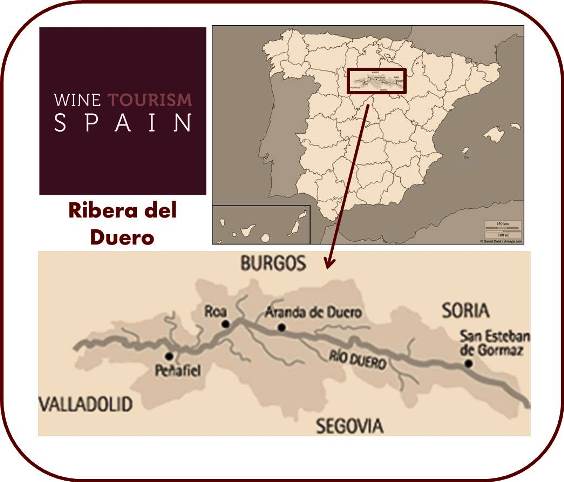

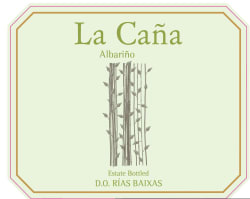 La Caña is a white wine that Jorge Ordonez and his winemaking team
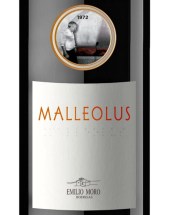 Of a deep mature cherry color, this wine, by Emilio Moro, stands out for the intensity and quality of the sensations it offers. From black fruit aromas to strong and mature tannins that fill our mouth.
 Lots of body, well integrated acidity, well-rounded tannins providing volume and persistence on the palate. The licorice aromas are present on the aftertaste. Ideal for accompanying all kinds of meat.
 Riper, darker, and more concentrated. It shows more rusticity and black rather than red fruit. It has abundant, fine-grained tannins. Would pair beautifully with cured meats, smoky cheeses, or grilled veggies, such as eggplant.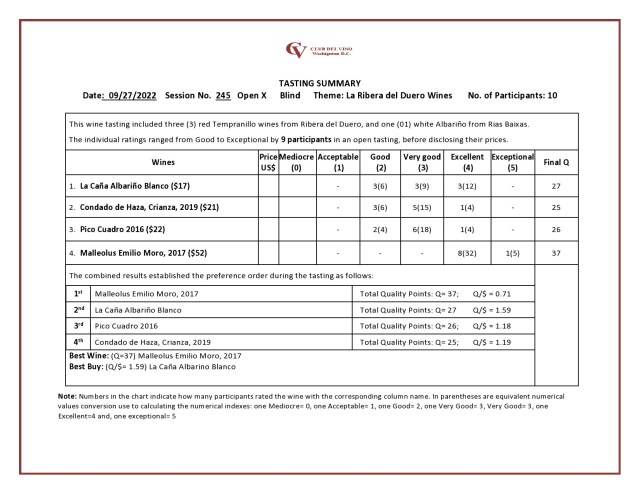


 Tasting #244 August 2022 Were You There?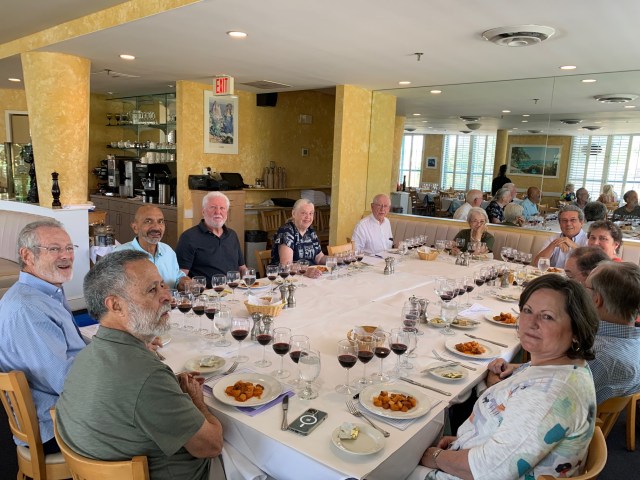

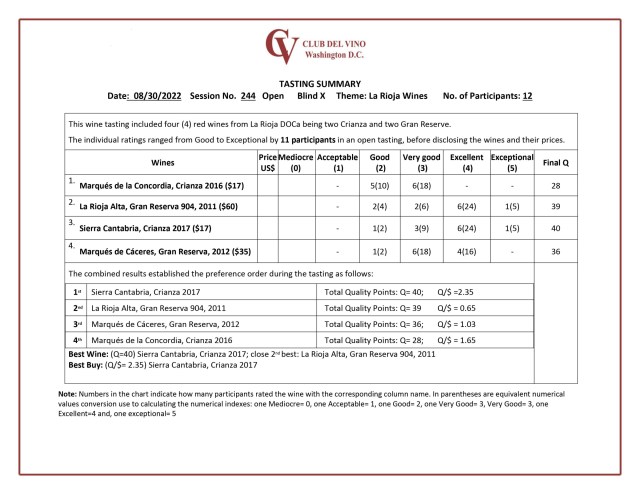
 Tasting #244 Rioja Wines: Crianza vs. Gran Reserva – August 30, 2022
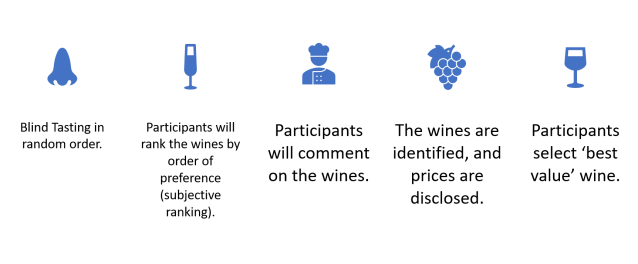 Blind Tasting in random order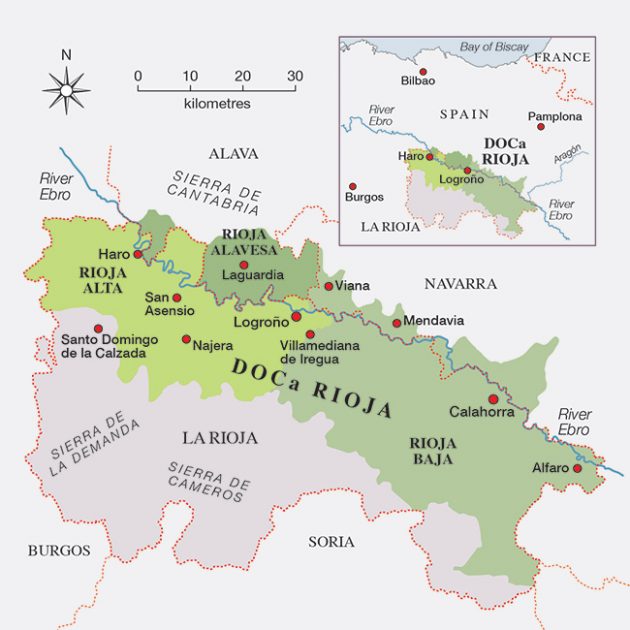
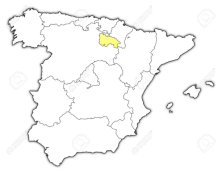
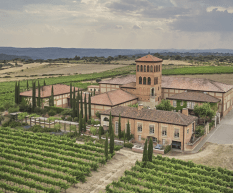
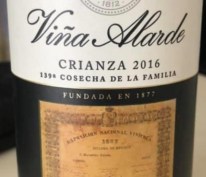
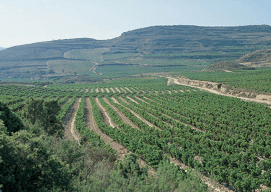
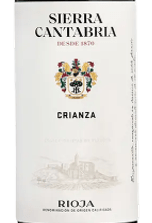
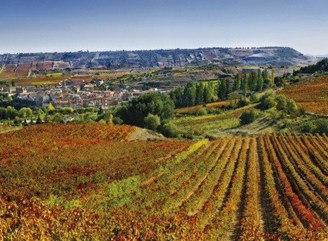 Founded in 1970 in Cenicero, La Rioja Alta by Enrique Forner.
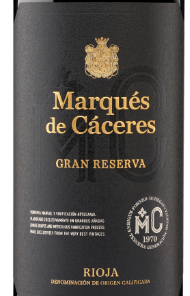 MARQUÉS DE CÁCERES, GRAN RESERVA, 2012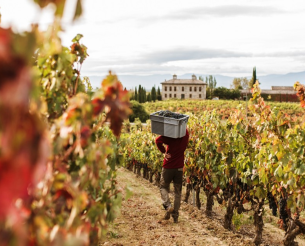
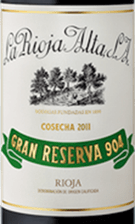

 Tasting #243 July 26 2022, 12:30 pm – Spanish Mediterranean between Barcelona and Alicante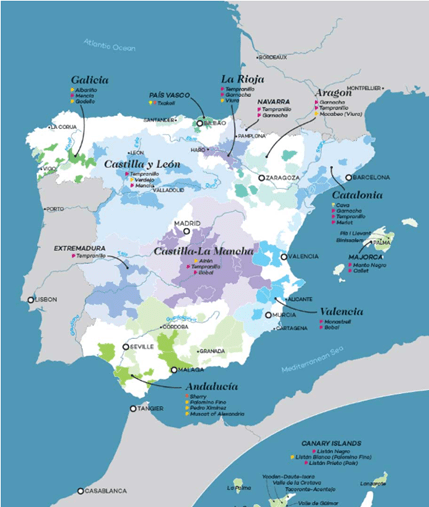
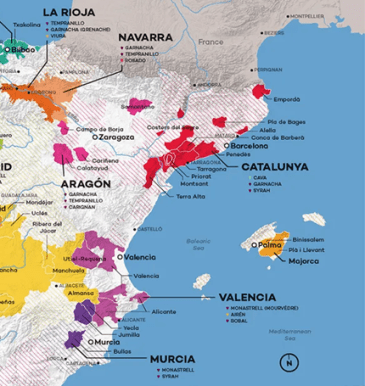 One of the regions in the Mediterranean coast is the Comunidad Valenciana, or simply Valencia. Located a few hours south of Barcelona, Valencia is responsible for 5% of Spain’s enological output and is the fourth most widely planted of the country’s 17 autonomous regions.
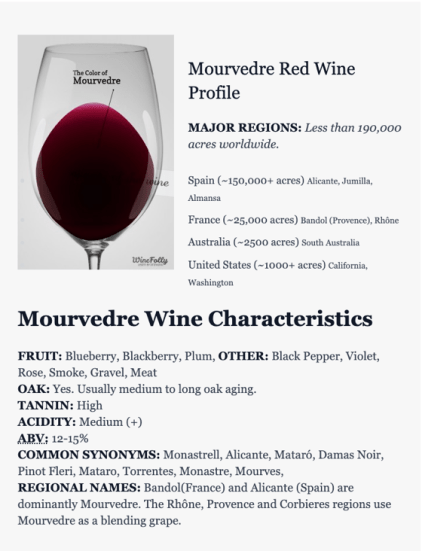 Thought to have been brought to Spain in Ancient times by the seafaring Phoenicians, Monastrell remains one of the country’s most planted grapes, claiming 150,000 of the world’s 190,000 acres of the grape. In Alicante, it can be found in two subregions: La Marina in the north, where the cooling influence of the sea tempers the area’s intense heat, and in Clásico, inland to the southwest, which includes the region’s namesake city. Further away from the Mediterranean, this latter sub-region is marked by minimal rainfall and borderline-arid summers—a situation where Monastrell thrives, especially in its bush vine incarnation.
 The late-ripening vine is generally resistant to drought and diseases but susceptible to sour rot. It produces light red, rustic red wines with moderate acidity and alcohol content and an earthy aroma. On the Balearic Islands of Mallorca, the variety is often grown in mixed sets with the Fogoneu variety and blended with the latter and Manto Negro.
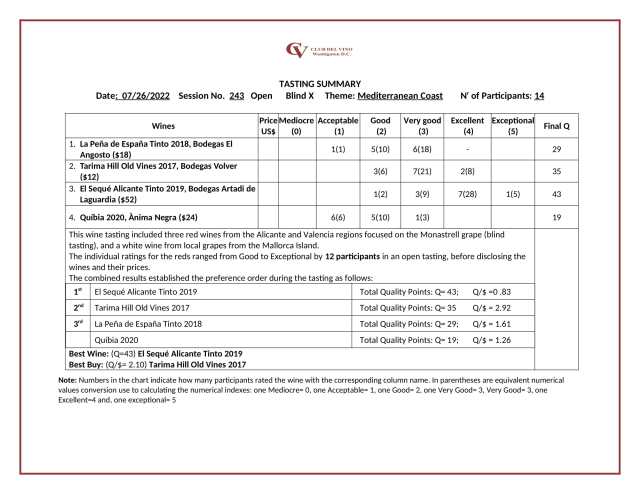
 Degustation #242 June 28, 2022, 12:30pm Spanish Tempranillo Wines
 One hundred per cent Tempranillo red from Ribera del Duero, Spain- Violet-red. Spicy redcurrant and cherry aromas are complicated by cracked pepper, violet and dried rose; very complex for its price point. Supple red fruit flavors are quite sweet, with no obvious tannins. Rated 90+ by Beverage Dynamics. Elegant. ABV: 14.1%, Taste: Spice, Cherry, Medium-bodied.
 Winery: Asua
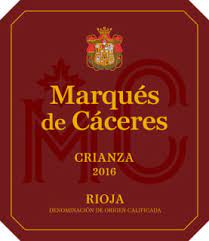 RESERVA 2016 D.O.Ca. RIOJA Made exclusively from the best vintages GRAPE VARIETIES 90% Tempranillo, 10% other varieties OENOLOGISTS, THE TRADITIONAL WINES RANGE Fernando Costa, Emilio González and Manuel Iribarnegaray VINEYARDS AND YIELDS A selection of old vineyards originating from Rioja Alta and Rioja Alavesa. Low yields, smaller than 5,000 kg/ha. TERRAIN Fundamentally clay-limestone. Plots of Rioja Alta with ferrous subsoil. 2016 VINTAGE Abundant rainfall, specially before sprouting, led to a favorable start of the phenological cycle with a plentiful water reserve. A dry and harsh summer. During September a rise in temperature and hours of sunshine in the midst of ripening, enabled a complete and balanced harvest, producing musts rich in sugars and polyphenolic structure. Vineyards with generous yields reaching optimum ripening without problem. Complete maturing throughout the year, with high alcohol levels, excellent notes of fruit. These wines from selected plots boast a great capacity for ageing. GRAPE HARVEST Harvested by hand, meticulously deciding the optimal harvesting moment for each plot and each variety. VINIFICATION Bunches are de-stemmed of their stalks with the greatest care. Temperature controlled alcoholic fermentation. Prolonged maceration with the skins with the aim of extracting more color, elegant aromas and smooth enveloping tannic structure. Malolactic fermentation in oak barrels and a stainless-steel tanks. Once the malolactic fermentation is finalized, all of the wines move to fine grain French oak barrels. Subsequent racking every 6 months. TOTAL TIME IN BARREL 15 months in French oak barrels, equally divided between new barrels and one and two-year old barrels with 5 monthly racking. REFINEMENT IN BOTTLE Minimum 2 years before its market launch. TASTING NOTES Dark and dense ruby color. Refined and complex aroma with a touch of cherry, vanilla and soft toasted notes. Balanced in the mouth, where the silky and well-defined tannins are combined with exquisite flavors to reveal a pleasant fullness. This Reserve firmly reflects the profile of the Bodegas previous vintages, awarded with several prestigious prizes. Serve at 17ºC.
 Latitud 42’s wines represent the long, multi-generational legacy of its winemaking family and the traditions of Rioja, Spain. The altitude and unique terrain of the vineyards give Tempranillo grapes a natural vibrancy and finesse that only improves with aging.


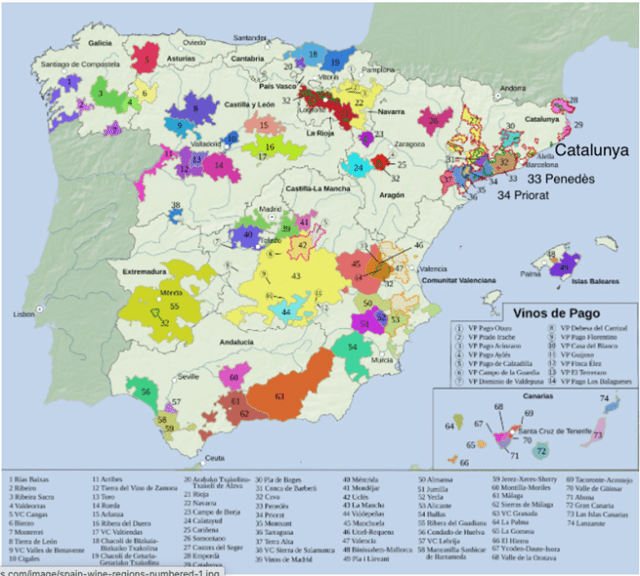 Location. The Catalan wine region is located along the
 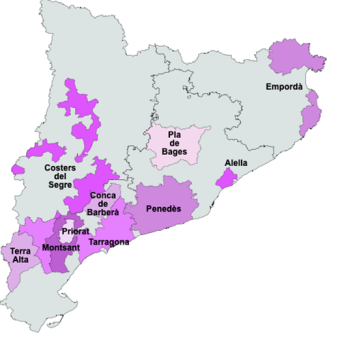 DOs in Catalonia. The Catalan wine region includes
  Clos Mogador is a vast amphitheatre of crumbling slate. The vines are surrounded by mountains up to 1.200 metres. For the first time in Spain, Clos Mogador, was awarded the prestigious qualification of «Vi de Finca», an additional qualification to the D.O.Ca. Priorat certification. It certifies that all grapes used to make this wine over at least the last five years have been sourced from the Clos Mogador single vineyard.
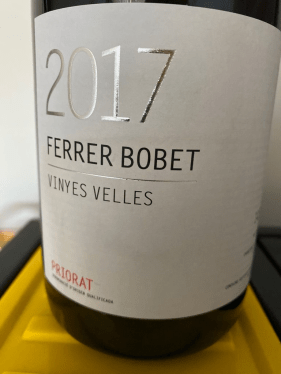 Grapes from steep slate hillsides and terraces picked by hand. Selected berry by berry and then transferred to tanks by gravity. Fermentation in 15 and 30 Hl wooden and stainless-steel tanks. Malolactic conversion and aging in fine-grained, medium and lightly-toasted French oak barrels for 15 months. Bottled unfined and unfiltered. Bottle aged for a minimum of 11 months.
 Martinet Bru is mainly sourced from a single vineyard, known as Mas Seró. The soil is stony but the vineyard is cool in terms of climate. It faces the cooling sea breeze and the quality of the soil means this wine is more drinkable and easier to understand than most Priorat wines, affording it hint of licorice, blackberries, rosemary and tannins.
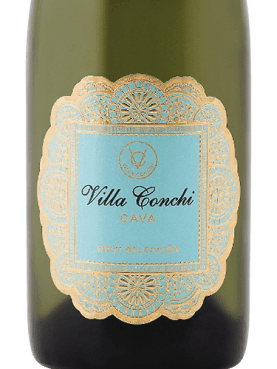 Bodega Villa Conchi is located in Penedès, Catalonia. The grapes are harvested manually and pressed directly on arrival at the winery. Each variety is fermented separately, then the must is blended and bottled together with the base wine, to which yeast and sugar are added to create the second fermentation. The bottles are kept in underground cellars at constant temperature, in contact with their lees. The Cava is then aged for minimum 12 months in bottle. After this period, the sediments are removed and the liqueur d’expédition is added in order to obtain a Brut style

 Tasting #240 April 26, 2022 12:30 pm
 Source: Wine Scholar Guild
 Winemaker notes. Reto has a lovely expression of lemon, pineapple, and lychee, with hints of passion fruit in the background. Lively, fruity, and elegant attack, with notes of tropical fruits, perfectly balanced by citrus and a lovely acidity in the finish.
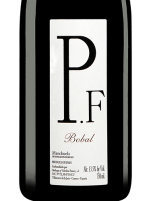 Winemaker notes: Deep ruby color with violet hues and impressive aromas of cherry, sour cherry, raspberry, plum, vanilla, pepper, tea, lavender, licorice, and bitter chocolate. On the palate, it has a medium body, medium tannins, and refreshing acidity. Juicy red and black fruits are mixed with notes of sweet spices, violet, cocoa, and dried herbs.
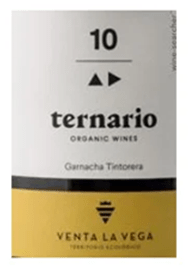 Winemaker notes. Intense and fruity on the nose, well integrated wood gives prominence to the variety. Over time, balsamic and mineral notes develop. Elegant mouthfeel with a long, persistent finish. This wine represents the maximum expression of the wines of Venta La Vega.100% organic, Garnacha Tintorera with vines of 40 + years of age.Robert Parker. The 2017 Ternario 10 is also Garnacha Tintorera from a specific plot within the same vineyard that produces the Ternario 2. It fermented with 100% full clusters in 5,000-liter oak vats for one month and matured in 400- and 500-liter oak barrels for 11 months. This is clearly a riper year than 2018 and 2019, and the wine shows it, but without excess. It has aromas of black olives, Mediterranean herbs and ripe black fruit, juicy and tasty. 10,000 bottles produced. It was bottled in November 2019.
 Winemaker notes. Cherry red color with violet reflections. Intense aromas of fresh red fruit and flowers, graphite minerality and sweet baking spices.
 Yecla, Bullas) mainly but not exclusively for bulk wine production. Its reputation has been improving over the years as some producers in high-altitude vineyards have managed to produce velvety wines from it. Vicente García, owner of Pago de Tharsys vineyards, says that “The answer to success with Bobal lies in the old vines”(sommjournal.com). Around 61,500 has were planted in 2015, making it the second most common red grape variety planted in Spain. It is native of the Utiel-Requena region in Valencia, and its presence was documented in the 15th century. The wine is low in alcohol, generous in tannins and full of antioxidants. derived from it retains its acidity better than Monastrell and is notably lower in alcohol. (Robinson 2006, p. 84).
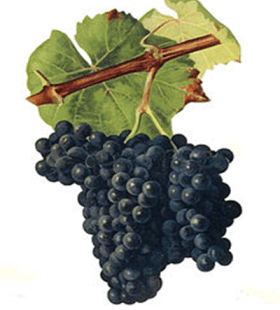 of the few teinturier varities that belong to the Vitis vinifera Henri Bouschet bred it between 1865 and 1885 from his father’s crossing of Petit Bouschet with the popular Grenache, then also known as Alicante. It was an immediate success. Its high yields and easy maintenance made it popular among French wine growers, especially in the years following the Phylloxera epidemic. Its thick skin makes it resistant to rot during the transportation process, a characteristic especially useful during Prohibition in California for export to the East Coast. Its deep reed flesh produces wines that are 15 times as red as that of the productive and rapidly spreading Aramon and twice the darkness of the Grand Noir de la Calmette. Its deep color makes it useful for blending with light red wine. It is also high yielding and on fertile soils it can easily produce more than 200hl/ha (12 ton/acre) of wine with 12 percent of alcohol if little character (Robinson 2006, p. 13).