Two Clips on the Wines of Brazil

Two Clips on the Wines of Brazil

J.L. Colaiacovo suggests: check these 2 small videos out. The rumors about the existence of wine production in Brazil get more and more frequent!

Oz Clarke talking about the Wines of Brasil

The World Wine Guys visit Brasil

Posted in TV, Video, Film on wine, Wine - Vino - Vinho | Tagged , , | Leave a comment

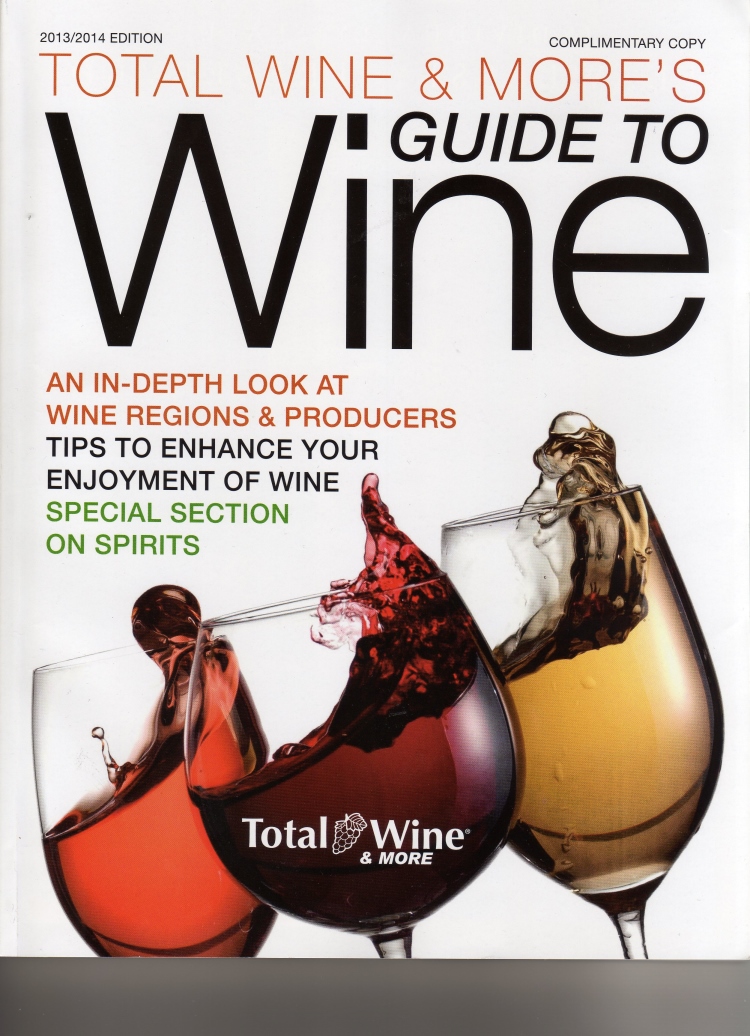
2013-2014 Total Wine Guide to Wine is HERE!

2013-2014 Total Wine Guide to Wine  is HERE!

Pick up your copy before it is gone.

The price is very reasonable and the information quite comprehensive

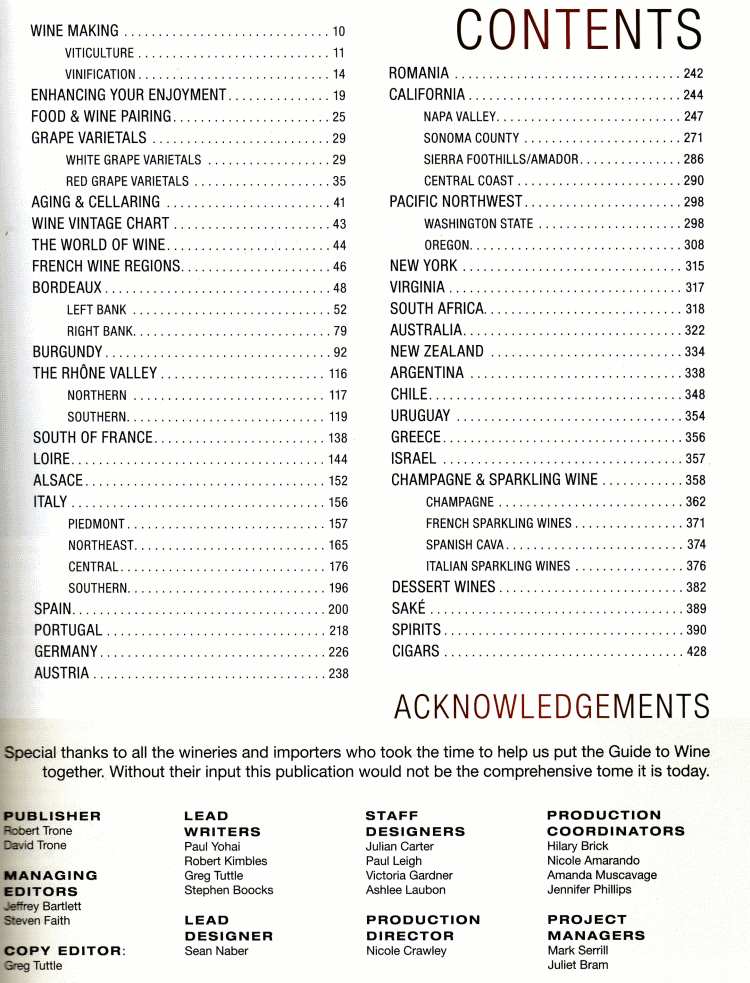
Verify the table of contents just bellow the cover.

Total Wine Guide 2013-14

T. Wine Guide Contents

Posted in Magazines and Books wine related, Wine - Vino - Vinho | Tagged | Leave a comment

Tasting 144 – Vinos de Italia septentrional – 24 June 2013 – Capri Ristorante

Club del VinoTasting 144 -Vinos de Italia septentrional             24 June 2013                 Capri Ristorante  

Presenters: Alvaro Lopes e Hugo Benito

Participants:  Jorge Garcia Garcia, Alberto Musalem (invitado de J.Garcia)
Alfonso Sanchez, Jairo Sanchez, Albertina Frenkel, Rolando Castaneda, Wilson Moreira, Hugo Benito, Alvaro Lopez, Ruth Connoly, Luis Carlos Danin LULA Lobo.

Birthdays of June: Alfonso Sanchez (7) and Miguel Segovia (27). Happy birthday young gentlemen!

Menu & Wines

  • Aperitivo   Prosecco Tesoro de la Regina
  •   Primer Plato:  Seafood Salad
  •                  Barone Fini Pinot Grigio
  •   Segundo Plato:  Filet mignon  con Pure de papas y espinacas
  •                  Mauro Sebaste Barbera D’Alba
  •   Tercer Plato:  Rissotto con tres hongos
  •                   Rivata Barolo 2007.Cepa Nebbiolo

___________________________________________

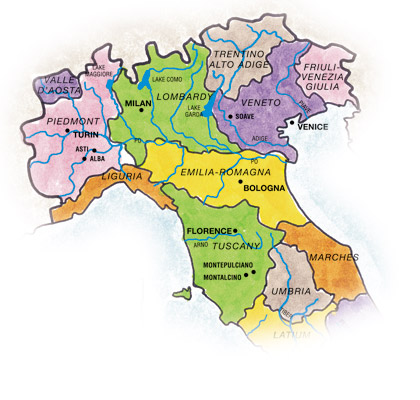
Northern Italy

Regiones del Norte de Italia y sus vinos

Abstract prepared by Alfonso Sanchez

Alfonso Sanchez
Alfonso Sanchez

Piamonte 

Variedades y vinos:

Tintas: Nebiolo:  Barolos y Brabaresco

Barbera: Barbera de Asti o de Alba

Dolcetto: Doceto de Asti o de Alba

Blancas: Gavi

TuscanyToscana 

Tintas:  Sangiovese. La más común pero hay otras.

Los vinos son Chianti Classico, Brunellos y Rossos de Montalcino; Nobile de

Montepulciano y Super–Toscanos (cortes con variedades de Burdeos).

VENETIA 3Veneto 

Tintas: Corvina, Molinara, Roninella.

Los vinos son los Amarone (uvas pasas fermentadas), Bardolino

Blancas: Trebbiano, Gargenaga, Tocai.

El vino es Soave

Alto Adige -Trentino 

Principalmente uvas y vinos blancos y Prosecco. Pinot Grigio, Pinot Blanc, Chardonnay y Sauvignon Blanc.

Friuli

Principalmente uvas y vinos blancos y Prosecco. Pinot Grigio, Pinot Blanc, Chardonnay y Sauvignon Blanc.

____________________________________

Comentarios:

Hay muchas variedades de uvas, se resumen las principales – Todos los vinos son mejores con comida

Los vinos de nebiolos de gran cuerpo y taninos beberlos con al menos de 7 años de envejecimiento

Los Barbarescos se pueden beber más jóvenes y son más livianos y baratos que un Barolo joven (imbebible).

El Docetto no es dulce. Se parece a un Bujolais mientras el Barolo se parece a los Borgoña

Los Barbera salen muy bien con platos que tienen tomate (el de Asti es más liviano y el de alba tiene más cuerpo.

Los Gattinara (hechos con Nebiolo) son más baratos que los Barolos y los hay muy buenos.

_____________________________________________________

johnheader-980-120-final

Posted in General, Meeting Abstract, Varietals, Wine - Vino - Vinho | Tagged , , , , , , | Leave a comment

Tasting # 143 May 28, 2013, Capri Restaurant – Chilean Wines

May 28, 2013, 1 PM ,      Wine Tasting # 143

Capri Restaurant, McLean VA 22101

Wines  from Chile

Contents:

  • I.    Presenters and Parcipants
  • II.  Bithdays of the Month
  • III. Menu 
  • IV. The Wines
  • V.  Evaluacíon de los vinos por los socios

I.  Presenters and Parcipants

Presenters:  Pedro Turina and German Zincke

GermanZinke

German Zincke

Pedro Turina

Pedro Turina

Participants:    Rolando Castaneda,  Alfonso Sanchez,  Hugo Benito,  Luis C.Danin Lobo(Lula),   Ginger Smart,  Juan Luis Colaiacovo,  Marcello Averbug,  Ruth Connolly, Mario Aguiar,  Jorge Garcia-Garcia,   Pedro Turina,   German Zincke,   Orlando Mason, Alvaro Lopez,  Guillermo Granham. invitado de Pedro Turina,  Jaime Estupinan (condicional a un viaje).

II.  Birthdays of the Month of May 

  • Leonor Barreto        26  
  • Rene Meza                 31

III.   Menu      TBA

  • Entrada:   
  • Pasta:          
  • Plato principal:    
  • Postre:    

III.   Information on the Wines:

Information Provided by Pedro Turina and German Zincke presenters of wines for this tasting.

Sauvignon Blanc Vista Mar Sepia2011 Sauvignon Blanc VistaMar  Sepia Reserva, Sauvignon Blanc. Vistamar, Casablanca Valey, Central Valey, Chile. APV: 13.4%, $ 10 at Total Wine

This is a brilliant wine, pale yellow in colour with highlights of green. It has intense, exuberant aromas of fresh fruit, such as grapefruit, pineapple, guava and passion fruit, against a background of fine mineral tones and fresh herbs. In the mouth it is fresh and delicate in texture, with juicy acidity accompanied by intense flavours of tropical fruits.

Winemaker Director: Irene Paiva

Irene Paiva

Harvest and vinification information:      Alcohol: 13.5%     pH: 3.4      Total Acidity:: 5.9 g/L tartaric acid     Residual Sugar: 9.5 g/L        Analysis 2012 vintage    Appellation of Origin  Casablanca

Here the soils are granitic on the plains and clayey on the hillsides. The climate characteristically  presents the strong maritime influence of the Pacific Ocean, which ensures slow ripening and high-quality grapes.

Colour: pale yellow with greenish highlights.

Aroma: tropical and citrus fruits, white flowers and hints of minerals.

Flavour: fresh fruits, herbs and flowers, enveloping the mouth, with exquisite acidity.

Serving temperature: 12-14°C

Food match: sashimi, oysters, ceviche, goat cheese and fish.

The 2011-2012 season was hotter than that of a normal year, so the harvest was brought forward by two weeks with a view to achieving white wines with a fresher, more aromatic nose, but an enveloping mouth.

2011 vintage – 91 points   Wine &Spirits, Jun 2012 (USA)

2009 vintage– 90 points    The Wine Advocate, Nov 2010 (USA)

http://www.vistamar.cl/

The Wall Street Journal about Apalta Vineyards

When Aurelio Montes first visited a remote part of Chile’s Colchagua Valley called Apalta in 1972 to buy grapes for his employer, he was struck by the dramatic beauty of the place, by the quality of the light, which seems to pool in the bowl of a five-mile-wide amphitheater framed by a crescent outcrop of the Pangalillo hills. Although grapes had been planted here since the time of the Spanish conquistadors, the Colchagua Valley was a remote region little known to outsiders. Twenty years later, Aurelio and his partners bought up 500 hectares (1,236 acres) of Apalta for their fledgling winery, called Montes. “We felt there was music in the air,” Aurelio told me many years later, “but no one else was hearing the music from the market.”
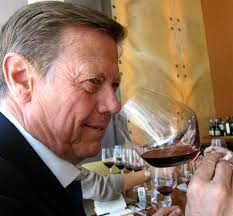
Aurelio Montes

Alexandra Lapostolle

Meanwhile, Alexandra Marnier-Lapostolle, whose great-grandfather created Grand Marnier, had been scouting Chile with the oenologist Michel Rolland. She, too, concluded that Apalta was the perfect spot to create a world-class Chilean red, buying an adjacent slice of  the amphitheater. Today, less than 20 years of harvests later, it seems safe to say that Apalta could be considered Chile’s first grand cru.  The Colchagua Valley, some 80 miles south of Santiago, is a subregion of Chile’s Central Valley, located, appropriately enough, in the middle of this long, skinny country. The climate, moderated by the Andes to the east and the Pacific to the west, is sometimes described as being a cross between Napa and Bordeaux. The vinifera vine arrived in the 16th century with the Spanish, and after phylloxera hit Europe in the 19th century, French refugees arrived to tend these uninfected vineyards.

Thanks to its geographic isolation, Chile is believed to be the only country in the world untouched by the nasty little root louse that devastated world wine production. Today, it’s the only place where European vitis vinifera vines are planted on their own roots—elsewhere, vines are grafted on American rootstock, which is resistant to phylloxera, a necessary but not necessarily ideal practice. That fact, combined with its climate, make central Chile a viticultural Eden.

Casa Lapostolle Cabernet Sauvignon Cuveé Alexandre 2011      

Region Colchagua Valley, Chile. Lapostolle Apalta Vineyard.

Grape 88% Cabernet Sauvignon; 7% Cabernet Franc and 5% Syrah certified Organic by CERES..

Tasting Color: Deep red with dark purple hints.

Nose: Dense nose full of tobacco and coffee aromas, but yet very elegant with red fruit aromas such as plums and cherries.

Palate: Delicate attack and a broad structure of fine tannins towards the mid palate and finish. A concentrated body, which will enable a long bottle ageing.

Service and Food Pairing: Cellar for several years or decant and serve at 16° C (60° F). Ideal companion for meats and elaborate dishes.

Harvest Winter 2010 brought a cold July and delayed the bud break by approximately 10 days, and that delay was maintained during spring. Summer was colder than normal with limited sunlight and December and January brought some rainfall   which was unusual but beneficial for the vineyard after the dry winter and spring conditions. The cloudy summer resulted in decreased lightening, so maturity came at regular but slow pace and we didn’t have the excess of sun that can occur sometimes. February was, on the contrary, hot and sunny as usual. Fall brought threatening clouds so it was very important to harvest fast, considering the risk of rain.

Vinification Our Cabernet Sauvignon comes from an old block of Cabernet: planted in 1920 with high density in special soil and geographic conditions. Our winemaking philosophy remains very natural and we adhere to minimal intervention. Our key points are 100% hand harvesting, strict fruit selection by 77% optical state of the art grape selection and 23% hand de-stemming of the grapes at our Clos Apalta

Winery. All fermentations were made with wild yeast.

http://en.lapostolle.com/

 Cousiño Macul 

Finis Terrae es un claro reflejo del terroir del Valle del Maipo, expresado a través de la mejor selección de Cabernet Sauvignon, Merlot y Syrah de Cousiño Macul. Es una mezcla creada por cientos de combinaciones que encontró el balance ideal de fruta, acidez, taninos, alcohol y encina francesa.

NOTAS DEL ENÓLOGO

La temporada 2008 – 2009 presentó condiciones óptimas para la maduración de las variedades tintas en el Valle del Maipo, específicamente en el Alto Maipo. Un frío invierno dio paso a un seco y cálido verano en donde la madurez de las uvas fue desarrollándose lentamente y en excelente estado sanitario. Comenzamos con la cosecha del Merlot el 24 de marzo y luego seguimos con el Syrah y el Cabernet Sauvignon a mediados de Abril.

VINIFICACIÓN

Luego de una minuciosa cosecha a mano en pequeñas cajas de 10 kilos, se realizó una selección de racimos y luego una selección de bayas para asegurarnos que sólo granos de uva entraran a la cuba. Se maceró en frío a 7°C (45°F) por una semana y posteriormente se inoculó con levaduras. La fermentación se realizó a una temperatura controlada entre 26°C y 27°C, lo que tardó alrededor de 10 días. La maceración post fermentativa duró cerca de 2 semanas y luego el vino fue trasegado a barricas nuevas donde maduró durante 18 meses.

NOTAS DE CATA

De color rojo cereza intenso con ligeros reflejos rubíes, este ensamblaje de Cabernet Sauvignon, Merlot y Syrah es un vino elegante y aromático. Con una nariz frutal, tiene intensos aromas a guindas y frutilla roja. Destacan los aromas de clavo de olor mezclados con notas especiadas. En boca, taninos redondos y de buena estructura, vuelven a aparecer las notas a frutas maduras como guinda, arándano y canela. Con una acidez agradable que le da un excelente equilibrio en su estructura de ensamblaje y hacen que sea un vino fácil de beber.

ARMONÍAS

Es un vino para disfrutar a temperatura 18 ° a 20° C , va perfecto con filete de res con hongos, carpaccio de wayú, selección de quesos franceses, suprema de ave con salsa de arándanos. Es bastante versátil a la hora de armonizar con preparaciones de condimentación media-alta.

DATOS TECNICOS

Composición Varietal: Cabernet Sauvignon, Merlot, Syrah

Denominación: 100% Valle del Maipo

Acidez total: 5.78 gr/L       pH: 3.5       Alcohol: 14 %

http://www.cousinomacul.com/

V. Evaluacíon de los vinos por los socios

Hugo Benito, Scretario del Club del Vino presenta la evalución de los vinos degustados nesta reunión:

A con tinuacion se transcribe el resultado de la degustacion 143 del 28 de mayo del 2013. En esta oportunidad Pedro Turina, Orlando Mason y German Zincke presentaron Vinos de Chile. Se repartieron 16 formularios y se recibieron 12. Como aperitivo  Pedro y German llevaron Pisco con lo que prepararon en el mismo restaurant un PISCO SAUER que fue muy del agrado de todos los comensales. Por ello  en la degustacion  presentaron tres vino, un blanco y 2 tintos.

Vino Numero 1.- Sauvignon Blanc Vistamar Sepia.- Alcohol 13.5.
Este vino fue evaluado por 12 personas pero solo se consideraron 11 entre  88 y 90 puntos ocn un promedio de 89.2

Vino Numero 2.-Casa Lapostolle Cabernet Sauvignon Cuvee Alexandre20011 Blend de 85% Cabernet Sauvignon , 7% Cabernet Franc,5%  Syrah.    Calificaron estevino 12 personas, solo se consideraron 10 entre 87 y 91 puntos con un promedio de 89.2.

Vino Numero 3.-Cousino Macul Finis Terrae 2008 Maipo Valley. Alcohol 14%. Calificaron este vino  12 personas, se consideraron 11 entre 89 y 92 puntos con un promedio de 90.5. Cinco personas le dieron 91 puntos.

_______________oo0oo______________
Posted in Meeting Abstract | Tagged , , , | Leave a comment

ELDISFRUTE – DESTERRANDO LOS MITOS DEL VINO

ELDISFRUTE – DESTERRANDO LOS MITOS DEL VINO

Juan Luis Colaicovo

Recomeinda entrevistas con un buen sommelier argentino: Mariano Braga. El comenta sobre tipo de corchos, temperatura, y aireación de los vinos.  Muy educativos.

En el sitio de YouTube (vea mano derecha abajo, en cada ventana) se puede ver una descripción de cada vídeo. Puede ser una alternativa mas rápida para conocer el contenido del vídeo

Aqui estan:

TIPOS DE CORCHOS

TORRONTES: Dulce?

TEMPERATURA Y VINOS TINTOS:

AIREACIÓN Y VINOS:

Posted in Magazines and Books wine related, TV, Video, Film on wine | Tagged , , , , , , | Leave a comment

As Bebidas Mais Caras do Mundo

As bebidas mais caras do mundo.

Quer saber por que é caro ???

 Para referência (2013): 1 US $ =  2 BR R$

Vinho Romanée-Conti

  Produzido na França, tem  alcoólico de 13% e custa R$ 45 mil a garrafa. É caro porque é produzido numa vinícola que só produz uvas raras e que ocupa um espaço de apenas 1,8 hectare – mais ou menos um campo de futebol – ou seja, são pouquíssimas uvas para a fabricação dele.  
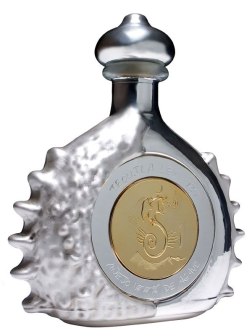
Tequila Pasion Azteca

  Produzida no México , tem teor alcoólico de 40% e custa R$ 507 mil a garrafa.  A Pasion Azteca custa tanto porque é feita a partir da seiva do agave-azul, uma planta típica do México. Mas não é o sabor que interessa. O que vale aqui é o em bru lho: O recipiente é feito de platina e ouro. Também dá para encontrar versões mais “modestas”, de outro e prata, por cerca de R$ 10 mil.

Champanhe Heidsieck & Co. Monopole 1907

Produzida na França, tem teor alcoólico de 12,35% e custa R$ 619 mil a garrafa – o que equivale a R$ 101 mil cada taça. Custa caro porque só existem 2 mil garrafas no mundo. Em 1916, um navio partiu da França para a Rússia com 3 mil garrafas de champanhe para o Czar, mas acabou naufragando. Em 1997, foram encontrados os destroços do navio com as 2 mil . Ela é vendida no Hotel Ritz-Carlton de Moscou.

Uísque Macallan Fine and Rare Collection 

  Produzido na Escócia, tem teor alcoólico de 42,6% e custa R$ 122 mil a garrafa. É caro porque é envelhecido em barris de carvalho e também porque é um dos mais apreciados do mundo, Para provar é só comparecer no bar do Borgata Hotel Casino & SPA, em Atlantic City, nos EUA. E é bom estar com sorte no cassino: Uma dose sai por R$ 7,4 mil.

L
l

Saquê Watari Bune Kame No. 0
  Produzido no Japão, tem teor alcoólico de 16%. Custa R$ 1,1 mil a garrafa. É caro porque para classificar o saquê os grãos são polidos até ficarem com metade do tamanho . O grão é de um tipo raríssimo tão fino que é praticamente cultivado de um a um. 

Vodka Diva  

 Apesar de ser vodka, ela é produzida na Escócia e não na Rússia. Tem teor alcoólico de 40% e custa R$ 2,2 milhões a garrafa. É cara por causa do processo especial de filtragem. Em uma das etapas, ela passa por uma “areia” feita de pedras preciosas moídas, como diamantes, rubis e esmeraldas. O cliente ainda pode escolher as pedras que vão no tubo que enfeita o miolo da garrafa.

 Cerveja Sam Adam’s Utopia

Produzida nos EUA, tem teor alcoólico de 25% e custa R$ 1,2 mil o copo. É cara porque é feita a partir de uma seleção especial de lúpulos e é cara também pela embalagem: A cerveja é vendida em uma garrafa de cobre, imitando uma tradição dos primeiros cervejeiros.

Run Wray and Nephew 1940


  Produzido na Jamaica , tem teor alcoólico de 63% e custa R$ 122 mil a garrafa. É caro porque na década de 1940, era moda um coquetel chamado “Mai Tai”, com rum na fórmula. As destilarias de rum vendiam tanto que nem tinham tempo para envelhecer o run. Poucas unidades desta safra da destilaria Wray and Nephew, guardaram a valiosa mistura dos runs da época.


>
>
Pronto, agora que já sabe o preço dessas, volte para sua cervejinha de R$ 4,00 ou ao vinho de R$ 20,00.
Posted in General, Humor | Leave a comment

Expert Dogs

Christmas-drink-dogs

Posted in General, Humor | Tagged , , | Leave a comment

Los Benefícios del Vino

Los Beneficios del  Vino  wineglasses_animated

Material seleccionado por Ricardo Zavaleta, especialmente para el blog

Dolencia Vino        Dosis Diaria   
Alergias Médoc 1  copa
Anemia                Graves 4  copas
Arterioesclerosis Muscadet 4  copas
Bronquitis Bourgogne ó Bordeaux (+ azúcar y canela)      3  tazas
Constipación Anjou blanc ó Vouvray 4  copas
Afecciones coronarias Champagne sec 4  copas
Diarrea Beaujolais nouveau 4  copas
Fiebre Champagne sec 1  botella
Corazón Bourgogne, Santenay rouge 2  copas
Gota Sancerre, Pouilly Fumé 4  copas
Hipertensión Alsace, Sancerre 4  copas
Trastornos demenopausia Saint Emilion 4  copas
Depresión nerviosa Médoc 4  copas
Obesidad Bourgogne 4  copas
Obesidad importante Rosé de Provence 1  botella
Reumatismo Champagne 4  copas
Adelgazamientoanormal Côte de Beaune 4  copas
Pereza del hígado Champagne sec 4  flûtes
Trastornos  renales Gros Plant 4  copas
Mouse Drinking Wine
Promedio de la vida humana: 
– 59 años por beber agua 
– 65 años por beber vino 
– 87% de los centenarios son bebedores de vino
El Vino es la leche de los ancianos
El vino es la más sana e higiénica de las bebidas
A La Sante Mon Ami

¡À la santé mon ami ! 

Posted in General, Restaurants, Wine Shops, Merchants, Wine - Vino - Vinho | Tagged | Leave a comment

Nuevo Gurú de Vinos?

Nuevo Gurú de Vinos?

Juan Luis Colaiacovo

Juan Luis Colaiacovo

Juan Luis Colaiacovo

Durante los últimos años hemos escuchado con frecuencia que Robert Parker era el gurú en materia de vinos y que su opinión altamente respetada determinaba la calidad y precio de los vinos. Inclusive se dijo que Parker “definió” el tipo de vino que era considerado “bueno”. En general su preferencia ha sido por vinos robustos, de alto alcohol, gran concentración de fruta, y con un sesgo hacia los Bordeaos.
Aparentemente Parker ha ido reduciendo su participación en la empresa Wine Advocate que el creo hace muchos años e inclusive vendió una buena parte de la misma. Ya se habla del “fin de la era Parker.”
El nuevo gurú seria Stephen Tanzer. Hemos escuchado de el bastante y su nombre fue creciendo entre los críticos de vinos. Él publica la revista International Wine Cellar que tiene quizás el mismo prestigio que Wine Advocate.
Cuál es su preferencia?
“If he is forced to pick a favorite region he will say Burgundy, but he is enthusiastic about emerging territories such as South Africa and Argentina. And unlike some Burgundy lovers, he has space in his heart and his wine rack for pinots from New Zealand and California. As for Bordeaux, whe he doesn’t exactly join in on the bashing of the region which has become such a popular sport, he admits a preference for the smaller estates of Saint Emilion and Pomerol on the Right Bank as opposed to the big classified growths of the Left Bank.”
“It is tempting to see Tanzer as the anti-Parker.”
Con Tanzer entonces los vinos “buenos” se moverán en la dirección de los pinot Noir con menos alcohol, menos fruta, y menos estructura. Se buscara mayor finesse.

Lamentablemente!
Hoy tome un Clos-Vougeot, Grand Cru 2008. A pesar de su fama y por más que trate no me convenció.
Juan Luis

Prima Auricula

Prima Auricula

Posted in Magazines and Books wine related, Wine - Vino - Vinho | Tagged , , , , | Leave a comment

Wine review: All I want for Christmas by Scott Greenberg, Washington Examiner

Wine review: All I want for Christmas

You could see the full article with pictures  if you click HERE.   The selection, made by Greenberg, is a bit on the medium to high-end but there are some bargains in this 12 wines Christmas selection.


Greenberg has an interesting grading system. The wines receive a QPR grade. This QPR rates the wines considering quality and price. See note a the end of the article.

Have you drank any of these? What is you opinion. The section of comments is open.

Have yourself a little merry Christmas!

_______________________________________

Scott Greenberg, Washington Examiner, December 19, 2012


Twelve days of Christmas. Twelve bottles of wine in a case. Coincidence? Maybe. But if I could unwrap just one present on Christmas morning, it would be this case of wines. Retail prices are approximate.

1

No case would be complete without at least one bottle of Champagne. The nonvintage Pierrer Gimonnet & Fils Blanc de Blancs Brut ($40) from France is made exclusively from chardonnay, and flavors of creamy lemon and nectarine are elegantly woven around a core of acidity and tight bubbles giving the wine wonderful balance and structure. QPR 9

2

For spicier meals, it’s smart to have a bottle of 2011 Weingut Johannishof Charta Riesling ($16) from Rheingau, Germany, on hand. The beautifully textured flavors of white peach, tropical fruits, candied citrus peel and orange blossom come together in harmony on a not-too-sweet frame. The lively acidity provides a crisp, mouth-watering finish. QPR 9

3

Another food-friendly favorite is the 2011 Lake Chalice Pinot Gris ($20) from Marlborough, New Zealand. The flavors of white peach, pear and Crenshaw melon feel juicy yet elegant in the mouth. The burst of citrusy acidity on the finish keeps the palate refreshed. QPR 8.5

4

I like the concept behind organic wines, where the land is treated with respect. The 2011 Paul Dolan Vineyards Sauvignon Blanc ($18)   from Potter Valley in Mendocino, Calif., uses these principles to produce a wine that is full of kiwi, papaya, lime and lemon grass flavors, kept bright on the palate by tangy acidity, thanks to the cold nights and hot days. QPR 8

5

Many Rhone Valley wines have to have a little age on them before they can be enjoyed, but the 2011 Charles Thomas Cotes du Rhone Rouge ($12) from France is a steal that is ready to drink right now. A blend of Syrah, Grenache and Mourvedre, the wine is bursting with red plum and ripe red cherries. The smooth tannins and juicy finish make this a versatile red to pair with a wide variety of dishes. QPR 9.5

6

Sometimes I crave a good rustic bottle of wine that mentally transports me to Spain, like the 2007 Montecillo Crianza Rioja ($12) from Spain. This 100 percent tempranillo opens with scents of cigar box and smoky cedar. Flavors of red plum, cherry and tobacco mingle with earthy tannins and finishes with a touch of dried herbs on the medium-bodied frame. QPR 9

7

The 2007 Casa Lapostolle Merlot Cuvee Alexandre ($18) from the Colchagua Valley of Chile is a wonderful value in forward-styled red wines. From the expressive nose of red fruit to the deep flavors of eucalyptus, black raspberry and blueberry fruit in the front of the mouth, as well as hints of ripe cherry and warm vanilla on the satisfying finish.  QPR 8.5

8

The 2010 Ken Wright Pinot Noir ($30) from Willamette Valley, Ore., is a pinot on the weightier side and sports aromas of violet and wild strawberry that are repeated on the palate where they join rich flavors of cherry, fresh raspberry and juicy plum. Touches of mineral mingle with notes of graphite and spice to produce a profoundly elegant finish.  QPR 9

9

Australia is known for its big shiraz-based wines, like the 2007 Mitolo G.A.M. Shiraz ($30) from McLaren Vale. This wine is bursting at the seams with flavors of jammy blackberry, dark plum, rich cocoa and black licorice. Notes of toasty oak, vanilla and black pepper dominate the full, lush finish. QPR 9.5

10

One of the best malbecs I have had all year is the 2007 Las Moras Finca Pedernal Malbec ($45) from the high elevation vineyards in San Juan, Argentina. Powerful flavors of black cherry, dark cassis and black plum punch the palate up front, while notes of chocolate and mint dance on the long, complex finish.  QPR 9

11

Forget the down comforter. I am going to use the 2008 Rodney Strong Rockaway Cabernet Sauvignon ($65) from the Alexander Valley of Sonoma County, Calif., to keep me warm this winter. This single vineyard wine features jammy blackberry, dark chocolate, black licorice and warm vanilla flavors that shine across the entire palate on their way to a well-balanced and smooth finish.   QPR 9.5

12

My big splurge this year will be the 2007 Frescobaldi CastelGiocondo Brunello di Montalcino ($75). This wine is released only after spending three years maturing in oak casks and then six more months in bottles. Made exclusively from sangiovese, the flavors of rich red plum, black cherry and blackberry are layered across the palate. Notes of vanilla, allspice, tobacco and coffee gently materialize on the beautifully balanced finish. QPR 9.5


Note: QPR is a rating system that compares the quality a wine delivers relative to the price. A QPR of 10 is considered an excellent value.


Posted in General, Magazines and Books wine related, Wine - Vino - Vinho | Tagged , , | Leave a comment