

Tasting No 254 – June 27, 2023 – Valle de Uco, Argentina
-
Tasting Overview
Valle de Uco is a viticultural region southwest of Mendoza, in Argentina. Situated along the Tunuyán River, the Uco Valley is widely considered one of the top wine regions in Mendoza, and all of Argentina. The main objective of the tasting is to present four of the most significant types of wine produced in Valle de Uco.
Type of tasting: Open
Presenters: Jairo Sanchez and Jorge Requena
Participants: To be announced
These are the wines:
- Catena Zapata, Catena Alta, Chardonnay, 2018
- Domaine Nico, La Savante, Pinot Noir, 2020
- Salentein Numina Gran Corte, Bordeaux Red Blend, 2019
- Zuccardi, Jose Zuccardi, Malbec, 2018
The Valle de Uco Region
Argentina is one of the most important wine-producing countries in the New World, and vies with Chile for the position of largest producer of wine in South America. The high altitude deserts of the eastern Andes mountains have given rise to a high quality wine industry.
Mendoza is Argentina’s largest and best-known wine regions, often producing great wines to critical acclaim. Here, desert landscapes and high altitudes combine to make a very stable climate and a terroir that gives rise to aromatic, intensely flavored reds. Three-quarters of Argentinian wine production takes place in Mendoza. Furthermore, Mendoza Malbec accounts for 85 percent of the Malbec made in the country. There is more Malbec planted in Mendoza than anywhere in the world.
Valle de Uco is located 88 km to the south of the City of Mendoza, in the foothills of the Andes, the Uco Valley spans the departments of Tunuyán, Tupungato and San Carlos. The wines from there are often labelled with one of these three place names.
Whereas in 2005 the valley had 16,800ha under vine, today it contains 28,600ha, representing 19% of all the vineyards in Mendoza. Almost one in five bottles produced in Mendoza, comes from the valley.
Because the region is so large, in recent years producers have been carrying out detailed analysis to identify smaller Geographic Indications (GIs). Paraje Altamira, Los Chacayes and San Pablo are some of the most famous, together with Gualtallary, and all contain vineyards set at altitudes of between 900m and 1,500m. Irrigation water comes from the glaciers above, mainly channelled by the Tunuyán and Las Tunas rivers.
The climate is continental: dry with plenty of sun, low rainfall, cold winters and warm summers with a large thermal range. The point of difference is the altitude, which defines the temperature (on average, it drops 1༠C every 150m higher up you go) and the cool climate has lured many producers away from warmer areas further down. All these different factors result in expressive, tense reds and vibrant whites.
The proximity and exposure to the Andes make for alluvial, rocky soils with widely varying mixtures of sand, limestone and clay in unique combinations that produce memorable wines.
Within the 50km (30 miles) Valle de Uco region there are smaller wine regions with slightly different wine styles:
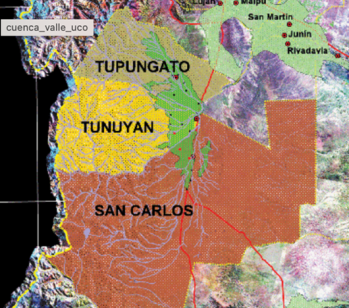 Tupungato is well-known among collectors because of an unofficial growing area called Gualtallary with calcareous soils. You’ll find fresher styles of Malbec, Chardonnay, and Cabernet Franc because vineyards are as high as 5,250 feet (1600 meters).
Tunuyán contains the Vista Flores appellation. The area has sandy soils which produce elegant and aromatic styles of Malbec with minty notes. You’ll also find some Cabernet Franc and even Pinot Noir here.
San Carlos has alluvial soils with more loamy-clay which creates a lush, chocolately palate. The region also sits a bit lower at around 3770 feet (1150 m) which softens the acidity. Expect to find lush, rich styles of Malbec and Cabernet Franc.
 Wine selection. The selected wines – Malbec, Red Blend, Chardonnay and Pinot Noir – are representative (about 75%) of the wines produced in the Uco Valley.
-
Information about the wines
Wine #1. Catena Zapata ‘Catena Alta’ 2018, Chardonnay, Mendoza, Argentina
Producer: Catena Zapata is one of the foremost wine estates in Mendoza, Argentina. Founded in 1902 and still in family hands, it is particularly known for its rich, full-bodied red wines produced from Malbec. The estate is made up of six vineyards in the Luján de Cuyo, Tupungato and San Carlos sub-regions of Mendoza, at altitudes ranging from 3000 to 4750 feet (920 to 1450 meters) above sea level.
The Wine: Vintage: 2018 Varietal: 100% Chardonnay
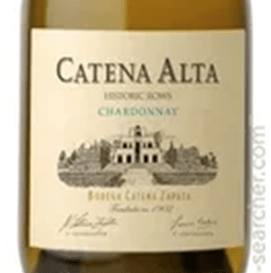 Regions: Gualtallary District, Tupungato Region, Uco Valley, 1,450m average elevation
Vinification: Hand-harvested. Whole clusters are pressed, and then 100% fermented in 500 L French oak barrels with natural yeasts at low temperatures. Wild yeasts. Aged for 14 months in French oak. 30% does not undergo malolactic fermentation. First, second and third use barrels used.
Alcohol: 13.8% Total Acidity: 7.05 grams/liter pH: 3.25
Tasting notes: This chardonnay’s clonal material often gives way to rot from botrytis (the fungus that produces sweet wines), which is here manifested in that sweetness, although without compromising the wine’s tension and freshness. It also adds tremendous complexity, candied aromas in the midst of ripe fruits, and all accompanied by a very-Gualtallary acidity. Very much a mountain wine. (Patricio Tapia 94)
Rich but fresh aromas of lemon zest, orange and rose blossom. Also smoke and caramel. Rich, viscous and well structured on the palate. Lots of citrus. Elegant spice and a juicy, supporting acidity (Vinum Wine Magazine 17/20).
Wine # 2. Domaine Nico La Savante Pinot Noir 2020
Producer: Domaine Nico lleva el nombre de la hija de Laura Catena, Nicola, que a su vez rinde homenaje a su bisabuelo, Nicola Catena, fundador de la bodega Catena Zapata en el año 1902
 The wine: Vintage: 2020 Varietal: 100% Pinot Noir
Vineyard Location: Gualtallary, Tupungato Elevation: 1450 m.s.n.m. (4757 feet) Planted: In 1994, Dijon clones: 115 and 777
Vinification: The fermentation was in roll-fermentor and small stainless-steel tanks. Clone 115 was fermented with 40% whole cluster and clone 777 with 30% whole cluster. Max. Fermentation temperature: 24° C, 7 days maceration. Aged 15 months 30% new barrels, 30% second-use and 40% third-use. All french oak
Alcohol: 13.5% pH: 3.46
Tasting Notes: Red fruit with presence of herbs such as thyme, spices, and clove. Medium-high acidity, low alcohol, slight minerality alongside integrated oak and grainy tannins.
Wild smoky raspberries, brambleberries and oyster shells on the nose. Medium-bodied with vibrant acidity and taut, mineral character. Tense and elegant with a fine frame of tannins. Tightly wound. Drink after 2024. (James Suckling 95)
2020 was a warmer year, and the wine shows it when you taste it next to the 2021, which is cooler. This is a little rounder, with 13.5% alcohol and mellow acidity, with more cherry than flowers, tasty and juicy. It finishes dry and chalky. Best after 2022. (Robert parker 95).
Wine # 3. Salentein Numina Gran Corte 2019
The producer: The Bodega Salentien is located at an elevation of 1.200 meters (4.000 feet), right in the vineyard’s center. More than 49 hectares (121 acres), of native desert habitat were preserved and are a part of the bodega’s everyday landscape. The western horizon is dominated by the close snowy Andes.
The wine: Vintage: 2019
 Varietal Composition: 65% Malbec, 14% Cabernet Sauvignon, 8% Petit Verdot, 8% Merlot and 5% Cabernet franc.
Region: Tunuyán, Valle de Uco, Mendoza
Vinification: Hand harvested, fermentation in 7,000-liter oak casks. The varieties of this blended were made separately and after 6 months aged in barrels, the barrels were emptied and the blend was made, which came back to the oak barrel to finish the ageing process. The total ageing time was 16 months.
Alcohol: 14.5% pH: 3.79
Tasting notes: It displays a bright, intense and deep purplish color. Is aroma is complex and elegant with notes of tobacco, cassis, blueberries, spices as well as notes vanilla and caramel. In the mouth, it is a wide and intense wine with full body and tannic structure and a long finish
Salentein Numina Gran Corte displays a bright, intense and deep purplish red color. Its aroma is complex and elegant with notes of tobacco, cassis, blueberries, spices as well as notes of vanilla and caramel. In the mouth, it is a wide and intense wine with full body and tannic structure as well as a long and lingering finish (Winemaker Notes)
Purple in the glass. The complex nose offers clearly defined notes of cigar box, vanilla, fresh plum, blackcurrant and bay leaf with hints of ash. Lean and juicy in the mouth with refined tannins, the flavors are driven by the oak (Vinous 94).
Wine # 4. Zuccardi Jose Zuccardi Malbec 2018
The producer: Familia Zuccardi is a family-run winery based out of the Bodega Santa Julia in the Mendoza region. The company has numerous brands, each with a wide range of wines, covering classic Argentinian varieties as well as numerous styles including sweet and sparkling wines.
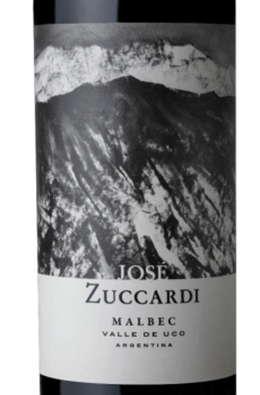 The wine: Vintage: 2018
Varietal Composition: 95% Malbec, 5% Cabernet Sauvignon
Vineyard Location: Malbec from IG Paraje Altamira (San Carlos), Cabernet Sauvignon from IG Gualtallary (Tupungato)
Vinification: Cluster selection, fermentation with native yeasts in concrete tanks. Aging for 24 months in large casks (2500 liters) and barrels (500 liters)
Alcohol: 14.5% pH: 5.69 g/l
Tasting notes: Blackberries, graphite, bla
ck pepper and crushed berries on the nose. Full-bodied, very tight and focused with bolted-down tannins that give it fantastic potential for aging. A little cabernet sauvignon here, too. Try after 2023 (James Suckling 96).
Balances muscle with grace, showing notes of molasses, ripe black cherry and black plum that offer nice richness, while a thread of plumeria picks up the trail midpalate. Reveals stony tannins, peppery elements and notes of espresso and orange peel on the lengthy finish. Drink now (Wine Spectator 94).
The 2018 José Zuccardi mixes Malbec from different regions in the Valle de Uco (today, Altamira and Gualtallary) all with limestone soils. It always has a touch of Cabernet Sauvignon (only 5% to 10%), which is not mentioned on the label, and is now matured in foudre for two years. I tasted this next to the 2019, where there are no differences other than the nuances from the year, with similar alcohol and acidity, but the sensation is of a little wider and powerful in the 2018. The wine feels very stable and harmonious after the long élevage, but there are no traces of oak (Robert Parker’s Wine Advocate 94).
-
Menu (and wine pairing)
- Seafood salad (Chardonnay)
- Chicken grilled meat with vegetables (Chardonnay, Pinot Noir)
- Grilled sirloin strip steak with cooked potatoes (Malbec, Malbec Blend)
- Dessert, coffee, tea
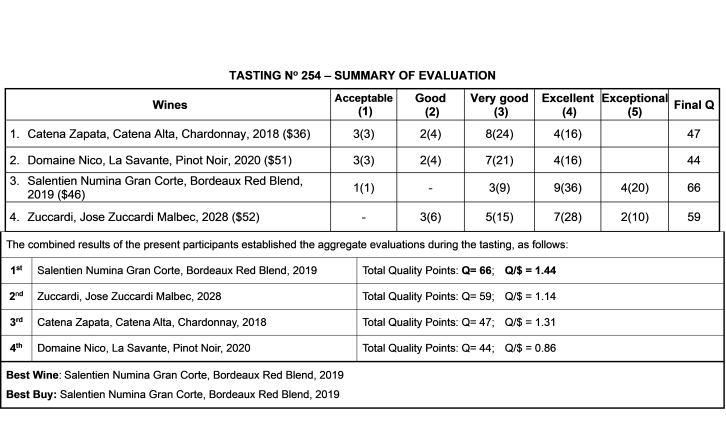
- CV Members Rating :
References:
https://daily.sevenfifty.com/exploring-argentinas-high-elevation-uco-valley/
https://timatkin.com/cork-talk/uco-valley/
https://www.winemag.com/2018/10/05/uco-valley-wine/
https://www.tangol.com/blog/eng/the-19-most-outstanding-wineries-in-valle-de-uco_post_164
https://www.decanter.com/wine-reviews-tastings/uco-valley-wines-12-essential-ones-to-try-446346/
https://catenazapata.com/catena-alta-chardonnay.php
https://domainenico.com/english/la-savante-eng.html
http://www.bodegasalentein.com/en/bodega/lineas.html
https://zuccardiwines.com/en/vinos-de-viticultor/#jose-zuccardi
.o0o.
Qual a Quantidade Certa de Vinho na Taça?
What is the right amount of wine to pour in the glass?
.o0o.
 Tasting No 253 – May 30/2023 – Beyond Malbec: other wines with deep-rooted Argentinian identity
 Torrontés involves a group of three distinct varieties – Torrontés Riojano, Torrontés Sanjuanino and Torrontés Mendocino – all native to South America. They are a natural cross between the mission grape País (a red grape) and the sweet Muscat of Alexandria grape (also known as Zibbibo), and first appeared in the north of Argentina. Of the three varieties, the most popular (and most delicious) is the Torrontés Riojano, which grows dominantly in northern Salta. Other regions such as Mendoza and La Rioja produce a lot of Torrontés wines using the other two varieties of Torrontés, but these tend to be much simpler in aroma and taste and often made in a sweet style. The wine smells sweet but is usually made in a dry style. Albariño and dry styles of Riesling and Muscat Blanc (dry “Moscatel” from Portugal) are similar in aroma and taste to Torrontés.
 The Torrontés thrive in Argentina’s high-altitude vineyards, particularly in the Cafayate region of Salta, where T. Riojano is grown. This region, on the edge of the Andes, boasts some of the highest vineyards in the world, reaching up to around 10,000 feet (3,000m) above sea level. Here, dry, desert-like conditions and a significant diurnal temperature shift help bring out the best qualities of Torrontés. The soils in Cafayate consist mostly of free-draining chalky loam and in some areas can be quite rocky. The dry soil causes stress in the vines which causes them to produce less vegetation and not as many grapes. As there are fewer grapes, it means the concentration of flavors within the grapes rises. New plantations in the higher parts of the Uco Valley in Mendoza are promising too.
 About the grape: Bonarda, as it is called in Argentina, is not supposed to be called Bonarda: the actual true Bonarda grapes are a group of at least six distinct Italian grape varieties, the most well-known of them being Bonarda Piemontese.
 Bonarda is very important viticulturally in Argentina, where it is second only to Malbec in terms of acreage. In all, Bonarda accounts for over 18,000 hectares (45,000 acres) in the country, representing nearly 10 percent of all grapes grown there. Bonarda has been used to make fruity, medium-bodied bulk wines with low tannins. However, more recently some producers began looking more seriously at Bonarda, discovering its great potential as a varietal, especially for its adaptability to warmer areas, and using site selection and winemaking techniques to make more interesting and premium wines. Of the total cultivated in Argentina, 60% is found in Eastern Mendoza, a warm area located at about 700-800 meters above sea level, where it does best, because of its long hang time required to reach phenolic maturation.
 – The Producer: Dominio del Plata is an Argentinian wine company founded and owned by leading winemaker Susana Balbo since 1999. The winery is located in Luján de Cuyo, Mendoza, with vineyard plots in several subregions of the Uco Valley. The Crios label features a wide range of monovarietal and blended wines for everyday consumption, including a Malbec rosé. The winery mainly ferments the wine in stainless steel tanks, though concrete eggs have been introduced for premium wines. The Torrontés grapes are sourced from Cafayate, Salta, and the highest vineyards in Valle de Uco, Mendoza.
 – The producer: The sister brand of Altos Las Hormigas winery, Colonia Las Liebres was established in Luján de Cuyo, Mendoza to focus solely on the cultivation of Bonarda grapes and was one of the original makers of export-quality single-varietal Bonarda. It makes fresh, juicy and great value Bonarda reds, as well as an excellent traditional method rosé bubbly, and even a sparkling red (named Brusca, in ode to its Italian inspiration).
 – The Producer. El Enemigo is a cult wine producer based in Mendoza. The estate is a joint venture by Adrianna Catena and Alejandro Vigil, the chief winemaker at Bodega Catena Zapata since 2002. The pair created El Enemigo and the “Bodega Aleanna” in 2007. The estate focuses on traditional winemaking techniques and produces two wine ranges: Gran Enemigo and El Enemigo. The El Enemigo range is devoted to varietal wines made from Malbec, Cabernet Franc, Bonarda and Chardonnay, while the Gran Enemigo range includes Bordeaux blends, and a number of single vineyard Cabernet Franc wines.
 Bodega Santa Julia, built in 1968, in Mendoza by Alberto Zuccardi. The Familia Zuccardi bodega was established in 2013 in the Valle de Uco, by Alberto’s grandson, Sebastián. Today he leads a young team of agricultural engineers and enologists charged with producing the highest quality wines in the Uco Valley.
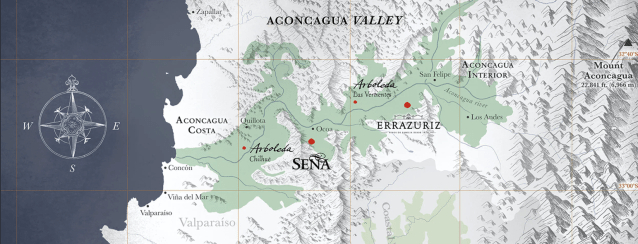
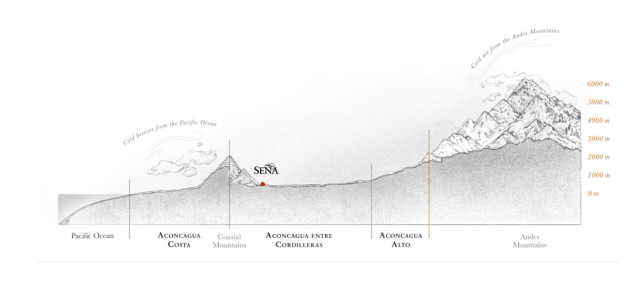 The Aconcagua Valley was chosen for this tasting because of its unique viticultural climate. The Mediterranean climate in this valley ensures the warm, dry summers, the bright sunny days, and the cold, rainy winters that the vines love. In addition, the cooling effects of the Pacific Ocean’s Humboldt current and the down-drift winds of the Andes Mountains create unique climate conditions with cooling midday breezes, cold nights, and a broad daily temperature oscillation that also extends the ripening period so that the grapes develop intense fruit flavors, ripe tannins, deep color, and crisp acidity.
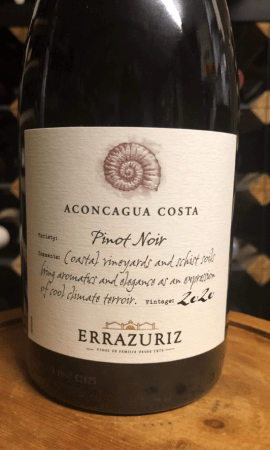
 With 150 years to its name, you might be forgiven for thinking Errázuriz is a historical winery – it is, but it is also one of the most innovative and forward-thinking producers in Chile. The wine portfolio is almost endless, and their treasures include the ‘Aconcagua Costa’ range, from the cooler parts of Aconcagua Valley, and the ‘Las Pizzaras’ Chardonnay and Pinot Noir on slate soils. Their most famous wine is ‘Don Maximiano’, a rich Cabernet-based blend from the warmer Aconcagua Andes.
 – The wine:
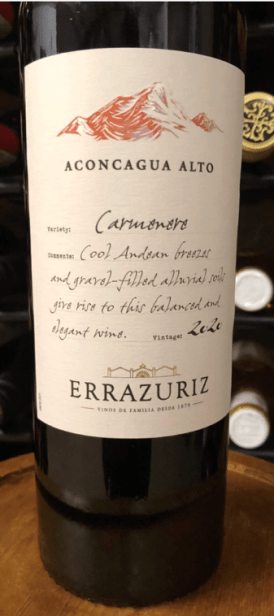 – Information about the wine:
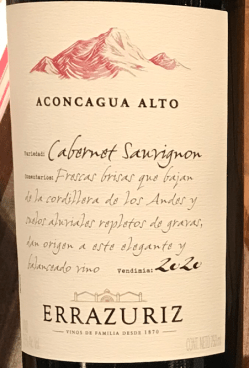 – The wine:
 – The wine: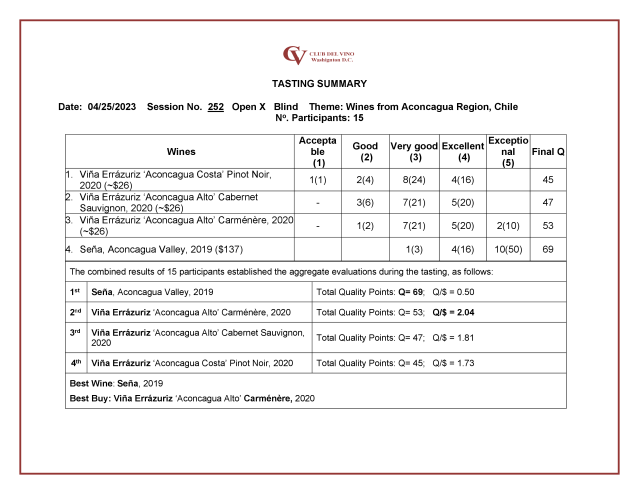

 How bold is your favorite red wine?


 Situated 500 km South of Santiago, the first vineyards were planted in the 16th century.
 Stretches from the coast to the Andes. Vineyards planted in all three geographical designations (Costa, Entre Cordilleras, and Andes).
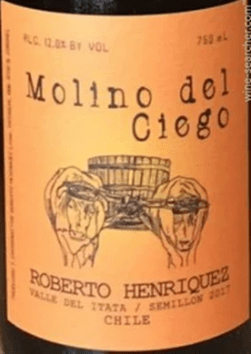 The Producer: Roberto Henriques, a leading winemaker in Bio Bio and Itata, has a small winery focusing on making natural wine on an artisanal scale. It produces distinctive natural wines from old vines and often helps resuscitate abandoned vineyards.
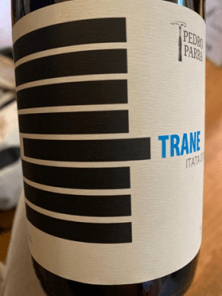 The Producer: Pedro Parra y Family is the boutique, family winery of renowned terroir expert Pedro Parra, focusing on an artisanal production of natural wines made from old vines of Pais and Cinsault in Itata and Bio Bio. Pedro Parra produces a series of Cinsault wines to show his interpretation of the granitic soils of Itata.
 The Producer: Two people – Leonardo Erazo and Justin Decker – started Rogue Vine in 2011, in a one-car garage in Concepción with a project to make natural wines from ‘the forgotten old bush vines almost falling out of steep granitic hills in Itata.’
 The Producer: Viña Seña: Single-estate, single-wine operation joint venture in the Aconcagua Valley founded by Robert Mondavi and Eduardo Chadwick of Errazuriz in 1995. Their aim was to make a wine that would demonstrate the full potential of Chile and that would be welcomed among the world’s First Growth.
 Tasting No 250 – February 28, 2023 – 12:30pm Wines from Mendoza, Argentina
 Tasting notes: Deeply aromatic with expressive citrus and peach with a rich and mineral finish. Pairs well with vegetables, pasta and grilled white meat (Catena).
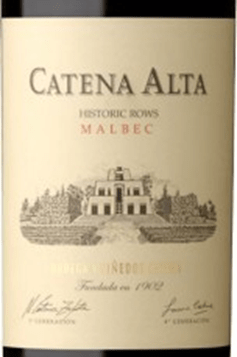 Winemaker notes: after many years of research and experimentation, Nicolas and his daughter identified their best vineyard rows of Cabernet Sauvignon, Chardonnay and Malbec and made the first vintages of the Catena Alta wines in very small quantities. Catena Alta continues to be a limited production of single varietal wines made from the selected few rows in the Catena family’s vineyards. These special barrels undergo a rigorous second selection at the winery. The Catena Alta wines can usually be enjoyed starting three years after harvest and into the following one to two decades.
 Winemaker notes: In the 1950s, Don Domingo Catena began sourcing Malbec from the Vineyards of La Consulta. The combination of intense sunlight and cool nights yielded a wine that Domingo prized for its deep purple color, black fruit aromatics and rich velvety tannins.
  Winemaker notes. In the 1950s, Don Domingo Catena began sourcing Malbec from the Vineyards of Paraje Altamira in the Uco Valley. The combination of intense sunlight and cool nights yielded an elegant, mineral, slightly spicy Malbec with a deep texture and flavors. tannins. It is an elegant, mineral, slightly spicy Malbec with a deep texture and flavors born of the combination of intense sunlight and cool nights. Perfect paired with meat, fish, fowl and vegetarian dishes.

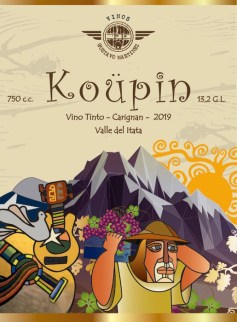
 Tasting #249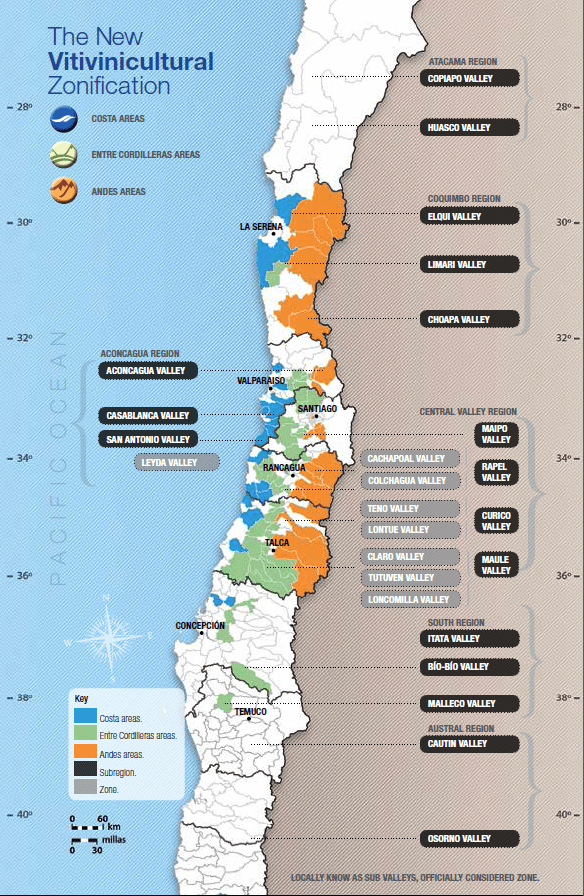
 Notes from Producer: De color amarillo brillante. Muy intenso en la nariz, sus aromas recuerdan frutas como manzanas verdes, melón verde (tuna), algo de espárrago, olivas y avellanas tostadas, con notas minerales. En boca presenta fresca acidez, gran volumen y concentración. Su persistencia al final de la degustación es frutal y mineral, complementado con el sabor de la encina francesa. Gran equilibrio entre el alcohol y la acidez natural que le da frescor, persistencia y potencial de envejecimiento, algo difícil de obtener en un vino blanco chileno.
 Sol de Sol has really changed the reputation of
 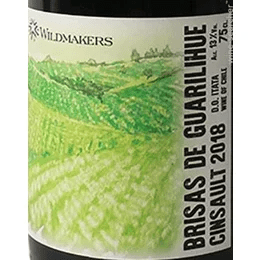 General description: Los viñedos utilizado para la elaboración de nuestros Brisas Cinsault se encuentran ubicados en Guarilihue Alto, sector El Huaro a unos 30 km del mar. Son viñedos de más de 40 años, manejados a la usanza tradicional de la zona. Es decir, manejo del suelo a caballo, sin aplicación de pesticidas. Nos enfocamos en realizar una vinificación enfocada a preservar toda la fruta y las características varietales que nos aporta la variedad Cinsault, sin crianza en madera.
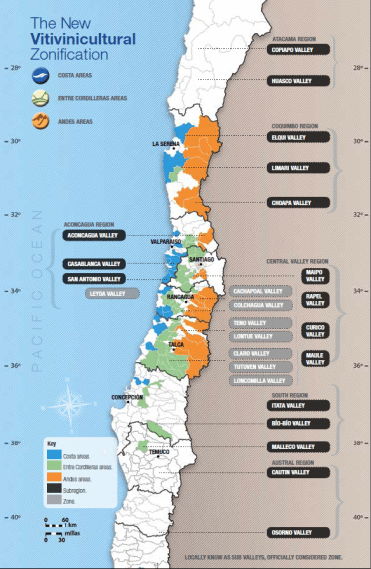 ltata Valley


 Tasting #248 December 6, 2022 – 12:30 Wines from the “Camino de Santiago” “The Way of Saint James”
 Yearly, hundreds of thousands of people of various backgrounds walk the Camino de Santiago either on their own or in organized groups. People who want to have peace of mind will benefit from
 Bierzo is a Spanish Denominación de Origen Protegida (DOP) for wines located in the northwest of the province of León (Castile and León, Spain) and covers about 3,000 km². It borders on the provinces of Ourense, Lugo and Asturias in the north and in the south on areas of La Montaña, la Cabrera and La Meseta, in Léon. The area consists of numerous small valleys in the mountainous part (Alto Bierzo) and of a wide, flat plain (Bajo Bierzo).
 The second vintage of their top white is the 2019 Flor de Muga Blanco, produced with a blend of 40% Viura from red limestone and clay soils, 30% Garnacha Blanca from classical clay and limestone and 30% Maturana Blanca planted on sandy soils. It fermented in small barrels with indigenous yeasts and then matured in concrete eggs for three months and new barriques built in their own cooperage for six months. The wine is 13.2% alcohol and has a pH of 3.2 with very good acidity. There are only 37 hectares of Maturana Blanca in Rioja, of which they have eight.
 Producer: R. Lopez de Heredia, Haro, Spain
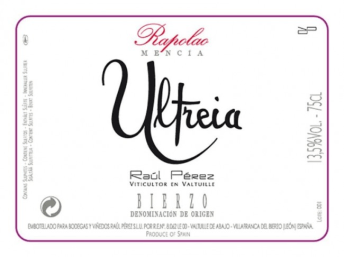 Producer: Bodegas y Vinedos Raul Perez, Valtuille de Abajo, León, Spain
 Producer: Adegas Guímaro, Sober, Galicia, Spain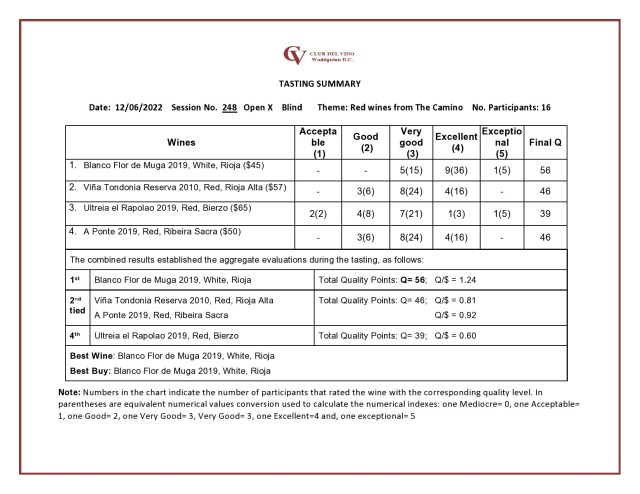

 Club del Vino - Washington DC area