Tasting No. 184 – January 30, 2017 – Pinot Noir from the Old and New Worlds


 Club del Vino


Capri Ristorante, McLean VA

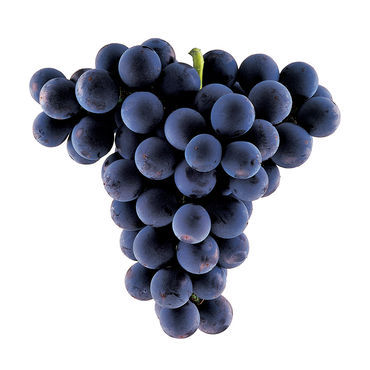
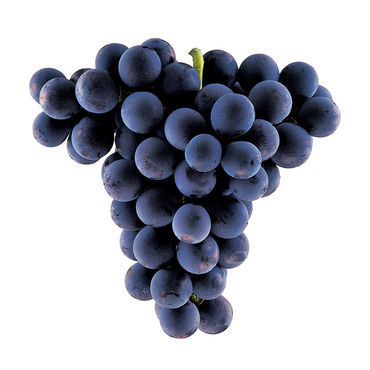
Grapes

1. Presenters and Participants

Wines presenters: Ruth Connolly, Ginger Smart

Participants

MembersMarcello Averburg, Ruth Connolly, Clarita Estrada, Jaime Estupiñán, Jorge Garcia-Garcia, Peter Lapera, Orlando Mason, John Redwood, Lucía Redwood, Jorge Requena, Alfonso Sánchez, Xavi Vila, German Zincke.

Guests:

Type of Tasting: Open

2. The Wines  

The  main objective of this tasting is to distinguish the differences between the Old and New World Pinot Noir wines.

  1. 2014 Errazuriz, Chardonnay  Wild Ferment, Casablanca Valley 
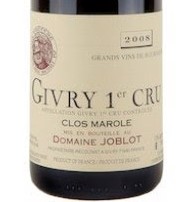
  2. 2015 Domaine Joblot Givry 1er Cru, Clos Marole
  3. 2015 Quentin Jeannette Maranges, Vieilles Vignes
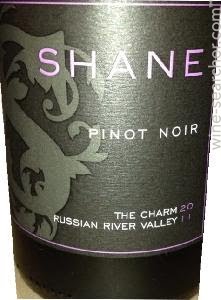
  4. 2013  Shane, The Charm Pinot Noir,  Russian River Valley

3. The Menu

  1. Lobster bisque
  2. Raviolis stuffed with mushrooms and a brown sauce
  3. Salmon salad with spinach and pine nuts
  4. Beef with red wine sauce
  5. Dessert/Coffe

4. Information on the Wines

(The information below has been compiled from varios internet sources) .

2014 Errazuriz Chardonnay Wild Ferment, Casablanca Valley 

errazuriz-wild-ferment-chardonnay-casablanca-valley-chile-10545272The Wine: A top name in Chile, Errazuriz owns vineyards in Aconcagua, Casablanca and Curico. Natural yeasts are used here, with 10% French oak for fermentation, resulting in a balanced wine full of bright citrus fruit, a subtle sweet oak nose, a creamy texture and brisk acidity.

Wild Ferment wines are fermented using the wild yeast present on the grapes and in the air contributing with more distinctive flavours, richer mouth-feel and greater complexity to the wine.

Winemaking: Hand picked grapes were rigorously sorted, selected and fermented at low temperatures to retain acidity. Wild yeasts added layers of complexity, richness and texture to the wine. Ten months ageing in French oak barrels “sur-lie” gave even more complexity and creaminess.
Character: Rich, mouth filling and creamy with rich ripe fruit characters, toasty spice balanced by crisp acidity and a long finish.

This wine comes from la Escultura Estate in the Casablanca Valley, where the abundant sunshine and cool Pacific breezes create a long, growing season, creating superb ripeness and balance.

The Winery:  Casablanca Valley is a wine-growing region of Chile, located 60 miles (100km) north-west of the country’s capital, Santiago. The east-west-oriented valley is roughly 19 miles (30km) long, stretching to the eastern border of the Valparaiso province. It is best known for its crisp white wines, most notably Sauvignon Blanc and Chardonnay, which have gained it recognition as one of Chile’s quality wine regions. Pinot Noir, which is responsive to the cooler climates found in this coastal area, is also grown with some success.

Given the valley’s location at 33°S (much closer to the Equator than any European vineyard), viticulture here is possible largely because of the oceanic influence, which brings cool morning fog and greater cloud cover than is found elsewhere in the north of Chile. It is this cooler climate that makes Casablanca’s white wines stand out from their local rivals. With a longer ripening period, the white grapes have more time to develop greater flavor complexity, while maintaining sugars and acids in balance.

Read more at: http://www.wine-searcher.com/regions-casablanca+valley

 2015 Domaine Joblot Givry 1er Cru, Clos Marole

domaine-joblot-clos-marole-givry-premier-cru-france-10651824The Wine.  The Givry Clos Marole red from Domaine Joblot is a Premier Cru from Pinot Noir (100%).  Deep ruby color with aromas of red and black fruit (blackcurrant, morello cherry). In the mouth, the juice is full-bodied, coated with fine tannins but with fleshy character to be refined over the years. It is a wine with fine tannins,  A worthy representative of the wines of the appellation.

The Winery:  Clos Marole is an official Premier Cru vineyard of the Givry appellation in the Cote Chalonnaise sub-region of Burgundy. It is one of about 30 vineyards granted this status and allowed to append their name to that of the Givry appellation on wine labels.

Givry itself is one of the five communal titles of the Chalonnaise, producing predominantly red wines from the Pinot Noir grape variety. The appellation’s relatively rare white wines are made from Chardonnay and account for around 10% of the total output. Givry was once the epicenter of Chalonnaise wine production and its fame stretches back to the 16th century when it was King Henri IV’s preferred source of wine.

The Givry Premier Cru vineyards are regarded as having the finest terroir of the area and thus produce the most highly regarded of the appellation’s wines. They are planted on sandstone- and limestone-rich soils, the best of which lie on the south-facing slopes immediately west of Givry village. The sites here vary in altitude from about 500ft to 1000ft (150–300m), with the higher vineyards sharing their land with quarries that dot the hillsides – clearly demonstrating the soil structure below the vines.

Read more at: http://www.wine-searcher.com/regions-givry+clos+marole

 2015 Quentin Jeannette Maranges, Vieilles Vignes    

domaine-matrot-maranges-vieilles-vignes-cote-de-beaune-france-10558710The Wine:  Light ruby, red berries aromas and flavors, a bit of spiciness, short final not too complex.

The Winery: Maranges is the southernmost wine-producing commune of the Cote de Beaune in Burgundy, taking its name from the three villages within its catchment area: Cheilly-les-Maranges, Dezize-les-Maranges and Sampigny-les-Maranges. The Maranges appellation produces medium-bodied red wines from Pinot Noir, which are best consumed within a few years of vintage. White wines made from Chardonnay are permitted under the appellation laws, but are produced only in very small quantities.

Read more at: http://www.wine-searcher.com/regions-maranges

 2013 Shane, The Charm, Pinot Noir Russian River Valley 

shane-wine-cellars-the-charm-pinot-noir-russian-river-valley-usa-10783918The Wine: Shane’s notes: The Charm has a deep garnet color. The aromatics are highlighted by a mélange of red fruits and baking spices. Elements of rose petals, Rainer cherries, allspice and ripe strawberries accentuate the aromatics. The plush mid-palate exhibits tones of raspberries, cardamom, and red apple skin. Focused acidity and refined tannins shape the finish filled with pluot, cinnamon, and cola.

The Winery: Russian River Valley, one of the United States’ top-ranked wine regions, is located at the heart of Sonoma County, California. One of California’s coolest and foggiest AVAs (particularly in its southern and western portions), the valley has a cool growing season and a long, slow, ripening period which promotes complexity and balance in the wines. As a result, Russian River Valley wines are widely respected, particularly those made from Pinot Noir and Chardonnay.

The 2013 Charm is sourced primarily from the Floodgate Vineyard as well as the Graham Vineyard. Both vineyards embody the classic spirit of the Russian River Valley and its Goldridge soils. The vineyards produce wines of supple texture and a bright red fruit profile.

Read more at: https://www.shanewines.com/vineyards/index.html and http://www.wine-searcher.com/regions-russian+river+valley

4.  CV members Rating

Rating Scale:

      • 96-100 Pts. – Exceptional
      • 90-95 Pts.  –  Outstanding
      • 86-89 Pts.  –  Very good
      • 81-85 Pts.  –  Good
      • 76-80 Pts.  –  Acceptable
      • 75 or fewer – Mediocre

Participants ranking, average scores and wine prices:

2014 Errazuriz, Chardonnay  Wild Ferment, Casablanca Valley                                             Members Score:  91 Pts.                                                                                                                  Experts Score :    93 Pts. James Suckling                                                                                       $18

Selected comments: Fruit and acid in balance, tasty, balanced, excellent, finish medium.

2015 Domaine Joblot Givry 1er Cru, Clos Marole                                                                  Members Score:   91 Pts.                                                                                                                  Experts Score :     90 Pts.                                                                                                                   $40

Selected comments: Good match with salmon. balance, mild tannins, long and complex finish, complex but a bit acidic, the most refined of all, dark color and balance.

2013  Shane, The Charm Pinot Noir,  Russian River Valley                                                   Members Score: 90 Pts.                                                                                                                  Experts Score :    91 Pts. WE                                                                                                            $42

Selected Comments: Deep long finish, a bit too fruity, intense, perfect texture, feels like a Cab, the best buy, acidic and fruity, deep and very complex, great finish.

2015 Quentin Jeannette Maranges, Vieilles Vignes                                                                        Members Score:   86 Pts.                                                                                                                  Experts Score :     NA Pts.                                                                                                                 $30

Selected Comments:  Earthy flavors, oil like odor, weird odor and taste. too light and acidic, weak, short and unbalanced finish, watery, just average

Best value for Money: 2014 Errazuriz, Chardonnay  Wild Ferment, Casablanca Valley

See full evaluation here: 184-summary-of-tasting-scores

5. Technical Notes 

Pinot Noir Wine (By Jairo Sánchez)
Taken from Wine Searcher and Wine Folly
Pinot Noir is the red wine grape of Burgundy, now adopted in wine regions all over the world. The variety charm has carried it to all manner of vineyards, from western Germany and northern Italy to Chile, South Africa, Australia and, notably, California, Oregon and New Zealand. It is the patriarch of the Pinot family of grape varieties – so called because their bunches are similar in shape to a pine cone. Other members of this family include Pinot Gris, Pinot Blanc, Pinot Meunier, Aligote and Pinot Noir’s white-wine counterpart, Chardonnay.

Pinot Noir causes more discussion and dispute than any other grape, most of which centers around finding and describing the variety’s “true” expression. Examples from Santenay are undeniably different from those made on the other side of the world in Central Otago, and yet they are all unmistakably, unquestionably Pinot Noir. It takes a great deal of care and skill to make Pinot perform, and the results vary wildly from watery, acidic candy water to some of the richest, most intensely perfumed wines on Earth. This elusive perfection has earned the variety obsessive adoration from wine lovers all over the world.In Burgundy, the traditional vigneron focuses more on soil and climate than on the qualities of the grape variety itself. Even very subtle differences in terroir are reflected in Pinot Noir wines made there.

Although many winemakers in the New World attempt to emulate the Burgundy style, the newer Pinot regions in Oregon, Washington, California and New Zealand have their own individual expressions and interpretations of the variety.

The essence of Pinot Noir wine is its aroma of strawberry and cherry (fresh red cherries in lighter wines and stewed black cherries in weightier examples), underpinned in the most complex examples by hints of undergrowth. Well-built Pinot Noirs, particularly from warmer harvests, also exhibit notes of leather and violets.

The question of oak in Pinot Noir winemaking is frequently raised, as are the length of fermentation and the option of a pre-ferment maceration (cold soak). Cooler temperatures lead to fresher fruit flavors, while longer, warmer fermentations and pigeage (French term for ‘punching down’ – the process of breaking up and plunging down the thick cap of grape solids which forms during fermentation) result in more extracted wines with greater tannic structure.

Although Pinot Noir earns most of its fame from its still, red, varietal wines, the variety is also a vital ingredient in the production of sparkling white wines. For these, it can be used alone, but is most commonly blended with its cousin Chardonnay, and other members of the Pinot family – mainly Pinot Meunier in Champagne and Pinot Blanc in Franciacorta. The highly successful Pinot – Chardonnay sparkling wine blend has been adopted by regions all around the world, in Europe, the Americas, South Africa, Australia and New Zealand. 

Synonyms include: Pinot Nero, Pinot Negro, Spatburgunder, Blauburgunder.  

Dominant Flavors: Cranberry Cherry, Raspbery, Clove, Mushroom 

Where it grows:

France                       57%

USA                            27%

New Zealand              4%

Germany                  2.6%

Italy                           2.4 %

Australia                    2.2%

Chile                            1.5%

Rest of the world      3.5% 

Pinot Noir Wine Taste Regional Differences 

Raspberry and Clove                   Cranberry and Mushroom

California                                              France

Central Otago NZ                                Germany

South Australia                                    Italy

Chile                                                     Oregon

Argentina


Posted in Meeting Abstract | Tagged , | Leave a comment

Tasting No. 183 – December 19, 2016 – Sparkling Wines


 Club del Vino


Capri Ristorante, McLean VA

By Sven Teschke, Büdingen - Own work, CC BY-SA 3.0,

By Sven Teschke, Büdingen – Own work, CC BY-SA 3.0,

1. Presenters and Participants

Wines presenters: John and Lucia Redwood, Pedro Turina

Participants

Members: Mario Aguilar, Jorge Claro, Jorge García-García, Ruth Connolly, Clara Estrada, Peter Lapera,  Alvaro Lopez, Italo Mirkow, Lucia Redwood, John Redwood, Raúl Sanguinetti, Alfonso Sánchez,  Pedro Turina, Xavier Villa, Ricardo Zavaleta.

Guests: Atilio Nieto

Type of Tasting: Blind

2. The Wines  

The  main objective of this tasting is distinguish the differences of sparkling wines from different regions of the old world.  

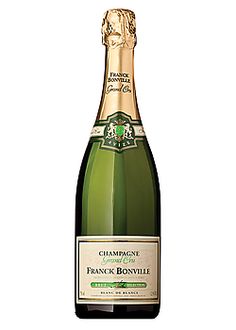
  1. Franck Bonville Grand Cru Brut, Champagne, France
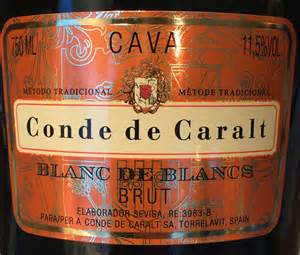
  2. Conde de Caralt Blanc de Blancs, Spain
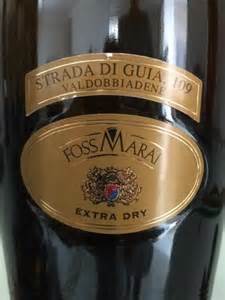
  3. Foss Marai Prosecco Extra Dry, Valdobbiadene, Italy
  4. De Margerie Bouzy Rouge Pinot Noir, Coteaux Champenois, France

3. The Menu

  1. Fresh homemade lentil soup
  2. Salad with baby arugula, goat cheese, walnuts, cherry tomatoes tossed in virgin olive oil
  3. Homemade agnolotti filled with fresh spinach, imported ricota & parmesan cheese in a cream sauce
  4. Lamb chops with rosemary sauce, roasted potatoes and green beans
  5. Dessert/coffe

4. Information on the Wines

(The information below has been compiled from varios internet sources) .

Franck Bonville Grand Cru Brut, Champagne, France  

frank-bonvilleThe Wine: This Blanc de Blancs Champaigne is made  from white-wine grapes while Blanc de Noirs is made from red varieties.  The most commonly used variety in Blancs de Blancs wine is Chardonnay the oly whote variety planted in Champagne). Other varieties include  Pinot Gris, Pinot Blanc, Petit Meslier and Arbane.

The Wine Enthusiast: “From the heartland of Chardonnay in Champagne comes this rich, creamy, apple-flavored wine. It has lively acidity, balanced with some sweetness from the dosage. It ha weight and a crisp aftertaste”  It is also described as “Dry, Tropical, Apple, Light-bodied”.

Gilbert and Gailard: “Light gold. Pleasant, focused, distinctive nose marrying white flowers and hazelnut. Clean attack on the palate, rapidly developing the same delightful aromas. Lingering finish driven by almond and hazelnut tones. Suitable for stylish pre-dinner drinks”.

The Winery:  A cru is a winemaking village where a specific combination of grape variety, terroir and climate are found. There are 320 crus in Champagne and 278,000 individual plots, each with their own identity. 17 Grand Cru villages cover 14% of the total surface area of the Champagne appellation. Out of those 17, only six are found in the Côte des Blancs. Our 77 vineyard plots are located in three Grand Cru villages: Avize, Oger, and Le Mesnil-sur-Oger.

Read more at: http://champagne-franck-bonville.com/

 Conde de Caralt Blanc de Blancs

conde-de-caraltThe Wine. Cava Blend is a term used to describe the composition of the iconic sparkling wines of Spain. This blend is principally made up of three grape varieties: Macabeo (often written Macabeu), Xarel-lo and Parellada. In 1986, Chardonnay was officially allowed in the blend, signaling Spain’s intention to move with the times and compete with the other sparkling wines of Europe. White Malvasía and dark-skinned varieties Pinot Noir, Garnacha, Monastrell and Trepat are other recent additions to the list of permitted Cava grape varieties.

Good-quality Cavas are known for their well-integrated autolytic characteristics of toast, cream and secondary nut (almond) flavors. Wines with higher Pinot Noir content may show more cherry and berry flavors, while more traditional blends display green apple, peach and even earthy notes.  Taken from http://www.wine-searcher.com/grape-1681-cava-blend

This cava “opens up with an enticing orange blossom bouquet, lively bubble trails and fine mousse.  On the palate, the wine is creamy, clean and refreshing. Flavors of apples, citrus, brioche and vanilla resolve with lively mineral notes into a well-blended finish.” It is also described as “Dry, Citrus, Toast, Medium-bodied”.

The Winery.  Back before phylloxera tore through European vineyards, a small group of folks in Penedés (Catalonia)  decided to use the Méthode Champenoise to establish Penedés as the Spanish equivalent region.  After the phylloxera bug destroyed most vineyards in Penedés, they were planted with stocks from America that permitted the recovery of the sparkling wine.  Literally meaning ‘cave’ or ‘cellar’, Cava can only be grown from 5 grapes, parellada, xarel-lo, macabeo, chardonnay, and the rarely used subirat (aka malvasia).  The first 3 are most common, each lending character of acid, fruit, delicacy, and finesse to the wine.  The overall product is something like anti-champagne, a bottle of ready to drink fantastic wine that almost everyone can afford.  Conde de Caralt Brut Cava is made by Freixenet, who is one of the two largest producers of Cava on the planet.

Foss Marai Prosecco Extra Dry, Valdobbiadene    

foss-maraiThe Wine:  Described as “Textbook Prosecco, this delivers lush apple and cream flavors with plenty of bubbles.  It feels juicy, round and fresh finishing clean.  A fine summer aperitivo.”  It is also described as “Dry, Apple, Floral, Medium-bodied”. View: Straw yellow.
Nose: intense and elegant acacia and apple available in a perfect and harmonious combination notes.
Mouth: sensation of green fruits, perfect balance between sugar and acid will, velvety character.

The Winery: Foss Marai is certainly one of the essential names in the context of Prosecco. This is a far-sighted and ambitious winery, which has decided to focus strongly on the quality and elegance. In this way, Foss Marai has earned numerous appreciations and a starring role in the Italian wine scene. Marai is nothing more than the name of a valley in the area of Guia, where is the headquarters of the winery, in a beautiful hillside covered with vineyards of Prosecco. Nearly a hundred years after its foundation, the current owner Carlo Biasiotto continues to invest with conviction on the road of quality and elegance, like the sophisticated design of the bottles. The goal of the winery is to maintain a close relationship with modernity, but without submitting to the fashions, using the traditional base as essential in order to progress into the future. So Foss Marai is now considered one of the most appreciated and respected, with a proposal for a Prosecco and Cartizze. (Taken from Callmewine.com)

Read more at: http://www.fossmarai.com/home

 De Margerie Bouzy Rouge Pinot Noir, Coteaux Champenois 

de-margerieThe Wine: “The Grand Cru classified region pf Bouzy in Champange is famous for its Pinot Noir. Made from 100% estate grown grapes, this simply delightful red boast a nose and matching palate of soft cherry and strawberry, perfectly balanced with creamy vanilla flavors.”  It is also described as “Elegant. Cherry, Strawberry, Medium-bodied.”

4.  CV members Rating

There was a tie amongst the three red wines all at 91 points.

Rating Scale:

      • 96-100 Pts. – Exceptional
      • 90-95 Pts.  –  Outstanding
      • 86-89 Pts.  –  Very good
      • 81-85 Pts.  –  Good
      • 76-80 Pts.  –  Acceptable
      • 75 or fewer – Mediocre

Experts Score shown is an average of internationally recognized wine experts.

Participants ranking, average scores and wine prices:

  1. Franck Bonville Grand Cru Brut, Champagne, France                                                            Members Score:    89 Pts.                                                                                                                  Experts Score :  NA                                                                                                                       $45
  2. Foss Marai Prosecco Extra Dry, Valdobbiadene, Italy                                                      Members Score:   89 Pts.                                                                                                                  Experts Score :     NA.                                                                                                                      $35
  3. Conde de Caralt Blanc de Blancs, Cava, Spain                                                          Members Score:    88 Pts.                                                                                                                  Experts Score :    NA                                                                                                                      $15

Best value for Money: Conde de Caralt Blanc de Blancs, Cava, Spain

See full evaluation here: 183-sparkling

5. Technical Notes 

TBA


Posted in Meeting Abstract | Tagged , , , , | Leave a comment

Tasting No. 182 – October 31, 2016 – Wines from Bordeaux


 Club del Vino


Capri Ristorante, McLean VA

Elegant Aging - Burdeaux

Elegant Aging – Bordeaux

1. Presenters and Participants

Wines presenters: Orlando Mason and Jaime Estupiñán

Participants

Members: Mario Aguilar, Marcello Averburg, Jorge Claro, Ruth Connolly, Clarita Estrada, Jaime Estupiñán, Jaime Jaramillo, Peter Lapera,  Alvaro López, Orlando Mason, Italo Mirkow, Lucia Redwood. John Redwood, Jorge Requena, Alfonso Sanchez, Jairo Sanchez, Raul Sanginetti, Pedro Turina, Ricardo Zavaleta, Germán Zincke.

Guests: Eliana Vergara

Type of Tasting: Blind

2. The Wines  

The  main objectives of this tasting are to appreciate the features of each wine, distinguish the features of red wines from the “right and left bank” of the wines (two are from the right Bank and one is from the left bank) and rank them in order of preference.

  1. 2014 – Denis Dubourdieu Chateau Doisy-Daene Blanc Sec, Bordeaux
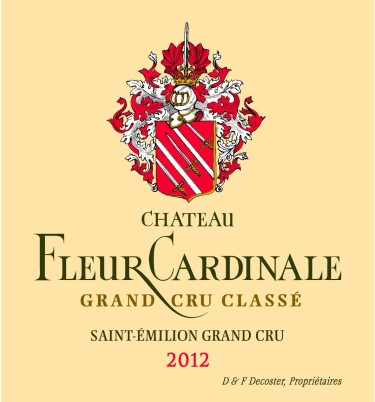
  2. 2012 – Chateau Fleur Cardinale, St Emilion Gran Cru
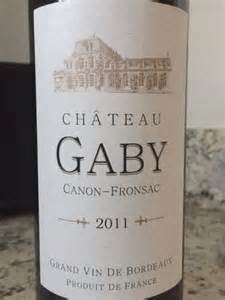
  3. 2011 – Chateau du Gaby, Canon-Fronsac
  4. 2012 – Chateau Cantenac Brown, Margaux

3. The Menu

  1. Steamed mussels in white wine sauce
  2. Green salad
  3. Grilled entrecote and fried potatoes
  4. Assorted cheese plate
  5. Dessert/coffee

4. Information on the Wines

(The information below has been compiled from varios internet sources) .

2014 – Denis Dubourdieu Chateau Doisy-Daene Blanc Sec, Bordeaux 

denis-dubourdieu-chateau-doisy-daene-blanc-sec-bordeaux-france-10109896The Wine: This wine is 100 percent Sauvignon Blanc.

“The Doisy-Daëne Blanc Sec 2014 has a pleasant, refined bouquet with scents of green apple intermingling with lime and granitic scents. The palate is taut and fresh with a sharp, almost but not quite “shrill” line of acidity, with a penetrating malic finish that leaves the palate feeling totally refreshed and asking for more. Very fine.” (Robert Parker)The Winery:  The 16.3 hectare Chateau Doisy Daene Sauternes vineyard, situated, close to Chateau Climens , in Barsac, has a terroir that consists of red sand, clay and limestone soils. The vineyards are planted to 80% Semillon and 20% Sauvignon Blanc. Although there is a small portion of Muscadelle planted in the vineyard as well. The vines are planted to a density of 7,000 vines per hectare. On average, the vines are 35 years of age.

Aside from their sweet, white Bordeaux wine, which is their mainstay, Chateau Doisy Daene produces two additional wines. They make a dry white wine from 100% Sauvignon Blanc, which is sold as a Bordeaux blanc. This is denoted by the term Grand Vin Sec, which appears on the label.
Read more at:http://www.thewinecellarinsider.com/bordeaux-wine-producer-profiles/bordeaux/sauternesbarsac/doisy-daene/

2012 – Chateau Fleur Cardinale, St Emilion Gran Cru

fleurThe Wine. Château Fleur Cardinale is a 60-acre Grand Cru estate in St.-Emilion. Though the estate dates back several centuries, its current owners, Florence and Dominique Decoster, purchased it in 2001. The flagship wine is about 80% Merlot, 15% Cabernet Franc and 5% Cabernet Sauvignon and about 45,000 bottles are produced annually.  The wine displays a deep, dense-coloured hue, while on the nose there are powerful ripe fruit aromas mingling with floral notes. Feminine in style, the wines have a seductive, rich mouth-feel, underpinned by elegant, silky tannins. The finish is long and harmonious, promising very long ageing potential in bottle.

The Winery. Thanks to constant investments, both in the vineyard and in the winery, Chateau Fleur Cardinale quickly became a blue chip of the appellation. Noted for its consistent quality, Château Fleur Cardinale was promoted to the rank of Saint-Emilion Grand Cru Classé in 2006 and confirmed in 2012. The two properties owned by Florence and Dominique Decoster extend across a 23.5 hectare area for the Château Fleur Cardinale, and a 4 hectare area for the Château Croix Cardinale.  The two vineyards are planted on clay-limestone soil in the middle of the hillsides and they enjoy an identical harvest, notable for its 75% dominance of Merlot together with 20% Cabernet Franc and 5% Cabernet Sauvignon.

Read more about Fleur Cardinale Chateau vineyards and winery here: http://www.fleurcardinale.com/en/

 2011 – Chateau du Gaby, Canon-Fronsac    

gabyThe Wine:  The wine is 80 % Merlot and 20% Cabernet Franc.  To produce the wine of Chateau Gaby, the wine is fermented and vinified in temperature controlled, traditional shaped, cement vats. The wine is aged in 55% new, French, oak barrels for between 12 and 18 months, depending on the vintage. There is a second wine , La Roche Gaby. La Roche Gaby chose its moniker as a homage to the estates long history recalling that La Roche Gaby was the original name of the chateau and its wine. On average, 7,000 cases of Chateau Gaby are produced each vintage.

The Winery: Chateau du Gaby is a historic chateau perched on top of a sloping limestone plateau and facing south over the river Dordogne. The chateau is surrounded by its own park and 16 hectares of rolling vineyards

The winery is located on the right bank are northwest of St-Émilion and Pomerol. Canon-Fronsac is located within Fronsac. The wines are quite similar, with Canon-Fronsac having a slightly different soil than Fronsac. They are another example of good-value Bordeaux, benefiting from close proximity to the river and good soils similar to their southern neighbors. In the past few decades, winemakers have made more of an investment in making high-quality wine from the Fronsac region.

Read more at:http://www.thewinecellarinsider.com/bordeaux-wine-producer-profiles/bordeaux/satellite-appellations/chateau-du-gaby-canon-fronsac-bordeaux-wine/

2012 – Chateau Cantenac Brown, Margaux  

cantenac-brown-2012The Wine: This wine is a blend of 65% Cabernet Sauvignon and 35% Merlot. James Sucklig describes the wine as “very intense for the vintage in the Medoc with blueberry, mineral and blackcurrant character. Full and chewy. Needs two or three years to soften but already there.”  Other features include earthy, tobacco, fresh, bright, crisp, cassis and dark cocoa, with a tannic, energetic, smooth finish.

The Winery: Today, the Château Cantenac Brown vineyard covers 42 hectares in the south of the Margaux appellation, mainly in the Cantenac commune. Located in the communes of Arsac, Soussans, Margaux, Cantenac and Labarde, the Margaux appellation terroirs are terraced groups of gravel, ensuring good natural drainage. Each terroir is different and produces a unique wine. The Cantenac Brown soil is typical Medoc gravel. This beautiful, brilliant quartz, formerly called “Medoc diamonds” reflects the sun’s rays onto the grapes by day and then releases the heat stored during the day to warm the grapes by night. Cabernets, in particular Cabernet Sauvignons, do well in this soil. They produce fine wines, with an intense bouquet, which are suitable for aging. Merlot, with which they are blended, provides color, richness and smoothness.

Read more about Chateau Cantenac Brown winery and wine yards here: http://www.cantenacbrown.com/en/

4.  CV members Rating

There was a tie amongst the three red wines all at 91 points.

Rating Scale:

  • 96-100 Pts. – Exceptional
  • 90-95 Pts.  –  Outstanding
  • 86-89 Pts.  –  Very good
  • 81-85 Pts.  –  Good
  • 76-80 Pts.  –  Acceptable
  • 75 or fewer – Mediocre

Experts Score shown is an average of internationally recognized wine experts.

Participants ranking, average scores and wine prices:

  1. 2012 – Chateau Fleur Cardinale, St Emilion Gran Cru                                                                                                                         Members Score:  91 Pts.                                                                                                                  Experts Score : 89 Pts.                                                                                                                      $ 45
  2. 2011 – Chateau du Gaby, Canon-Fronsac                                                                                                                                      Members Score:   91 Pts.                                                                                                              Experts Score: 87 Pts.                                                                                                                  $25
  3. 2012 – Chateau Cantenac Brown, Margaux                                                                                                                            Members Score:   91 Pts.                                                                                                            Experts Score 90 Pts.                                                                                                                        $47
  4. 2014 – Denis Dubourdieu Chateau Doisy-Daene Blanc Sec, Bordeaux                                                                                                                                 Members Score:  89 Pts.                                                                                                       Experts Score 89 Pts.                                                                                                                  $23

The participants preference (by show of hands before disclosing the wines) was: St Emilion Chateau Fleur

Best value for Money: Chateau du Gavy Canon – Fronsac

See full evaluation here: https://clubvino1.com/wp-content/uploads/2016/10/tastingscoressummarybordeauxwines.pdf

5. Technical Notes 

Read more about the Bordeaux regions here: http://winefolly.com/review/a-primer-to-bordeaux-wine/

Here is a note in Spanish prepared for an earlier meeting of the CV on the theme of Bordeaux that gives a short but comprehensive overview: reunion-127-11-17-11-graves-st-emilon-medoc-sauternes


Posted in Meeting Abstract | Tagged , , , | Leave a comment

Tasting No. 181 – September 26, 2016 – Wines from North and Central Italy


 Club del Vino


Capri Ristorante, McLean VA

vineyards_in_chianti_country

Vine yards in Tuscany

1. Presenters and Participants

Wines presenters: Jorge Requena and Jairo Sanchez

Participants

Members: Mario Aguilar, Marcello Averburg,  Jorge Claro, Ruth Connoly, Clarita Estrada,  Jaime Estupiñán, Jorge García-García, Peter Lapera, Alvaro López, Orlando Mason, Ítalo Mirkow, John Redwood, Lucía Redwood, Jorge Requena, Alfonso Sanchez, Jairo Sanchez, Xavi Vila, Ricardo Zavaleta, Germán Zincke.

Guests: Jaime Jaramillo

Type of Tasting: Blind

2. The Wines  

The  main objectives of this tasting are to appreciate the features of each wine,  distinguish the varieties  of the wines and rank them in order of preference.

  1. 2015 – Blanco Vietti,  DOCG Roero Arneis, Piemonte
  2. 2011 – Massi Costasera, Amarone Clasico DOGC Amarone de la Valpolicella, Veneto
  3. 2011 – Vasco Sassetti, Brunello di Montacino DOCG, Tuscany
  4. 2011 – Pio Cesare, Barolo Vigneti Di Proprieta. Alba Italia, DOCG, Piedmonte

3. The Menu

  1. Seafood salad
  2. Assorted cheeses plate
  3. Duck and cheese risotto
  4. Grilled steak with mushroom sauce
  5. Dessert/coffee

4. Information on the Wines

(The information below has been compiled from varios internet sources) .

2015 – Blanco Vietti, DOCG Roero Arneis, Piemonte 

vietti-roero-arneis-docg-piedmont-italy-10618940The Wine: Pale sunshine yellow color with fresh floral, citrus and melon aromas with hints of almond. An unoaked, dry, medium bodied white wine with crisp acidity, the Arneis is well-balanced, elegant wine with good complexity and a lingering finish. This winw is 100% Arneis The grapes are selected from vineyards located in the middle of the Roero area, in Santo Stefano Roero. The vineyards are planted with 4.500-5.000 plants per hectare. Beginning in mid-September, grapes from 25-year-old vines in Santo Stefano Roero are harvested, pressed and clarified. Alcoholic fermentation occurs in stainless steel autoclave at lower temperature (10-12°C, 50-53° F) to preserve some natural CO2 from the fermentation. There is no malolactic fermentation, which preserves acidity and freshness. The wine is held in stainless steel tanks until bottling.

Alcohol: 13,80%.

The Winery:  Mario Vietti, starting from 1919 made the first Vietti wines, selling most of the production in Italy. Then, in 1952, Alfredo Currado (Luciana Vietti’s husband) continued to produce high quality wines from their own vineyards and purchased grapes. Alfredo was one of the first to select and vinify grapes from single vineyards (such as Brunate, Rocche and Villero). This was a radical concept at the time, but today virtually every vintner making Barolo and Barbaresco wines offers “single vineyard” or “cru-designated” wines.  Alfredo is also called the “father of Arneis” as in 1967 he invested a lot of time to rediscover and understand this nearly-lost variety. Today Arneis is the most famous white wine from Roero area, north of Barolo. Setting such a fine example with Arneis, even fellow vintners as far away those on the west coast of the United States now are cultivating and producing Arneis!

In 1970 Alfredo and Luciana, through their friendship and support to some local artists, started to update their wine labels.  Artists such as Gianni Gallo, Eso Peluzzi, Pietro Cascella, Mino Maccari, Pier Paolo Pasolini, Claudio Bonichi, Valerio Miroglio, Pierflavio Gallina, Gioxe de Micheli, have had their works displayed to a much wider audience via the bottles of Vietti wines. The whole collection of artist labels has been shown at the Museum of Modern Art of New York.

Read more about Vietti Winery and see the collection of labels here: http://www.vietti.com/en/

 2011 – Massi Costasera, Amarone Clasico ,DOGC, Amarone de la Valpolicella, Veneto

masi-costasera-amarone-della-valpolicella-classico-docg-italy-10091106The Wine. Deep ruby red color. It has aromas of baked fruit, plums and cherries. It has a fruity taste, with notes of coffee and cocoa. Very well balanced. The Valpolicella Blend is based on three indigenous red-wine grape varieties grown in the Veneto region in Italy’s northeast. Corvina, Rondinella and Molinara are the trio primarily involved in the Valpolicella, although it could easily be argued that the production method is equally as important – the three varieties are semi-dried to make Amarone, possibly their most famous incarnation.  (See Amoren winemaking process below in the Technival Note).

Alcohol: 15%

The Winery. In Valpolicella Classica Hills Costasera, the slopes that face the sunset are traditionally considered the best for making Amarone. Here, where the daylight lasts longest, the vines that look over Lake Garda benefit from its reflected light and from its milder climate. The vineyards that make Amarone Costasera and Amarone Riserva di Costasera are located in historic sites in the districts of Marano, Negrar, Sant’Ambrogio and San Pietro in Cariano. Loose red earth on Eocene limestone and compact red earth on basalt and the different types of soil bring out the quality of characteristics of the great wines made here. Corvina, Rondinella and Molinara, the traditional grapes for the area, are trained in the customary fashion for the Valpolicella Classica region: the pergola Veronese system is used for vineyards high in the hills and Guyot for the lower foothill sites.

Le Venezie (the Venetian regions) are the location for an acknowledged and internationally famous thousand-year-old way of life. The history of Masi is the history of a family and its vineyards in Verona, part of the Veneto. The name itself derives from the Vaio dei Masi, the small valley purchased at the end of the XVIII century by the Boscaini family, still its owners today. Masi now has lands in the best terroir sites of the Venetian regions with vineyards and historic estates. Since 1973, Masi has collaborated with the Conti Serego Alighieri family, descendants of the poet Dante, on their estates in Valpolicella. More recently, a collaboration has been launched with the Conti Bossi Fedrigotti family, who have always made wine with passion and skill in Trentino.

Read more about Masi vineyards and winery here: http://www.masi.it/eng/venetian_values/history

 2011 – Vasco Sassetti ,Brunello di Montacino, DOCG,Tuscany    

vasco%20sassetti%20brunelloThe Wine:  Deep ruby red color, with paint still young. Aromas characterized by sensory spicy notes reminiscent of jam berries, marked hints of tobacco and pleasant hints of vanilla. It has a great structure. The full body wraps a considerable amount of mature tannins, which are refined gradually with the stay in the bottle making the much more pleasant taste. Long and warm. Sangiovese 100%.

Fermentation on the skins for a period of 15-18 days at a controlled temperature below 28 C in stainless steel tanks of 100 hl, specially designed to gently extract color and tannins. Aged 4 years, 3 of which in oak casks of 30 hl capacity and subsequent aging in bottle for at least 6 months in temperature controlled rooms.

Alcohol: 14.5%

The Winery: There is little information on the web about this winery.  The following paragraphs are from wine.com webpage.

“For over three generations, the Sassetti family has been producing wine in Montalcino. The “Podere Pertimali” with its 16 hectares of vineyards is nestled on a slope in the Montosoli hill, north of Montalcino, one of the most favorable terroirs for Sangiovese in the area. Maintaining the family tradition, Livio has renovated and extended the vineyards, retaining the genetic material of the original vines and preserving their primigenial characteristics.In 1967, Livio is among the founders of Consorzio del Brunello di Montalcino. In 1968, Livio built a terracotta wall in his cellar, to keep the old vintages of the wines produced by his family. Today, this collection counts over 1000 bottles, among which stands out the ‘grandmother’ of the current production, a bottle dated 1915!.  In 1999 The Sassetti family purchased a property in the Tuscan Maremma, La Querciolina. within the DOC Montecucco. Thanks to their passion and experience, untended fields turned into vineyards able to produce Sangiovese and Ciliegiolo of great quality.Today, both wineries are managed by Lorenzo Sassetti, Livio’s son, who is focused in continuing his family’s winemaking tradition.”

2011 – Pio Cesare, Barolo Vigneti Di Proprieta. Alba Italia, DOCG, Piedmonte  

pio-cesare-3The Wine: A classic Barolo. Excellent structure and harmony, mild tannins and balanced fruit. It is immediately approachable, but it has a very long ageing potential.  Nebbiolo is sourced from family owned vineyards in Serralunga d’Alba (Ornato), Grinzane Cavour (Gustava), La Morra (Roncaglie), Barolo -Novello (Ravera). The balance of the grapes comes from other exclusive vineyards owned by “growers” who have been providing grapes to the Pio Family for generations.  The vinification is made in stainless steel tanks. Skin contact for about 20 days. The aging takes place in mid toasted French oak for 3 years: 70% in 20 to 50 hectoliters casks; 30% in barriques.

Alcohol: 14.5%

The Winery:  The Pio Cesare winery was founded in 1881 by our great-grandfather Cesare Pio. He was one of the very first wine producers to believe in the great potential and quality of Barolo, Barbaresco, Barbera and in the other great wines of Piemonte. Cesare Pio in the second portion of 1800s, was among the very first winemakers to produce these wines with a philosophy that was dedicated to the terroir and the strictest quality of the wine.  For five generations, the Pio Cesare family has been producing traditional Piemontese wines in its ancient cellars, located in the centre of the town of Alba.

Pio Cesare ownes more than 50 hectares (130 acres) of vineyards, located in the most highly rated and better exposed areas. Within the Barolo region, the “Ornato” Estate and the “Colombaro” Vineyard (in Serralunga d’Alba), the “Gustava” Estate (in Grinzane Cavour), the “Roncaglie” (in la Morra) and “Ravera” (in Barolo-Novello). Within the Barbaresco territory, the “Il Bricco” Estate and the “San Stefanetto” Vineyards in Treiso. Other selected vineyards are located in communes of Diano d’Alba, Sinio and Trezzo Tinella. In addition to his own vineyards, Pio Cesare has fostered long term relationships with growers for several generations and manages all aspects of viticultures in these vineyards. This growers have been selling grapes to the family for generations.

Read more about Pio Cesare winery and wine yards here: http://piocesare.it/home.htm

 4.  CV members Rating

Rating Scale:

  • 96-100 Pts. – Exceptional
  • 90-95 Pts.  –  Outstanding
  • 86-89 Pts.  –  Very good
  • 81-85 Pts.  –  Good
  • 76-80 Pts.  –  Acceptable
  • 75 or fewer – Mediocre

Participants ranking, average scores and wine prices:

  1. 2011 – Massi Costasera, Amarone Clasico                                                       Members Score:  92 Pts.                                                                                                       Experts Score WS 92 Pts.                                                                                                                  $ 48
  2. 2011 – Vasco Sassetti, Brunello di Montacino                                                   Members Score:   91 Pts.                                                                                                     Experts Score RP 88 Pts.                                                                                                                $ 34
  3. 2015 – Blanco Vietti                                                                                                 Members Score:   90 Pts.                                                                                                            Experts Score NA.                                                                                                                         $24
  4. 2011 – Pio Cesare, Barolo Vigneti Di Proprieta.                                             Members Score:  89 Pts.                                                                                                       Experts Score RP 92 Pts.                                                                                                            $59

The participants preference (by show of hands before disclosing the wines) was: 2011 – Massi Costasera, Amarone Clasico

Best value for Money: 2011 – Vasco Sassetti, Brunello di Montacino

5. Technical Notes 

Compiled by Jairo Sanchez from Wine Searcher, Wikipedia and Wine Folly

Italy has a rich and diverse wine heritage dating back more than two thousand years. Famous for its bewildering diversity of both grape varieties and wine styles, Italy is also significant for the sheer volume of wine it produces: just over 40 million hL in 2012, from 800,000 ha. of vineyards. When both quality and quantity are taken into consideration, The most significant wine regions in Italy are Tuscany, Piedmont and Veneto.

Each region has its flagship wine styles. Some are famous because they are produced in large volumes and can be found all over the world, others because of their consistently high quality. Tuscany is known for its Chianti, of course, but among devoted wine aficionados its Brunello and Vino Nobile are even more highly regarded. Likewise, Piedmont’s most famous wine is now Moscato d’Asti but the region is most respected for its Barolo and Barbaresco. Veneto’s vast output of Prosecco, Soave and varietal Pinot Grigio does little to boost its reputation as a fine wine region, and yet it produces one of the world’s richest, finest wines: Amarone della Valpolicella.

Italy’s vineyards are home to more than 2000 grape varieties, many of which are on the brink of extinction. The safest and best-known Italian grapes are Sangiovese, Barbera, Nebbiolo, Montepulciano and Pinot Grigio.  These varieties cover many thousands of acres of vineyard, and can be found in various regions. At the other end of the scale are such little-known rarities as Centesimino and Dorona, which are found in tiny numbers in just one or two places.

All of Italy’s grape varieties, famous or not, face serious competition from better-known French varieties such as Cabernet Sauvignon, Merlot, Chardonnay and Sauvignon Blanc. These internationally popular grapes are being planted in ever-increasing numbers all over Italy, and with high success rates. Some of Italy’s finest and most expensive wines are made from these “foreign” varieties. An obvious example is the Super Tuscan Sassicaia from Bolgheri, which is a predominantly Cabernet Sauvignon with a hint of Cabernet Franc.

Vineyards in Italy are planted anywhere from sea-level in eastern Emilia-Romagna to around 1300m in the alpine Aosta Valley. Latitude is also a key factor here; at 46°N, the northern Alto Adige region lies a full 11 degrees north of Pantelleria, leaving it some 680 miles further from the warmth of the equator.

Wine Clasification

The Italian system of wine classification and labeling uses a four-tier quality hierarchy made up of more than 500 DOCG, DOC and IGT titles. Italy is divided into 20 administrative regions, all of which produce wine to some extent, and all of which contain various wine regions. The four official tiers of Italian wine classification:

  • DOCG (Denominazione di Origine Controllata e Garantita) is the highest classification for Italian wines. It denotes controlled production methods and guaranteed wine quality. There are strict rules governing the production of DOCG wines, most obviously the permitted grape varieties, yield limits, grape ripeness, winemaking procedures and barrel/bottle maturation. Every DOCG wine is subject to official tasting procedures. To prevent counterfeiting, the bottles have a numbered government seal across the neck.
  • DOC (Denominazione di Origine Controllata) is the main tier of Italian wine classification, and covers almost every traditional Italian wine style. There are around 330 individual DOC titles, each with a set of laws governing its viticultural zone, permitted grape varieties and wine style. Those, which show consistently high quality, earn promotion to DOCG status.
  • IGT (Indicazione Geografica Tipica) was introduced in 1992, to allow a certain level of freedom to Italy’s winemakers. Prior to 1992, many wines failed to qualify for DOC or DOCG status – not because they were of low quality, but because they were made from grape varieties (or blends) not sanctioned under DOCG laws. The IGT classification focuses on the region of origin, rather than grape varieties or wine styles.
  • Vino da Tavola: It represents the most basic level of Italian wine. The Vino da Tavola category held a certain prestige in the 1970s and 1980s, thanks to experimental winemakers who produced top-quality (but unorthodox) wines under the title. This situation has gradually diminished, however, since the introduction of the IGT category with its more flexible production conditions, and Vino da Tavola has steadily returned to its original status as the lowest rung on Italy’s wine quality ladder.

 Super Tuscans

This useful but unofficial term emerged in the 1970s, to describe a particular set of high-quality Tuscan wines, which were precluded from claiming DOC or DOCG status because they broke traditional Italian winemaking norms (foreign grape varieties were used, and the wines were often matured in small, new oak barrels). Several of these wines earned global recognition and astronomical price tags – hence ‘Super Tuscan’. Originally these wines had to be labeled as Vino da Tavola because they contravened the stringent, tradition-focused DOC laws.

Italian wine regions

Northern Italy Wine Regions

Northern Italy Wine Regions

Italy’s twenty wine regions correspond to the twenty administrative regions. Understanding of Italian wine becomes clearer with an understanding of the differences between each region; their cuisines reflect their indigenous wines, and vice versa. The 73 DOCG wines are located in 15 different regions but most of them are concentrated in Piedmont, Veneto and Tuscany. Among these are appellations appreciated and sought after by wine lovers around the world: Barolo, Barbaresco, and Brunello di Montalcino (colloquially known as the “Killer B’s”). Other notable wines that in the latest years gain much attention in the international markets and among specialists are: Amarone della Valpolicella, Prosecco di Conegliano- Valdobbiadene, Taurasi from Campania, Franciacorta sparkling wines from Lombardy; evergreen wines are Chianti and Soave, while new wines from the Centre and South of Italy are quickly gaining recognition: Verdicchio, Sagrantino, Primitivo, Nero D’Avola among others. The Friuli-Venezia Giulia is world-famous for the quality of her white wines, like Pinot Grigio. Special sweet wines like Passitos and Moscatos, made in different regions, are also famous since old time.

Italian grape varieties

Italy’s Ministry of Agriculture and Forestry has documented over 350 grapes and granted them “authorized” status. There are more than 500 other documented varieties in circulation as well. The following is a description of the wine and grape’s varieties to be tasted.

The Wines and Grapes in the tasting

Arneis is a white Italian wine grape variety originating from Piedmont, Italy. It is most commonly found in the hills of the Roero, northwest of Alba, where it is part of the white DOCG wines of Roero. It can also be used to produce DOC wines in Langhe. Arneis is regarded as a somewhat difficult variety to grow. It is a crisp and floral varietal, and offers notes of pears and apricots. Arneis has been grown for centuries in the region. White wine made from the Arneis grape tend to be dry and full body. It was for some time added to the Nebbiolo wines of the region to soften their harsh tannins.  This earned Arneis the nickname Barolo Bianco or white Barolo.

Barolo is a red DOCG wine produced in the northern Italian region of Piedmont. It is made from the Nebbiolo grape and is often described as one of Italy’s greatest wines. The zone of production extends into the communes of Barolo, Castiglione Falletto, Serralunga d’Alba and parts of the communes of Cherasco, Diano d’Alba, Grinzane Cavour, La Morra, Monforte d’Alba, Novello, Roddi, Verduno, all in the province of Cuneo, south-west of Alba. Barolo is often described as having the aromas of tar and roses, and the wines are noted for their ability to age and usually take on a rust red tinge as they mature. Barolo needs to be aged for at least 38 months after the harvest before release, of which at least 18 months must be in wood. When subjected to aging of at least five years before release, the wine can be labeled a Riserva. Barolo, like most Nebbiolo based wines, is known for its light color and lack of opacity.  Pairing: A big, powerful, tannic wine, Barolo needs to be matched with foods of similar weight. In Piedmont, the wines are often paired with meat dishes, heavy pastas and rich risottos; the tannins bind to the food proteins and come across as softer.

Amarone della Valpolicella, usually known as Amarone, is a typically rich Italian dry red wine made from the partially-dried grapes of the Corvina (45–95%, of which up to 50% could be substituted with Corvinone), Rondinella (5–30%) and other approved red grape varieties (up to 25%). Valpolicella is in the province of Verona, within the large Veneto region near Venice. On December 2009, Amarone and Recioto della Valpolicella were promoted to (DOCG). In Italian, the name Amarone literally means “the Great Bitter”; originally, this was to distinguish it from the Recioto produced in the same region, which is sweeter in taste.

Process:Grapes are harvested ripe in the first two weeks of October, by carefully choosing bunches having fruits not too close to each other, to let the air flow. Grapes are allowed to dry, traditionally on straw mats. This process is called appassimento or rasinate . This concentrates the remaining sugars and flavours. The pomace left over from pressing off the Amarone is used in the production of Ripasso Valpolicellas.  Modern Amarone is produced in special drying chambers under controlled conditions. This approach minimizes the amount of handling of the grapes and helps prevent the onset of Botrytis cinerea. Typically, the length of the drying process is 120 days, but varies according to producer and the quality of the harvest. Following the drying process that is completed during the end of January or beginning of February, the grapes are crushed and go through a dry, low temperature fermentation process that may last up to 30 or 50 days. After fermentation, the wine is aged in barriques made of either French, Slovenian, or Slavonian oak.

If fermentation is stopped early, the resulting wine will contain residual sugar (more than 4 grams of sugar per litre) and produce a sweeter wine known as Recioto della Valpolicella. Recioto was the traditional wine produced according to this method, and originally, Amarone was Recioto wines that had fermented for too long. Unlike Amarone, Recioto della Valpolicella may be used to produce a sparkling wine. Ripasso is an Italian wine produced when the partially-aged Valpolicella is contacted with the pomace of the Amarone. Typically, this will take place in the spring following the harvest. The resulting wine is more tannic, with a deeper color, and having more alcohol and more extract.

Brunello di Montalcino is a red Italian wine produced in the vineyards surrounding the town of Montalcino located about 80 km south of Florence in the Tuscany wine region. Brunello, a diminutive of bruno, which means brown, is the name that was given locally to what was believed to be an individual grape variety grown in Montalcino. Siena’s Amphelographic Commission determined, after a few years of controlled experiments, that Sangiovese and Brunello were the same grape variety and that the former should be its designated name. In Montalcino the name Brunello evolved into the designation of the wine produced with 100% Sangiovese. In 1980, Brunello di Montalcino was awarded the first DOCG designation and today is one of Italy’s best-known and most expensive wines.

Traditionally, the wine goes through an extended maceration period where color and flavor are extracted from the skins. Following fermentation the wine is then aged in oak. Traditionally, the wines are aged 3 years or more “in botte“—large Slavonian oak casks that impart little oak flavor and generally produce more austere wines. Some winemakers will use small French barrique which impart a more pronounced vanilla oak flavor. There is a middle ground where the wine is aged in small barrique for a short time and then spends a longer sojourn in the traditional botte. Most producers will separate their production between a normale and riserva bottling. The normale bottles are released on the market 50 months after harvest and the riserva are released a year afterward. The current aging requirements were established in 1998 and dictate that Brunellos are to be aged in oak for 2 years and at least 4 months in a bottle before release.

Sangiovese is also the backbone in many of the acclaimed, modern-styled “Super-Tuscans”, where it is blended with Bordeaux varietals (Cabernet Sauvignon, Merlot, and Cabernet Franc) and typically aged in French oak barrels, resulting in a wine primed for the international market in the style of a typical California cabernet: oaky, high-alcohol, and a ripe, fruit-forward profile.


Posted in Meeting Abstract | Tagged , , , , , | Leave a comment

Tasting No. 180 – August 29, 2016 – Wines from Spain


 Club del Vino


Capri Ristorante, McLean VA

Paisaje Riojano

Paisaje Rioja Landscape

1. Presenters and Participants

Wines presenters: Ruth Connolly and Ginger Smart

Participants

Members: Marcello Averburg, Emilio Bernal-Labrada, Jorge Claro, Clarita Estrada, Jaime Estupiñán, Peter Lapera, Italo Mirkow, John Redwood, Lucía Redwood, Jorge Requena, Alfonso Sanchez, Jairo Sanchez, Raul Sanguinetti, Ginger Smart, Pedro Turina, Ricardo Zavaleta, Germán Zinke

Guests: Xavi Vila, Montse Montamart, Ramón García

Type of Tasting: Open

2. The Wines  

The  main objective of this tasting is to establish the differentiating features of three Rioja wines, one is a “Crianza”, another is a “Reserva” and the latter is a “Special Edition” similar to a “Gran Reserva”.

  1. 2015 –  Ameztoi  Getariako Txakolina Rosé
  2. 2007 – Rioja – R. Lopez Heredia Crianza – Viña Cubillo
  3. 2008 – Rioja – Vivanco Reserva
  4. 2011 – Rioja – LAN – Limited Edition

3. The Menu:

  1. Ensalata Di Caprese
  2. Fettucini with mushrooms, cherry tomato and white wine sauce
  3. Hot Italian Sausage Stuffing in a Red Bell Pepper
  4. Grilled Lamb with Sauteed  Potatoes and Spinach
  5. Dessert and/or coffee

4. Information on the Wines

(The information below has been compiled from varios internet sources) .

2015 –  Ameztoi  Getariako Txakolina Rubentis -Rosé  

ameztoiThe Wine: Winemaker’s Notes: Candied red fruits combine with a lime infused edge makes this a wildly intriguing rosé.

Red currant, rhubarb, lime zest, and strawberry fruit are heightened by abundant minerality, a touch of spritz, and that transportative salty streak

The Winery: Ameztoi Txakolina is one of the top producers of Getariako Txakolina. The winery owns 20 hectares of vines in the best location. From the vineyards one can see the town of San Sebastian and understand the influence of the Atlantic Ocean on this vineyard site.

Ignacio Ameztoi is the seventh generation to carry on the tradition of making Txakolina in the province of Getaria. Made from the indigenous grape variety of Hondarribi Zurri and its red companion Hondarribi Beltza, the wine is fermented in stainless steel and bottled with residual carbonic that gives the wine its natural spritz.

Read more about Ameztoi Winery here: http://www.txakoliameztoi.com/en

  • Experts Rating:  JS 90 Pts. 
  • CV Members Rating:  88 Pts.
  • Price: $18

2007 – Rioja – R. Lopez Heredia Crianza Viña Cubillo

r-lopez-de-heredia-vina-cubillo-crianza-rioja-doca-spain-10219180The Wine. Winemaker’s Notes: Clear, bright ruby color. Fresh with a slight aroma of licorice with consistent texture and persistent aroma, comparable to any Rioja Gran Reserva! This Crianza has all the seriousness of an older Reserva.

The Winery. Don Rafael López de Heredia y Landeta founded Viña Tondonia in the years 1913-14.  Tondonia was to become the bodega´s most famous vineyard and product.  Viña Tondonia is a beautiful vineyard of over 100 hectares, situated on the right bank of the river Ebro, where the most typical Rioja wines are grown. Apart from Tondonia, López de Heredia owns three more vineyards also set in the Rioja Alta region. These are the “Viña Cubillo”, “Viña Bosconia” and “Viña Zaconia”. These vineyards are planted to ensure that maximum quality starts in the vines themselves, forming the basis of the reputation of our wines.

Read more about R. Lopez de Heredia vineyards and winery here: http://www.lopezdeheredia.com/indexgb.html

  • Experts Rating: 90 Pts avg.
  • CV Members Rating:  87 Pts.
  • Price: $25

2008 – Rioja – Vivanco Reserva   

vivanco_rioja_reserva_lblThe Wine:  Aromas of mature black and red fruit fill the nose, with hints of cinnamon and sage lending a pleasant spiciness and herbaceous quality to the bouquet. This is a complex wine with lush, velvety tannins and create a long finish. This age-worthy Reserva is vinified in large French oak vats, then aged in new and second-use French and American oak barrels for 24 months, plus an additional 24 months in bottle. Approachable now, yet will continue to develop for years to come. Decant before serving. Vivanco Reserva’s intensity is a great match for hearty stews, roasted red meats, or even, dark chocolate. This wine is 90% Tempranillo, 10% Graciano.
:

The Winery: Vivanco Winery is located in Briones, a privileged enclave in La Rioja Alta, on the foothills of the Sierra de Cantabria and on the banks of the River Ebro. It is an area with a mild microclimate and extraordinary chalky-clay soils.

Around the winery we find the Finca El Cantillo, whose name comes from the large number of boulders found on the ground. Tempranillo is the fundamental variety, but not the only one. In this vineyard we can also find other grape varieties that we use in our wines: Graciano, Garnacha, Mazuelo, Viura, Malvasía, etc.

The underground winery is functional and aesthetically pleasing. It was built underground in order to remove as little as possible of the vineyard surface area and to minimize the environmental impact in favour of preserving the landscape. By building the winery underground, was also achieved the right temperature and moisture —naturally balanced throughout the year— essential for properly preserving and ageing wine in oak barrels or vats.

See more about Vivanco winery here: http://vivancoculturadevino.es/en/winery/the-winery/

  • Experts Rating: JS 91 Pts.
  • CV Members Rating: 90 Pts.
  • Price: $25

2011 – Rioja – LAN – Limited Edition  

Lan 2011The Wine: Indicative blend: 85% Tempranillo,10% Mazuelo, 5% Graciano.

“This rich red delivers ripe, racy flavors of blackberry, kirsch, toast, spice and mineral. Plush but dense, with subtle yet powerful tannins and tangy acidity. A big wine, showing energy and style. Drink now through 2031. 6,250 cases made.” –TM

“As a producer, it’s an honor for Bodegas LAN to be included among the 25 best wines in the world, especially when the price-quality ratio is one of the elements used by Wine Spectator in the wines’ assessment scale. This accolade is a recognition of the quality of one of our bodega’s iconic wines, made from a selection of grapes grown in a privileged plot in our unique Viña Lanciano vineyard. This vineyard is the origin of our best wines: Viña Lanciano, LAN Limited Edition / LAN A MANO  and CULMEN.”

The Winery: Bodegas Lan was established in the early1970s. The name Lan comes from the first three provinces that produce Rioja wine: Logroño, Alava, and Navarra. It has a large modern winery and 72 ha of vineyards which it uses for its best cuvées. It also sources grapes from neighboring growers. Lan has been introducing improvements in vineyard management and winemaking over the past 10 years which have contributed to the high quality of its wines. (International Wine Review)

  • Experts Rating:  JS 94 Pts.
  • CV Members Rating: 92 Pts.
  • Price: $48

 4.  CV members Rating

Rating Scale:

  • 96-100 Pts. – Exceptional
  • 90-95 Pts.  –  Outstanding
  • 86-89 Pts.  –  Very good
  • 81-85 Pts.  –  Good
  • 76-80 Pts.  –  Acceptable
  • 75 or fewer – Mediocre

Participants ranking, average scores and wine prices:

  1. 2011 – Rioja – LAN – Limited Edition  92 Pts. – $48
  2. 2008 – Rioja – Vivanco Reserva  90Pts. – $25
  3. 2015 –  Ameztoi  Getariako Txakolina Rosé 88 Pts. – $18
  4. 2007 – Rioja – R. Lopez Heredia Crianza – Viña Cubillo 87Pts. – $18

Best value for Money: 2008 – Rioja – Vivanco Reserva 

See full evaluation here: summary-of-tasting-scores-180rioja

5. Technical Notes

Wines from Spain

(Compiled by the Jairo Sanchez and the Presenters)

Overview.  Spain is the most widely planted wine producing nation (1.17 million hectares) and the third largest producer of wine in the world, the largest being France followed by Italy. The country has over 400 varieties planted but 80 percent of the country’s wine production is from only 20 grapes—including the reds Tempranillo, Garnacha, and Monastrell; the whites Albariño from Galicia, Palomino, Airen, and Macabeo; and the three cava grapes Parellada, Xarel·lo, and Macabeo.  As the Spanish wine industry becomes more modern, there has been a larger presence of international grape varieties appearing in both blends and varietal forms-most notably Cabernet Sauvignon, Chardonnay, Syrah, Merlot and Sauvignon blanc. Other Spanish grape varieties that have significant plantings include Cariñena, Godello, Graciano, Mencia, Loureira, and Treixadura.

Major Spanish wine regions include the Rioja and Ribera del Duero, which are known for their Tempranillo production; Valdepeñas, known for high quality tempranillo at low prices; Jerez, the home of the fortified wine Sherry; Rías Baixas in the northwest region of Galicia that is known for its white wines made from Albariño and Catalonia which includes the Cava and still wine producing regions of the Penedès as well the Priorat region. Other regions include Navarra where top Spain’s roses are made, Toro producing denser, darker reds while Rueda makes snappy verdejo and, Castilla-La Mancha, south of Madrid makes most of Spain value wines.

Classification:  Since Spain’s entrance into the European Union, Spanish wine laws were brought in line to be more consistent with other European systems and include the five-tier classifications, which follows, starting from the bottom:  Vino de Mesa (VdM)-. Vinos de la Tierra (VdlT) -.Vinos de Calidad con Indicación Geográfica (VCIG)-.Denominación de Origen– (DO)-.Denominación de Origen Calificada (DOCa) which is similar to Italy DOCG-. Additionally, there is the Denominación de Pago (DO de Pago) designation for individual single-estates with an international reputation. As of 2013, there were 15 estates with this status. 

Labeling laws. Spanish wines are often labeled according to the amount of aging the wine has received. When the label says vino joven  or sin crianza, the wines will have undergone very little, if any, wood aging.  For the vintage year (vendimia or cosecha) to appear on the label, a minimum of 85% of the grapes must be from that year’s harvest. The three most common aging designations on Spanish wine labels are Crianza, Reserva and Gran Reserva.

  • Crianza red wines are aged for 2 years with at least 6 months in oak. Crianza whites and rosés must be aged for at least 1 year with at least 6 months in oak.
  • Reserva red wines are aged for at least 3 years with at least 1 year in oak. Reserva whites and rosés must be aged for at least 2 years with at least 6 months in oak.
  • Gran Reserva  red wines typically appear in above average vintages with the red wines requiring at least 5 years aging, 18 months of which in oak and a minimum of 36 months in the bottle.

 Spain has a relatively large number of distinct wine-producing regions, more than half having the classification Denominación de Origen (DO) with the majority of the remainder classified as Vinos de la Tierra (VdlT). There are two regions nominated as Denominación de Origen Calificada (DOCa) – Rioja and Priorat – the flagship regions of Spanish winemaking.   

Escudo_de_la_Comunidad_Autonoma_de_La_Rioja.svgRioja Wines.  Rioja consists of three distinct wine districts:  Rioja Alta, Rioja Alavesa and Rioja Baja.  The first two are inherently superior.  Navarra, which overlaps part of Rioja Baja, has a smaller area of vineyards, which are divided into five districts.  A small part of the Cava producing area, Most of which is in Catalonia, extends into Rioja and Navarra. Only  a short drive from the suburbs of the commercial city of Bilbao and the dramatic beauty of an upland valley becomes apparent, rich with architectural treasures of the 12th century, isolated hilltop pueblos, a generous tradition, philanthropic people and a hearty cuisine.  Few great wine regions span so many difficult terrains and unite them with such recognizable character.

Rioja is the first wine to receive DOCa status, Spain’s highest classification.  Rioja is without a doubt Spain’s greatest fine wine region.  Rioja is oaky, and all attempts to rid the wine of oak are doomed to failure.  Oak is the basis of it’s fame and the reason it became Spain’s first and greatest red wine success.  Critics who suggest that these wines are too oaky for today’s more sophisticated  consumers may have a point.  There is precious little left in most Rioja once you take away the oak.  It was the French who originally blessed the wines of this region with their unmistakable sweet vanilla identity.

As early as the 18th century, a few enlightened Riojanos looked to France (Bordeaux particularly) to improve their wine making skills.  The changes that took place were subtle that took place in the 1840s and the 1860s.  After phylloxera, a louse that attacked vine roots ruined many French vineyards (mostly Bordeaux and Burgundy), a number of those vineyard owners gave up hope of reviving their own vineyards.  They then moved to Rioja  to set up new wineries.  Their methods dramatically improved the quality and style of Rioja.  In addition to this other Frenchmen who were wine merchants  from Bordeaux immediately opened up a lucrative trade for the wine as a result of the total lack of wine from their devastated vineyards.

Wine has been made in Rioja since at least the 2nd century BC, when the Romans conquered the area. The wine was well respected  into the 14th century as producers would not allow grapes from outside the region.  Wine was transported in goat skins back then.  In the 18th century wooden barrels came into use.  They were five times the size of casks today.

Tempranillo is by far the most important grape of Rioja.  It blends well with the rounder, plumper tasting Garnacha (Grenache).  Also blended in with varying degrees are the Graciano ( known as the Morrastel in the Languedoc and the Tinta Miuda in Portugal).  Mazuelo (Carignan) is also allowed and there is experimentation with Cabernet Sauvignon being blended in as well.

Until the 1970s most Rioja was juicy stuff made by small scale farmers fermented fast and then aged for many years in old American oak.  The result was pale wines, sweet with vanilla, that could be beguiling provided the grapes were of impeccable quality.

With the bottlers’ control on growers so dangerously loose, the temptation to cut corners and increase yields has at times been overpowering.  Recently this has led to a revision in winemaking techniques in many bodegas/wineries (most of which now make their own wine, if not grow their own grapes).  The thin skinned, gentle Tempranillo is macerated much longer and bottled much earlier after aging in oak that is now often French rather than American.  The result is wine that is deeper and fruitier and in short, more modern (but less like traditional Rioja).  Another less controversial development in Rioja wines is the rise of single estate wines.

About a seventh of all the vines grown in Rioja produce white grapes.  Usually it is the tart Viura (Macabeo) supplemented by very limited amounts of traditional Malvasia Riojana and Granacha Blanca.

Rioja wines are classified according to quality of the grapes used and how long the wines are aged.  The hierarchy includes crianza (the youngest), reserve and grand reserve.  Red crianzas have the most vibrant flavors.  They are easy drinking wines full of earth, spice, cherry, and vanilla.  Crianzas are the bread and butter of every winery made from good but not exceptional vineyards.  Made from superior grapes from prime sites, reservas are more lush and concentrated than crianzas  They are not necessarily powerhouses.  They can be subtle.  Reservas are only made in exceptional years.  Gran reservas, are made only in exceptional years.  They come from the best vineyards and all are extremely rare.  In most years gran reservas represent just 1 to 10 percent of the wines produced.

Posted in Meeting Abstract | Tagged , , , , | Leave a comment

Club del Vino: Photos of the Wine Tasting of July 26, 2016

This gallery contains 11 photos.

Club del Vino: Photos of the Wine Tasting of July 26, 2016 Click any pictures to start the slides show!  

More Galleries | Tagged , , , | Leave a comment

Tasting No. 179 – July 25, 2016 – Wines from New Zealand

 Club del Vino


Capri Ristorante, McLean VA

New Zealand wine trail marker

New Zealand wine trail marker

1. Presenters and Participants

Wines presenters: Mario Aguilar and Raul Sanguinetti

Participants

Members: Mario Aguilar, Emilio Bernal-Labrada, Cecilio Berndsen, Jorge Claro, Ruth Connolly, Clara Estrada, Jorge Garcia-Garcia, Peter Lapera, Alvaro López, Orlando Mason, Lucía Redwood, Jorge Requena, Alfonso Sanchez, Jairo Sanchez, Raul Sanguinetti, Ginger Smart, German Zincke

Type of Tasting: Open

2. The Wines  

The  main objective of this tasting is to evaluate two white and two red wines from New Zealand.  The presenters have selected a Sauvignon Blank and a Pinot Noir that are the emblematic varietal wines on NZ.  However, we will also experience an oak-aged Chardonnay  and a  Syrah as examples of other varies extensively planted there.  Experts say that the NZ wines combine the crispiness of the old world wines with the fruitiness of the new world ones. This is what we should expect.

  1. 2015 Marlborough – Cloudy Bay – Sauvignon Blanc   
  2. 2012 Marlborough – Dog Point – Chardonnay  
  3. 2012 Central Otago – Felton Road – Pinot Noir 
  4. 2009 Waiheke Island – Man O’War – Dreadnaught Syrah

3. The Menu:

  1. Fried Calamari, olive oil and herbs
  2. Steamed Mussels in white butter sauce
  3. Grilled Octopus simmered in heavy red wine    sauce with penne in olive oil and herbs
  4. Grilled Salmon with asparagus and veggies
  5. Dessert and/or coffee

4. Information on the Wines

(The information below has been compiled from varios internet sources) .

2015 Marlborough – Cloudy Bay Sauvignon Blanc   

cloudy-bay-sauvignon-blanc-marlborough-new-zealand-10023968The Wine: Winemaker’s Notes  Bright, focuses citrus aromatics of grapefruit and kaffir lime abound, supported by subtle tropical notes. A silky, concentrated palate reveals ripe, juicy stone fruit and lemongrass, supported by a subtle minerality. Its racy acidity leads towards mouthwatering, persistent finish, suggesting a Sauvignon Blanc with ageability.

Following harvest, the free-run juice was cold settled for 48-96 hours before raking. Fermentation was primarily carried out in stanless steel with a mixture of cultured and wild yeasts. Approximately 10% of the juice was fermented at warmer temperature in old French oak barriques and large format oak vats. This  Sauvignon Blanc was stringently blended, including only the strongest batches. Maturation takes place in French oak barrels for 18 months.

The Winery: Established in 1985, Cloudy Bay was one of the first five winemakers to venture into Marlborough. At the time, it was almost an unimaginable place to set-up a vineyard. But Cloudy Bay’s founder – David Hohnen – was convinced of its potential to produce great wine and invested in the best land of the region. Since then, Marlborough has risen to become New Zealand’s leading wine region, as well as one of the finest winemaking locations in the world.

The winery was named after Cloudy Bay, a body of water explorer Captain James Cook came across during his voyage to New Zealand in 1770. His discovery coincided with flooding in the region, which washed large amounts of sediment into the sea. Noticing the water’s opaque appearance, Cook cleverly christened the area Cloudy Bay.

Read more about Clody Bay Winery and vineyards here: https://www.cloudybay.co.nz/our-lifestyle/news/te-wahi-edge-world

  • Experts Rating: 91 Pts.
  • CV Members Rating:  90 Pts.
  • Price: $25

 2012 Marlborough – Dog Point – Chardonnay

dog-point-chardonnay-marlborough-new-zealand-10575948The Wine. Rich, full-bodied wine displaying ripe citrus with chalky textural yeast complexity enhanced by flavors of roasted nuts.  Exhibits ripe citrus, minerality and toasty aromas together with savory overtones derived from extended contact with yeast lees. Eighteen months in French Oak barrels, a small portion of which is new.

The Winery. The name Dog Point dates from the earliest European settlement of Marlborough and the introduction of sheep to the district. “These were days of few fences, of boundary riders and boundary keeping dogs”. Shepherds’ dogs sometimes became lost or wandered off and eventually bred into a marauding pack which attacked local flocks. Their home was a tussock and scrub covered hill, overlooking the Wairau Plains, designated by the early settlers as Dog Point.

Marlborough’s Wairau Valley is the major grape growing region of New Zealand, a confined geographical area at the northern tip of the South Island. Abundant sunshine, low rainfall and cool autumn nights characterize our long growing season, enabling the slow evolution of a rich array of vibrant fruit flavor.

 The vineyard is centrally located at the confluence of the smaller Brancott and Omaka Valleys and is neighbour to the first commercially planted vineyard in Marlborough; planted by Montana in 1973.  This location is widely considered to be a very desirable area for grape growing in Marlborough.

Fruit for this wine is sourced from selected vineyard plantings dating back to the late 1970’s. These older well-established vines situated on free draining silty clay loams are supplemented with fruit from closely planted hillside vines on soils with a clay loam influence. Dog Point’s white wines are mostly planted on free draining silty clay loams on the flats, soils that predominantly express citrus and grapefruit flavors. Fruit from the hillside blocks add to the interest of the Chardonnay blend.

Read more about Dog Pont Vineyards and winery here: http://www.dogpoint.co.nz/

  • Experts Rating:  91 pts
  • CV Members Rating:  89 Pts.
  • Price: $35

2012 Central Otago – Felton Road – Pinot Noir   

Fenton RdThe Wine:  This shows a wealth of boysenberry and cherry fruit, with some almost smoky, tobacco character and plenty of sappy aromas, too. Quite tarry and really upbeat. The palate is smoothly honed, elegant and even. It delivers a wealth of fleshy fruit presence, sweet, dark, roasted spices and a bold surge of boisterous tannins that launch ripe-cherry flavor long into the finish. Drink now. (06-Oct-2014) James Suckling

“Sourced from our steepest hillside vineyards, the Syrah for the Dreadnought was hand harvested, de-stemmed without crushing and fermented in small open top fermenters, plunged twice per day. Following an average of 3 weeks on skins the wines were gently pressed to oak barrels for Malolactic fermentation. Each parcel of fruit was kept separate in the winery until the final blending sessions after 15 months in oak. Aged in 15% new French, 5% new American and 80% old oak. 14% alc.
:

The Winery: Considerable research by Stuart Elms (hence the Elm tree logo) in 1991 identified the north facing slopes at the end of Felton Road, Bannockburn as being one of the warmest and most ideal sites in Central Otago for the growing and production of premium wine. Heat summation data and soil maps of the area, developed as a result of the construction of the Clyde Dam, were helpful in this decision. The three different soils identified are free draining with low fertility characteristics, and combined with the unique climate, are ideal for the production of premium quality Pinot Noir, Chardonnay and Riesling.

Since 2002 the vineyards have been managed organically and biodynamically. Pruning is carried out to leave desired bud numbers thus ensuring moderate controllable yields and to create an even, light penetrable canopy. Irrigation is usually necessary during the later dry summer months. Soil moisture levels are carefully monitored and water is applied only when necessary to maintain appropriate soil moisture levels. All grapes are carefully hand picked, keeping separate any quality differences within blocks due to clones, rootstocks and viticultural trials.

See more about Felton Road winery here: https://www.feltonroad.com/

  • Experts Rating:92 Pts.
  • CV Members Rating: 91 Pts.
  • Price: $45

2009 Waiheke Island – Man O’War – Dreadnaught Syrah  

man-o-war-dreadnought-syrah-waiheke-island-new-zealand-10629333tThe Wine: Deep garnet. Unusual aroma – sweet fruit but very peppery too and a slight baked-fruit note as if there had been a lot of sun. Plenty of oak in evidence on the palate, over the rich fruit. A powerhouse of flavor, becoming more savory on the finish.  Great power and length.

The Winery: Established in the early 1980s, the Man O’War estate consists of 4500 acres of steep hillsides and rugged cliffs on Waiheke Island’s eastern coast. The name Man O’War comes from this region’s legacy as the site where Captain Cook first anchored in New Zealand in 1769 and observed that the tall trees growing there would make superb masts for the English Royal Navy. In keeping with the spirit of war and legacy, Man O’ War’s vineyards and wines are also named after significant battle figures or legends.

Man O’War isn’t just a vineyard. It’s a series of 90 different pockets of vineyard, with these plots spread across the eastern end of the island. It’s owned by the Spencer family – one of New Zealand’s wealthiest – who own the entire eastern third of the island. That’s around 4500 acres (1821 hectares), of which 150 acres (60 ha) are planted with vines.   The Spencer family have owned this chunk of the island for 30 years, and have been good stewards, returning a significant portion of it to native bush, and planting lots of native trees. The first vines were planted on the property in 1993, but the bulk of the vines went into the ground 2002–2006. 

As well as Waiheke Island, Man O’War also takes a few grapes from neighbouring (and much smaller, at 1500 acres) Ponui Island. 14 acres (4 vineyards) here are planted with vines, yielding 30 tons of Pinot Gris which are taken to the winery in Waiheke by barge.  
Read more: about Man O’War winery and vineyards here: http://www.manowarvineyards.co.nz/

  • Experts Rating:  92 Pts.
  • CV Members Rating: 90 Pts.
  • Price: $33 

4.  CV members Rating

Rating Scale:

  • 96-100 Pts. – Exceptional
  • 90-95 Pts.  –  Outstanding
  • 86-89 Pts.  –  Very good
  • 81-85 Pts.  –  Good
  • 76-80 Pts.  –  Acceptable
  • 75 or fewer – Mediocre

Participants ranking, average scores and wine prices:

  1. Pinot Noir, Felton Road. Central Otago, 2012  – 91Pts. – $45
  2. Sauvignon Blanc , Cloudy Bay .Marlborough 2015 – 90Pts. – $25
  3. Syrah, Man O’War. Waiheke  Island 2009- 90Pts. – $33
  4. Chardonnay, Dog Point. Marlborough 2012 -89Pts. – $35

The participants preference (by show of hands) was Sauvignon Blanc , Cloudy Bay .Marlborough 2015

Best value for Money: Sauvignon Blanc , Cloudy Bay .Marlborough 2015

5. Technical Notes

 Overview of New Zealand Wines

WINE REGIONS OF NZThe Rev. Samuel Madsen, a missionary, was the first or one of the first that began to plant vines in the North Island of NZ in 1819.  NZ has been eminently a beer country, wines were mostly imported from Australia and the few existing vineyards at the end of the 19th century and early 20th were severely affected by Phylloxera and Powdery Mildew.  Isolation and distance from the foreign wine markets and low internal consumption were not conducive to the growth of the industry.  During the second war there was an increase in demand for wine by American troops but the post-war depression and prohibition of alcohol laws again affected much the development of the wine business.  For example, the sale of wine in supermarkets was allowed as late as in 1999.

The result of all these ups and downs it is a young industry that struggled to establish itself as a serious actor until very recently. In 1958 the government decided to promote wine production and heavily taxed beer, banned the import of wine and began planting European varieties which resulted in a ruinous surplus production in the mid-80s and led many vineyard owners to start uprooting their vines. Subsequently, the lower production levels and the opening of tax free wines from Australia under commercial agreements force winemakers to start focusing on quality to remain competitive.

Climate is cold. Averages of 10 C during the development of the grape except in the North Island  with a more Bordeaux-like influence of maritime climate. There is where the the Cabernet Sauvignon of NZ is produced

NZ is rainy and has clayey soils (poor drainage) which give white wines minerality but also produce copious foliage and susceptibility to the fungus. NZ is the most advanced in management of foliage to promote optimal grape ripening. Phylloxera is still a problem and therefore resistant varieties in grafts of American grapes have been planted. The harvest is in February and March but it can be extended until June.  Many Oenologists work half a year in NZ and the other in Europe harvest what has given them much knowledge of the old world wine techniques. Equally young French enologists travel to NZ when it is low season in France. As there is no much regulation on the development of wine winemaker has more influence than the “terroir”. NZ has adopted almost universally screw caps instead of cork with great success.   The main regions are:

Marlborough : The largest region in the Northwest corner of the South Island of NZ and where the first commercial vineyard (Montana Industries) was established in 1973. The soils are stony and well drained with mixtures of sand, clays and silts that give minerality to the wines. The predominant varieties are Sauvignon Blanc and Pinot Noir. The first was the one that gave NZ international reputation. There is a tradition of buy grape form the vineyards by weight which leads to much irrigation by the vineyard owners that dilutes concentration. Therefore, the best wines are those grown and produced in the same vineyard as the owner favors quality over quantity.

Hawkes Bay : Is an area with many microclimates that favors the growing of the traditional varieties. Located in the North Island about 320 km north of Wellington. A warmer climate than the rest of the regions, favor the planting of Cabernet Sauvignon, Merlot, Syrah, Petit Verdot and Zinfandel (surprise!) and the wines are generally Bordeaux type blends of these varieties. This differs from other regions dominated by Sauvignon Blanc and Pinot Noir. It also produces these varieties and Chardonnay but white wines are not the best.  According to the Wine Spectator the best Cabs and Bordeaux-style blends from NZ are from this region.

Central Otago : This is the world’s most southern of the world (parallel 45 South of the South Island) and the only one in NZ with a continental climate that provides strong variations in temperature between day and night. Unlike other regions wines are planted on slopes to improve sun exposure and reduce the risk of frost. It is almost entirely devoted to Pinot Noir and was this region which placed NZ at the international level of these quality wines with great tasting, fruit and aromas. Produces the best Pinot Noir of NZ according to the Wine Spectator.

 Read a more detailed note on New Zealand wines compiled by Jairo Sanchez here:

New Zealand Wine Regions -meeting 179


Posted in Meeting Abstract | Tagged , , , , | Leave a comment

Tasting No. 178 – June 27, 2016 – Wines from Australia

 Club del Vino


Capri Ristorante, McLean VA

Shiraz Grapes - Hunter Valley

Shiraz Grapes – Hunter Valley

1. Presenters and Participants

Wines presenters: Carita Estrada and Jorge Gracia-Garcia

Participants:

Members: Mario Aguilar, Ruth Connolly, Clara Estrada, Jorge Garcia-Garcia, Alvaro López, Orlando Mason, John Redwood, Lucía Redwood, Jorge Requena, Alfonso Sanchez, Raul Sanguinetti, Ginger Smart, Ricardo Zavaleta, German Zincke

Guests: Carolina Herrera, Martha Kipnis, Patricia Uribe

Type of Tasting: Blind

2. The Wines  

The  main objective the of this blind tasting would be to appreciate the differences and rank three red wines in order of preference and value for money. One of the wines is a similar to Rhone blends based on shiraz, another one is 100% shiraz and finally there is a a Zinfandel.  All the wines come from the South Region and specifically from Barossa and McLaren.  The with wine is from the same region and the objective would be to rate it by itself in terms of quality and value for money.

  1. Thorn-Clarke Mount Crawford Chardonnay, Eden Valley, 2013
  2. Molly Dooker Two Left Feet, Shiraz, Cabernet, Merlot, McLaren Vale, 2014
  3. D’Arenberg Shiraz Dead Arm, McLaren Vale, 2011
  4. Glaymond Wines, Zinfandel, Barossa Valley, 2003

3. The Menu:

    1. Mussel’s in white wine sauce
    2. Pork Sausages with Lentils
    3. Caprese Salad
    4. Beef Medallions
    5. Dessert and Coffee (or expresso instead od dessert)

4. Information on the Wines

(The information below has been compiled from varios internet sources) .

Thorn-Clarke Mount Crawford Chardonnay, Eden Valley, 2013

thorn-clarke-mount-crawford-single-vineyard-chardonnay-eden-valley-australia-10471045The Wine. The wine is a light straw colour. The nose displays some complexity with citrus and stone fruits complimented by nutty barrel characters. This is a medium weight wine with peach and citrus characters balanced nicely with good acidity. The wine finishes with clean lemon like acidity.

Crushed, de-stemmed and then pressed using a membrane press. A parcel of the juice was filled to French oak barrels for fermentation, the balance was fermented in stain-less steel. The tank fermentation was slow and cool to retain all the natural flavours of the grape. The wine in tank had several weeks of lees contact post fermentation. The wine was the blended, minimally fined and then filtered

The Winery: Late ripening, high rainfall and with elevations as high as 475 metres above sea level, this 37 ha Eden Valley can easily be confused with the Adelaide Hills – which is after all just across the range. Its north facing aspect provides much needed warmth in spring and autumn and the tough mountain soil makes the vines work hard to achieve excellent flavor and acid levels.

This site was specially selected as it was considered ideal to grow grape varieties which respond to cold climate. These include Riesling, Chardonnay and Pinot Gris, whilst Merlot also grows well in these conditions. The result of this careful site selection is wines which display outstanding varietal charact

Read more about Thorn-Clarke Winery and vineyards here: http://www.thornclarkewines.com.au/

  • Experts Rating: 89 Pts Intl. Wine Cellar
  • CV Members Rating:  88 Pts.
  • Price: $15

 Molly Dooker Two Left Feet, Shiraz, Cabernet, Merlot, McLaren Vale, 2014

Mollydooker_Two_Left_Feet_Shiraz_Cabernet_Merlot-20150706115043The Wine. Winemaker Note: A generous array of bright fruit flavor with outstanding depth, gives this wine the approachable and engaging qualities it’s become adored for. Showcasing every character in our flavor spectrum, including raspberry, plum, deep mocha and licorice. All the elements interweave themselves harmoniously throughout each sip and work together in a way that achieves the subtle mouth feel of a truly delightful wine.

This wine is 72% Shiraz, 14% Melrlot and 14% Cabernet Sauvignon

The Winery. Mollydooker (Aussie for left-hander) Wines was established in 2005 by Sarah and Sparky Marquis. Five of their wines have been chosen in the Wine Spectator’s “Top 100,” and their Carnival of Love Shiraz has made the “Top 100” twice. The winery is on the prime Seaview Ridge in McLaren Vale, South Australia, and the vines are grown according to the Marquis Vineyard Watering Programme to give the grapes the rich flavors that distinguish Mollydooker’s wines. Mollydooker makes Shiraz, Cabernet, Merlot and Verdelho. The Velvet Glove Shiraz, with 95%+ Marquis Fruit Weight is superbly complete and complex, with stunny beauty and power.

Mollydooker has an established reputation for producing world-class wines. For instance, the 2006 Velvet Glove Shiraz was awarded 99 points by Robert Parker. Additionally, the winery’s Carnival of Love Shiraz placed among the top ten wines by Wine Spectator for both the 2006 and 2007 vintages. In 2014, Wine Spectator awarded the 2012 vintage of Carnival of Love Shiraz the number two wine in the world.

  • Experts Rating:  WS 91 Pts.
  • CV Members Rating:  91 Pts.
  • Price: $25

 D’Arenberg Shiraz Dead Arm, McLaren Vale, 2011  

Damberg_3949918_fullThe Wine:  Wine maker Note –The Story Behind The Name Dead Arm is a vine disease caused by the fungus Eutypa Lata that randomly affects vineyards all over the world. Often vines affected are severely pruned or replanted. One half, or an ‘arm’ of the vine slowly becomes reduced to dead wood. That side may be lifeless and brittle, but the grapes on the other side, while low The Characteristics A classic Dead Arm in every sense of the word. The nose is brooding and alluring, earthy notes combined with dark fruits, fennel and baking spice. The longer this wine sits in the glass, the further it unfurls opening into notes of sweeter berry fruit laced with more of those soily, forest floor notes. The palate is dense and concentrated with a plethora of fruit characters, plum, blackberry, mulberry, earth, iodine and black olive. Despite the richness and intensity of the attack and mid palate the experience surprisingly crescendos with a lick of spicy pepper, coupled with lovely, fined grained, textural tannins that seem to persist in the mouth forever. Complex, savoury and moreish!yielding, display amazing intensity.”

Read more: http://www.snooth.com/wine/darenberg-shiraz-dead-arm-2010-10/#ixzz4Bl32OaA1

The Winery: d’Arenberg grows and sources grapes from vineyards all over the McLaren Vale region, with a focus on grapes from the north and north eastern corner. The region itself rises from sea level to approximately 220 metres above sea level in the north, on the rise to the Mt Lofty ranges. The higher areas are much cooler than the low lying vineyards and generally make a more elegant wine, particularly when sourced from the sandy soils of the Blewitt Springs region. d’Arenberg has released a number of wines that express how these environmental relate to flavours in a glass, these unique wines can be found in the Amazing Sites category.

See more about ‘dÁmberg winery here: http://www.darenberg.com.au/

  1. Experts Rating: RP: 95 Pts.; Intl. Wine cellar : 93 Pts.
  2. CV Members Rating: 90 Pts.
  3. Price: $50

Glaymond Wines, Zinfandel, Barossa Valley, 2003  

Glaymond 2003The Wine:  Well rounded with aromas of black fruits, wood vanilla and spices.  Purple red and brick colors. Nice medium to long finish of average complexity.

The Winery: Both Glaymond and Tscharke are the vision of sixth generation vigneron Damien Tscharke who is also the proprietor and winemaker for these acclaimed wines. Having worked on his family’s vineyards for over 20 years, he has developed an intimate knowledge of the vineyard sites and the unique terroir of the sub appellations of Marananga and Seppeltsfield, renowned for their prehistoric soils and Mediterranean climate. Recognised as a leader amongst the new generation of Australian vignerons and winemakers, Damien was the first producer of Albarino and Montepulciano in Australia. He was awarded the prestigious 2004 Peter Olson Fellowship for Innovation and Outstanding Performance in Agriculture and was also shortlisted for Young Winemaker of the Year in 2007. All wines are estate grown and produced. Damien is hands on throughout the process, from research through to planting the vines, vineyard management and winemaking. – Description from JasminaDragoljevic

Read more: http://www.snooth.com/winery/glaymond-wines-greenock/#ixzz4Br3oz5ax

  1. Experts Rating:  NA.
  2. CV Members Rating: 88Pts.
  3. Price: $45 

4.  CV members Rating

Rating Scale:

  • 96-100 Pts. – Exceptional
  • 90-95 Pts.  –  Outstanding
  • 86-89 Pts.  –  Very good
  • 81-85 Pts.  –  Good
  • 76-80 Pts.  –  Acceptable
  • 75 or fewer – Mediocre

Participants ranking, average scores and wine prices:

  1. 91 Pts. – $25 – Molly Dooker Two Left Feet, Shiraz, Cabernet, Merlot, McLaren Vale, 2014
  2. 90 Pts. – $50 – D’Arenberg Shiraz Dead Arm, McLaren Vale, 2011
  3. 88 Pts. – $45 – Glaymond Wines, Zinfandel, Barossa Valley, 2003
  4. 88 Pts. – $15 Thorn-Clarke Mount Crawford Chardonnay, Eden Valley, 2013

The participants preference (by show of hands) was by far the Molly Dooker (13) followed by  wines 3 (5 participantes) and 1 (1 participant).

Best value for Money: Mollydooker Two Left Feet

5. Technical Notes

Australia Wine Regions.

Australia – Wine Regions

Australia is the world’s fourth largest exporter of wine (around 750 million liters a year) with only about 40% of production consumed domestically.

Australian wine industry is based on bulk production and processing of grapes.  Most wineries produce wines from grapes or juices produced elsewhere and often hauled long distances.  Wine making is approached more as an integrated agro-industrial operation and less as a Chateau or terroir-oriented in house wine making one.  Four large companies dominate the industry namely Southcorp Wines (Penfolds, Rosemount, Lindeman, and many others), Orlando Wyndham (Jacob’s Creek), BRL Hardy and Beringer Blass. This however should not be taken immediately as resulting in lower quality wines.  Australians have developed approaches and techniques to produce high quality and very pleasant wines at par with the best wines in the world.  Besides, there is a growing interest and production of terroir wines of outstanding quality.

The approach to wine production combined with the diversity of soil and climatic conditions require a critical role of the wine maker to find the best approach to deal with a variety of grape qualities and varietals.  Therefore, the emphasis is on gaining a full expression of the fruit flavors more than the characteristics of the places where it is grown.  Wines tend so to be fruitier and more alcoholic than those of the old world.  However, winemakers are careful in balancing those features with good tannins and acidity.

Australia’s wine regions are mainly in the southern, cooler parts of the country, with vineyards located in South Australia, New South Wales, Victoria, Western Australia, Tasmania and Queensland.  There is important production as well in the Pert in western Australia area (Margaret River), in Tasmania (and in the Granite Belt on the east (see map)

Major grape varieties are Shiraz, Cabernet Sauvignon, Merlot, Chardonnay, Sauvignon blanc, Sémillon, and Riesling. The country has no native grapes, and Vitis vinifera varieties were introduced from Europe and South Africa in the late 18th and early 19th centuries. Some varieties have been bred by Australian viticulturists, for example Cienna and Tarrango.  About 130 different grape varieties are used by commercial winemakers in Australia. Over recent years many winemakers have begun exploring so called “alternative varieties” other than those listed above. Many varieties from France, Italy and Spain for example Petit Verdot, Pinot Grigio, Pinot Noir, Sangiovese, Tempranillo and Viognier are becoming more common.


Posted in Meeting Abstract | Tagged , , , , , , , , | Leave a comment

Tasting No. 177 – May 23, 2016 – Wines from California

Club del Vino


Capri Ristorante, McLean VA

P1020635

California Vineyards

1. Presenters and Participants

Wines presenters: Peter Lapera, Ricardo Zabaleta

Participants: Members: Mario Aguilar, Marcello Averburg,  Jorge Claro, Ruth Connolly, Clara Estrada,  Jaime Estupiñán, Jorge Garcia-Garcia, Peter Lapera, , Orlando Mason, John Redwood, Lucía Redwood, Alfonso Sanchez, Jairo Sanchez, Ricardo Zavaleta, German Zincke.

Guests: Pedro Belli, Maria Claudia y Agilson Perazza

Type of Tasting: Blind

2. The Wines  

The wines are varietal and purpose of this tasting would be for the participants to find out and distinguish the varieties in each wine.  The the red wines would be served at the same time to allow comparison.

  1. 2014 Seven Rings, (White Undisclosed Variety), Monterrey County
  2. 2013 Zinfandel, Sobon Estate Reserva
  3. 2013 Cabernet Sauvignon, Lavendi, Sweetwater Ranch, Napa Valley
  4. 2013 La Crema, Pinot Noir, Sonoma Coast

3. The Menu:

  1. Seafood Salad
  2. Eggplant Parmesan
  3. Fungi Risotto
  4. Grilled Steak and fries
  5. Dessert/Coffee

4. Information on the Wines

(The information below has been compiled from varios internet sources) .

2014 Seven Rings, Chardonnay, Monterrey County

Seven ringsThe Wine. Bright apple and pear flavors are woven together with the wine’s oaky, buttery profile. Medium-bodied with additional traces of vanilla, it finishes with a radiant crispness that effortlessly balances the upfront fruit.

Read more about the

Experts Rating: NA

CV Members Rating: 86 Pts.

Price: $16

2013 Zinfandel, Sobon Estate Reserva

SobonThe Wine. Aromas of blackberry, cocoa and mulberry. The wine is rich and beautifully balanced, with flavors of ripe plum, berry, and chocolate.

The Winery. The Sobon Estate winery started in 1989 when Leon and Shirley Sobon bought each other a second winery for their 30th wedding anniversary present. They purchased the historic D’Agostini Winery, one of the oldest in the state. This winery has been designated as California State Historic Landmark #762.

This site was chosen not only for its historical winery, but also for its vineyards and vineyard land. The old vine Zinfandel was retained, and the other vineyards replanted with the best varieties and clones. The Sobon Estate label launched the estate line of wines for the Sobon Family — the best wines from their own grapes. These include Rhone varietals, vineyard designated Zinfandels, and dessert wines.

Read More about Sobone winery and wines here: http://sobonwine.com/

Experts Rating: WE 89 Pts.

CV Members Rating: 90 Pts.

Price: $25

 2013 Cabernet Sauvignon, Lavendi, Sweetwater Ranch, Napa Valley  

levendi-sweetwater-ranchThe Wine:  Sage and white pepper notes on the nose with beautiful wild plum aromas. Bright flavors of big black cherry and chapparal bounce around on a base of mountain tannin and solid natural acidity. This wine is 100% Atlas Peak fruit with two years on French Oak Barrels. 500 cases produced.

The Winery: Levendi is a family owned, boutique winery located in Napa Valley, California. The Gianulias family has a strong Greek tradition of private winemaking dating back for centuries. Since 1926, on American and Napa Valley soil, they have propagated, refined and developed special handcrafted vintages to share with family and friends.

Levendi concentrates on 100% varietal wines with the focus being Chardonnay and Cabernet Sauvignon; in addition they typically will not blend multiple varietals into the same wine. They make two Chardonnays – the Red Hen Vineyard from the Wente clone which is known for its very small concentrated fruit and the other from Cold Creek on the Sonoma side of Carneros.

 See more about Lavendi here: http://www.levendiwinery.com/

Experts Rating: WE 92 Pts

CV Members Rating: 91 Pts.

Price: $53

 2013 Pinot Noir, La Crema, Sonoma Coast  

La-Crema-Pinot-NoirThe Wine:  This is an impressive wine at the price and production level, a great go-to for multiple occasions. It delivers earthy, candied strawberry around a light, bright core, remaining soft and smooth in texture and intensity, finishing with a tease of milk chocolate.

The Winery: La Crema was founded in 1979 and quickly established itself as a pioneer for intensely flavored Chardonnay and Pinot Noir from cool climate. Continuing this tradition, La Crema pursues the ultimate expression of the Russian River Valley, Carneros and Anderson Valley by handcrafting wines of distinctive flavor which achieve elegance and balance. The La Crema Winery itself is not open to the public, however we encourage you to visit our beautiful new Tasting Room located in Healdsburg, California – the heart of Sonoma County Wine Country. – Description from John Andrews

Read more: http://www.snooth.com/winery/la-crema-winery-healdsburg/#ixzz48pNxqfKN

and at : http://www.lacrema.com/

Experts Rating:  RP 92 Pts.

CV Members Rating:  88 Pts.

Price: $20


4.  CV members Rating

Best Rated: 2013 Cabernet Sauvignon, Lavendi, Sweetwater Ranch, Napa Valley

Best value for Money: 2013 Zinfandel, Sobon Reserve

See detailed evaluation here: Summary of Tasting Scores Summary of Tasting Scores California177

5. Technical Notes

Read about history of California wines in this note prepared by Peter Lapera: Historia2.Vinos de California Peter

and this overview prepared by Jairo Sancheez:   CaliforniaWine – Jairo


Posted in Meeting Abstract | Tagged , , , , , | Leave a comment

Tasting No. 176 – April 25, 2016 – Wines from Argentina


Club del Vino


Capri Ristorante, McLean VA

 grapes1

1. Presenters and Participants

Wines presenters: Alvaro Lopez, Italo Mirkow

Participants: Members: Mario Aguilar, Marcello Averburg,  Jorge Claro, Ruth Connolly, Clara Estrada, Jaime Estupiñán, Jorge Garcia-Garcia, Peter Lapera, Alvaro Lopez, Orlando Mason, Ítalo Mirkow, Jorge Requena, Alfonso Sanchez, Jairo Sanchez, Raul Sanginetti, Pedro Turina, German Zincke.

Guests:  José Brakarz, Alvaro Pachón, John Redwood, Lucia Redwood, Xavi Vila

Type of Tasting: Open

2. The Wines 

  1. 2012 Finca Sophenia Reserva, Viognier, Tupangato _ Mendoza
  2. 2012 Amancaya Gran Reserva. Malbec, Cabernet Sauvignon, Domains Baron de Rothschild Lafite
  3. 2013 Areo Patagonia Argentina, Malbec
  4. 2013 Fabre Montmayou, Reserva, Malbec

3. The Menu:

  1. Calamari in white wine
  2. Mushroom Ravioli in light tomato sauce
  3. Mixed salad (arugula, carrot, and fennel with olive oil
  4. Pork loin, prunes brown sauce
  5. Desert/coffee

4. Information on the Wines

(The information below has been compiled from varios internet sources) .

2012 Sophenia Reserva, Viognier, Tupangato, Mendoza

SopheniaThe Wine. Aromas of briny citrus and resiny oak don’t blend together well. In the mouth, this oaky Viognier is grabby and resiny, with bitter green-fruit flavors. The finish is pithy with hard green notes.

The Winery . The land selected to plant in 1997, is located at the slopes of the Andes mountains in the famous district of Tupungato, Mendoza, where the best quality wines are made. At an elevation of 1200 meters (4000 feet) the terroir benefits from the cooler climate, abundant sun, and sharp contrast between day and night temperature, delivering the highest quality from Argentina.

Finca SOPHENIA’ s vineyards were planted over 130 hectares of the best virgin soil of this part of the world. This is a sandy and rocky soil with excellent natural drainage. The vineyards were implanted with selected French clones, which were grafted onto an American rootstocks, and of the following varieties: Cabernet Sauvignon, Merlot, Chardonnay and Sauvignon Blanc.  The irrigation water comes from the Andes’ thaw. The system that distributes it was structured to obtain small berries and a low production per hectare. In this way, the results are wines of great complexity, high fruit concentration and capable to age well.

Read More about Finca Sophenia wines here: http://www.sophenia.com.ar/eng/index.php

Experts Rating: NA

CV Members Rating: 87

Price: $20

2012 Amancaya Gran Reserva. Malbec, Cabernet Sauvignon, Domains Baron de Rothschild Lafite 

bodegas-caro-amancayaThe Wine:  Amancaya, like its older brother CARO ( the first blend of Malbec and Cabernet Sauvignon produced under the partnership between the Catena Family and the Baron of Rothschild), presents a harmonious balance between the Argentine and Bordeaux styles. The wine is more fruity due to the higher percentage of Malbec and shorter ageing. The word AMANCAYA is the native Indian name of a flower found at high altitudes in the Andes in the Mendoza area. – 60% to 70% Malbec, 30% to 40% Cabernet Sauvignon.

The Winery. The idea of forming a partnership between Domaines Barons de Rothschild (Lafite) and the Catena family was born in 1999. Initial enthusiasm quickly became a concrete plan to produce a single wine that would combine French and Argentine cultures and the two signature grapes of each producer, Malbec and Cabernet Sauvignon.

The Catena family has produced wine for three generations. Consequently, it was able to draw on its vast knowledge of the high altitude terroirs of the Mendoza region as well as its passion for Malbec to find the best vineyards. DBR (Lafite) contributed its centuries-old skills in growing, vinifying and ageing great Cabernet Sauvignon, as well as its know-how in blending different grape varieties to produce one wine that is greater than the sum of its parts.

Exchanges and selection work began in 1999 to produce CARO’s first vintage in 2000. The success of the early vintages resulted in the creation of another wine in 2003: AMANCAYA which, like its older brother, is based on a harmonious balance between Argentinian identity and Bordeaux style. Bodegas CARO then decided to celebrate the grape variety for which Argentina’s vineyards are famous by selecting a pure Malbec, ARUMA, starting with the 2010 vintage.

The Bodegas CARO winery, in the heart of Mendoza, has been producing the wines since the 2003 vintage and serves as the anchor of the CARO project. The renovation of the historic building and gardens in order to expand the winery and open the Bodega to the outside brings the final touch to the original project.

See more at: http://www.lafite.com/en/the-domaines/bodegas-caro/the-wines/amancaya/#sthash.RM61BLTN.dpuf

See more about Bodegas Caro here: http://www.lafite.com/en/the-domaines/bodegas-caro/

Experts Rating: WE 90Pts; RP 91 Pts.

CV Members Rating: 89 Pts.

Price: $22

2013 Areo Patagonia Argentina, Malbec 

areo malbec

The Wine:  Winemaker’s Notes “The appearance is young and elegant with hues of red. The palate offers a diversity of fresh fruits and a tinge of vanilla. The finish is long and velvety with a remarkable balance.”

Nose: big but nuanced fruit begins at first sniff, with grapes, raisins, blackberries and a bramble edge roiling out of the glass. Taste: Big, round, voluptuous, with all the fruit  promised by its bouquet spiked with a bit of clove and some nice dark chocolate notes around the edges. It is nicely structured and its finish is full and lingering, hints of black pepper and black tea chiming in right at the very end.

The Winery: Familia Grittini Winery started at the famous and mystic Argentinian Patagonia. Featuring 54 hectares devoted to production, this exclusive winery is located in the Province of Neuquén, in the small District of San Patricio del Chañar. In this place, there is a micro climate with frequent and intense wind, scarce rainfall and humidity. All this is essential for the production of excellent wine. Its favorable natural conditions plus the extreme care and technological innovations permit the storage of 810,000 liters of wine of international quality.

Experts Rating:  NA

CV Members Rating: 90 Pts.

Price: $24

2013 Fabre Montmayou, Malbec

Fabra


The Wine: Dark red with violet shiny tones. Poweful on the nose with floral aromas of violets, spices, and dark cherries. This wine is very elegant, fruit driven with a good structure with smooth ripe tannins and a long finish. Best served with all kind of grilled meat, game and cheeses.

The Winery:  The winery was built in Vistalba – Lujan de Cuyo, 18 Km North of Mendoza city at 3800 feet elevation (1,150 meters of altitude), and is surrounded by the first 37 acres of Malbec vineyards that the company bought. For the Fabre Montmayou line of wines, the owners decided to buy exclusively old-vine vineyards in the best wine growing areas of Mendoza. Grapes arrive at the winery in 40 lbs. trays and the clusters are carefully hand sorted prior to the destemming. There is a second hand sorting table for individual berries as they come out of the destemmer to ensure that only the very highest quality grapes go into our wines. Fermentation is carried out by native yeasts at a controlled temperature with four pump-overs per day. Extended maceration (skin contact) allows for greater extraction of tannins, which will add structure to the finished wine before barrel aging begins.

Read more about Fabre Montmayou winery here: http://fabremontmayou.com/internacional/fabre_mendoza/quienes/whoweare.html

Experts Rating: JS 91 Pts.

CV Members Rating: 87 Pts.

Price: $22

4.  CV members Rating

Best Rated: 2013 Areo – Malbec Patagonia

Best value for Money: 2012 Amancaya Gran Reserva. Malbec, Cabernet Sauvignon, Domains Baron de Rothschild LafiteSee detailed evaluation here: Summary of Tasting Scores Argentina176

5. Regional Notes and Varieties Notes

Read about Neuquén and Mendoza Wines in this note prepared by Jairo Sanchez: Argentinian Wine


Posted in Meeting Abstract | Tagged , , , , , | Leave a comment