Tasting No 275 – March 25, 2025 – Wines from South Africa

Tasting No 275 – March 25, 2025 – Wines from South Africa
           Capri Ristorante, McLean VA


  1. Tasting Overview

The main objective of this tasting is to explore the wines from South Africa’s Coastal Region in the Western Cape.  We will taste four wines: one white, two red blends (one a Bordeaux Blend) and one Pinotage. This is an open tasting.

Presenters: Gabriela Vega and Janet Entwistle

Participants: TBA

The wines

  1. Fairvalley, Chenin Blanc, Western Cape 2024
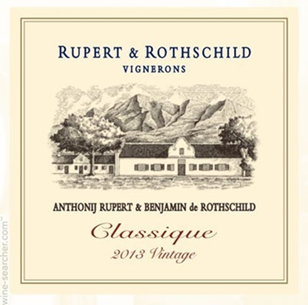
  2. Rupert & Rothschild Vignerons, ‘Classique’, Western Cape, 2020
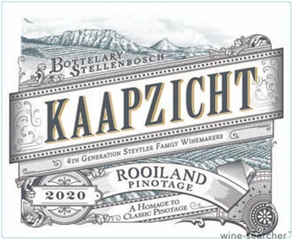
  3. Kaapzicht, Rooiland, Pinotage, Stellenbosch, 2021
  4. Boekenhoutskloof, ‘The Chocolate Block’, Swartland, 2022


The Menu

  • Seafood salad
  • Risotto with mushrooms
  • Steak and mixed vegetables
  • Dessert, coffee or tea


  1. South Africa Wine and its History

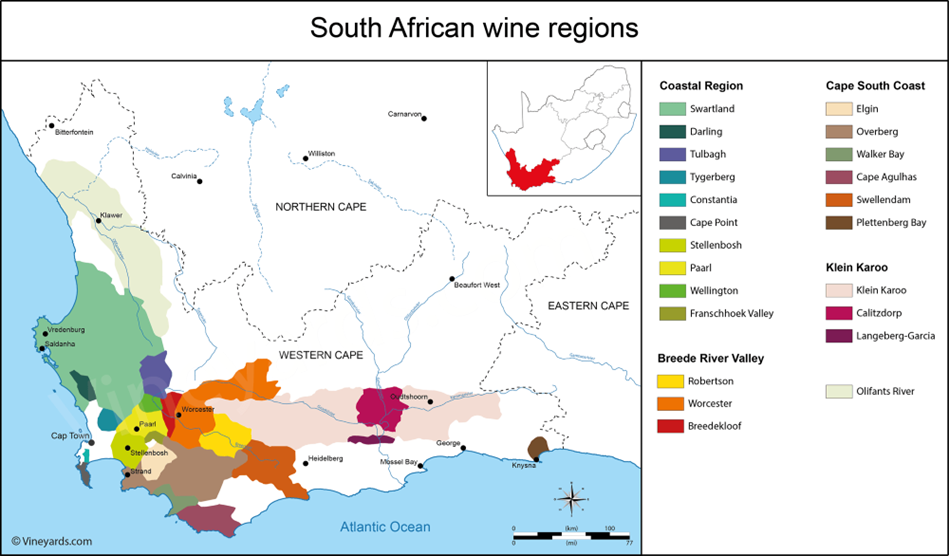
The Wine of Origin system is the legal structure introduced in 1972 to acknowledge and protect the diversity of terroir in the country. It classifies South Africa wine-growing areas into four categories: Geographical Units – generic labeling terms, such as ‘Northern Cape’ or ‘Western Cape’; regions, encompassing many districts, such as ‘Coastal Region’); districts, such as ‘Paarl’, ‘Stellenbosch’ and ‘Franschhoek Valley’, within the Coastal Region; and wards, the smallest of all Wine of Origin (WO) categories. An example is Constantia in the Cape Point district.

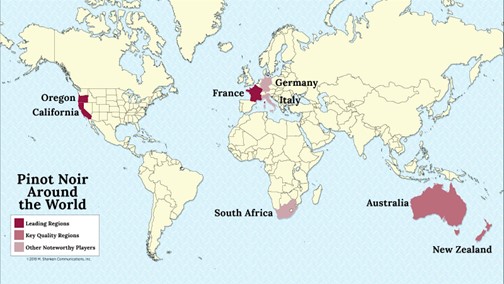
South African vineyards are concentrated in the Western Cape, one of nine of the country’s provinces, located in the southwest of South Africa (see red area on map above).  There are four winemaking regions with the Western Cape: the Coastal Region, Breed River Valley, Cape South Coast and Klein Karoo.  Each region has multiple wine districts.

In 1652 the Dutch East India Company established the Cape Colony to provision its ships making the journey between Europe and Asia.  The first governor, Jan van Riebeeck, arrived in what would be Cape Town in 1652 and requested that vine cuttings be sent. Records show that vines (including Chenin Blanc and Semillon) arrived in three different shipments in 1655 and 1656, and the cuttings were “uit Vranckryk” (from France).  Van Riebeeck records the first pressing of Muscat and Chenin Blanc grapes on February 2, 1659. Thus, South Africa was producing its first wine a hundred years before Thomas Jefferson’s unsuccessful experiment to grow French varieties at Monticello.  Riebeeck’s successor, Simon van der Stel, created the first modern vineyard and winery on his mountainside estate and called it Constantia, which produced a world-famous sweet wine enjoyed by European royalty.  Some of today’s prominent wineries—Buitenverwachting, Constantia Uitsig, Groot Constantia, Klein Constantia— were once part of the original Constantia estate. In 1679 Van der Stel also founded what was to become the principal locus of wine production in South Africa and named it after himself—Stellenbosch.  A little later, he also founded the Vergelegen estate, one of today’s premiere wineries. With the arrival in the 1680s of French Huguenot immigrants, familiar with viticulture and the making of wine and brandy, South Africa’s wine future was set.  Many of the original wine-producing estates continue to exist today, such as Simonsig (established by Jacques Malan in 1688), Fairview (1699), Boschendal (established in 1685 as Bossendaal), Cape Chamonix (part of the original 1688 La Cotte estate), Diemersdal (1698), and many more.

The 20th century was a time of extraordinary ferment in South Africa’s wine history. Abraham Perold created the Pinotage variety and brought new varieties from Europe to South Africa. Like many other wine-producing countries, South Africa has experienced times of boom and bust. In the early 19th century, wine was South Africa’s most important export. But the removal of UK preferential tariffs in 1825 threw the industry into depression. Another bust occurred late in the 19th century when Phylloxera decimated vineyards.  In the 20th century, another boom and bust was followed by the creation of a large cooperative, KWV, to provide greater stability of income to growers, and in 1924 the government empowered it to set prices for the entire South African wine industry.  It reduced the supply of table wine by distilling large amounts into brandy and fortified wine and produced large quantities of inexpensive wine for the domestic market. As with most such cooperatives, there were few incentives for improving quality.  With many twists and turns, KWV’s role remained dominant until the advent of deregulation with the 1994 election of the Government of National Unity. In 1997, KWV was converted to a private company.

The South African wine industry was also adversely affected by a global boycott resulting from the government’s apartheid policy.  By the 1980s South Africa found its wine export markets shrinking.  Foreigners shunned investing in the industry, and winemakers found themselves increasingly isolated.  The removal of sanctions in the mid-1990s combined with the privatization of KWV opened up export markets, stimulated domestic and foreign investment, and introduced incentives to raise quality and produce wines demanded by the rest of the world. However, by then South Africa was playing a game of catch-up to countries like Australia and Chile. Still, exports grew rapidly, from 50 million liters in 1994 to 400 million liters in 2010.  The dying days of apartheid and birth of the new republic coincided with hugely positive shifts in the wine industry, both in terms of investment and ideas. Winemakers began introducing new varieties and exploring new regions with marginal growing conditions.

The Coastal Region

All the wines selected for this tasting are from the Coastal Region in the Western Cape.  There are ten wine districts/wards (Wine of Origin) in this region.  Wines chosen for the tasting are from four of these districts: Paarl, Stellenbosch, Franschhoek Valley and Swartland.

While the geographic area devoted to wine making in the Western Cape is relatively small, proximity to oceans on both the south and west and the mountainous nature of much of the terrain provides incredible variety in terms of microclimate. Altitude, exposure, temperature, rainfall, and soils vary greatly over small distances. Differences in microclimates and soils provide the rationale for more than 100 appellations currently in existence.  The soils in these appellations tend to be degraded sandstone, granite and shale mixed in different portions with clay depending on location.  The climates of the different regions vary greatly depending on proximity to the sea, altitude, and prevailing winds.

Paarl. Paarl’s vineyards are found on the lower slopes of Paarl Rock, on the northern side of Simonsberg Mountain and in the valley of the Berg River. The two mountains provide well-drained granite and shale soils for the vines, while the soil on the valley floor is more sandstone-based.

Paarl’s climate is relatively hot compared with average summer temperatures of 24°C.  Long, hot summers and cold, rainy winters are typical of the area. Rainfall is moderate to high, but such is the heat that vineyards are often irrigated over summer to help cool the plants. The Atlantic Ocean, 60km away, has a small amount of influence in the form of a cooling afternoon breeze.

Stellenbosch. The Stellenbosch district is the second oldest wine region in South Africa, after Constantia ward, and is responsible for around 14% of the country’s annual wine production. It is a complex district with hills and mountains offering widely varying altitudes and soils (mostly sandstone and granite), multiple exposures, and access to sea breezes. Average summer temperatures are about 21.5°C.

Franschhoek Valley. It has predominantly sandstone soil and slightly warmer weather (23.5°C summer average) than Stellenbosch.

Swartland. Soil tends to shale and sandstone, and at 23.3°C, average summer (February) temperatures are about 2° higher than Stellenbosch.


  1. Grape Varietals of Note

In 2015, SAWIS (South African Wine Information and Systems) reported that the country had 100,146 hectares of vineyards, with about 55% planted with white varieties. Many grape varietals are planted in South Africa and red blends are popular. Chenin Blanc and Pinotage both have important histories unique to South Africa.

Chenin Blanc. This grape has long been the most widely planted variety in South Africa, still accounting for over 18% of all grape area planted as of 2015, though it is slowly decreasing in overall share of vineyard area. South Africa produces about twice as much Chenin Blanc as the Loire Valley in France, where the original wine cuttings taken to the Cape Colony originated, as early as 1655. The Mediterranean climate and ancient decomposed dolomite granite and Table Mountain sandstone soils of the South African Western Cape produce wines that are more fruit driven and higher in alcohol than the Chenin of the Loire, but the wines are equally well-balanced with excellent acidity. As is true in the Loire, the oaked Chenin Blanc of South Africa generally improves with a couple of years in the bottle.

Chenin Blanc became the workhorse of South African wine, used to produce inexpensive wine for drinking and for distillation.  It was only in the early 1990s that winemakers discovered the treasure that was old bush vine Chenin Blanc and began producing high quality wines. By the mid-90s, winemakers were experimenting with the use of barrel aging, and Hilko Hegewisch (Boschendal) won the first Chenin Blanc Challenge in 1996 with wooded wine.

Among South Africa’s several wine associations organized to facilitate exchange of learning between producers and to promote their wines, The Chenin Blanc Association (CBA) is one of the most successful.

Chenin Blanc is a grape that is sensitive to its terroir, especially the type of soil in which it is grown.  Soils affect the aroma, flavor and minerality of the wine. For this reason, some producers blend grapes from both granite and sandstone-based soils for complexity and balance. The training of the vine also affects fruit quality.  Compared to trellised vines, bush vines produce lower yields and more dense clusters of smaller grapes with thicker skins. Chenin Blanc is grown throughout the warmer, interior growing regions, with clusters of old vines in the Swartland, Paarl, and Stellenbosch.

Chenin Blanc styles run a continuum from stainless-steel fermented, unwooded wines that are easy drinking with straightforward fruit flavors, to barrel fermented and aged wines that are rich, ripe and complex.   The best Chenin Blancs are rich, judiciously oaked, and densely flavored wines with 6-11 g/l residual sugar.  Many are made from the fruit of dry-farmed, extremely low-yielding, old (35+ years) bush vines, that are fermented in partially new oak (mostly 400 L barrels), spend extended time on the lees in barrel, and may even have a small amount of botrytis or even ‘raisined’ fruit. As in the Loire, producers like Miles Mossop do multiple passes (tries) through the vineyard to select optimally ripe fruit.  Fermentation is sometimes slow and long, using ambient yeasts, with extended time (up to 12 months) on the lees and at least partial malolactic process to provide the creamy texture one expects from these wines. 

Pinotage. Pinotage is South Africa’s national grape though with only 6% of plantings.  In 1924 Professor Abraham Izak Perold at the University of Stellenbosch crossed Cinsault and Pinot Noir with the goal of creating a wine that had classic Burgundy flavors and the disease resistant quality and vigor of the Rhône’s Cinsault.  His work and that of others (Dr. Charlie Niehaus and Professor C.J. Theron) resulted in the creation of a new grape known as Pinotage. Kanonkop planted Pinotage as early as 1941, but the variety first acquired fame when Bellevue Pinotage won the 1959 National Young Wine Show. The Stellenbosch Farmer’s Winery subsequently marketed the wine—the first to be sold as Pinotage—in 1961 under the Lanzerac label.

Pinotage is mostly grown in the Stellenbosch-Franschhoek-Paarl belt, with the Bottelary Hills offering a concentration of excellent producers including Kaapzicht.  Grapes are normally harvested early to mid-February, well before Shiraz and Cabernet Sauvignon.  Harvesting Pinotage ripe, but not over-ripe, is key to making quality wine.   The best producers of Pinotage craft wines that are fruit-forward, fresh and elegant using winemaking methods similar to those for Pinot Noir.  They use pre-fermentation cold soaks and short hot alcoholic fermentations in open top fermenters.  These techniques help promote the fruity aromatic qualities of the wine (eliminating acetone or burnt rubber smells) and ensure good color.  The fermenters are of differing materials (Kanonkop uses epoxy tanks) and differing sizes (small tanks allow for fermenting small lots).  Most winemakers use cultured yeast and punch down the cap by hand.  Pressing is done with bladder, or basket presses and after settling, the wine is transferred to barrels for maturation.  The top winemakers use medium toast barrels and rarely use new oak. Maturation in barrels can last for 12 to 18 months before blending or bottling.


  1. Information on the Wines

♦ Wine #1.  Fairvalley, Chenin Blanc, 2024

The Producer: The Fairvalley wines are produced by the Fairvalley Farm Workers Association a group of black South African employees from the Fairview Wine and Cheese Estate in South Africa and are Fairtrade certified. Fairview’s owner, Charles Back, is probably the most awarded wine producer in South Africa, a receptor of the International Wine Challenge Lifetime Achievement Award. He supported the creation of the association in 1997, set up by 36 families, to develop and manage their own property. The following year saw the first vintage of Fairvalley wines, produced using all the facilities of Fairview cellar. Launched as a socio-economic empowerment venture, today Fairvalley relies on the available skills amongst workers who all have long years of experience in grape cultivation, wine production and packaging. The association’s profits fund community projects like education and housing.

The wine:

  • Vintage: 2024
  • Grape: 100% Chenin Blanc
  • Region/Wine of Origin (WO): Coastal Region, Western Cape
  • Soil: decomposed granite and sandstone
  • Winemaking: Grapes come from Paarl, Stellenbosh and Swartland; fermentation in stainless-steel tanks for 3 weeks, then              aged in non-oak barrels in fine lees for 4 months.
  • Alcohol: 13%
  • Residual sugar: 2.9 g/l
  • Total Acidity: 6.5 g/l
  • pH: 3.38

Tasting notes: Fruity with citrus, pineapple, pears tones with a bit of honey to balance the crisp, fresh acidity.

Pairings: Works well with light, fresh dishes, salads, shellfish, and seafood pasta in creamy sauces. 


♦  Wine #2. Rupert & Rothschild Vignerons, ‘Classique’, 2020

The Producer: Production at Franschhoek Valley, at the foot of the Simonsberg mountain, started in 1997, as a joint venture of the Baron Edmond de Rothschild from France and Anton Rupert, a South African businessman. They focused on the production of only three crafted wines – two Bordeaux blends (Classique and Baron Edmond) and one Chardonnay (Baroness Nadine).

The wine:

  • Vintage: 2020
  • Grape composition: Bordeaux blend of Merlot (41%), Cabernet Sauvignon (39%), Cabernet Franc (11%), Petit Verdot (8%), Malbec (1%)
  • Region/Wine of Origin (W.O.): Franschhoek Valley, Paarl, Coastal
  • Soil: granite and sandstone
  • Fermentation: in stainless-steel tanks. Aging in French oak barrels for 12 to 16 months.
  • Alcohol: 13.5%
  • Residual sugar: 2.7 g/l
  • Total Acidity: 6 g/l
  • pH: 3.56

Tasting notes: Aromas of red plum, raspberries, and cherries; forest floor and oak spice; toasted caramel and walnut. The palate has a fresh red fruit core with soft tannins and good persistence.

Pairings: pairs well with dishes like beef sirloin, lamb, venison, and dishes featuring mushrooms, roasted beets, goats’ cheese, and kalamata olives. 

♦   Wine #3. Kaapzicht, Rooiland Pinotage, 2021

The Producer: It is a production of the Kaapzicht Wine Estate from the Steytler family, at the Rozendal farm, in Bottelary, Stellenbosch starting in 1946. The first Pinotage vineyard was planted on the farm in 1959 – a pioneering move, as this was still a young, fairly unknown, South African variety. Among the many wines produced by the Steytler family are three other Pinotage: two cheaper wines, Pinotage Rosé and Skraalhans Pinotage, and the Steytler Pinotage that in 2006 won Decanter’s best red wine in the world, cementing Kaapzicht’s position as one of the top Pinotage producers in South Africa.

The Wine: Rooiland Pinotage’s name comes from the red gravel soil it grows on (Rooiland means red land).

  • Vintage: 2021
  • Grape: 100% Pinotage
  • Region/Wine of Origin (WO): Stellenbosch, Coastal Region
    • Soil: red gravel
    • Viticulture: unirrigated bush vines planted in 1995 and 1997 respectively, which yield between 4.2 and 6 tons per hectare
    • Fermentation and ageing: Grapes are hand-picked, then crushed and destemmed into stainless-steel tanks for fermentation. Biodynamic yeast is used to inoculate the fermentation to enhance and preserve terroir characters in stainless-steel tanks. Ageing in 300L barrels between 16 and 18 months. After blending the wine is aged 5 to 7 years in concrete tanks until bottling
    • Alcohol: 14%
    • Residual sugar: 4.7 g/l
    • Total Acidity: 6.1 g/l
    • pH: 3.52

Tasting notes: aromas of blackberry, mulberry and blackcurrant, while rich oak and vanilla spice creates a lasting and textural finish.

Pairings: Pinotage pairs well with rich, savory dishes like grilled meats, barbecue, stews, and a strong cheese, thanks to its smoky, earthy, and full-bodied characteristics. 

♦    Wine #4. Boekenhoutskloof, ‘Chocolate Block’, 2022

The Producer: The Boekenhoutskloof farm and winery has existed since the 18th century but was bought and reconstructed in the 1990s. It is located in the furthest corner of the beautiful Franschhoek valley. The farm’s name means “ravine of the Boekenhout”. Boekenhout is an indigenous Cape Beech tree greatly prized for furniture making.

The first vintage of the Chocolate Block wine was released in 2002.

The Wine: The Chocolate Block is often compared to France’s Cote du Rhône, Chateauneuf du Pape.

  • Vintage: 2022
  • Grape composition Syrah 77%; Grenache 9%; Cinsault 8%; Cabernet Sauvignon 5%; Viognier 1%
  • Region/Wine of Origin (W.O.): Swartland, Coastal Region
  • Soil: granite-rich soils
  • Fermentation: Whole berries fermented in a combination of concrete and stainless-steel fermenters with no additions being made.
  • Aging: 95% of the juice aged in seasoned 225L French barrique, and 5% (Cabernet Sauvignon) in new 225L French barrique, using an OXO system to rotate the     barrels for 12 to 14 months
  • Alcohol: 14.5% ABV
  • Residual Sugars: 3.36 g/l
  • Total Acidity: 5.16 g/l
  • pH: 3.85

Tasting notes: Aromas of boysenberry and dark cherry, with brambly red fruit, mocha, and crushed violet. The palate has soft tannins, with an engaging graphite-tinged finish.

Pairings: serve with roast beef, spaghetti in rich tomato sauce, or game. It’s also the perfect partner for cheese like brie or stilton, or a deep dark chocolate ganache.


  1. CV Members Ratings:   TBA after the tasting


References

https://wine-searcher.com

https://www.fairvalley.co.za

https://www.fairview.co.za

https://rupert-rothschildvignerons.com

https://kaapzicht.co.za

https://www.boekenhoutskloof.co.za

https://vineyards.com/wine-map/south-africa

The International Wine Review, Report #30, The Wines of South Africa, February 2012 chrome-extension://efaidnbmnnnibpcajpcglclefindmkaj/https://i-winereview.com/sample/i-WineReview-R30-Wines_of_South_Africa.pdf

The International Wine Review, South African Chenin Blanc, May 13, 2010

https://i-winereview.com/blog/index.php/2010/05/13/south-african-chenin-blanc-some-of-the-best-from-raats-riebeek-mulderbosch-de-morgenzon-rudera-ken-forrester-and-de-trafford/

.o0o.

Laughing? 


.o0o.

Posted in Meeting Abstract, Wine - Vino - Vinho, Wine Regions | Tagged , , | Leave a comment

Tasting No 274 – February 25, 2025 Shiraz/Syrah from Australia and France

Tasting No 274 – February 25, 2025  Shiraz/Syrah from Australia and France

           Capri Ristorante, McLean VA


  1. Tasting Overview

The main objective of this tasting is to explore Shiraz wines by comparing those from Australia with those produced by France. The following are the reasons for selecting Shiraz wines from these two countries:

Australia

Importance: Shiraz plays a significant role in Australia’s wine industry.

  • It is the most planted winegrape variety and is grown almost everywhere, from the Barossa Valley to Hunter Valley.
  • Shiraz wine grapes can adapt and thrive in various climates.
  • The area planted represents nearly half of Australia’s red wine grape plantings.
  • Shiraz has gained a strong reputation globally and contributes significantly to wine exports
  • Australia is home to some of the world’s oldest continuously productive Shiraz vines, some dating to the mid-19th century.

Quality: It varies widely

  • From affordable, everyday drinking wines to some of the most sought-after, collectible fine wines.
  • Shiraz wines are known for their medium to full-bodied character, with varying flavor profiles depending on the region, climate, and winemaking techniques.
  • The use of different oak types for maturation and the trend of co-fermenting Shiraz with Viognier have added complexity and diversity to the styles.

France

Importance: Shiraz, known as Syrah in France, plays a significant role in French wine production. particularly in the Rhône Valley.

  • It is the main red grape variety used in the Rhône Valley, either as a single varietal or as part of a blend, adding depth and complexity to Rhone wines.
  • Its production is crucial to the wine industry, contributing to some of the most esteemed wines in the world.

Quality: Syrah wines from France have exceptional quality.

  • The northern Rhône, with its cool climate and granite-based soils, produces wines with elegant structure, intense aromas, and a distinct peppery character.
  • Their high acidity and tannin levels favor their aging potential.

Type of tasting: Open

Presenters: Jorge García and Clara Estrada

Participants: S. Ardila; R. Connolly; J. Entwistle; M. Fryer; J. García; P. Meduña; C. Perazza; L. and J. Redwood; E. Silva; G. Smart; P. Turina; L. Uechi; G. Vega; and G. Zincke.


These are the wines:

  1. Tyrrell’s Semillon, Hunter Valley, Australia, 2023
  2. Penfolds Bin 28 Kalimna Shiraz, South Australia, 2020
  3. d’Arenberg The Dead Arm Shiraz, McLaren Vale, Australia, 2018
  4. Domaine de Remizieres, Hermitage Cuvée Emilie, Rhone, France, 2019

The Menu:  

  • Mussels in white wine sauce
  • Grilled Portobello mushrooms with zucchini
  • Beef tenderloin with baked potatoes
  • Dessert, coffee and tea.
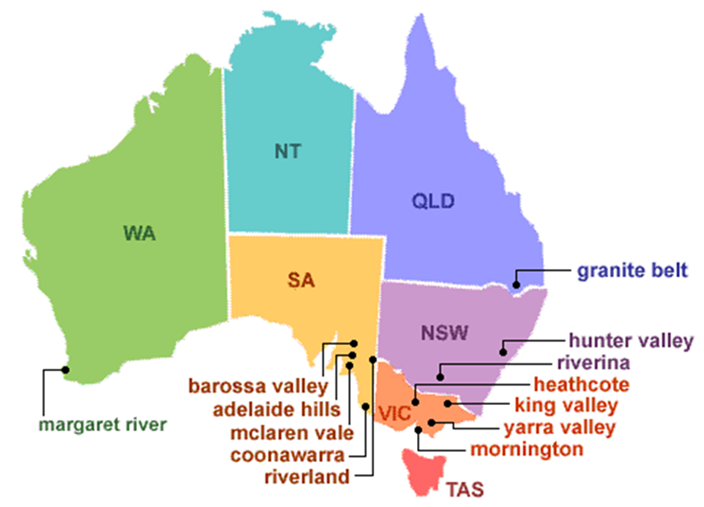
  1. Geography of wine production in Australia and Rhône Valley  

Hunter Valley, New South Wales: located in New South Wales, Australia, it is one of the country’s oldest and most renowned wine regions. Overall, the geographic characteristics of Hunter Valley create an ideal environment for producing high-quality white Semillon wines that are both refreshing and capable of aging beautifully:  

  • Climate: Warm, humid with long sunny days and cool nights, perfect for Semillon grapes.
  • Soil: Alluvial and volcanic, providing excellent drainage and nutrients.
  • Topography: Hills and mountains moderate temperature and protect vineyards.
  • Proximity to the Coast: Cooling sea breezes balance the warm climate.

Key Aspects of Semillon Production:

  • Acidity and Freshness: Maintained by cool nights and sea breezes.
  • Ripening: Warm days ensure full ripeness and complex flavors.
  • Aging Potential: High acidity and balanced flavors allow for graceful aging.
  • Minimal Intervention: Winemakers rely on natural characteristics of grapes and terroir.


McLaren Vale, South Australia: it is renowned for its exceptional Shiraz wines. McLaren Vale is home to some of the oldest vines in the country, dating as far back as 1850. McLaren Vale also excels in producing ultra-premium Grenache and Cabernet, as well as other Mediterranean red varieties such as Vermentino, Tempranillo, Sangiovese. Overall, these geographic characteristics of McLaren Vale create an ideal environment for producing some of the finest Shiraz wines in the world:

  • Climate: Mediterranean with warm, dry summers and mild, wet winters.
  • Soil: Diverse range including sandy loam, clay, and terra rossa.
  • Topography: Situated between Mount Lofty Ranges and Gulf St Vincent, creating microclimates.
  • Proximity to the Coast: Cooling sea breezes moderate temperatures.

Key Aspects of Shiraz Production:

  • Ripening: Warm climate ensures optimal ripeness.
  • Acidity and Structure: Maintained by cooling sea breezes and diverse soils.
  • Terroir: Unique sense of place expressed in wines.
  • Variety of Styles: From fresh and fruity to rich and complex.

Rhône Valley, France: is a renowned wine-producing region located in Southeastern France; it is divided into two sub-regions: the Northern Rhône and the Southern Rhône. Its geographic characteristics in both sub-regions make them ideal for producing Shiraz (Syrah) wines:

  • Climate: Northern Rhône has a continental climate; Southern Rhône has a Mediterranean climate.
  • Soil: Northern Rhône has granite and schist soils; Southern Rhône has clay, limestone, and alluvial soils.
  • Topography: Northern Rhône has steep slopes; Southern Rhône has flatter terrain with rolling hills.
  • Proximity to the river: the Rhône River moderates temperatures and provides water.

Key Aspects of Syrah Production:

  • Ripening: Warm climates ensure full ripeness.
  • Terroir Expression: Diverse soils and topography showcase unique characteristics.
  • Quality and Prestige: Northern Rhône produces prestigious Syrah wines; Southern Rhône produces high-quality Syrah often blended with Grenache and Mourvèdre, such as Châteauneuf-du-Pape.
  • Variety of Styles: From structured and complex to fruit-forward and approachable.


  1. The Shiraz/Syrah grape varietal

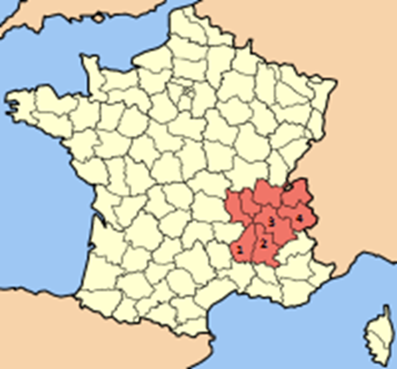
In 1999, it was discovered that Syrah was the offspring of two obscure grapes from southeastern France, Dureza and Mondeuse Blanche. Syrah should not be confused with Petite Sirah, a cross of Syrah with Peloursin dating from 1880. Dureza is believed to have originated in the Ardèche (#1) in the southwest and moved east/northeast into Drôme (#2) and Isère (#3). Somewhere in this area, most likely in Isère, the vine crossed with Mondeuse Blanche, a variety native to the Savoie region (#4), to produce Syrah.

  1. Information on the Wines

Wine #1. Tyrrell’s Semillon, Hunter Valley, Australia, 2023

The Producer: The Tyrrell’s estate, nestled in the foothills of the Brokenback Range in the Australia’s Hunter Valley, is a unique patchwork of vineyards. Edward Tyrrell founded the winery in 1858 by taking a concessional allotment of 320 acres of prime Hunter Valley land, in what is considered Australia’s first grape-growing wine region. He began to plant Shiraz and Semillon vines and harvests the grapes for his first vintage in 1864. Several generations of the Tyrell family have continued growing and winemaking in the Hunter Valley for more than 160 years, amassing an immense knowledge of the Valley. Thriving in a diverse range of soils, from sandy loams lying on ancient creek beds to heavier red clays over limestone, these vineyards produce some of the most distinctive and refined wines in the world. All the estate parcels are well established, with many sites bearing vines that are more than 100 years old. Their Vat 1 Semillon is Australia’s most awarded white wine, having won almost 5,500 medals and more than 330 trophies.
The wine:

  • Vintage: 2023
  • Grape: 100% Semillon
  • Viticulture: Sourced from a small selection of some of our top Semillon vineyards. Most of the vineyards are dry grown and have an average age of 40 years;
  • Fermentation in stainless steel tanks followed by a short period on yeast lees to gain complexity and mouth feel.
  • 8% APV

Winemaker’s notes: Classic Hunter Valley Semillon from another strong vintage. The nose is vibrant with an abundance of citrus fruits and floral elements. The palate is medium bodied, yet intense, with great length and a brisk acidity.

Wine #2.  Penfolds Bin 28 Kalimna Shiraz, South Australia, 2020

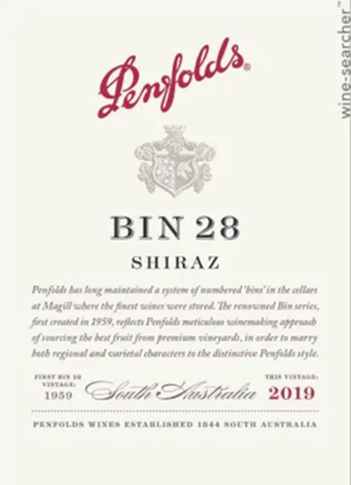
The Producer. After the success of early sherries and fortified wines, founders Dr. Christopher and Mary Penfold planted their vine cuttings in 1844 and the vineyard was officially established as the Penfolds wine company at Magill Estate. From the beginning in 1844 to today, the merging of science, art and innovation has driven Penfolds to become one of Australia’s most famed and respected winemakers.
The Wine: Bin 28 offers a showcase of warm climate Australian shiraz – ripe, robust and generously flavored. First made in 1959, Bin 28 was originally named after the famous Barossa Valley Kalimna vineyard purchased by Penfolds in 1945 and from which the wine was originally sourced. Today, Bin 28 is a multi-region, multi-vineyard blend, with the Barossa Valley always well represented.

  • Vintage: 2023
  • Grape: 100% Shiraz
  • Region: McLaren Vale, Barossa Valley, Padthaway, Clare Valley -South Australia
  • Viticulture: multi-region; multi-vineyard blending;
  • Matured for 12 months in seasoned American oak hogheads with 16% new oak.
  • 5% ABV
  • Wine Bronze, 2020 vintage (International Wine&Spirit Competition)

Vintage conditions: South Australia experienced the second consecutive year of winter drought. Spring was cool and dry, conditions that continued well into November delaying flowering and fruit-set. With soil moisture levels well below average, irrigation was vital. The 2019 calendar year was the driest on record in the Barossa Valley. While bunch weights and berry numbers were generally low across the regions, the harvest produced some outstanding parcels of shiraz.

Winemaker’s notes. Color is black ruby plum, magenta rim with black core; the Nose is benchmark penfolds shiraz: a generous kaleidoscope of warm-climate aromatics; blackcurrant, black plum, ironstone, cocoa powder, dark chocolate, cola; chocolate gateau, adorned with candied cherries. Earthy north African spices: ‘Ras el Hanout’ – paprika, cinnamon, pepper, cloves, fennel. On the Palate, always honest, warm, approachable. Chocolate mud cake dense, rich, opulent. Cinnamon syrup poached red cherries. Coconut shavings, milk chocolate… wait, a Bounty bar!  Summer plum pudding with currants and crème anglaise. Bone marrow broth, Vietnamese Phò – layered complexity and texture. Turmeric, cinnamon, and star anise clove.  Cola with a suggestion of Chinotto bitterness. Sweet, layered fruit with earthy spices. Mouthcoating, chewy tannins. Cherry pip acidity. Peak drinking: now-2040.

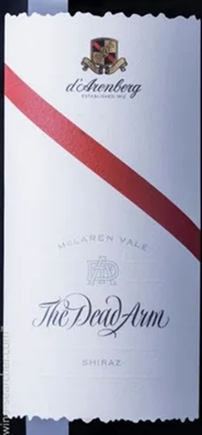
Wine #3. d’Arenberg ‘The Dead Arm’ Shiraz, McLaren Vale, Australia, 2018

The Producer: d’Arenberg is a wine producer located in the McLaren Vale subregion of South Australia. The 60-plus wines in the portfolio are known as much for their quirky names as they are for their quality – d’Arenberg’s flagship wine is called the Dead Arm. The estate was established in 1912 by Joseph Osborn, who initially sold grapes from the vineyards to other wineries in the region. The d’Arenberg winery was built in 1927, and today, the estate is run by fourth-generation Chester Osborn and his father. This is one of the only wineries in Australia to basket-press both white and reds wines, a labor-intensive process, and the quality of the results makes this worthwhile. From entry level to iconic, all d’Arenberg wines are basket pressed.
The Wine: The name Dead Arm comes from a vine disease caused by the fungus Eutypa lata that causes one arm of the vine to die. The affected vines often are severely pruned or replanted. One half, or an ‘arm’ of the vine slowly becomes reduced to dead wood. That side may be lifeless and brittle, but the grapes on the other side, while low yielding, display amazing intensity.

  • Vintage: 2018
  • Grape: 100% Shiraz
  • Region: McLaren Vale, South Australia
  • Vinification: small batches of grapes are gently crushed and then transferred to five tons headed down open fermenters. These batches remain separate until final blending. Foot treading is undertaken two thirds of the way through fermentation. The wine is then basket pressed and transferred to a mixture of new and used French oak barriques to complete fermentation. The barrel ferments are aged on lees for 18 months. There is no racking until final blending and no fining or filtration.
  • 14-15% ABV
  • Awards: Bronze, 2018 vintage (International Wine Challenge; International Wine&Spirit Competition); Silver, 2018 Vintage (London Wine Competition).

Tasting notes: brooding and alluring, plum, blackberry, licorice and spice entwine with a raft of dark, earthy notes. More savory than previous Dead Arms, the 2018 begins with dark fruits, damson plum, and lovely fennel seed twists. Rich balsamic glazed beets, roasted meats and jus give layers of complexity unlike anything we’ve ever seen. Superb balance. Slaty, persistent, mineral-like tannins bring a generous framework for decades of cellaring. This is a wine of history and provenance. Highly collectable, The Dead Arm is considered by many to be one of the top Shiraz in Australia.

“Rich, heady aromas of mint, mocha, ground pepper, plum and black currant preserves lead to an equally powerful, dense palate that’s wound in muscular, dusty tannins. This is a massive wine now, but everything is in place for it to go the distance—a decade, at least” (Wine Enthusiast).

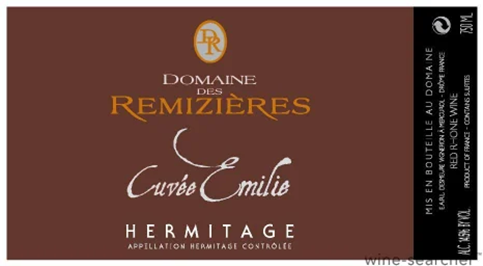
Wine #4. Domaine de Remizieres, Hermitage Cuvée Emilie, Rhone, France, 2019

The Producer: Domaine des Remizières is a family winery that has been passed down through three generations. Initially, the vineyard covered approximately 4 hectares, with part of the production delivered to the cooperative cellar. Since 1973, vinification has been entirely conducted on the property, which has now expanded to 38 hectares. The vineyards have an average age of 40 years and its vines are planted on granitic hillside soils, facing to the South. The vineyard has small parcels in several villages, and each parcel has its characteristic that are respected, to be able to exploit its “terroir”. To separate the wine coming from different terroirs the domaine vinifies in vats of small volumes. This diversity allows the winery to vinify grapes from several different but complementary terroirs, bringing a lot of complexity to their different cuvées. The respect for the terroir has earned the winery its HVE certification (High Environmental Value).

The Wine:

  • Vintage: 2019
  • Grape: 100% Shiraz
  • Appellation: Hermitage Red
  • Viticulture: high-density goblet pruning -bush vine training- which can lead to competition for resources but also promotes a microclimate that can be beneficial for certain grape varieties. This method is often used for old-vine vineyards and can contribute to the production of high-quality wines.
  • Vinification and aging: traditional winemaking process with closed tanks and controlled temperature (28-30o C) for 28-30 days. Aging in new oak barrels for 15-18 months.
  • 5% ABV.

Tasting notes: Full-bodied wine with a lot of sweetness, good acidity, and some pleasant bitterness. Color is Steady – colored wine, very tannic (round and delicate tannins). Tannins are described as supple and soft tannic. On the nose, red fruits aromas when it is young, spices aromas after a few years. The wine is described as having an inky, licorice scent. On the palate, this Syrah offers flavors of boysenberry, black fig, and black currant, with hints of mesquite, vanilla, and clove. The wine also has a smoky, earthy undertone. It is expected to improve with cellaring and can be enjoyed up to at least 2035.

  1. CV Members Rating

    The wine tasting took place before revealing their prices, with each of the 15 participants rating them individually from Acceptable to Exceptional.

    The combined scores determined the ranking order, as shown in the following Table.
    In the final results,
    –  Domaine de Remizieres ‘Hermitage Cuvée Emilie’, France, 2019 was the Best Wine,
    – while Tyrrell’s Semillon, Hunter Valley, Australia, 2023 was the Best Buy.

References:

-Wikipedia, Syrah Wikipedia, Dureza – Wikipedia, Mondeuse blanche – Wikipedia for description and references about this varieties.|

-Wayback Machine

-Jancis Robinson (ed), “The Oxford Companion to Wine, Third Edition, p.627, Oxford University Press 2006.

-www.vivino.com

-Semillon: The Crown Jewel of Hunter Valley Whites – Made in Pokolbin

-Hunter Valley Semillon: An intimate understanding with Wine Selectors Hunter Valley Wine Country – THE GRAPEVINE BLOG

-Exquisite Shiraz,… | McLaren Vale Wine Region | South Australia

-https://tyrrells.com.au/

-https://www.penfolds.com/on/demandware.static/-/Sites-tweus-master-catalog/default/dw338a2707/tasting-notes/Penfolds/Penfolds-TastingNotes-Bin28-2020.pdf

-https://www.darenberg.com.au/

-https://www.thewinecellarinsider.com/rhone-wines-cote-rotie-hermitage-chateauneuf-du-pape/rhone-wine-hermitage-producer-profiles/remizieres-hermitage-rhone-valley-wine/

-Rhône wine – Wikipedia

-2019 Domaine des Rémizières Hermitage Cuvée Émilie, France, Rhône, -Northern Rhône, Hermitage – CellarTracker

-https://www.domaineremizieres.com/en/presentation-2

.o0o.

The unpretentious wine taster:


.o0o.

Posted in Meeting Abstract, Wine Regions | Tagged , , , , | Leave a comment

Tasting No 273 – January 28, 2025 – Wine from the Kakheti Region of Georgia  

Tasting No 273 – January 28, 2025 – Wine from the Kakheti Region  of Georgia

            Capri Ristorante, McLean VA

Presenters: Patricia Meduña and Laura Bocalandro

Participantes: S. Ardila; M. Averbug; L. Bocalandro J. Brakarz; R. Connolly; C. Estrada; J. Entwistle; J. García; P. Meduña; A. and C. Perazza; L. Redwood; G. Zincke.

The wines:

  1. Mikho, Rkatsiteli, Amber Dry Wine, Qvevri, Kakheti, Georgia, 2023
  2. Marnaveli, Rkatsiteli,  Kakheti, Georgia, 2022
  3. Kakhuri Gvinis Marani, Mukuzani, Kakheti, Georgia, 2022
  4. Marnaveli, Saperavi Oaked, Kakheti, Georgia, 2019

Menu: 

  • Eggplant parmesan
  • Seafood with linguini pasta
  • Steak
  • Dessert

— Type of Tasting: Open

The Region

  1. Georgia and its history of wine.


Georgia is a country between Eastern Europe and West Asia. It is located in the southern fringe of the Caucasus Mountains and surrounded by the Black Sea to the west, Russia to the north and northeast, Turkey to the southwest, Armenia to the south, and Azerbaijan to the southeast. It has a population of 3.7 million of which over a third live in the capital and largest cityTbilisi.

Georgia is one of the oldest wine-producing countries in the world. Based on archeological finds Georgia has been  cultivating  grapevine and producing wine for at least 8000 years. In 2015, scientists studying the history of agriculture in Georgia uncovered ancient clay vessels that contained the remains of grapes and grape seeds. The grape and seed material were dated to 6000 BC, the earliest known location for grape winemaking. Thus, even before the ancient Egyptians and Greeks developed wine cultures of their own, there was Georgian viticulture.

The ancient traditional Georgian winemaking method used Kvevri clay jars. These are very large egg-shaped  earthenware vessels with an inside coat of beeswax. When filled with the fermented juice of the harvest, the kvevris are topped with a wooden lid and then covered and sealed and buried underground . Today wine is made using either kvevris or modern stainless steel, oak barrels or concrete tanks as used in Europe.
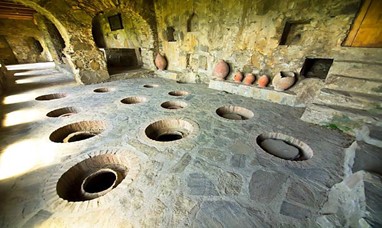
Georgia’s climate and soil conditions are optimal for wine-making. Extremes in weather are rare. Usually summers are sunny and warm, and winters mild and frost-free. The Caucasus mountains brings streams that drain mineral-rich water into the valleys. The presence of the Black Sea gives Georgia a moderate climate and moist air, providing the best conditions for vine cultivating.

Due to its diverse and unique microclimate, modern Georgia has at least 525 indigenous grape varieties. The best-known  wine regions are in the country’s east with the Kakheti region producing 70% of Georgian wines. This  wine tasting will concentrate on wines produced in this region.  

  1. The Kakheti Wine Region

Much of the Kakheti region is too cold and high to grow grapes. Grapes are grown in the lowlands and by Kakheti’s two rivers: the Alazani River  and the Iori River. The Alzani river valley is the main growing area of the Kakheti. The left bank of the river is facing south and thus its soil is wetter and more sandy, whereas the right bank has drier and calcareous soil. 
  1. Grape varietals

Two grape varieties- Rkatsiteli and Saperavi- presently account for almost 70% of the hectares of wine planted in Georgia and the Kakheti wine region. This was the result of the Soviet control which aimed at increasing efficiency and volume and thus concentrated on these two varieties. 

Georgia and the Kakheti wine region have three types of wine. The dry white wines make up about 75% of planted vines with Rkatsiteli leading the way. Other white varieties that are notable and exported from Georgia include Mtsvane, Kisi, Tsolikouri, and Khikhvi. In red wines Saperavi leads the way.

The third type of wine, for which Georgian is known worldwide, is amber wine or “orange wine”. These wines are produced using the ancient wine-making method in which the pressed grapes are poured into the clay kvevri with their skin, stalks and pips. The kvevri is then sealed and buried underground or kept in underground cellars and left to ferment from five to six months. Amber wines take on the amber color due to the fact that they are fermented with the grape skins. The varietals used in this process are usually the Rkatsiteli, Mtsvane, and Kisi white wines. 

  1. Tasting Overview

 The main objective of this tasting is to get to get to know the wines from the Kakheti region  of Georgia. For this open tasting four wines are presented: one white, two reds and one amber wine.

These are the wines: format/order for presenting the wines’ names: Producer (winery), name of the wine (designation), grape variety (optional for Old World wines); Appellation (or region), vintage.

  1. Mikho, Rkatsiteli, Amber Dry Wine, Qvevri, Kakheti, Georgia, 2023
  2. Marnaveli, Rkatsiteli,  Kakheti, Georgia, 2022
  3. Kakhuri Gvinis Marani, Mukuzani, Kakheti, Georgia, 2022
  4. Marnaveli, Saperavi Oaked, Kakheti, Georgia, 2019


 Information on the Wines

Wine #1 Amber

 Mikho,Rkatsiteli, Amber Dry Wine, Qvevri, Kakheti, Georgia, 2023

 Producer: Mikho Vineyards 

– About amber wine:

Amber wines are unique to Georgia. They present tastes of  dried orange and apricot, nuts, and honey with herbs and tannin. It is best to drink them closer to “room temperature”, between 55-65 degrees and  paired with a wide variety of food, preferably those that offer fat, salt, and spices. It is preferable to avoid bitter food. Think cheese pizza with spicy Italian sausage and red pepper flakes, hard or stinky cheeses, a Philly cheesesteak, eggplant parmesan, or a BLT. Lamb chops and steak also go well.

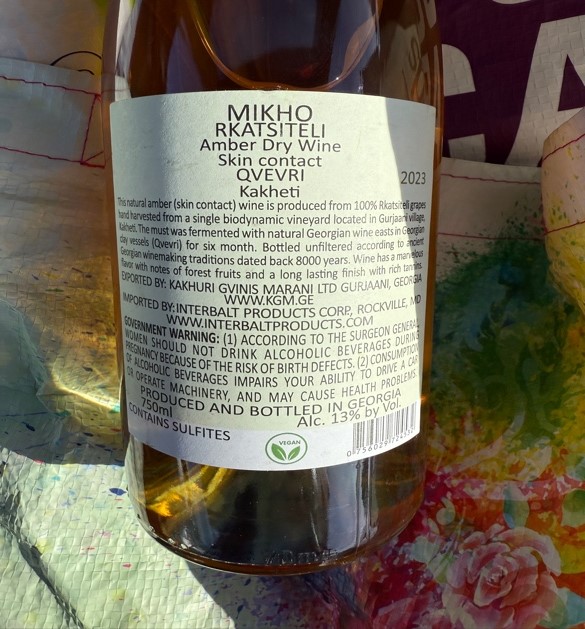
The amber made from Rkatsiteli grapes in  Qvevri is an organic natural amber on the skins wine. It is produced from 100% Rkatsiteli grapes hand-harvested from a single biodynamic vineyard located in Gurjaani village, Kakheti. This wine is Vegan. The must was fermented with natural yeasts of Georgian wines in Georgian clay vessels (Qvevri) for six months.  It was bottled unfiltered, according to ancient Georgian wine making traditions dating back 8000 years.  This wine presents an orange and diaphanous visual and tastes marvelous with notes of forest fruits and a long lasting finish with rich tannins. 13% alcohol per volume.


Wine #2 White.

Marnaveli, Rkatsiteli, Kakheti, Georgia, 2023

The Producer                                                  

Marnaveli has been producing wine and brandy for more than 20 years. It was founded in 2002 and has been growing every year. Marnaveli  is located between Tbilisi and the Kakheti region . It follows strict industry standards and is equipped with modern technology. Their main concept is to produce wines from all over Georgia; it  collects the best wines of Georgia from vineyards where grapes are hand-picked.              


– The Wine

Rkatsiteli is the most important and widely planted white grape variety in Georgia and is native to Kakheti.  This grape variety is has proved extremely versatile. It is a hardy vine that can resist mildew and survive frosts. Although it does best in calcareous soils, it adapts to different terrains. It tends to be aromatic with tropical fruit and herbaceous notes and retains acidity with high sugar levels. Rkatsiteli is produced in a variety of ways ranging from fresh, dry wines to complex, amber-colored skin-contact wine, to sparkling, sweet and fortified wines. When it is made in stainless steel it has the aroma of apple and quince however, when frmented in a quevri it becomes a more complex and deeply flavored wine. Depending on the contact with the grape’s skin, it can it tastes of caramel, dried orange and spices.


This particular dry white wine is made from Rkatsiteli grapes grown in Kakheti and matured in oak casks. It is light amber in color, has an aroma of yellow fruits and flowers. The pleasant acidity of the white wine combines well with its softness. It is recommended to be paired with seafood, fish and cheese dishes.


Wine #3 Red

Kakhuri Gvinis Marani, Mukuzami PDO, Kakheti, 2022. 

– Information about the Producer:

Kakhuri Gvinis Marani (Kakheti, Gurjaani) KGM is a family-owned winery established in 2013. After 1991, the founder of KGM, Giorgi Kevkhishvili, began reclaiming the family vineyards confiscated by the Soviet authorities in the 1920s. Today Giorgi and his son Nugzar cultivate 500 ha of vineyards in Kakheti. Located in Village Gurjaani, KGM has vineyards in Tsinandali, Teliani, Akhasheni, Mukuzani, Manavi and Gurjaani. US Importer: Interbalt

– The  Wine

Saperavi translates as “dye” in Georgian showing the grapes intense pigmentations. Only a handful of vinifera grapes with red flesh and red skin make the saperavi wines unique.  These grapes often produce wines that are inky, dark, bold, and tannic. The wines are known for their black fruit, savory spice, mocha, and even meaty characteristics as well as notable levels of acidity and tannin. It is very much a food wine. It goes well with Italian meat sauce, grilled pork, black bean or mushroom burgers, and steak.
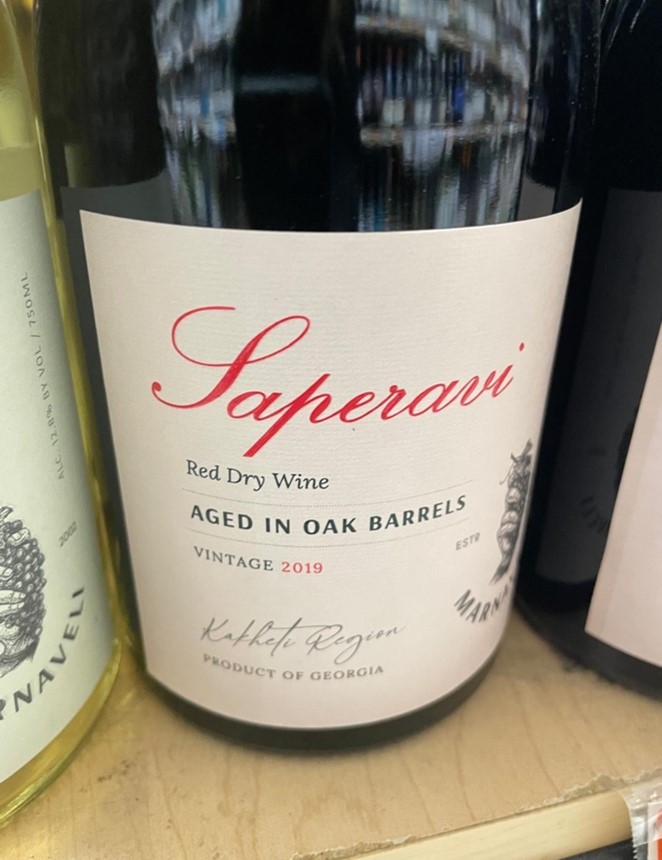
 

Saperavi is made in both dry and off-dry versions. Mukuzani, Napereuli, Khashmi are Saperavi PDOs that produce a dry red wine while the best known off-dry wines are Kindzmarauli and Akhasheni PDOs.


Wine #4 Red

Marnaveli, Saperavi Oaked, Kakheti 2019

The producer

Marnaveli has been producing wine and brandy for more than 20 years. It was founded in 2002 and has been growing every year. Marnaveli  is located between Tbilisi and Kakheti and is equipped with modern technology standards. Their main concept is to produce wines from all over Georgia; it collects the best wines of Georgia from friendly  vineyards where grapes are hand picked.

-The wine 

Saperavi wines are deep in color and high in acidity and tannins that require time to soften. They taste of dark berries, plum, tobacco, tea and spice. These wines  are long-lived, especially when aged in oak, and can develop notes of chocolate, licorice, and grilled meat.  This wine has matured for a full year in oak casks. The high acidity and tannins of the grapes makes it suitable for aging and thus acquiring complex secondary aromas and deepening flavors over time.


Marnaveli Saperavi Oaked is richly structured, generously fruity, with a  juicy aftertaste. It is food friendly. Rated excellent ( 92 points) per Mundius Vini with 13% alcohol/volume.

COMPARISON OF SAMPLED WINES FROM KAKHETI REGION, GEORGIA                                                 

Mikho, Rkatsiteli, Amber Dry Wine, Qvevri, Kakheti, Georgia,


Marnaveli, Rkatsiteli, Kakheti, Georgia, 2023


Kakhuri Gvinis Marani, Mukuzami Kakheti, 2022 Marnaveli, Saperavi Oaked, Kakheti 2019


Producer Kratsiteli Marnaveli


Kakhuri Gvinis Marani Marnaveli
Appellation Guurjani,

Kakheti

Kakheti Mukuzami


Kakheti
Type amber dry white dry white dry red dry red
Grape Rkatsitelli Rkatsiteli Saperavi Saperavi
Method/

Aging

Qvevri (clay vessels)

 skin contact

6 months

Oak Casks

6 months

Oak casks  one year Oak casks

 6 months

Vintage 2023 2022 2022 2019
Alcohol 13% 12.8% 13% 13%


Vine prices to be disclosed after the tasting.


  1. CV Members Rating  

The tasting took place before revealing their prices. The wines were rated individually by 13 participants, ranging from Acceptable to Exceptional. The combined results established the preference order during the tasting, as shown in the following Table. The final result was that Marnaveli, Saperavi Oaked, Kakheti, 2019 was the Best Wine and the Best Buy.

References

https://thecorkscrewconcierge.com/2023/09/georgian-wine-on-my-mind/

https://www.georgianwineguild.co.uk/georgian-wine/viticulture-and-winemaking-regions

The Internatioanl Wine Review, April 2024, The Wines of Kakheti and Kartli I-winereview.com

https://www.wineenthusiast.com/

https://en.wikipedia.org/wiki/Georgian_wine

.o0o.


 .o0o.

Posted in Meeting Abstract, Wine - Vino - Vinho, Wine History, Wine Regions | Tagged , , , , , | Leave a comment

Tasting Program 2025 of the Club del Vino

Tasting Program 2025 of the Club del Vino


General criteria  click here for the Tasting Program 2025

  1. Process for selecting the Year Topic. To distinguish from previous years, the CV Steering Committee prepared a survey poll among all club members to determine their preferences among four suggested themes for 2025 tasting program. The proposed option, “open-topic program,” was chosen by the majority of respondents.
  2. 2025 Tasting Program. The wine-tasting program for 2025 will be open, allowing members to cover different topics, exploring various wine regions and varieties from around the world, thereby creating presentations that suit their interests and experiences. This experimental program will depart from past programs focused on specific regions or grape varieties to investigate new topics related to wine characteristics and geographical areas of interest to club members. It may range from general overviews to in-depth analyses of different wine options that will enrich participants’ knowledge in broader aspects of interest.
  3. Preparation and Schedule of Presentations. Members will select a topic of their choosing and indicate when they plan to make their tasting presentation according to the year’s club session calendar at the end of this note.  The presenters shall indicate their selected date, along with the chosen topic, at the beginning of the registration period. If a member needs more time to select their topic, it should be indicated no later than six months before the presentation date. All members are strongly encouraged to participate in the organization, preparation and presentation of one tasting event during the year’s program. Organizers may form teams of up to three members. They should also ensure that their selected wines differ from previous tastings in the year or in recent years, to make the program distinctive and unique. The wines to be presented should be available in the Washington area or through online purchase sites (preferably under the club member’s subscription, if available).
  4. Technical Notes. The 2025 tasting program is designed to explore wines and varieties from around the world. Organizers are required to prepare a technical note in advance that provides in-depth information about their chosen topic. This note shall include background information on the selected topic, as well as details about the wines to be presented, according to an outline template the Steering committee makes available to all members. Once the technical note is reviewed, it will be published on the Club’s blog. Presenters are encouraged to include references to any materials used in their documents.
  5. Wine set cost. CV members are reminded that the maximum cost for a set of four wines to taste is $240.
  6. Deadline to select a presentation. This document provides a schedule for CV members to select their topic and presentation date by December 31, 2024. The Technical Director and members of the Club’s Steering Committee are available to assist members in selecting topics and wines.
  7. Other activities. Throughout the year, members of the CV can propose additional activities, such as winery visits and tastings, to expand the annual program. 

The Tasting Program for 2025 comprises the previous criteria and the following calendar of tastings. 

GOOD SELECTION AND KEEP TASTING!     click here for the Tasting Program 2025

Tasting Program 2025-final.docx


.o0o.

Posted in Annual Program of Tastings | Leave a comment

Tasting No. 272 – December 17, 2024 Wines from Calabria

Tasting No 272 – December 17, 2024

Wines from Calabria

           Capri Ristorante, McLean VA


 1.Tasting Overview

 The main objective of this tasting is to explore some of the wines that we believe are distinctive and represent the Calabria region and varietals.

Type of tasting: Open

Presenter: Marcello Averbug

Participants: M. Averbug; J.Brakarz; R. Connolly; Y. Cutler; C. Estrada; M. Fryer; J. García; R. Gutierrez; N. Marzella; P. Meduña; A. and C. Perazza; L. Redwood; J. Requena; E. Silva; G. Smart; and G. Zincke.

These are the wines:

  1. Cataldo Calabretta, Cirò Bianco, 2022
  2. Statti, Cauro, Rosso Calabria IGT, 2020
  3. Statti, Gaglioppo Calabria IGT, 2022
  4. Ippolito 1845 ‘Colli del Mancuso’ Ciro Classico Superiore Riserva, 2020.

Menu

  • Portobello al forno
  • Ravioli de aragosta
  • Pollo alla Parmigiana
  • Dolci, caffè, tè.


  1. The Calabria Wine Region

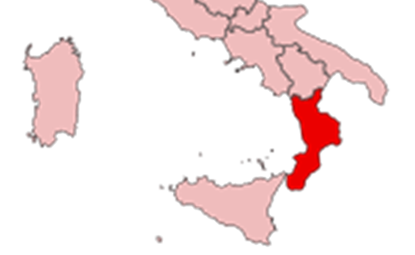
Calabria is a splendid region in southern Italy, which has a vast cultural heritage. Bathed by the waters of the Ionian and Tyrrhenian seas, it is separated from Sicily by the Strait of Messina. The ancient name of Calabria, “Enotria Tellus” (“Land of Wine”), offers a straightforward introduction to this fascinating land, which has always been dedicated to producing wine.

Production isn’t large: Calabria makes just 4.9 million wine cases per year (compared to nearby Sicily’s 69 million cases) and a mere fraction of that wine makes its way to export markets. 

Calabria’s oldest and most famous DOC wine appellation is Cirò, regrettably the only Calabrian wine to command great respect in the 20th and early 21st Centuries.

The other Calabrian wine of any note is Greco di Bianco. This is a white dried-grape sweet wine from the Bianco commune on Calabria’s south-east coast, made from the Greco Bianco grape.

The mild climate, the splendid colors of the sea, the rocky coasts, its wild and mysterious nature, the intense and genuine flavors of the local cuisine and the characteristics of its ancient origins make Calabria a place to be admired in both winter and summer.

Although just under 10% of the regional territory is flat and the area under vineyard is less than 20,000 ha., Calabria can stand out its position thanks to native grapes such as Gaglioppo and Magliocco and the hard work of small artisan wine producers, who believe in the enormous potential of this region. Italy’s “top of the road” is fighting to gain greater prominence on the national and global wine scenes.

The history of Calabria viticulture

The first documents on viticulture in the region date back to around 1000 AD, a sign that this activity already played a key role in the Calabrian economy, along with fishing and commerce.

At the end of the 19th century, the Phylloxera epidemic dealt a severe blow to Calabrian viticulture and, as a result, for many years, local wines were relegated to use as blends. The volume produced in the region has never quite recovered, and the planted area has decreased. In 2020, there were 8,824 hectares (21,800 acres) declared under vine, down from 30,000 hectares (75,000 acres) in 2010.


  1. Calabria’s Denominations and Varieties

The region is home to nine DOC titles, while it still lacks a DOCG title. However, these appellations cover only around one eighth of the region’s total wine output. The production restrictions they require are not counterbalanced by the prices they command, making them an unattractive prospect to producers.

Calabria’s oldest and most famous wine appellation is Cirò DOC, the only Calabrian wine to command great respect in the 20th and early 21st Centuries. It remains the only significant reminder of Calabria’s potential as a source of high-quality wine, particularly in its Cirò Rosso Riserva form.

Cirò is best known for red wines based on the Gaglioppo grape variety. Considered one of the oldest named wines in the world, with a winemaking history stretching back thousands of years.  The origins of Gaglioppo are unclear. The traditional theory is that the variety arrived with Aglianico at the time of the ancient Greeks. However, recent DNA testing suggests that it is more likely to be one of the many descendants of Sangiovese. A third theory is that both are true, but that it is the result of a cross-pollination between Sangiovese and an unknown variety from Greece.

The Gaglioppo grape produces varietal red wine that is typified by a range of crushed berry flavors, often accented by cherry and spicy secondary notes. It can also be blended with Cabernet or Merlot (Cirò Rosso). Some people like to slightly chill their Gaglioppo, for a refreshing summer drink. This is very much Calabria’s flagship wine. Also of interest from Calabria is the red Maglioppo, likely a relative of Sangiovese. Finally, Cirò Rosso Riserva wines (or Riserva Superiore) represent the finest that Cirò, and indeed Calabria, can produce. These are matured for at least two years before commercial release.

In Cirò, Gaglioppo vines are grown at high altitudes to protect them against the hot southern Italian climate. Many producers choose to pick early in the season to help retain good levels of acidity and to prevent the fruit from tasting too jammy and stewed once vinified.

Gaglioppo responds best to dry conditions, but can become too alcoholic if its high natural sugar levels are left to develop for too long on the vine.

A limited quantity of Cirò Bianco and Rosato are also produced. The white must feature at least 80% Greco Bianco. Any other white varieties permitted in Calabria make up the balance. The Rosato has the same blend rules as the Rosso.


  1. Information on the Wines


Wine #1. Cataldo Calabretta, Cirò Bianco DOC, 2022

– The Producer: The Calabretta family has been involved in winemaking for four generations, with Cataldo Calabretta winery being the current representative. This small winery was founded in the early 1900s and has been dedicated to producing high-quality, authentic wines from the Cirò region. The winery has recovered old vineyards in the hilly area of Cirò Marina, near the sea, to produce wines that reflect the unique terroir of the region. Cataldo Calabretta is committed to sustainable and organic practices, with a focus on preserving the natural characteristics of the grapes and terroir. The winery uses traditional techniques, such as sapling cultivation for Gaglioppo grapes, and minimal intervention in the cellar.
– The wine: Cirò Bianco by Calabretta is a certified organic white wine. It has a bright straw yellow color with aromas of white flowers and yellow pulp fruit. The flavor and persistence stand out on the sip.

The nose shows notes of wild flowers and fresh white fruit; on the palate it shows hints of Mediterranean fruit with a touch of aromaticity due to the presence of Malvasia. (https://biondivino.com/).  

  • Year – 2022
  • Composition: Greco Bianco (90%); Malvasia (10%)
  • Denomination: Cirò DOC, Calabria
  • Fermented separately and then assembled in a proportion according to the vintage
  • Aged in steel tanks
  • 5-13% APV

Winemaker notes.A white wine with fine minerality and personality. A touch of skin contact gives it grip and added texture. Expect notes of white flowers and yellow fruit. It’s fresh, fruity and persistent and aged for 6 months in stainless steel on the lees.

The Cirò Bianco is a wine for every meal that goes well with rich fish appetizers, pasta dishes with sauces with fish, try the linguine with crab. 


Wine #2 Statti, Cauro, Rosso Calabria IGT, 2020

The Producer: Since 1700’s the family of Baron Statti has been living in the same 500 hectares. For over two thousand years, the agricultural history of Calabria has been intertwined with that of wine, and since the 1700’s the Baroni Statti family has been living on the same five hundred hectares. For Statti, the great variety of native vines represents a great heritage to be rediscovered and enhanced. The Statti family has played a decisive role in the Calabrian economy and, today, Alberto and Antonio Statti decided to capitalize on the deep bond with the territory’s history and tradition, with an eye always projected towards the future and innovation.

The Wine: Cauro is what we can call a “Super Calabrese”. A blend of typical Calabrian grapes, this wine is a true walk in the woods: 50% Cabernet Sauvignon, 30% Gaglioppo and 20% Magliocco.

  • Year – 2020
  • Composition: 50% Cabernet Sauvignon, 30% Gaglioppo and 20% Magliocco.
  • Denomination: Calabria IGT
  • Vinification: Destemming, pressing of the grapes and traditional red fermentation in 150 hl steel tanks, at a controlled temperature (22° – 26° C) with maceration on the skins for 15 days.
  • Aged for 12 months in French oak barriques and 30 hl barrels
  • 5% APV

Tasting notes: It presents aromas of wild fruits, vanilla, wood, clove and leather. In the mouth great balance with perfectly extracted tannins. Long persistence, its great generosity leaves a pleasant sensation of vanilla and small red fruits in the finish.

Berry undertones take center stage on the palate, and contrast with medium tannins and acidity to create a coherent, sophisticated wine. It goes perfectly with succulent meats and semi-matured or aged cheeses with a complex and intense flavor.

Wine #3.  Statti, Gaglioppo Calabria IGT, 2023

The Wine: From the same Statti winery, the respect of the original and typical fruit produces a wine of rare elegance and pleasantness. The right witness of a land hidden in his own richness.
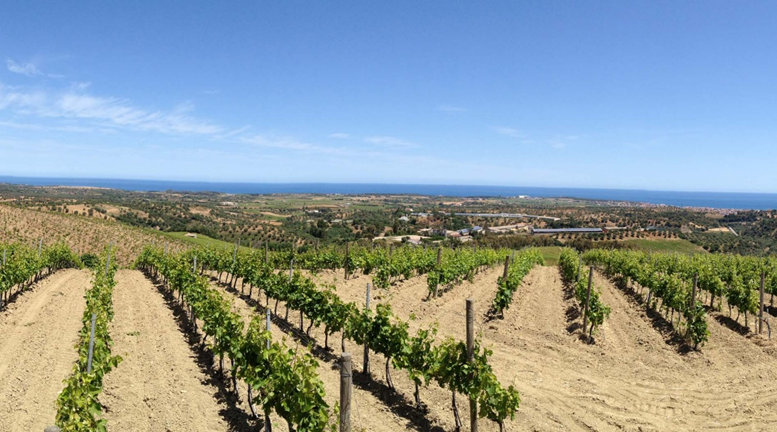
  • Year – 2023
  • Composition: 100% Gaglioppo.
  • Denomination: Calabria IGT
  • Vinification: Traditional fermentation at a controlled temperature (22-26 °C) with maceration on the skins for 7 days.
  • Aged In stainless steel tanks for 3 months
  • 12-13% APV.


Wine #4. Ippolito 1845 ‘Colli del Mancuso’ Cirò Classico Superiore Riserva, 2020

The Producer: With over 160 years of history, the Ippolito winery represents the oldest winery in Calabria. Among the indigenous Calabrian varieties, Gaglioppo plays a leading role and has made a personal boast of the valorization of the region’s rich heritage.

The Ippolito 1845 winery’s vineyard area is made up of three estates located in the heart of the Cirò DOC: Mancuso, Feudo and Difesa Piana, within a total of about 100 hectares distributed close to the Ionian Sea. Innovative techniques and careful control of all production processes allow the company to put on the market wines that are elegant but deeply rooted in their territory.

The most important operations in the vineyards are carried out strictly by hand. The reduced tillage to limit erosion and save biodiversity, conducting organic agriculture. The cultivated vines are only native, true heritage of Calabria: Gaglioppo, Greco Bianco, Calabrese, Pecorello, Greco Nero and others.

The Wine: Emblem of the best Calabrian winemaking, this Cru comes from the oldest native vine of Calabria, Gaglioppo, grown in the low-yield hilly vineyards of the Mancuso estate located in the heart of Cirò DOC.

  • Year – 2020
  • Composition:.
  • Denomination: Cirò DOC, Calabria
  • Vinification: the breeding system adopted is mainly the horizontal spurred cordon, a small part with a high sapling. Yields vary between 50 and 80 quintals per hectare, with a production of 1-1.5 kg per vine. The grapes are left to ripen on the hills until late October and then carefully selected.
  • A long maceration on the pomace, is followed by a 12-month refinement in oak barrels, so as to enhance the elegance and softness of the wine
  • 14% APV

Tasting notes: ruby ​​red with beautiful liveliness offers elegant aromas of morello cherry, plum, spices and vanilla. The flavor is full, soft, and finely tannic.

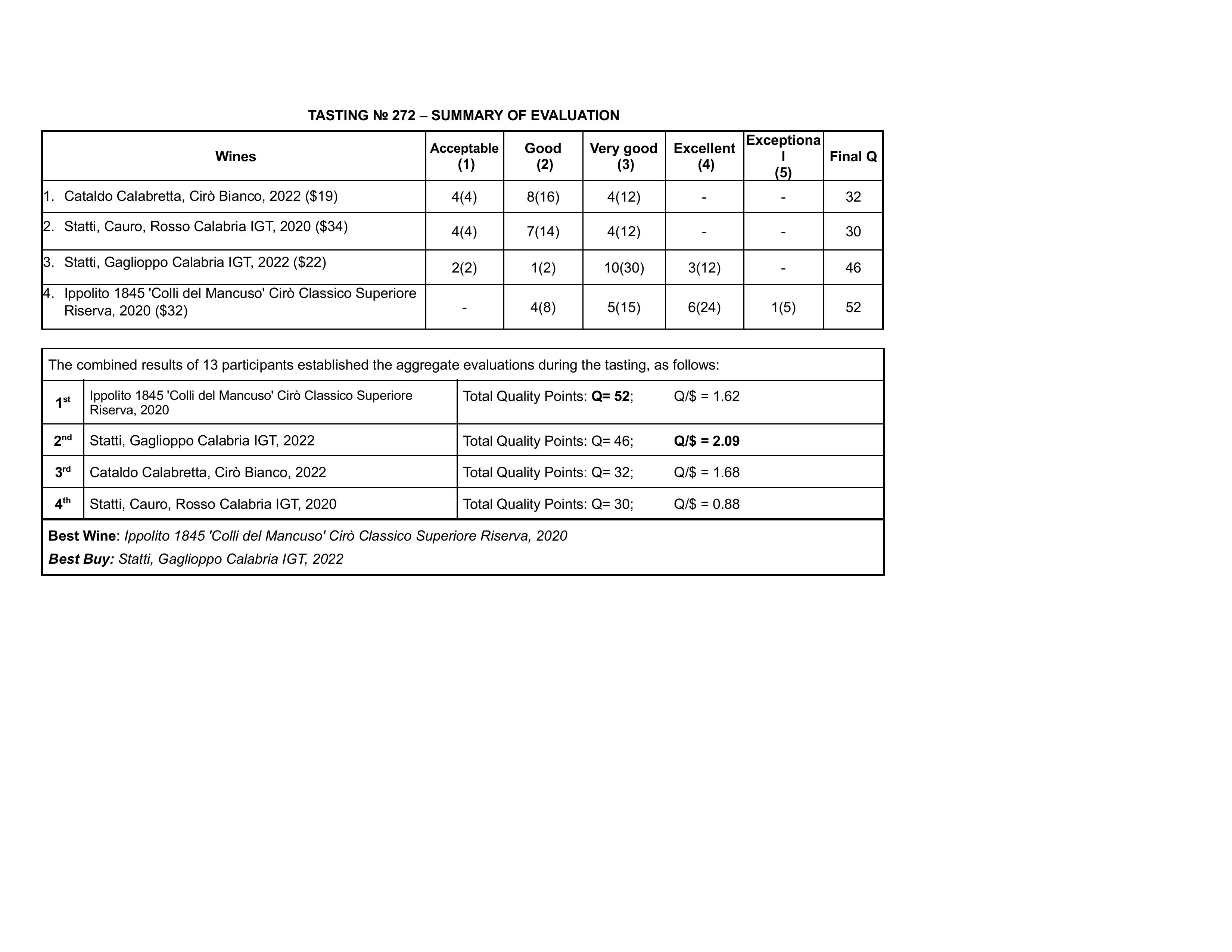
6.  CV Members Ratings:

Before revealing their prices. 16 participants rated them from Mediocre to Exceptional. The combined results established the preference order during the tasting as
follows:
Ippolito 1845 ' Colli del Mancuso' Cirò Classico Superiore Riserva, 2020 was the Best Wine, and Statti, Gaglioppo Calabria IGT, 2022 was the Best Buy.
The following Table presents the details of ratings and combined results.  

7.  References

https://biondivino.com/

https://www.wine-searcher.com/

https://www.wine.com/

https://www.ippolito1845.it/

https://www.statti.com/

https://cataldocalabretta.it/

.o0o.


Laughing matter:

.o0o.


Posted in Meeting Abstract, Wine - Vino - Vinho, Wine Regions | Tagged , , , , , , , | Leave a comment

A Few Pictures of the October Degustation of the Club

A Few Pictures of the October 2024 Degustation of the Club.


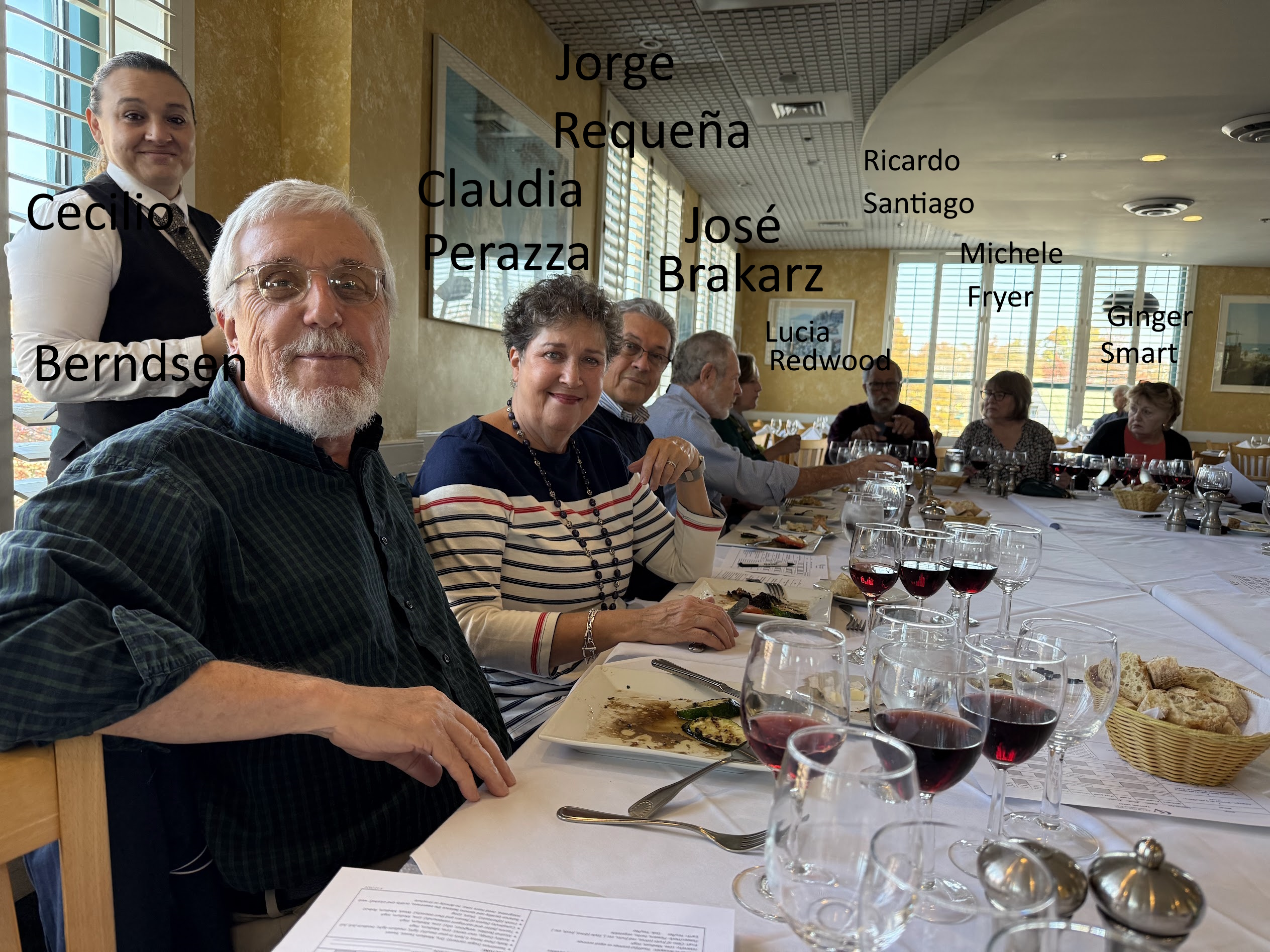
On October 29, 2024 the Club tasting was of wines that come from Chiavennasca: Il Nebbiolo delle Alpi. The wines and the region were presented by Ricardo Santiago. Details of this presentation are available in a previous post  available here. Here a very casual photographic register of the meeting.


Cheers!  Keep Tasting!   


.o0o.


Life is full of choices:

.o0o.

Posted in Photos and Videos - Club del Vino, Wine - Vino - Vinho | Tagged , , , , | Leave a comment

Tasting 271 Wines of Puglia – November 19, 2024.

Tasting No. 271   Wines of Puglia  – November 19, 2024    

  Capri Ristorante, McLean VA

Wines of Puglia

  1. Tasting Overview

The main objective of this tasting is to compare and contrast red wines of Puglia. We endeavored to choose red wines that we believe are distinctive and represent the region and varietals. We selected two Negroamaro, a Primitivo, and an Aglianico.


Type of tasting: Open.  All wines presented together

Presenters: Nick Marzella and Erico Silva

Participants:   S. Ardila; R. Arroio; M. Averbug; C. Estrada; M. Fryer; J. García; N. Marzella; O. Mason; C. Perazza; J. and L. Redwood; R. Santiago; E. Silva; M. Simões; L. Uechi; and G. Vega.

These are the Wines:

  1. Cantine San Marzano Anniversario 62 – Primitivo di Manduria Reserva -2018
  2. Cantine San Marzano F – Negroamaro, 2020
  3. Tormaresca Bocca di Lupo – Aglianico, 2016
  4. Tormaresca Massseria Maime – Negroamaro Salento, 2021.


  1. The Menu
  • Insalata Caprese
  • Orecchiette con Broccoli
  • Lamb chops with roasted potatoes
  • Dessert, coffee or tea.


  1. Information about the region

Apulia also known by its Italian name Puglia is a region of Italy, located in the southern peninsular section of the country, bordering the Adriatic Sea to the east, the Strait of Otranto and Ionian Sea to the southeast and the Gulf of Taranto to the south. The region comprises 19,345 square kilometers (7,469 sq mi), and its population is about four million people. It is bordered by the other Italian regions of Molise to the north, Campania to the west, and Basilicata to the southwest. The regional capital is Bari.

Vineyards cover 106,715 ha (263,980 acres) in Apulia, which is 1st place among Italian grape-growing regions. But in the production of quality DOC and DOCG wines, Apulia has only ranked 12th of 20 with 297,667 hectoliters. There are four DOCGs in Puglia: Castel del Monte Bombino Nero; Castel del Monte Nero di Troia Riserva; Castel del Monte Rosso Riserva; and Primitivo di Manduria Dolce Naturale. The region holds six IGT titles and just over 30 DOCs.

  1. The grape varietals

Negroamaro (seldom Negro amaro – meaning “black [and] bitter”) is a red wine grape variety native to southern Italy. It is grown almost exclusively in Apulia and particularly in Salento, the peninsula which can be visualized as the “heel” of Italy. The grape can produce wines very deep in color. Wines made from Negroamaro tend to be very rustic in character, combining perfume with an earthy bitterness. The grape produces some of the best red wines of Apulia, particularly when blended with the highly scented Malvasia Nera, as in the case of Salice Salentino DOC.

History and Etymology

While negro is from an Italian and Latin word meaning “black”, there is some dispute as to whether amaro is from the Italian word for “bitter” or whether it derives from the ancient Greek mavro also meaning “black”. If the latter theory is correct, mavro may share a root with merum, a wine brought to Apulia by Illyrian colonists before the Greeks arrived in the 7th century BC. Horace and other Roman writers mention mera tarantina from Taranto, and Pliny the Elder describes Manduria as viticulosa (full of vineyards). But after the fall of the Roman Empire winemaking declined until it was only kept alive in the monasteries – Benedictine on Murgia and Greek Orthodox in Salento. Negroamaro could be the grape used in merum, or it could have been brought by traders from the home of winemaking in Asia Minor at any point in the last 8,000 years.

Zinfandel (also known as Primitivo) is a variety of black-skinned wine grape, which is grown in over 10 percent of California vineyards. DNA analysis has revealed that it is genetically equivalent to the Croatian grapes Crljenak Kaštelanski and Tribidrag, as well as to the Primitivo variety traditionally grown in Apulia, Italy, where it was introduced in the 18th century, and Kratošija in Montenegro. The grape found its way to the United States in the mid-19th century, where it became known by variations of a name applied to a different grape, likely “Zierfandler” from Austria.

The grapes typically produce a robust red wine, although, in the United States, a semi-sweet rosé (blush-style) wine called White Zinfandel has six times the sales of the red wine. The grape’s high sugar content can be fermented into levels of alcohol exceeding 15 percent.

The taste of the red wine depends on the ripeness of the grapes from which it is made. Red berry fruit flavors like raspberry predominate in wines from cooler areas, whereas blackberry, anise and pepper notes are more common in wines made in warmer areas and in wines made from the earlier-ripening Primitivo clone.

Most Primitivo is grown in Puglia, and it is estimated to be the country’s 12th most widely planted grape variety. The main three DOC areas are Primitivo di Manduria, Gioia del Colle Primitivo (Riserva) and Falerno del Massico Primitivo (Riserva o Vecchio). The Manduria DOC covers still red wines, as well as sweet (Dolce Naturale) and fortified (Liquoroso Dolce Naturale, Liquoroso Secco) wine. Falerno requires a minimum of 85% Primitivo; the others are 100% Primitivo. Gioia del Colle Rosso and Rosato contain 50–60% Primitivo, and Cilento Rosso/Rosato contains around 15%.

Historically, the grape was fermented and shipped north to Tuscany and Piedmont, where it was used as a blending grape to enhance the body of thin red wines produced in those areas. When the link between Primitivo and Zinfandel began to emerge, plantings in the region and production of non-blended varietals increased. Today, most Italian Primitivo is made as a rustic, highly alcoholic red wine with up to 16% alcohol by volume (ABV). Some Italian winemakers age the wines in new American oak to imitate American-style Zinfandel.

Aglianco. Making its home in the mountainous southern Italy, Aglianico is a bold red variety that is late to ripen and often spends until November on the vine. It thrives in Campania as the exclusive variety in the age-worthy red wine called Taurasi. Aglianico also has great success in the volcanic soils of Basilicata where it makes the robust, Aglianico del Vulture. The name “Aglianico” bears striking resemblance to Ellenico, the Italian word for “Greek,” but no evidence shows it has Greek ancestry. However, it first appeared in Italy around an ancient Greek colony located in present-day Avellino, Campania. 

  1. Information on the Wines

Wine 1: Cantine San Marzano Anniversario 62 Primitivo di Manduria Riserva 2018

The Producer: Cantine San Marzano. San Marzano is a small town in the center of the Primitivo di Manduria DOP, a strip of land between the seas that wash over the Puglia region. It was here that 19 winegrowers founded Cantine San Marzano. Long before the appellation of origin was created and Primitivo di Manduria was recognized worldwide, they were chasing a dream.

In 1962, 19 vine growers from San Marzano, whose families had farmed the land for generations, combined their efforts to establish Cantine San Marzano. Now in this cooperative there are 1200 wine growers, and it has become one of the most popular and well-known wineries in Puglia. Just the bond with the land is the starting point for the work of this winery. Not surprisingly, Cantine San Marzano is devoted mainly to two great red grapes of Puglia: Primitivo and Negroamaro.

In addition to the red wines, Cantine San Marzano is also dedicated to the sweet wines, with the great variation of Primitivo Passito.

Technical Data:

  • Grape: Primitivo.
  • Appellation: Primitivo di Manduria DOP Riserva.
  • Production area: High temperatures all year round, very little rainfall and a wide temperature range between night and day. Vineyards with 60-year-old Alberello training vines (bush-vines). Loam soil, finely textured and rich in iron oxides that give the topsoil the distinctive red hue. Calcareous subsoil (limestone) with few emerging rocks.
    • Harvest: Mid-September, hand- harvested grapes
    • Fermentation: Malolactic fermentation with autochthonous yeasts in stainless steel tanks.
    • Aging: 12 months in French and American oak barrels.
    • Alcohol: 14.5%.
  • Winemaker notes: “…wide and complex bouquet, fruity with prune and cherry jam aroma, hints of tobacco. Full- bodied wine, well-balanced, soft and rich in elegant tannins; long finish with notes of cocoa, coffee and vanilla.”
  • Awards: Gold medal, The New Zealand International Wine Show 2022; Gold Medal, Selections Mondiales des Vins Canada 2022; Gold Medal, Vintaste international Wine Contest 2022; Gold Medal, Berliner Wein Trophy 2022 – Winter Tasting; Silver Medal Hiobg Kong International Wine & Spirit Competition 2022.

Wine 2: Cantine San Marzano ‘F – Negroamaro’, 2020

The Producer: Cantine San Marzano (see above)

Technical Data:

  • Grape: Negroamaro
  • Appellation- Salento IGP
  • Production Area: Contrada di Monte la Conca, between San Marzano and Francavilla Fontana, Salento. The climate is characterized by high temperatures all year round, with very little rainfall and a wide temperature range between night and day, which has a positive influence on the quality of the grapes. Loam soil, finely textured and rich in iron oxides that give the topsoil the distinctive red hue. Calcareous subsoil (limestone) with few emerging rocks.
    • Harvest: Last week of September, hand-harvest of slightly overripe grapes.
    • Fermentation: Malolactic fermentation in stainless steel tanks.
    • Aging: 12 months in French and Caucasian oak barrels.
    • Alcohol: 14.5 %
  • Winery tasting notes: Very deep purple red; wide and complex to the nose, with notes of spices, soft fruit, and cherry jam. A full-bodied wine, soft and balanced, rich in fine tannins, with a pleasant long-lasting finish.
  • Awards: Best Negroamaro, 1st Best Red Wine of Italy (98 points), Annuario Dei Migliori Vini Italiani Luca Maroni 2023; Gold Medal, Vinarium International Wine Contest 2022. Gold Medal, Berliner Wein Trophy 2022 – Winter Tasting; Gold Medal, Mundus Vini 2022 – Spring Tasting; Silver Medal, Hong Kong International Wine & Spirit Competition 2022.
  • Critic tasting notes. “The 2020 Cantine San Marzano F Negroamaro is rich, yet stylish. This wine offers aromas and flavors of lovely, fragrant spices, black fruits, and hints of licorice. Serve it with a generously deep-dish pizza topped with pepperoni and a grating of well-aged Parmesan. (Tasted: July 19, 2024, San Francisco, CA)” Wilfred Wong of Wine.com.

Wine 3: Tormaresca ‘Bocca di Lupo’, 2016

The Producer: Tormaresca, San Pietro Vernotico. The Tormaresca winery in Puglia is Marchesi Antinori’s flagship winery on the heel of Italy’s boot and a tribute to this ancient and wonderful wine-growing region, where wine has been produced since ancient Greeks.

Tormaresca is the only producer with vineyards in both of Puglia’s two elite wine-growing sub-regions: Salento and Castel del Monte DOCs.

Technical Data:

  • Grape: Aglianico
  • Appellation: Castel del Monte DOC
  • Production area: the Tormaresca estate is composed of two properties. Bocca di Lupo is located in the Castel del Monte DOC of northern Puglia. It offers an ideal growing environment for Chardonnay, Aglianico and Cabernet Sauvignon. Masseria Maime is located on the Salento peninsula in Southern Puglia. Its vineyards extend over half a mile along the Adriatic coast and are planted with Negroamaro, Primitivo, Cabernet Sauvignon and Chardonnay.
    • Aging: French Oak and then bottles for a least one year
    • Alcohol: 14.5 %
  • Winemaker Notes: Graceful, with lively but silky tannins. Long and persistent finish with pleasant sensations of freshness and complexity. A wine that reveals excellent aging potential.

Wine 4: Tormaresca Masseria Maìme, Negramaro Salento, 2021

The Producer: Tormaresca (see above).

The wine:

  • Grape: Negroamaro
  • Appellation: Negroamaro IGT Salento
  • Production area: The Masseria Maìme estate is located in one of the most beautiful areas of Upper Salento not too far from the town of San Pietro Vernotico in the province of Brindisi. The estate extends along the coastline forming a unique countryside of vineyards that lies between woodlands and pine forests stretching out as far as the eye can see until blending into the sea. The most prevalent grape varieties grown here are Negroamaro, Primitivo, Chardonnay and Fiano.
  • Fermentation: Stainless steel vats.
  • Aging: 60% of the wine aged in 500 liter-capacity tonneaux and the remaining 40% in French oak barriques., and 15 months in the bottle.
    • Alcohol: 14.5 %
  • Winemaker notes: Ruby Red in color, it presents fruity notes of sour cherries and plums accompanied by sweet notes of rose and irises with vanilla and a slightly spicy note of black pepper on the finish.
  • Critic tasting notes: “Initial tones of coconut, anise and cola carry the nose, with dense blackberry and black cherry aromas eventually chiming in. It’s full and rich on the palate, oozing with seductive warm spice tones and gripping dark fruit, all while polished tannins and well-integrated acidity lend to the ample structure. It’s surly in its infancy, needing time to stitch together. Drink 2023–2030. (Alexander Peartree @ Wine Enthusiast).

Club del Vino Members Evaluation of the Wines tasted:

The tasting took place before revealing their prices. 14 participants rated them from Acceptable to Exceptional. The combined results established the preference order during the tasting as follows: 

Cantine San Marzano, ‘Negroamaro F’, Salento IGT, 2020 was the Best Wine, and the Best Buy. The following Table presents the details of ratings and combined results.

References:

https://en.wikipedia.org/wiki/Negroamaro

https://en.wikipedia.org/wiki/Zinfandel

https://en.wikipedia.org/wiki/Aglianico

https://wine.com

https://en.wikipedia.org/wiki/Apulia

.o0o.

A dose certa de vinho

.o0o.

Posted in Member's Wine Ratings, Wine - Vino - Vinho, Wine Regions | Tagged , , , | Leave a comment

Tasting No 270 – October 29, 2024 Chiavennasca: Il Nebbiolo delle Alpi

Tasting No 270 – October 29, 2024

Chiavennasca: Il Nebbiolo delle Alpi

           Capri Ristorante, McLean VA


  1. Tasting Overview

The main objective of this tasting is to explore lesser-known wines from Valtellina in Lombardia. They are red wines produced in relatively small but high-quality wineries. The wines are a unique expression of the Nebbiolo grape, locally called Chiavennasca.

All the wines in the tasting are 100% Nebbiolo and are from renowned wineries from the three appellations of Valtellina

A  file format .pdf  of this post is available here 2024 10 29 Degustation 270

Type of tasting: Open

Presenter: Ricardo Santiago

Participants: S. Ardila; M. Averbug; C. Berndsen; J. Brakarz; J. Claro; C. Estrada; J. Estupiñan; M. Fryer; J. García; R. Gutierrez; C. Perazza; J. and L. Redwood; J. Requena; C. Santelices; R. Santiago; G. Smart; and L. Uechi.  

These are the wines:

      1. Arpepe, Rosso di Valtellina, 2021
      2. Tenuta Scerscé, Valtellina Superiore, Essenza, 2017
      3. Mamete Prevostini, Valtellina Superiore, Sassella, Marena, 2019
      4. Nino Negri, Sforzato di Valtellina, Sfursat, Carlo Negri, 2019.

The Menu

  • Portobello al forno
  • Ravioli di vitello
  • Scaloppine di vitello con risotto alla milanese
  • Dolci, caffè o tè.
  1. The Valtellina Winegrowing Area in Lombardy Region

“Wine production in Valtellina is the result of an endless dialogue among the Alps, the energy of the Sun, the breeze blowing from Lake Como and the agricultural activity on the terraces.”              

Consorzio di Tutela dei Vini di Valtellina

Lombardia is Italy’s most populated region, wealthy and industrialized. Milan is the second largest city in Italy and center of finance and fashion. The region is a smaller wine producer than neighboring Piemonte, Veneto, and Emilia-Romagna and has smaller number of indigenous varieties compared to other regions.

Lombardia’s topography sectors are: Alps, Prealps, Padana Plain, and Appennines foothills. The Climate is Continental with considerable variation (mountain ranges, hills, rivers, and lakes).

It is home to the respected appellations of Valtellina, Lugana, and Franciacorta.

Valtellina is Lombardia’s most northerly wine producing area. Vineyards lie in a rare east-west direction along a very narrow strip of land, on the northern bank of the Adda River, in the foothills of the Alps.

  • Vineyards are divided into a multitude of small parcels planted on small terraces sustained by dry-stone retaining walls (2,500 km of walled terraces!).
  • Topsoil is extremely thin in many places: earth has had to be brought up
  • Vineyards lie up to 700-800 m in altitude
  • A labor of love “heroic” viticulture: labor-intensive and costly ‘rarified air’ vineyards
  • Vineyards have a perfect south-facing aspect
  • The Adda River flows into Lake Como, which provides warm air that travels back up the valley to remain trapped by the mountain ranges.
  • Large stones in walls catch and store daytime heat and release it slowly during the night to the hanging grapes.

Valtellina Appellations and Varieties

Valtellina is the only major winegrowing area outside of Piemonte where the Nebbiolo grape thrives and where a considerable quantity of wine from the variety is produced.

Wines in all three appellations must be made from a minimum of 90% Chiavennasca (Nebbiolo), while local varieties Brugnola, Rossola, and Pignola are used to complement (up to 10%).


Chiavennasca: The ‘Nebbiolo of the Alps’

  • Nebbiolo Italy’s greatest native grape probably original to Valtellina (close genetic ties to local varieties).
  • Chiavennasca: a local Nebbiolo biotype of Valtellina
  • Requires specific terroirs: Piedmont, Valle d’Aosta, Lombardy and Sardinia in Italy.
  • Strong tannins and high acidity.
  • “Tar and Roses”: Magical perfume of sour to ripe red cherries, delicate sweet spices, and red rose petals and, with age, notes of tar add complexity.
  • Ciù Venasca”: local dialect meaning “a grape variety with great vigor” or “a grape variety that gives more wine”.
  • The word chiavennasca first appeared in literature in 1595.
  • Benedictine monks were growing the variety as early as the tenth to twelve centuries.

The three Appellations are: Rosso di Valtellina (Valtellina Rosso) DOC; Valtellina Superiore DOCG; and Sforzato (Sfurzat) di Valtellina DOCG.

 Rosso di Valtellina DOC

  • The ‘entry level’ wine of Valtellina
  • The simplest wine produced in the region in terms of quality and complexity
  • Traditionally made from 90% Nebbiolo complemented by local varieties.
  • Local varieties up to 10%: Brugnola, Rossola, and Pignola
  • Minimum aging requirement: 6 months
  • Represent a more approachable and straightforward version of Nebbiolo.

 Valtellina Superiore DOCG

  • Most wines are made from 100% Nebbiolo although the official requirement is 90%
  • Minimum age requirement is 2 years (at least 1 year in oak). Riserva requires a minimum of 3 years of aging
  • Compared to Barolo or Barbaresco, Valtellina Superiore tends to be more approachable and perfumed with a leaner overall structure
  • Finesse and elegance rather than power and depth.
  • Wine labels can carry the name of one of the five official subzones:
  • Valgella: Largest and most easterly – soft, floral, and forward wines.
  • Inferno: Steep, rocky vineyards and hotter conditions – structured, tannic, and austere
  • Grumello: Fragrant wines with soft tannin.
  • Sassella: Long-standing renown – elegant wines.
  • Marrogia: Smallest and most recent sub-zone – velvety with firm tannins.
  • It is not easy to distinguish the wines of each subzone even for the specialist. Climate and altitude appear to play a more important role in determining the qualities of the finished wine.

Sforzato di Valtellina DOCG 

  • The pinnacle of the wines of Valtellina (best and richest).
  • Healthy, fully ripe clusters of Nebbiolo are picked and airdried via the appassimento
  • Grapes are required to be desiccated until at least December 10th after Harvest. (it is common practice to prolong the drying process for 3 to 4 months before starting vinification).
  • Minimum ageing: 20 months (at least 12 months in oak)
  • Wine: Dry and minimum alcohol level of 14% abv.
  • Compared to Amarone della Valpolicella DOCG: both are smooth and velvety. Sfursats tend to be less powerful but more elegant (refined and ‘lighter’).
  1. The Wines

Wine #1. Arpepe, Rosso di Valtellina, 2021

– The Producer: Arpepe:Il giusto tempo del Nebbiolo’

  • 1860: Original winery known simply as “Pelizzatti”.
  • 1984: Arturo Pelizatti Perego using his own acronym (ArPePe) regained possession of his part of the vineyards and of the premises used for aging.
  • 2004: Modern winery Arpepe (5TH generation).
  • Vineyards in Sassella, Grumello, and Inferno.
  • Harvest: Manual (impossible to use tractors).
  • Fermentation: Large concrete and mostly large wooden barrels.
  • Annual production: 100,000 bottles
  • Hectares under vine: 15.0
  • Gambero Rosso: The winery won 10 Tre Bicchieri

– The Wine:

  • Grape Variety: 100% Nebbiolo (Chiavennasca)
  • Vineyard: South/East exposure – Altitude 350/400 m
  • Vines, which average more than 50 years old growing deep into fragmented rocky soils.
  • Manual harvest on October 11th, 2021.
  • Fermentation: Native yeast and large wooden vats
  • Ageing: 12 months total with 6 months in big barrels (50 HL)
  • Alcohol: 13.5% abv.

Wine #2 Tenuta Scerscé, Valtellina Superiore, Essenza, 2017

– The Producer: Tenuta Scerscé: ‘Vini chi siano diretta espressione del territorio.’

A new entry into the world of valtellinese wines. Cristina Scarpellini, a trained lawyer, first visited Valtellina in 2006 while working on a business project. She fell in love with Valtellina’s dramatic landscape and its Nebbiolo-based wines, and began dipping her toe into viticulture, buying a few small plots while still commuting to her home in Bergamo. By 2010, she decided to commit herself fully to making wine, despite the difficulties of working in a region with slopes so steep that all vineyard operations require intense manual labor. “I thought this was the place to make wine in the right way,” she says. “It is not easy, but it is unique.”

  • Annual Production: 45,000 bottles
  • Area under vine: 7.00 hectares.

– The Wine:

  • Grape: 100% Nebbiolo (Chiavennasca).
  • Harvest: end of October, rigorously by hand.
  • Vineyard location: Municipality of Villa di Tirano, 450-650 m above sea level.
  • Vinification: Classical natural red vinification with pumping over and délestage. Maceration of at least 30 days.
  • Ageing: In 50 hl truncated oak vats for about 14 months, followed by at least 10 months in bottle.
  • Alcohol content: 13% abv.
  • Tasting Characteristics: “Ruby red color tending to garnet. Fresh and momentum, intense aroma of red fruit are reminiscent of plum, morello cherry and their jams with light spicy notes. Elegant and harmonious.”

Wine #3. Mamete Prevostini, Valtellina Superiore, Sassella, Marena, 2019

– The Producer: Mamete Prevostini: ‘Il rispetto per la terra e la passione nel lavoro’. The Prevostini family has been producing wine on the terraced slopes of Valtellina since the mid-1940s. The grandfather, Mamete, made wines for his restaurant customers. He cellared the wines in crotti (natural caves) which provided ideal cellar conditions. The new cellar of Postalesio has the CasaClima Wine certification. Today the winery is run by winemaker and grandson M. Prevostini.

  • Annual production: 180,000 bottles
  • Area under vine: 20.00 hectares
  • Gambero Rosso: The winery won 18 Tre Bicchieri

– The Wine:

  • Grape Variety: 100% Nebbiolo (Chiavennasca)
  • Vineyard: South exposure, altitude between 350 and 550m asl.
  • Manual harvest from October 7th.
  • Vinification: fermentation in stainless steel tanks and 13 days of maceration.
  • Ageing: 12 months in oak barrels of different capacities and 8 months in bottle.
  • Alcohol: 14% abv.
  • Organoleptic Note: “Bright ruby red color. Intense and fine aroma with hints of morello cherry, hazelnut and small red fruits. Harmonious, velvety, and warm flavor.”

Wine #4. Nino Negri, Sforzato Di Valtellina, Sfursat, Carlo Negri, 2019

– The Producer: Nino Negri: ‘l’impronta della nostra terra’.

  • Founded by Nino Negri in 1896. Today it is the property of Gruppo Italiano Vini. It is the most important winery in Valtellina for figures and surface. It has represented the territory for its role of winemaking and reference cellar for hundreds of associated viticulturists.
  • Annual production: 750,000 bottles
  • Area under vine: 160.00 Hectares
  • Gambero Rosso: ** The winery won 29 Tre Bicchieri


– The Wine:

  • Grape Variety: 100% Nebbiolo (Chiavennasca)
  • Vineyard: South facing, at altitudes between 300 and 550 m above sea level.
  • Harvest: selected grapes entirely handpicked from the end of September onwards.
  • Appassimento: grapes are left to dry for 3 months in the fruttaio (fruit shed). “Forced” (forzato) natural drying (grapes lose almost 30% of their weight).
  • Vinification: Fermented in stainless steel tanks with prolonged maceration (15-20 days). No wine clarification.
  • Ageing: Two Years with at least one year in big oak casks.
  • Alcohol: 16% abv
  • Sensory profile: “Medium ruby hue, accompanied by a concentrated, complex nose with notes of ripe berry fruit and spice (black pepper and cinnamon). At the palate, it’s dry, with ripe dark fruit notes, firm austere tannins. Full-bodied, persistent, long finish with notes of clove and licorice.”
  1. References

Club del Vino Members Rating of the Wines

The tasting took place before revealing their prices. 16 participants rated them from Acceptable to Exceptional. The combined results established the preference order during the tasting as follows:

The red Nino Negri, Sforzato di Valtellina, ‘Sfursat Carlo Negri’, 2019 was the Best Wine, and Mamete Prevostini, Valtellina Superiore, ‘Sassella’, Marena, 2019 was the Best Buy. The following Table presents the details of ratings and combined results.   


.o0o.

An Irish toast (a bit modified):

“Here’s to a long life and a merry one.
A quick death and an easy one.
A pretty girl and an honest one.
A wine glass and another one! “

.o0o.

Posted in Meeting Abstract, Wine - Vino - Vinho, Wine Regions | Tagged , , , , , , | 1 Comment

Tasting No.269   – September 24,  2024 Classic Tuscany – Wine & Food

 Tasting No269   – September 24,  2024

Classic Tuscany – Wine & Food


         Capri Ristorante, McLean VA


  1. Tasting Overview

The main objective of this tasting is to learn about Tuscany and three of its most important red wines – Chianti, Brunello di Montalcino, Super Tuscan – and also Vermentino, a traditional Tuscan white. Also, we’ll learn about Sangiovese, considered one of the greatest red grapes of Italy. And finally, to learn about the wine revolution of the 1970’s and 1980’s that led to wines of immensely higher quality as well as the creation of the Super Tuscans, a group of avant-garde, expensive wines made in an untraditional manner.

Type of tasting: Open

Presenters: Ruth Connolly and Ginger Smart

Participants:  M. Averbug; J. Brakarz; Y. Cutler; C. Estrada; J. Estupiñan; M. Fryer; N. Marzella; J. García;  J. and L. Redwood; P. Meduña; R. Santiago; E. Silva; G. Smart; P. Turina; and G. Zincke. 

These are the wines:

  1. Toscana Vermentino, Casanova Della Spinetta, 2022 Organic Grapes
  2. Chianti Classico, Carpineto, 2021, Countryside between Florence and Siena
  3. Super Tuscan, Poggio Antico, Lemartine, 2019, Siena, Italy
  4. Brunello di Montalcino, Campogiovanni, 2018, Montalcino, Italy.

The Tasting Menu

  • Steamed mussels
  • Fettuccine with veal ragu
  • Lamb with vegetables
  • Dessert, with coffee or tea.


  1.  Tuscany and its Classic Wines

As visitors to Tuscany quickly discover, there doesn’t seem to be a straight line in the entire region. Winding back and forth and up and down along Tuscany’s rural roads, it’s impossible not to fall in love with the patchwork of vineyards that cover a landscape undulating so magically. The region is roughly 68 percent hills. Nearly every vineyard is on a slope of some kind, gentle or steep, and two vineyards are only a stone’s throw apart, which often produce wines of very different characters.

Tuscany stretches from the Tyrrhenian Sea in the west to the low mountains that separate the region from Emilia-Romagna, Marche, and Umbria, its neighbors in the east. At nearly 9,000 square miles, it is the fifth largest region in Italy, yet most of the important wine zones are more or less in the middle of the region, from Florence in the north to Siena in the center and then south to the tiny hill town of Montalcino (famous for Brunello wine).

The climate in this central zone is warm, though not as warm or humid as along the Tyrrhenian coast. Nights are cool, helping to preserve the natural acidity of the grapes, particularly Sangiovese. Soil varies considerably, but the well drained slopes of the central hills tend to be sandy or stony, calcareous, and interspersed with schist and galestro (a crumbly stony marl).

 The grape varieties in Tuscany

Like many Italian wine regions, Tuscany was once home to dozens of grape varieties (in the mid-eighteenth century, more than two hundred were officially recognized). But in modern times, the region has been identified almost exclusively with two grapes: the indigenous variety Sangiovese, for centuries Tuscany’s single greatest grape, and Cabernet Sauvignon, the international variety that since the 1980’s has been responsible for making up – in whole or part- of the blend in numerous famous upper Tuscan wines.

Sangiovese is an exacting, troublesome grape. It doesn’t ripen easily or uniformly. In sites that are not consistently sunny or in rainy, overcast years, it’s common around harvest time to see bunches of soft, purple, ripe grapes as well as slightly green, underripe ones. Unevenly ripe bunches can lead to thin or unbalanced wines. This is just one of the challenges Sangiovese presents.

There’s another vexing issue: Sangiovese’s genetic disposition to reinvent itself as different variations, known as clones. Central Italy is literally strewn with multiple clones of Sangiovese. Though no one knows precisely how many different clones there are, winemakers are convinced that the main ones vary enormously in flavor and that the future of Tuscan wine lies in clonal research. An ambitious study of grape clones was begun in Chianti in 1987. With knowledge from this research, wine producers can pull out inferior, poor tasting clonal types. Among the top clone types are Sangioveto, one of the clones found in the best Chianti Classico wines; Brunello, the clone used for Brunello di Montalcino, and Prugnolo, the primary clone used for Vino Nobile di Montepulciano.

As for Cabernet Sauvignon, although it was brought to Tuscany in the XVIII century, reportedly by Grand Duke Cosimo de Medici III, the variety was largely unimportant until the grapes were used in Super Tuscans.

White grapes have never been very important in Tuscany, although Trebbiano and Malvasia were used to make “vino santo”, while the remainder were used in making Chianti and Nobile de Montepulciano. Vernaccia, Tuscany’s most traditional white grape, is grown around the hill town of San Gimignano and is the only white grape of any character. Italian experts consider it a serviceable and charming white. 

Chianti and Super Tuscans as they relate to each other.

Chianti wine has come a long way from its role as companion to spaghetti and meatballs. Not that this association in the United States was always pejorative. After World War II, being cheap and easy to drink was pretty ideal. Chianti implied neither snobbish nor wealth; it was just plain easy to drink. But, as time went on, the wine grew increasingly disappointing. Part of the problem was the Chianti formula. Traditionally, Chianti was a blend of Sangiovese and Canaiolo grapes == and white Malvasia and/or Trebbiano. The formula was developed in the mid 1800’s by Baron Bettino Ricasoli, whose family had been making Tuscan wine since the twelfth century. Ricasoli decided that adding a small amount of Malvasia to Chianti would heighten its vivacity, boost its flavor, and make it more drinkable when young. Imbedded in this notion were the beginnings of disaster.

The more popular Chianti became the more it was “lightened” with white grapes – and not just with Malvasia but with a fairly dull type of Trebbiano. Far from adding character, it turned it into an anorexic red, gaunt, unbalanced and hollow. Even more trouble lay ahead because, after the war, the government gave the winegrowers funds for agricultural development and, in the rush to grow more, vineyards were planted beyond Chianti’s traditional region -between Florence and Siena. Nurseries supplied vineyards with plantings of a different type of Sangiovese, a clone called Sangiovese di Romagna, brought in from the nearby region of Emilia-Romagna and less well suited to Tuscany. As a result, the quality of Chianti collapsed, and by the late 1960’s, Chianti was bought as much for its straw covered bottle (the candle holder of the era) as for the liquid inside.

Faced with the possibility of the industry’s demise, in the mid 1970’s, a handful of innovative producers began taking steps toward making wines that would be the polar opposites of “spaghetti Chianti.” Their inspiration was Sassicaia, made by Marchese Mario Incisa della Rocchetta at his estate Tenuta San Guido, near the coast in Bolgheri.  An artisanal wine that broke every rule, Sassicaia did not have a drop of Sangiovese in it but, instead, was made from Cabernet Sauvignon from vines that had come indirectly from Chateau Lafite. The Sassicaia vineyards were planted in what was considered just about the worst possible location in Tuscany. And the wine was aged in barriques – small, new French-oak barrels – when every other wine in Tuscany was aged in large old barrels, made of Slavonian oak.

The first Sassicaia made in the 1940’s were awkward, even coarse wines, but by the 1960’s, Incisa della Rocchetta had refined his techniques considerably, and the wine, defying expectation, turned out to be impressive. Piero Antinori, who was Incisa della Rocchetta’s cousin, was the head of a centuries-old Tuscan winemaking family. Sassicaia then became the catalyst for Antinori’s Tignanello – the first well known non-Chianti Chianti.

Made in 1971, Tignanello had no white grapes, was based almost entirely on Sangiovese (later Cabernet Sauvignon and Cabernet Franc were added), and was aged in barriques. Tignanello was like a flashlight in the dark. Other top producers immediately followed suit, making expensive proprietary wines of their own, sometimes from Sangiovese blended with Cabernet Sauvignon, sometimes from either grape alone. What unified these wines was what they were not. They were not made according to the traditional Chianti formula specified in the DOC laws. As a result, the government considered them mere “Vini da tavola”; the press nicknamed them the Super Tuscans.

The eclectic group of Super Tuscans motivated winemakers to further improve the quality of Chianti. The Chianti DOC title was created in 1967, and in 1984 Chianti was elevated to DOCG status, paving the way for additional improvements commensurate with the region’s enhanced status. The DOCG laws for Chianti were revised and made more liberal. The Super Tuscan concept has such marketing cachet that it is undoubtedly here to stay. Most wines considered Super Tuscans aren’t really traditional, no matter how close they come to fitting into the DOCG laws. These wines are made in an international style, generally flamboyant, dense and powerful, packed with tannin and wrapped in the vanilla note flavor that new oak imparts.

Traditional Chianti is something quite different. Sangiovese is a grape the entire flavor profile of which seems built for food. It’s more supple and less tannic than Cabernet Sauvignon, more elegant and lighter in body than Syrah or Primitivo and, most importantly, wines made from Sangiovese often possess a fascinating suggestion of saltiness and a good bit of acidity that clears your palate and makes you want to take another bite of food.

Chianti Classico – The area that historically yielded the richest, fullest Chianti was the original small hilly central region known as Chianti Classico. In 1996 the uniqueness of Chianti Classico was underscored when it was awarded a DOCG of its own. The microclimates of the Chianti Classico are multiple and diverse, thanks to the undulating hills and the variations in geology. By law, Chianti Classico can be composed of 75 to 100% Sangiovese, up to 10% Canaiolo, up to 15% other red grapes, including Cabernet Sauvignon and Merlot, and up to 6% white Trebbiano or Malvasia. The best basic Chianti Classico has plum and dried cherry flavors and sometimes a touch of salt and spice.

Brunello di Montalcino – Brunello (dialect for the nice dark one) is Tuscany’s most revered wine. It is also Tuscany’s rarest, most expensive, and longest lived. It is made in Montalcino, a walled medieval village clinging to a rocky hilltop, about an hour’s drive south of Chianti Classico. This southern subregion is warmer, and the wines have historically been bigger bodied than Chiantis. The extra bit of warmth provides winemakers with more assurance that each year Sangiovese grapes will ripen and produce wines of nuance and complexity. As a result, from the start Brunello of Montalcino has been based on Sangiovese alone. Brunello di Montalcino wines is made exclusively from Sangiovese Grosso, which is the large-berried form of Sangiovese. Brunello, its name here, translates roughly as ‘little dark one‘. The use of this synonym, and its inclusion in the name of the wine, was part of a clear strategy to differentiate the wine from Chianti.

The vineyards of Brunello di Montalcino cover a modest area of 3,000 acres (by comparison, Chianti covers more than 41,000 acres.) The best vineyards, as well as the village, are some 1,800 feet above sea level, where they are blanketed by a luminous swatch of sunshine. There is more limestone in the soil than in Chianti, and there are strips of clay, volcanic soil and plots of galestro. The best vineyards are planted on slopes facing south and southwest. The Monte Amiata range to the southeast helps to protect the vineyards from sudden rain and hail.

TuscanyBrunello di Montalcino is made from a special clone of Sangiovese called Brunello. In good years the Brunello clone yields a lavish wine, fleshier in texture than Chianti, with complex aromas and flavors of blackberry, black cherry, and black raspberry fruit and chocolate, violet, and leather.  By law, Brunello di Montalcino must be aged longer than most other Italian wines – four years, two of which must be in oak, for regular Brunello, and five years, two and a half years of which must be in oak, for the Riserva. In great vintages Brunello can take on stunning elegance, suppleness, and concentration.

In 1980, Brunello di Montalcino was awarded DOCG status; it was one of the first Italian reds to be given this designation. Today, slightly more than 100 producers continue to shape and improve what has been considered a venerable wine for the last hundred years.

Brunello di Montalcino has a reputation for longevity. One of the most legendary wines in this regard –not just in Tuscany, but in Italy – is the Biondi-Santi Brunello di Montalcino. After a hundred years, it can still be remarkable.  Brunello di Montalcino was initially the vision and creation of Ferruccio Bondi-Santi, who in the 1870’s isolated the Brunello clone of Sangiovese and planted it throughout his estate, some 1,700 feet above sea level. His Brunello could not have been more unconventional. At that time, most wines there were white and sweet. Those who preferred red would drink Chianti, which was light in style and not very age worthy. Biondi-Santi’s Brunello was the exact opposite: ample in body, packed with flavor, intensely colored, and capable of being cellared for decades. During fermentation, the grape skins sit with juice for maximum color extraction, then, the resulting wines are aged for years before releasing them. Though common today, each of these practices was virtually unheard of in the mid-nineteenth century, especially in a rural village in agrarian central Italy.

Vino Nobile di Montepulciano – These wines were made for just that: noblemen, popes, and poets who drank it regularly. Today, Vino Nobile does not necessarily live up to so lofty a name. Ask any number of Italian sommeliers what they think of Vino Nobile and invariably they will pause or shrug a bit, then meekly suggest that there are some good ones.  Many are just plain thin and tart, without sufficient structure, fruit, or flavor.  Vino Nobile is made primarily from its own clone of Sangiovese – Prugnolo – and then blended with a small amount of Canaiolo, Malvasia, and/or Trebbiano.

  1. Information on the Wines

Wine #1. La Spinetta, Toscana Vermentino IGT, 2022

The Producer. La Spinetta is an Italian wine producer making wines predominantly in Piedmont. La Spinetta is co-owned by Giorgio Rivetti, where he is the head winemaker. The Rivetti family arrived in Bricco di Neive, Tuscany in the early 1800s. The place where the main house now stands was once the location of an ancient, vaulted cellar from the 17th century. It is particularly known for its single-vineyard Barbaresco wines and the Barolo Campe, plus an innovative blend of Nebbiolo and Barbera called Pin.

No chemical fertilizers or pesticides are used, and 75% of vineyards are farmed biodynamically. The grapes are picked by hand by long-serving harvest teams. More recently, La Spinetta has expanded its operations to Tuscany, and makes several wines there from Sangiovese, Vermentino and Colorino. Vermentino comes from Terricciola vineyard, which is characterized by the presence of oceanic sediments in the soil.

 – The wine:

  • Year: 2022
  • Region/appellation: Terricciola Municipality; Toscana Vermentino IGT
  • Grape: 100% Vermentino
  • Viticulture: Organic grapes; no chemical fertilizers or pesticides are used, 75% of vineyards are farmed biodynamically; grapes are picked by hand by long-serving harvest teams.
  • Vinification: Alcoholic fermentation with natural yeasts; aging of about 4 months in steel tanks on its lees.
  • 13% APV %

Winemaker notes: Terricciola’s soil is sandy and rich in marine sediments, which gives the Vermentino an incredibly aromatic profile. Color is straw yellow with greenish hues; bouquet of citrus notes, white flowers and rosemary; fresh and decisive palate, herbal and floral notes with petroleum scents shape its clean and mineral finish. The wine has notes od Mediterranean scrub blended with mineral and white flower scents. The flavors are a perfect match of fresh and savory. https://www.la-spinetta.com/en/product/toscana-vermentino-igt/.

Wine #2 Carpineto, Chianti Classico DOCG, 2021

The Producer: Carpineto is an Italian producer with several estates that encompass 424 hectares across highly regarded Tuscan DOCG regions. It was founded in 1967 by Giovanni Carlo Sachet and Antonio Mario Zaccheo with the aim of being a high-quality Chianti Classico producer, but its estates spread among Tuscany’s most prestigious appellations, stretching from the heart of the Chianti Classico region to their extensive Vino Nobile holdings in Montepulciano. It has five estates in total, two in Chianti Classico and one each in Maremma, Montepulciano, and Montalcino. It was the first Italian winery to receive the Robert Mondavi Trophy for excellence as well as being nominated Best Italian Wine Producer at the 34th International Wine and Spirits Competition.

Approximately 95% of the entire production consists of red wines, and most of this is made up of wines that are aged three years or more before they are released. Sangiovese is easily the most important variety, dominant in Carpenito’s most prestigious wines: Chianti Classico, Brunello di Montalcino and Vino Nobile di Montepulciano.

Carpineto also has a range of single-vineyard selections and proprietary blends at the IGT level, including a few Super Tuscans. Cabernet Sauvignon plays a significant part in these wines, while Chardonnay is the most represented variety in its limited selection of white wine. Carpineto is now exported to more than 70 countries.

The Wine:

  • Year: 2021
  • Region/appellation: Chianti Classico DOCG
  • Composition/varietals: 90% Sangiovese; 10% Canaiolo.
  • Vinification: maceration of the skins in the must and fermentation in stainless steel tanks for 3-4 weeks at controlled low temperature; after the final blend is assembled, the wine is aged in oak casks for 18 months. The wine is bottled during the second year.
  • Alcohol: 13.5% ABV

Winemaker notes. Ruby red color, garnet reflections on aging; intense aroma with hints of violets, berries and cherries; taste is velvety, well rounded and well balanced. https://www.carpineto.com/ .

Critic tasting notes: “The nose is warm, sanguine and slightly herbaceous, with aromas of Bing cherry, potting soil, orange peel and wild fennel leading the way. On the palate, a chocolate-vanilla swirl brings out sweeter cherry and orange flavors, which provide a playful balance to chalky, chewy tannins.” (Wine Enthusiast).

“Produced in the countryside between Florence and Siena, it’s a jeweled ruby color. This 2021 Chianti Classico is ripe and has a great nose of fresh wild herbs, pure raspberry, graphite and fresh violets. Medium bodied, its more cedar tones come through on the palate, with ripe, very well integrated tannins, clean lift, and a hint of its toasted incense on the finish. A very well-balanced wine from Carpineto, it’s showing beautifully now but will certainly improve in time. Drink ’24-’34” (Audrey Frick & Jeb Dunnuck).

Wine #3. Poggio Antico ‘Lemartine’, Toscana IGT, 2019

The Producer. Poggio Antico is a wine producer in Tuscany, particularly known for its Brunello di Montalcino wines. The Poggio Antico estate sits in Montalcino denomination and extends to around 200 hectares (500 acres) including woods, pastures and olive groves. Around 33 Ha (80 acres) are planted with vine, most of which is Sangiovese Grosso, with a small parcel of Cabernet Sauvignon. The vineyards are some of the highest in Montalcino, on sunny, south-facing slopes at around 450 m (1500 feet) above sea level. The hilltop breezes help dissipate fog and frost, and dry the grapes after rain, reducing the pressure of mildew diseases. The acres under vine develop two parallel Brunello worlds – the more traditional, larger barrel Brunello, aged longer in Slavonian oak, and the modern, finesse driven Altero, aged in tonneaux of French oak. Grapes undergo rigorous sorting prior to fermentation in stainless steel tanks. 2020 was the first certified organic harvest.

The wine portfolio has a range of wines, from the IGT Toscana appellations, from both traditional Tuscan varieties like Sangiovese and more international varieties like Cabernet Sauvignon and Petit Verdot. Brunello is the most important variety for the company with three Brunello di Montalcino DOCG wines produced.

The wine. ‘Lemartine’ is named after one of the three original properties. An opulent and intense Super Tuscan that has been produced since 2010. A blend of Sangiovese, each variety used is vinified and aged separately in French oak barrels. https://www.poggioantico.com/en/

  • Vintage: 2019
  • Grape composition: 50% Sangiovese, 25% Cabernet Sauvignon; 25% Petit Verdot
  • Region/appellation: Montalcino (Siena); Toscana IGT
  • Vinification: The two varieties were harvested and fermented separately in truncated cone-shaped steel vats with temperature controlled. Both fermentations were regular with long macerations and gentle extractions.
  • Maturation: Sangiovese and C. Sauvignon were blended right after the fermentation and aged for 12 months in 225L French oak barriques prior to bottling.
  • Alcohol: 14% ABV.

Critic’s tasting notes: Raspberry, blackberry, chestnut, mushroom and earth on the nose. Full bodied with chewy tannins. Structured with a chalky texture in the mouth and a long, flavorful finish (James Suckling).

Wine #4. San Felice ‘Campogiovanni’ Brunello di Montalcino DOCG, 2018

The Producer. Agricola San Felice is a Tuscan wine producer with estates in Chianti Classico and Montalcino denominations. It is most famous for its Sangiovese-based wines under the Campogiovanni and Il Grigio labels, and also its Vigorello cuvée, which is reckoned to be the first example of a Super Tuscan.

The ‘Campogiovanni’ Brunello di Montalcino wine comes from an estate of the same name, purchased by the winery in the 1980s. It covers 65 Ha. (16

0 acres) on the southwestern side of the Montalcino hill, near San Angelo in Colle, where weather conditions and a particular combination of soils favor optimal growing and ripening of the Sangiovese Grosso (known as Brunello here).

The Wine. Campogiovanni Brunello is absolutely classic in style, averaging three years in Slavonian oak casks and 500-liter tonneaux, then another 12 months in the bottle. It is recognized for its finesse and longevity.

  • Vintage: 2018
  • Grape variety: 100% Sangiovese
  • Appellation: Brunello di Montalcino DOCG
  • Viticulture: Vineyard located at Campogiovanni Estate (Montalcino, Siena). Soil Profile Medium textured, largely silt-sand with some clay, on sandstone and               calcareous marl.
  • Vinification: 20-day maceration at 28-30oand malolactic fermentation in steel.
  • Maturation: 36 months in 500-liter French oak barrels and in 60 hl Slavonian oak, followed by a further 12 months in the bottle.
  • Alcohol: 14% ABV

Winemaker notes. Deep ruby red. Offers up aromas of well-ripened wild berries, blackberry preserves, tobacco leaf, and tanned leather. An expansive, generous palate displays a rich mouthfeel, developing into a lengthy finale marked by fruit liqueur. https://www.sanfelice.com/en .

Critic tasting notes. “Very Sangiovese, this red wine combines both fruit and savory elements – cherry, strawberry, hibiscus, wet hay, iron and tobacco – with a firm structure. Expressive, balanced, vibrant and long, with stiff tannins on the finish.” It’s a full bodied, concentrated style of red Sangiovese wine from the Tuscany region of Italy. Montalcino is south and a tiny bit east of Siena. It tastes of dried cherry and black currant.” (Wine Spectator).

“The nose is metallic and stony, with a puff of petrol, like a road trip in winter, but also brighter notes of bergamot, black currant and black cherry. The palate embraces the bitter fruitiness of bergamot before savory notes return for a bitter finish. A balanced, polished and integrated wine.” (Wine Enthusiast).


  1. CV Members Rating 

The tasting took place before revealing their prices. 13 participants rated them from Acceptable to Exceptional. The combined results established the preference order during the tasting as follows:

-The red San Felice ‘Campogiovanni’, Brunello di Montalcino DOCG, 2018 was the Best Wine;

-Poggio Antico ‘Lemartine’, Toscana IGT, 2019 was the Best Buy.

The following table presents the details of ratings and combined results.

.o0o.


Laughing matter

.o0o.

Posted in Meeting Abstract, Wine - Vino - Vinho, Wine Regions | Tagged , , , | Leave a comment

Tasting No 268 – August 27, 2024 – Wines of Northwest Veneto: Valpolicella and Soave

Tasting No 268 – August 27, 2024  –  Wines of Northwest Veneto: Valpolicella and Soave


                                                                                      Capri Ristorante, McLean VA

  1. Tasting Overview

The objective of this tasting is to explore wines from historic wineries in the northwest area of Veneto Region that the presenters visited during a wine tasting tour in June, more specifically in the Verona Province.


Type of tasting: Open

Presenters:

John and Lucia Redwood with Michelle Fryer

Participants:

S. Ardila; R. Arroio; M. Averbug; L. Boccalandro; J. Brakarz; Y. Cutler; M. Fryer; N. Marzella; O. Mason; A and C. Perazza; J and L Redwood; J. Requena; C. Santelices; E. Silva; P. Turina; L. Uechi; and M. Averbug (guest).

The wines:  

  1. Tenuta Santa Maria de Gaetano Bertani, ‘Vintage Edition’ Soave, 2019
  2. Tenuta Santa Maria de Gaetano Bertani, Valpolicella, 2021
  3. Tenuta Santa Maria de Gaetano Bertani, Valpolicella Ripasso, 2020
  4. Masi, ‘Riserva Costasera’, Amarone della Valpolicella Classico DOCG, 2018

 Menu

  • Beet Salad
  • Mushroom Risotto
  • Grilled Veal with Vegetables
  • Cheese Plate, Coffee and Tea.
  1. Veneto Wine Region

Veneto stretches from the river Po to the sheltering Alps on the Austrian border, between Lake Garda to the west and Fruli-Venezia Giulia to the east. It is slightly smaller than Italy’s other main wine-producing regions:  Piedmont, Tuscany, Lombardy, Puglia, and Sicily. However, it generates more wine than any of them. In terms of geography, culture and wine styles, it represents a transition between the alpine, Germano-Slavic end of Italy and the warmer, drier, more Roman lands to the south.

Veneto is now the first Italian region in wine production, because it is home to Pinot Grigio and Prosecco. These two interregional appellations, widely planted in flat alluvial lands, are increasingly successful and have supported the growth of Italy as a major wine exporting country. On the other hand, beautiful and dramatic hillside vineyards with a cooler climate provide the crisp Cartizze, the mineral whites of Soave and Durello, the fruity Bardoline, and the salty Valpolicella, a trailblazer in the development of hugely appreciated style of wine from dried grapes (Amarone and Recioto) and second fermentation (Ripasso). Veneto is also a vital basin for indigenous grape varieties such as the whites Glera (mainly for Prosecco), Garganega, Tebbin di Soave, Lugana, and Durella, and reds Corvina, Corvinone, Rondinella, and Raboso. With fruity red Valpolicella complementing its intense Amarone and sweet Recioto counterparts, Veneto is armed with a formidable portfolio of red wines to go with its refreshing whites, such as Soave and sparkling Prosecco.

Although much of the new vineyard area that supported Veneto’s increased wine output was of questionable viticultural quality, today more than 25% of the region’s wine is made and sold under DOC/DOCG titles. As of 2020, total area under vine in Veneto was 94,291 hectares, of which 89,190 Ha. (or just under 95%) were IGP/DOC/DOCG area. Total production was 9.7 million hectoliters, or which 7.1 million (45% red and 55% white) were IGP/DOC/DOCG.

The Veneto region can be roughly split into three geographical areas, distinguished by their topography and geology: Northeast, Central and Northwest Veneto, with this presentation focusing only on the latter. 

Northwest Veneto

In this area, the foothills of the Alps descend along the eastern edge of Lake Garda, their path mirrored by the Adige River as it descends from the heights of Alto Adige. Here in the cooler, alpine-influenced climate, fresh, crisp whites are made under the Bianco di Custoza and Garda titles, while refreshing, unassuming Bardolino from the shores of Lake Garda makes the case for Veneto’s lightest reds.

The hills stretching from Soave town westwards to Lake Garda have such fertile volcanic soil that vegetation grows uncontrollably; the vine runs riot on every terrace and pergola, among villas and cypresses that are the image of Italian grace – not always reflected in the wine they produce: high yields with an official limit of 05hl/ha, are the bane of quality, especially in Soave DOC, as almost 80% of the of the vineyards are cultivated by growers that deliver their grapes direct to the local co-op with no personal reputation for quality to uphold.

Wine styles and denominations.


Just east of Lake Garda and north of Verona is Valpolicella DOC and its sub-zone Valpantena. The fabled “Valley of Many Cellars” produces 500,000 hectoliters of fruity red wine each vintage. In terms of production volume, Valpolicella is the only DOC to rival Tuscany’s famous Chianti. The grape varieties Corvina, Corvinone (for a long time confused with the former though they have distinct DNA profiles), and Rondinella are behind the vast majority of reds here.

Immediately east of Valpolicella is the Soave DOC, home to the eponymous dry white wine that now ranks among Italy’s most famous products. The DOC title covers wines made from Garganega grapes grown in hillside vineyards east of Verona. Beyond that, the Gambellara DOC serves as an eastern extension of Soave, both geographically and stylistically. Garganega and Trebbiano are their key white wine grape varieties.

The Soave DOC is arguably the most famous white wine denomination in Italy. Granted in 1968, the DOC title covers wines made from Garganega grapes grown in hillside vineyards east of Verona. A dry, crisp, fruity white wine, Soave’s naturally refreshing appeal led it to phenomenal popularity in the second half of the 20th Century. As with all Soave appellations, the wine must be at least 70% Garganega to which Trebiano, Chardonnay, and up to 5% other local varieties may be added. Most Soave is made in an easy-to-drink style, light bodied and rather neutral; however, an increasing number of producers seek a more ambition and terroir-driven style. Soave DOC may be produced and sold as a spumonte although a classic Soave is definitely a dry still wine. 

Soave cohabits with Valpolicella DOC, whose growing zone has been extended far beyond the original Classico zone until it reaches the boundaries of Soave. The improving Valpantena sub-zone is dominated so far by Bertani winery and the local co-op.

For Valpolicella, vines are being planted on white-pebbled terraces at much higher densities and vertically trained to extract more flavor from every grape, above all, late-ripening Corvina, the best of the region. Neutral Rondinella and the relatively tart (and optional) Molinara can also play a part. There is also experimentation with rarer indigenous grapes such as Oseleta and Corvinone. Valpolicella wines are always blends from 45 to 95% Corvina and/or Corvinone, with the possible addition of 5 to 30% of Rondonella and 25% of other authorized grape varieties. There are an increasing number of wines that are full of cherry-fruit flavors and have light body and supple tannins balanced by a refreshing acidity.

Two subzones are recognized by the Valpolicella DOC: Classico, which covers the historical vineyards, and Valpantena for the vineyards around Quinto in the center of the Valpolicella district. Valpolicella Superiore wine is also made and must reach an alcohol by volume of 12%, compared with 11% for the standard rosso, with a minimum one-year aging requirement. Plain Valpolicella should have a lovely cherry color and flavor, lively acidity, a gentle sweet smell, and just a trace of almond bitterness. Most superior Valpolicella is grown in the Classico zone on four fingers of higher-altitude vineyards sheltering the towns of Fumane, San Ambrogio, and Negrar.

Passito, Amarone, Recioto, Ripasso. Because standard Valpolicella wines have traditionally tended towards the lighter end of the spectrum, local winemakers have employed various techniques to achieve greater depth and complexity in their cuvees. Standard Valpolicella is quite different from the district’s Amarone (“big bitter”), Recioto (“little ear”) and Ripasso (“re-pass”) wines. The passito and ripasso methods have been so successful that both techniques now have dedicated DOC or DOCG designations.

The amarone developed as Veneto’s winemakers searched for a way to increase the body, complexity and alcohol content of their wines. The grapes are dried (passito) for weeks or even months prior to fermentation, during which time their natural sugars and flavors become sufficiently concentrated to produce deeper, more alcoholic wines. Such heady productions are the direct descendants of the Greek wines shipped by the Venetians in the Middle Ages.  This “passito” technique in Valpolicella proved very successful, although initially it was used to produce sweeter (occasionally fizzy) styles of wine, known here as Recioto della Valpolicella. The early amarone wines were seen as mistakes – recioto left to ferment for too long – but eventually the style gained recognition and respect.

Amarone della Valpolicella DOCG – Formerly part of Valpolicella DOC, Amarone della Valpolicella was established as a separate DOC in 1990 and was granted DOCG status in 2009. Amarone is a derivative of Recioto della Valpolicella wine with a similar deep color but in a dry or off-dry style, which seems to make the flavors more powerful and chocolaty-spicy with a distinctly bitter finish, once described as a “bruised sourness”. Amarones are made with the signature grape, Corvina (45-95%, of which up to 50% can be substituted with Corvinone), Rondinelle (5-30%), and other approved red grape varieties (up to 25%). For making Amarone wines, after late harvest the grapes are dried under controlled conditions (a process called appassimento) for at least two months and up to 120 days, depending on the winery, long maceration during the wintertime, and long cask ageing (at least two years). If fermentation is stopped early, the resulting wine will contain residual sugar, producing the sweeter wine Recioto della Valpolicella.  The final result is a very ripe “raisiny”, full-bodied wine with very little acid. Alcohol content easily surpasses 15% (the legal minimum is 14%) and the wine is rarely released until five years after the vintage. The pomace left over from pressing off the grapes for Amarone is used in the production of Ripasso Valpolicellas. “Amarone is often the climax of a Veronese feast” (From the World Atlas of Wine, 7th edition, 2013).

Amarone wines are brilliant and intense ruby red color, their taste is complex and rounded as well as fruity and fresh, especially towards the end. The older the wine is, the better it tastes. Its aromas can be described as a strong mixture of blackberries, black cherries, and plums.

Amarone is the perfect wine to pair with game, braised meats, and stronger cheeses.  It also pairs well with traditional Italian recipes such as risotto and many types of pasta. Although Amarone is not usually recommended for menus including fish, many people seem to believe that it is a great match for dishes like sushi.

Valpolicella Ripasso DOC – Ripasso (re-passed) wine has long been traditional in the Valpolicella denomination. The best young Valpolicella wine is put into tanks that still contain some of Recioto or Amarone for which they were previously used.  The old practice of Ripasso strengthens Valpolicella by refermenting it on the pressed grape skins, preferably of Corvina, after an Amarone or a Recioto has finished fermentation, in which case it may qualify as Valpolicella Superiore or Ripasso, constituting a sort of “Amarone Lite”. The result is a wine that combines the freshness and the brightness of a dry Valpolicella with riper, sour cherry-fruit profile and soft ‘recioto-like’ tannins. For more than a decade, Ripasso has represented an important category in several key export markets.

The red grapes of Valpolicella:

Corvina:

Phenology and Cultivation: Valpolicella’s main cultivar, its oval fruit has thick skin and is particularly suitable to the Appassimento method. It is an exceptionally delicate grape in terms of sensitivity to diseases, humidity, and sun exposure and has a potential for large yields that are kept in check with Guyot management. It is planted with medium density on Arbizzano’s deep limestone soils medium-rich in organic matter. It requires some irrigation in very dry years as it is also very sensitive to drought.

Aromatic Profile: When correctly macerated and fermented at low temperature, Corvina is able to develop a wide aromatic complexity of red fruit aromas such as cherry, raspberry and wild berries, sweet spices, herbs and balsamic notes over fine tannins. With Appassimento and long ageing, macerated fruit aromas are developed over an even finer structure and integrated enveloping glycerine.

Winemaking: Corvina is rarely used alone. Instead, blend between 60% to 80% with more tannic cultivars like Corvinone and Osceleta, which contribute to the structure of the wine.

Corvinone:

Phenology and Cultivation: Originally considered a clone of Corvina, it has been considered a different biotype since 2003. It is cultivated separately at a medium density Guyot or Spurred Cordon system on terraced slopes exposed to the sun where it produces lower yields than Corvina. The soil has a high percentage of limestone and low organic matter. The bunches are large but loosely packed with deep blue ellipsoidal berries, well-suited to the Appassimento method.

Aromatic Profile: Characterized by an intense cherry character, with compelling floral notes of violets and additional fruity notes of raspberry and blackberry. When compared with Corvina, it has a lower alcohol potential and usually light vegetal notes if picked in a later harvest. Spicy notes of cocoa and tobacco emerge in aged wine. It has an important tannic structure.

Winemaking: Corvinone is never used as single varietal in wines, but we usually blend between 15% and 25% to support the less tannic indigenous cultivars such as Corvina and Rondinella.

Rondinella:

Phenology and Cultivation: Rondinella is easily recognized in the vineyard for its smaller, curved, and compact bunches (compared to Corvina and Corvinone) and or its distinctive leaf.  The berries are a very dark color, like a swallow’s feathers (Rondinella translates to swallow). It has a constant production and is less sensitive to cold, dry, and humid years and exposure to the sun. The thick skin is resistant to mold and suitable for late harvests or a more prolonged Appassimento to achieve a higher sugar content.

Aromatic Profile: The cultivar produces wines of an intense ruby color with an interesting herbal and tobacco character, delicately fruity with hints of cherries. It is medium-bodied, has a good acidity and delicate tannins. It strongly contributes to Recioto’s character, as when dried it expresses peculiar prune, date, and black walnut aromas.

Winemaking: Rondinella is rarely used as single varietal, usually blended between 5% and 15% in Amarone Classico Riserva and up to 30% in the Recioto Classico, as it is particularly rich in sugars and suited to longer drying.

Oseleta:

Phenology and Cultivation: Very compact with small bunches and a high number of pips. Oseleta has a very low yield with little juice compared to the other varietals.  The low juice content becomes even more apparent with the Appassimento method, where the cultivar has a faster evaporation rate and is often pressed earlier than the other cultivars when making Amarone or Recioto. It is fairly resistant to disease and is cultivated on site in plots with more gravel and sand.

Aromatic Profile: Deep purple in color with ruby reflections, delicate violet aromas, intricate fresh herbal notes, blackberry flavors, cinnamon and when aged in the bottle, show some tar and petrol character. It is notably tannic and if not harvested when it is sufficiently ripe, it can present an invasive unripe character.

Winemaking: When used as a single varietal, Oseleta produces wines that have a very complex and interesting tannic structure. It is used in a lower percentage in Amarone Classico (5-7%) and in higher percentages in younger wines, bringing noteworthy elegance and complex aromas.

3. Information about the wineries visited

A, -Tenuta Santa Maria de Gaetano Bertani.

This winery is owned by Gaetano Bertani and includes two estates as well as vineyards in Valpantena:

Arbizzano di Negrar Estate, that we visited, is where the winery’s headquarters is located, the Villa Mosconi di Giovanni e Guglielmo Bertain, an elegant residence constructed in Venetian Neoclassic style in 1735, and whose historic cellars witnessed the birth of Amarone in 1936. The estate lies in the picturesque village of Arbizzano di Negrar in the heart of Valpolicella Classica, in a luscious valley, just minutes from Verona and about 20 km from Lake Garda, where the vineyards find an ideal location in terms of microclimate, exposure and soil. The estate itself offers a unique example of a walled vineyard or brolo, drying lofts for apassimento, areas for vinification, and cellars dating back to the 16th century, all dedicated to the production of fine wines. The first record of the family’s winemaking activity in Valpolicella was in 1567. High-density Corvina was planted using the Guyot method in 1883, and, to this day, Amarone and Valpolicella wines are produced from grapes which are grown in these historic vineyards.

                             Villa Mosconi di Giovanni e Guglielmo Bertani, Arbizzano di Negrar, Verona

              Vineyards at the Arbizzano de Negrar Estate

Santa Maria alla Pieve estate.

This estate is the historic property of Gaetano Bertani’s family that became part of the family’s holdings in 1850.  It is located in the village of Colognola ai Colli, in the southernmost part of the Illasi Valley, with the Valpolicella DOC to the west and the Soave DOC to the east. The roots of the vineyards are sunk deep into a terrain alluvial in origin, composed of layers of limestone clay and river stones. The property is situated in a charming hamlet of Roman origins, about 14 kilometers outside Verona. The stately 16th century farmhouse and over 20 hectares of surrounding vineyards represent a span of nearly two Roman centuria, as evidenced by the discovery of a cadastral survey of the time, a tax map showing details of ownership and land values.  Here they grow the Merlot for the production of ‘Decima Aurea’, Chardonnay for the elegant ‘Torre Lepiga’, and Garganega for their ‘Lepiga’ Soave DOC.

Masi/Serego Alighieri Winery.

Serego Alighieriis an Italian wine producer located in the Valpolicella Classico zone of Veneto. In 1353, this charming estate was bought by Pietro Alighieri, son of Dante the poet, who had followed his father into exile in Verona. For 21 generations, descendants of Dante have lived in this place, where winemaking has taken place uninterrupted since the 1500s. Since 1973, the Serego Alighieri has been collaborating with the well-known Veneto wine producer Masi Agricola.The Masi winery shares its great love of the land working together with the Serego Alighieri family producing prestigious wines of an ancient, noble, and expert winemaking tradition.

                                   Possessioni Serego Alighieri, Sant’Ambrogio di Valpolicella, Verona 

Information on the Wines

Wine #1. Bertani Vintage Edition ‘Cav Giov. Batt. Bertani’,  Soave Classico, 2019

      • Vintage: 2019
      • Composition: 100% Garganega
      • Region/appellation: Soave Classico, Veneto
      • Viticulture: 40% of the grapes harvested at peak freshness; remaining grapes staying on the vines for an extra month, followed by a longer maceration of the skins.
      • 12.5 APV %

Winemaker notes: Intense straw-yellow color with gold highlights. The nose hints at peach, pear and apricot. The palate is soft and mouth-filling and persistent.

“This classy wine shines in the glass with a mix of bright apple aromas that give way to ripe peach, magnolia and orange peel. Vibrant apricot flavors engage the palate then turn to tart green apple skin and lemon zest notes, finishing with length and serious minerality”. (Wine Enthusiast, 2021 vintage).

“Intense notes of white flowers and gooseberry bring to mind something original. It continues with notes of peach and apricot, suggesting its complexity and surprising personality. On the palate the acidity is vibrant, softened by intense notes of gooseberry, peach, and apricot, all accompanied by a richness of taste that makes the aftertaste long and lingering.” (Wine.com).

Wine #2. Bertani, Valpolicella, 2021

      • Vintage: 2021
      • Composition: Volpolicella blend
      • Region/appellation: Valpolicella DOC
      • 12% APV

Winemaker notes: Bright hints of redcurrants, plums, raspberries, balanced by spicy notes reminiscent of pepper and cinnamon. On the palate it is approachable, fresh and pleasant, thanks to good balance between acidity savory notes, and richness of flavor. It is excellent with strong flavored pasta dishes, grilled, roast and stewed meat and medium matured cheese.

“Intense red with delicate violet reflections. On the nose, notes of small red fruits, followed by hints of cinnamon, black pepper and undergrowth. The taste is equally delicate, fine, fresh and juicy with a medium finish”. (Fallstaff).

Wine #3. Bertani, Valpolicella Ripasso, 2020

      • Vintage: 2020
      • Composition: 80% Corvina; 15% Rondinella; 5% Merlot
      • Appellation: Valpolicella Ripasso DOC.
      • 13.5% APV

Winemaker notes: Notes of ripe red cherry and underbrush, accented by spice and chocolate. It is velvety and well-balanced, full and round while maintaining a lively and intense grip. This dense Ripasso can be easily matched with different Italian dishes: flavorsome pasta and rice dishes such as risotto with porcini mushrooms, grilled and roast meats, and medium mature cheeses.

“This supple red is balanced and elegant, with a pleasing juiciness to its flavors of cherry and wild strawberry. A medium-bodied version, offering light, creamy tannins and fragrant accents of dried thyme, lavender and paprika. Corvina, Rondinella and Merlot. 10,000 cases made, 3,000 cases imported. Drink now through 2027”. (Wine Spectator).

Wine #4.  Masi – Riserva Costasera Amarone della Valpolicella Classico DOCG Riserva 2018

      • Vintage: 2018
      • Composition: Blend of Corvina, Rondinella, Oseleta, and Molinara
      • Appellation: Amarone  della Valpolicella  Classico DOCG
      • Viniculture: prolonged appassimento process on bamboo racks during winter months, and long aging in fine wooden casks, which “elevate Costanera to Riserva status, for an even more refined expression of Amarone, enriched by the addition of the unique Oseleta, a grape recently discovered by Masi.”
      • 15% APV.

Winemaker notes: Proud, majestic, complex and exuberant: this is a special cru version of Masi’s gentle giant, Costasera. A benchmark for the Amarone category, which, together with Barolo and Brunello, makes up the aristocracy of the Italian wine world. Opaque dark red. Intense, super-ripe fruit, cinnamon and vanilla aromas. Warm and satisfying, baked fruit, sweet spices, cooked cherries, cloves, dry and long finish. deal with red meat, game and mature cheeses. Fine after-dinner drink.

“A well-knit red, with fine tannins swathed in a silky texture, carrying flavors of plumped cherry and blackberry fruit, dried thyme and lavender, ground coffee and pepper. Fresh and focused through the lingering finish. Corvina, Rondinella, Oseleta and Molinara. Drink now through 2034. 4,200 cases made, 700 cases imported”(Wine Spectator).

 References:

https://www.wine-searcher.com/

https://www.wine.com/


  1. CV Members Rating

The tasting took place before revealing their prices. 18 participants rated them from Acceptable to Exceptional. The combined results established the preference order during the tasting as follows:

The red Masi ‘Riserva Costasera’, Amarone della Valpolicella Classico DOCG, 2018 was the Best Wine; Tenuta Santa Maria de Gaetano Bertani, Valpolicella Ripasso DOC, 2020, and Bertani, Valpolicella DOC, 2021 were tied as Best Buy. The following Table presents the details of ratings and combined results.

.o0o.

Laughing mater:

Did this happen with a Club del Vino distinguished member?…      …To be confirmed


May your husband come out and play with us?

.o0o.

Posted in Meeting Abstract, Wine - Vino - Vinho | Tagged , , , , , , | Leave a comment