

Tasting No 279 – July 29, 2025
The best Merlot regions from around the world
-
Tasting Overview
The objective of this tasting is to explore wines from the best Merlot regions of the Old World – particularly the indigenous wines from the famous appellations of Pomerol and Saint Émilion of the Right Bank of Bordeaux, France – and from the New World, especially the intriguing new wines from Napa Valley, California, USA and Colchagua Valley, Chile. This is an open tasting.
Presenters: Cristian Santelices, Jorge Claro y Luis Uechi
Participants: (to be completed after the meeting)
These are the wines:
- Château Haut Cardinal, St Éilion – AOC, Grand Cru Classé, 2018
- Merelo Coastal Slopes Single Vineyard Merlot, Colchagua Valley – DO, 2021
- Château La Pointe, Pomerol – AOC, 2019
- Stephanie Merlot, Napa Valley – AVA, 2018
-
The Menu
- Caprese Salad with Garden Pesto on the side
- Traditional Lasagna
- Grilled lamb chops with brown sauce
- Dessert, coffee, tea.
-
The Merlot Grape Variety
 Brief history. Originating in the hills of the Right Bank of Bordeaux, researchers showed in the late 1990s that Merlot variety is an offspring of the native French grapes Cabernet Franc and Magdeleine Noire des Charentes; and is a half-sibling of Carménère, Malbec, and Cabernet Sauvignon (Cabs). The Merlot grape has a deep black-blue color and a thin, delicate skin. Its name derives from the local little blackbird (called merlau in the local variant of Occitan language, merle in standard French) who liked eating the ripe grapes on the vine. Merlot entered the wine scene in the late 1700s. The earliest recorded mention of Merlot was in the notes of a French wine official who in 1784 labeled wine made from the grape as one of the Right Bank area’s best. Within 75 years it was planted throughout Bordeaux, where it first earned praise as a powerful blending wine to add softness and lushness to the favorite grape of the region, Cabs – this match led to the world-renowned Bordeaux blend, which has delighted wine enthusiasts for centuries – and then began to spread across the world throughout the 19th and 20th century as both a blending grape and for varietal wines. Although it thrives in the maritime climate and clay and limestone soil that characterize Bordeaux, part of Merlot’s success is its adaptability to grow in a variety of soils and climates, which enables it to flourish in most wine-producing countries across the globe. The winemakers called it the “chameleon variety” because, regardless of where it was grown, it developed differently, offering distinct shades. The International Merlot Grape Day, celebrated on November 7th, is a relatively recent event created to promote and honor one of the most noble and most elegant grape varieties in the world, as well as one of the most widely cultivated.
Viticulture: Compared to Cabs, Merlot grapes have a thinner skin and fewer tannins per unit volume, a higher sugar content, lower malic acid, and it normally ripens up to 2 weeks earlier. Merlot thrives in the maritime climate and clay and limestone soil. Water stress is important to the vine with it thriving in well-drained soil. Pruning is a major component to the quality of the wine that is produced with some producers believing it is best to prune the vine “short” (cutting back to only a few buds) and to reduce the yields of Merlot grapes to improve quality. The age of the vine is also important, with older vines contributing character to the resulting wine. One characteristic of the Merlot grape is the propensity to quickly overripen once it hits its initial ripeness level, sometimes in a matter of a few days. There are two schools of thought on the right time to harvest Merlot: (i) The traditional “Bordeaux-style” favors early picking to best maintain the wine’s acidity and finesse as well as its potential for aging, and produces more medium-bodied wines with moderate alcohol levels that have fresh, red fruit flavors (raspberries, strawberries) and potentially leafy, vegetal notes. (ii) The “International style” (favored by many New World wine regions) tends to emphasize late harvesting to gain physiological ripeness and produce inky, purple-colored wines that are fruit forwarded with hints of plum and blackberry, full in body with high alcohol and lush, velvety tannins.
How Is Merlot Wine Made? To begin the winemaking, vintners take care to remove all stems from the Merlot grapes to decrease the tannin level and bitterness of the wine. The grapes get fermented at 28°C to 30°C (82 to 86°F) with the skins on, which lends the wine a rich red color. Because they have thinner skin than other red wine grapes, Merlot wine naturally has a lower tannin level. During the fermentation, many producers will push down on the skins 3 times a day to keep them wet. Time spent in skins varies between vintners, but an average is 14 to 21 days – for a softer finish, producers keep the wine for fewer days on the skins. Following the fermentation process, winemakers store Merlot inside oak barrels at a temperature of 20°C (68°F), or a little below, and typically age it for about 8 months to a year. Like with any wine, vintners can make variations during the process to change the flavor profile of a Merlot. The degree of aeration, force of press, time of harvest and temperature all contribute to the unique character of each Merlot variety.
What kind of wine is Merlot? With a velvet-red color and medium-to-full body, this fruity wine falls between Pinot noir and Syrah wines in fullness and hue. Merlot has a higher ABV, ranging from 13 to 15%, a result of the grape’s naturally higher sugar levels. While Merlot is a dry wine, it is sweeter than other reds. Because of Merlot’s milder flavor and lower tannin levels, winemakers often use it in blends to soften stronger red wines, especially Cabs. Vineyards sometimes age Merlot in oak to increase its richness or complexity during the winemaking process. Merlot is truly an international grape, and its wine comes in many different styles. “Old World” Merlots (or made in the traditional “Bordeaux-style” especially from locations of the Right Bank of Bordeaux like Saint Émilion and Pomerol) is incredibly complex and takes time to develop and mature. Conversely, “New World” Merlots (or made in the “International Style”) are often grown in warmer climates which brings out more of the plummy, fruity characteristics. These require little to no aging and are usually ready to drink as soon as you buy them. Despite Merlot’s popularity in its home region, winemakers did not produce it as a single variant until the grape traveled outside France (see United States in seccion 4 of this blog)
Merlot’s Taste Profile. The most notable aromas and flavors of Merlot wine are those of fruit. Often it carries raspberry notes, as well as plum, black cherry, blueberries and even jam, which give many Merlots an aroma similar to fruitcake. Other common notes of Merlot include graphite, cedar, tobacco, vanilla, cloves and chocolate. While it is a dry wine, Merlot is comparatively low in tannins. That creates a smoother, less bitter experience, and makes Merlot softer and easier to consume. However, depending on the climate where the grapes grow, Merlot wines can have a diverse array of flavors: (i) Cool-climate varieties are the classic Merlot. From the hills of France, Italy and Chile, these strains feature “earthy flavors” like tobacco and tar. Due to their higher concentration of tannins, it’s easy to confuse these Merlots with Cabernets, their regional counterpart. These Merlots contribute to the renowned Right Bank Bordeaux blends, along with vintage strains such as Saint Émilion and Pomerol. (ii) Warm-Climate Merlots heavily feature “fruit notes” and a lighter body. Grown in the sun-filled valleys of California (CA) – classic warm-climate Merlots come from Napa Valley and Paso Robles – and Australia, these wines have a lower tannin presence and a softer finish. Vintners sometimes prefer an oak-aging process of up to 24 months, which gives the delicate wine more structure.
- Regions of production
 The wines to be tasted come from France (The Right Bank of Bordeaux), United States (Napa Valley), and Chile (Colchagua Valley)
Merlot’s versatility in growing on various soils and climates, combined with its use as both a blending grape and for high-quality varietal wines, has contributed to its status as one of the most popular red wine varieties in many markets. This popularity has made it one of the world’s most widely planted wine grape varieties. In 2016, approximately 266,000 hectares were planted globally, out of an estimated total of 1.966.000 hectares for the top 10 wine-grapevine varieties. As a result, Merlot’s global ranking increased from 4th to 2nd place, representing 5.93% of the world’s top 10 vineyard areas – up from 3% in 1990. It is now just behind Cabs, which covered 340,000 hectares, nearly 7% of the top 10 vineyard areas – up from 2% in 1990 when it was 8th in the global rank.
Merlot thrives in moderate to warm climates and on varied terrains, particularly in clay soils. Generally it offers a consistent profile of soft texture and ripe fruit flavors, but these can vary based on the region. Some of the top-producing Merlot grape countries are: France (112,000 hectares); Italy (24,000 hectares); USA (21,000 hectares); China (16,000 hectares); Chile (12,000 hectares); Spain (12,000 hectares); Romania (12,000 hectares), and Australia (8,000 hectares). Every terroir where the grapes thrive produces slightly different characteristics in the wine.
FRANCE. Merlot is the most commonly grown grape variety in France, which is home to more than 40% of the world’s total plantings (112,000 hectares out of 266,000 hectares), covering 14% of France’s bearing area, and notably accounting for about 55% of overall plantings in Bordeaux, its birthplace. In the traditional Bordeaux blend, Merlot’s role is to smooth out the wines. It is often blended with Cabernet Franc, Malbec, Cabs, and Petit Verdot. Despite accounting for 50-60% of overall plantings in Bordeaux, the grape tends to account for an average of 25% of the blends. However, Merlot is much more prominent on the Right Bank of the Gironde, where it will commonly comprise the majority of the blend, but you can also find fine single varietal expressions.
In the appellation of Pomerol – the smallest wine producing area in the Bordeaux region, with only 813 hectares, less than 1% of Bordeaux’s bearing area, it is more a community where the vineyards are family-shared -, Merlot usually accounts for around 80% of the blend, and the iron-clay soils of the region give the grape more of a tannic backbone than what is found in other Bordeaux regions. The wines express robust flavors of black cherry, plum, and subtle truffle notes while offering a velvety texture. They become meaty and chocolatey with age and can improve for decades. The elegance of these wines results from the perfect blend with Cabernet Franc, influenced by Pomerol’s distinctive terroir. It was in Pomerol that the garagistes movement began with small-scale production of highly sought after Merlot-based wines – one of the most famous and rare wines in the world, Château Pétrus, is almost all Merlot and produced here in a small estate of just 11.4 hectares; it only produces around 30,000 bottles per year – a 750 ml bottle of Pétrus wine is priced at an average of $4,112, and produces no second wine.
In the sandy, clay-limestone-based soils of the appellation of Saint-Émilion – its 5,400 hectares represent 6% of the total Bordeaux vineyard – Merlot accounts for around 60% of the blend and is usually blended with Cabernet Franc and Cabs. Saint-Émilion was registered as a UNESCO World Heritage Site in 1999 (Jurisdiction of Saint-Emilion) as a cultural landscape, demonstrating a long, living history of wine-making -dating from Roman times. Limestone and clay soils here contribute to structured, complex Merlot wines, which tend to develop more perfume and fresh mineral notes – expect blackcurrant and dark cherry, with hints of chocolate and spice, while sandy soils produce wines that are generally softer than Merlot grown in clay dominant soils.
UNITED STATES (US). The US has also become a significant presence in the Merlot world cultivating around 8% of the world’s total plantings. Covering around 8.7% of US’ bearing area in 2016, Merlot is the 4th most planted wine grape after Chardonnay (17.9%), Cabs (17%), and Pinot Noir (10.4%), with California and Washington State growing the most alongside Cabs. Compared to France, you’ll find riper, more fruit-forward styles in general, but each state and AVA produce different wines based on their unique terroir. Specifically in Californa, the style of Merlot can vary from very fruity simple wines to more serious, barrel aged examples – it can also be used as a primary component in Bordeaux-style blends – with the grape being found all across the state in both warmer and cooler climate regions.
Merlot arrived in California in the mid-19th century but remained relatively obscure until after World War II, when vintners began using Merlot primarily to develop stand-alone labeled varietal wine, due to Americans’ love of the lightness and lower tannin levels of the wine – though some winemakers encouraged taking the grape back to its blending roots with Bordeaux-style blends. As the winemaking industry in CA grew, vintners recognized Merlot as an easy and fast rise grape to produce in large quantities. Its ability to mass produce, coupled with its milder flavor, caused Merlot to skyrocket to fame. Red wine consumption, in general, increased in the US following the 1991 airing of the ‘60 Minutes’ report on the French Paradox and the potential health benefits of wine. Along this decade and following the “Merlot wine craze”, Merlot saw an upswing of popularity and enjoyed incredible market success in the US – with the grape plantings of over 20,640 hectares in 2004 -stemmed from its softer, fruity profile that made it more approachable to some wine drinkers.
However, due to its fast rise, many producers were growing the grapes in subpar conditions and over-irrigating the vines to meet market demands. Rushed production led to the creation of cheap, low-quality wine that began to tarnish the wine’s reputation, and since 2004 Merlot had its downfall. A study published in Wine and Vines magazine in 2009 indicated that the 2004 movie Sideways, where the lead character is a Pinot Noir fan who expresses his disdain of Merlot, caused a decline in Merlot sales in the US – and an even larger spike of interest in Pinot Noir. By 2010, plantings of CA Merlot had dropped to 18,924 hectares (-8.3%). After that decline, however, the winemakers who continued to grow Merlot renewed their commitment to producing top quality wines. This revival did not go unnoticed, and public opinion about Merlot started to shift, leading to a rebound in plantings.
While Merlot is grown throughout the state, it is particularly prominent in Napa Valley, Monterey, and Sonoma County. In Napa, thanks to the high levels of sunshine and heat, you can expect full-bodied, smooth, velvety styles of Merlot with buckets of fruit flavor – expect ripe blackberry, plum and black cherry notes, and in some versions, whilst bold and rich, can also have a slightly minty note, keeping it fresh and exciting. The Napa Valley is California’s first recognized AVA since 1981 and the 2nd in the US. Within the Napa Valley AVA exist 17 nested AVAs – each with its own unique geographic, geological, climatic and historical characteristics that influence the grapes grown there, including Yountville, where the Stephanie Merlot -one of the wines to be tasted – comes from.
CHILE. Chile is another perfect homeland for Merlot, cultivating around 4% of the world’s total plantings in 2016. Covering around 8.5% of Chile’ bearing area in 2021 (10,819 ha. out of 129,000 ha.), Merlot is the 3rd most planted wine grape after Cabs (29%) and Sauvignon Blanc (11%). It thrives in the Apalta region of Colchagua Province. It is also grown in significant quantities in Curicó, and the Maipo Valley. Chilean Merlot wines vary from easy-drinking and fruity bottlings of the north part of the Central Valley to more structured and serious examples from Colchagua Valley, Maule Valley, and Maipo.
A fun fact on the grape’s history in Chile is that, in the 1800’s, cuttings thought to be Merlot were brought over from Bordeaux and planted in Chilean vineyards. At the beginning of the 1990s the nature of the Chilean Merlot grapes was questioned because the wines they were producing were less aromatic than expected with a boost of extra complexity’. In 1994, a grape researcher – ampelographer – named Jean Michel Boursiquot realized that much of what had been grown as Merlot was actually Carménère, an old French variety that had gone largely extinct in France due to its poor resistance to Phylloxera. So, until the early 1990s, the Chilean wine industry mistakenly sold a large quantity of wine made from the Carménère grape as Merlot. While the vines, leaves, and grapes look very similar, both grapes produce wines with distinct characteristics: Carménère being more strongly flavored with green pepper notes and Merlot having softer fruit with chocolate notes.
Information on the Wines
Wine #1. Château Haut Cardinal, Saint-Émilion – AOC, Grand Cru Classé, 2018
 The producer: Château Haut Cardinal is owned by Jean-Marie Carrille, with his son Philippe, who owns Château Poupille in Côtes de Castillon, serving as the winemaker. The estate features a small 1.51-hectare vineyard situated on the highest plateau (north-facing) of Saint-Emilion. The terroir, described as “Argilo-calcaire avec roches mères affleurantes,” is a renowned clay-limestone soil known for producing refined wines. The vineyard features 70-year-old vines and is organically certified, with the entire vineyard planted with Merlot. The annual production is approximately 9,000 bottles.
Better control of yields and careful grape selection are the priorities for this Château. This is why they practice grassing on these plots, and the grapes are sorted at several stages of their development. Grassing is a soil management technique that involves using grass or other vegetative cover to help control erosion and manage soil moisture around the vines, rather than as an ingredient in the wine itself.
In July, during the green harvest and at harvest time, grapes are sorted manually in two passes on the sorting table. Green harvesting, also known as crop thinning or vendange verte, is a viticultural practice in which unripe grape bunches are removed from the vine before the main harvest. This technique is employed to reduce yield, improve the quality of the remaining grapes, and achieve better ripeness and concentration in the final wine.
The wine:
Vintage: 2018 Grape Variety: Merlot 100%
Region: Saint-Émilion, Bordeaux, France
Appellation: Saint-Émilion – AOC, Grand Cru Classé.
Vinification and ageing: Manual harvesting, concrete tanks, 70% new oak barrels for aging.
Alcohol: 14% ABV. Annual production: appx. 9,000 bottles.
Structure: Firm tannins and good acidity, requiring time to soften.
Tasting profile: The 2018 Château Haut Cardinal, Saint-Émilion Grand Cru Classé is described as a classic Saint-Émilion red, emphasizing red fruit flavors and a smooth texture. It is characterized by balance and elegance, with a full-bodied profile. The wine likely displays notes of plum and black cherry, possibly complemented by chocolate, vanilla, and spice hints. The vintage is renowned for its rich, concentrated, and velvety wines, characterized by ripe fruit and tannins.
Wine #2. Merelo Coastal Slopes Single Vineyard Merlot, 2021
The producer: Located in the the Coastal Range foothills of the Colchagua Valley, the vineyard is surrounded by a unique natural setting, where a flourishing potent winemaking tradition, Chilean heritage, and gastronomy coexist. This single-vineyard Merlot was cultivated and produced by winemaker Marcelo Parra, who has nearly three decades of experience developing Merlot in the region. In the 1990s, driven by his passion for Merlot, Marcelo saw the potential to cultivate this grape variety in the Colchagua Valley and patiently waited for the vines to mature. The wine’s name “Merelo,” is a blend of his name and his favorite grape, Merlot – it is also his nickname.
 This wine exemplifies the varietal, featuring a soft yet bold Merlot profile, grown on the coastal slopes of the Valley that provide a unique terroir for winemaking, characterized by well-drained granitic soils, cooler temperatures, and significant diurnal temperature variation. These conditions, influenced by the proximity to the Pacific Ocean and the Andes Mountains, help produce high-quality red wines with excellent color, freshness, and aging potential, especially Merlot, Carménère, and Cabs. The well-drained granitic soils on the slopes are perfect for grapevines, encouraging them to grow deeper roots and produce smaller, more concentrated berries with strong flavors. And the grapes being sourced from a single vineyard indicates a focus on expressing the unique characteristics of the vineyard’s terroir.
The wine:
Vintage: 2021 Grape Variety: Merlot 100%
Appellation: Colchagua Valley – DO
Region: Colchagua Valley, Chile Alcohol: 13.5% ABV:
Structure: This Chilean Merlot is elegant and fruity, complemented by earthy notes. It is full-bodied and refined, with medium-minus acidity, and exhibits some traits characteristic of Old World Syrah.
Tasting profile: Described as full-bodied with chewy tannins, this Merlot has lower acidity and smoother tannins compared to Cabs. The nose offers an enticing aroma of black fruits, barnyard notes, vegetables, herbs, and dark chocolates. On the palate, the wine is dry, revealing flavors of black plums, cooked cherries, black currants, oak, dark chocolate, light vegetables, earth, subtle bitter herbs, and peppercorn. The initial taste is relatively subdued, featuring lighter tannins and acidity than prominent fruit notes. The fruit showcases an almost-ripe mix of various black berries. A vegetable element also appears, and the acids quickly and gently tickle your cheeks, with a hint of softer fruit emerging. As expected from the palate notes, the finish is nicely long and clean, with fine-grained tannins and tangy raspberries.
Opening bottle suggestions: Needs 20 minutes of airtime to open up properly – it becomes earthier as it opens. Poured at room temperature and swirled vigorously, shows shy, almost-ripe-but-not-quite blackberries. Will pair nicely with game meats and aged cheeses.
Wine #3. Château La Pointe, Pomerol- AOC, 2019
The producer: The “Cocks & Féret” Bordeaux wine guide remains a reference today. The 1868 edition listed Château La Pointe with notable estates like Beauregard and Trotanoy. La Pointe was among the 1st in Pomerol with a “Château” name, thanks to its Directoire-style mansion. This status helped position it as a top estate. Records show awards from 1882 and 1883, including a silver medal at Bordeaux and at Amsterdam’s Universal Exhibition.
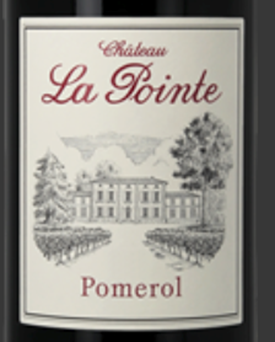 Pomerol, with just 813 hectares – less than 1% of Bordeaux’s vineyards – produces rare, confidential wines. The average estate is only 5 hectares, in a complex, varied terrain where plots intertwine. Its proximity to Libourne’s port facilitated Atlantic access, vital for exports primarily to England, Northern Europe, and the world. Merlot, the emblematic grape, is complemented by diverse soils supporting great Cabernet Francs.
Château La Pointe, with its 23 hectares of vines in a single block, can produce 120,000 bottles annually and ranks among the five most important properties in Pomerol, one of Bordeaux’s most prestigious appellations, along with Saint-Emilion, Margaux, Saint-Julien, Pauillac, and Saint-Estèphe. The name “La Pointe” comes from the vineyard’s unique geometry, featuring a large, pointed triangular vine plot at the estate’s entrance. The new cellars of Château La Pointe, completed in 2009, were designed as environmentally friendly. They also include a drainage system and an eco-friendly vat room, allowing for parcel-by-parcel vinification.
Château La Pointe’s vineyard in Pomerol is on sloped terrain with three main soil types: gravel and pebble on the Isle River terrace; the highly regarded clay gravel soil; and a sandy layer over clay or gravel, improved with drainage to control water, yields, and promote ripeness.
The wine:
Vintage: 2019 Grape Variety: Merlot 76% – Cabernet Franc 24%
Region/Appellation: Bordeaux, Pomerol – AOC, France
Vinification and ageing: vinification takes place in traditional, 80-hectoliter stainless tanks. Malolactic fermentation takes place in French oak barrels for 50% of the harvest. The remaining 50% of the wine undergoes malolactic fermentation in tanks. The wines are then aged in 100% new, French oak barrel for an average of 12 months.
Alcohol: 14.5% ABV
Production: 64,000 bottles
Tasting profile: The wine exhibits a bright crimson color with pure red fruit aromas, enveloped in violet notes upon swirling. The juicy, energetic palate has smooth tannins for a velvety feel, complemented by discreet, integrated oak. It exudes freshness and elegance, reflecting the vine grower’s effort and careful vinification—truly a vintage revelation. The 2019 vintage is an exceptional one. To be enjoyed 6 years from now and up to 20 years old or more.
Wine #4: Stephanie Merlot, Napa Valley – AVA, 2018
The producer: Hestan Vineyards is a picturesque estate located on the remote eastern slopes of Napa Valley. Named after owners Helen and Stanley Cheng, whose passion for fine wines and admiration for Napa Valley’s beauty inspired them to purchase the property—a former cattle ranch—in 1996. They quickly started planting grapes and gradually expanded small blocks to optimize the site’s diverse exposures and well-drained soils. Demonstrating their commitment to land stewardship, both the vineyard and gardens are managed sustainably and run entirely on solar power. Mr. Cheng serves as CEO of the Meyer Corporation, the world’s 2nd-largest cookware manufacturer, known for brands like Circulon, KitchenAid, and Faberware.
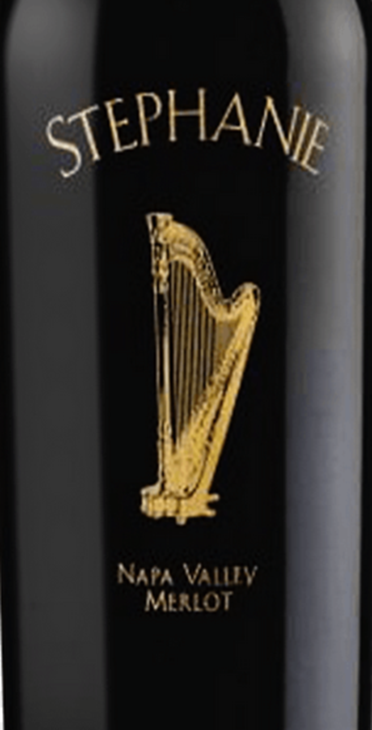 The Hestan Vineyard covers 127 acres, including 52 acres (21 hectares) of vine-covered land with vineyard’s vines that have an average of 8 years and benefits from a distinctive combination of soils and growing conditions. They thrive on slopes with silt and rocky soils, producing low-yield grapes like Merlot, Cabs, Cabernet Franc, Petit Verdot, and Malbec.
The terroir of Hestan Vineyards on the eastern slopes of Napa Valley features diverse soils, including rocky, silt, alluvial, marine sediments, and volcanic deposits, especially on the eastern slopes. These soils, along with a microclimate moderate, with cool marine influence which means it is constantly experiencing fog and wind and a noticeable diurnal temperature fluctuation, create a unique terroir that influences wine character and complexity. Well-drained soils benefit grape growing by preventing excess water and promoting healthy vines. The Stephanie wines — named for the owner’s only daughter — are made from all five of the classic red Bordeaux grapes.
The wine:
Vintage: 2018
Grape Variety: 76% Merlot, 16% Cabernet Sauvignon, 8% Petit Verdot
Region: Napa Valley, California, USA
Appellation: Napa Valley -AVA, Yountville (nested AVA)
Vinification and aging: 27 Months in new French Oak
Alcohol: 14.5% ABV Production: 5,500 bottles
Tasting profile: On the nose, a complex blend of red currants, dried sage, and red licorice. The palate offers cassis, hints of blueberry, and baking spices. This wine has concentrated fruit flavors and is considered medium to full-bodied, with fine tannins. It boasts a robust balanced structure of vibrant acidity and well-integrated velvety tannins resulting in a medium to long finish that includes fruit and spice. Decant and enjoy with a rack of lamb.
References
https://en.wikipedia.org/wiki/Merlot
https://winefolly.com/grapes/merlot/
https://www.oiv.int/sites/default/files/2024-04/OIV_STATE_OF_THE_WORLD_VINE
https://www.thewinecellarinsider.com/2013/11/november-7-international-merlot-day-drinking-celebrate/
Recommended Videos on Merlot: https://www.youtube.com/watch?v=SA_mJovIodg
https://napavintners.com/napa_valley/yountville-ava/;
https://www.wine-searcher.com/find/haut+cardinal+st+emilion+grand+cru+bordeaux+france/2018
https://www.totalwine.com/wine/red-wine/merlot/old-merelo-merlot-single-vineyard/p/235693750
https://www.vivino.com/CA/en/cl-bodegas-centenarias-merelo-coastal-slopes-single-vineyard-merlot/
https://www.winetourism.com/wine-appellation/colchagua-valley/
http://www.chateaulapointe.com/en/
ANG 1er vin 2019 – Château La Pointe
https://www.hestanvineyards.com/store/product/2018-stephanie-merlot/
https://www.totalwine.com/wine/red-wine/merlot/stephanie-merlot-napa/p/117234750
CV Members Rating (after the tasting)
.o0o.

.o0o.

 Club del Vino - Washington DC area