

Tasting No 267 – July 30, 2024
Italy’s “Underdogs”: Umbria and Lazio
-
Tasting Overview
The main objective of this tasting is to explore wines of lesser-known grape varieties from two ‘not so famous’ wine regions in Italy. From a geographical and varietal point of view, Umbria and Lazio make strange bedfellows, yet they share one thing: they are the two Italian regions that receive significantly less credit than they deserve. When we think of Umbria, there are only two or three producers that most consumers can recall. In addition, Sagrantino, the red grape Umbria is known for, tends to intimidate people because of its imposing structure.
As for Lazio, it is unlikely the average wine lover can name even a single local variety. However, the work that producers are doing with Cesanese is absolutely worth paying attention to. When it comes to value, both regions offer that in spades. There’s a newfound energy, higher-quality winemaking, and a focus on terroir not seen before in either Umbria or Lazio. It is only so long until word gets out, and these are two of the most exciting winemaking regions in Italy today.
Type of tasting: Open
Presenters: Agilson and Claudia Perazza
Participants: R. Arroio; M. Averbug; J. Brakarz; R. Connolly; M. Fryer; J. García; N. Marzella; O. Mason; A. and C. Perazza; J and L Redwood; J. Requena; C. Santelices; R. Santiago; G. Smart; P. Turina; L. Uechi; G. Vega; and G. Zincke.
These are the wines:
- Arnaldo Caprai, ‘Grecante’, Colli Martani Grechetto DOC, 2022
- Cantine Volpetti ‘Cesanese del Lazio’ IGT, 2021
- Arnaldo Caprai, Montefalco Sagrantino DOCG, 2019
- Tenute del Cerro, Còlpetrone ‘Memoira’ Sagrantino di Montefalco DOCG, 2015.
This is the Menu
Calamari saltati in salsa al burro
Fettuccine al ragú di vittello
Agnello in salsa con fungui
Dolce, caffè o té.
-
Lazio Wine Region
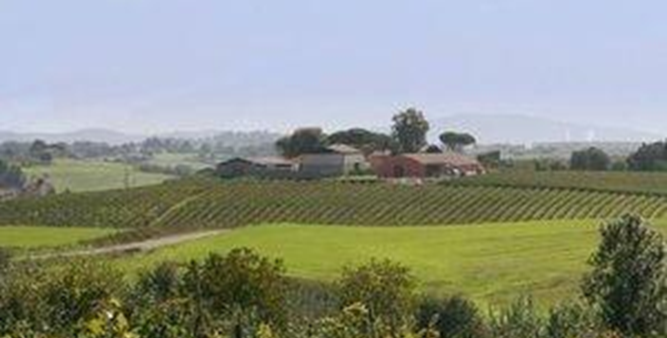 Lazio (Latium) is a region in central Italy that is home to the ancient capital city of Rome. Vine growing was prevalent in the ancient Roman Empire’s center, although the Etruscans, who spread agriculture and winemaking practices throughout central Italy, already practiced winemaking in Lazio.
Lazio is best known for white wines from appellations, such as Colli Albani, Est! Est!! Est!!!, and Frascati, made in the local hills to supply Roman tables. The region’s primary white grape varieties are Malvasia (30%) and Trebbiano (28%). Additionally, Lazio is home to its signature red wine varietal – Cesanese.
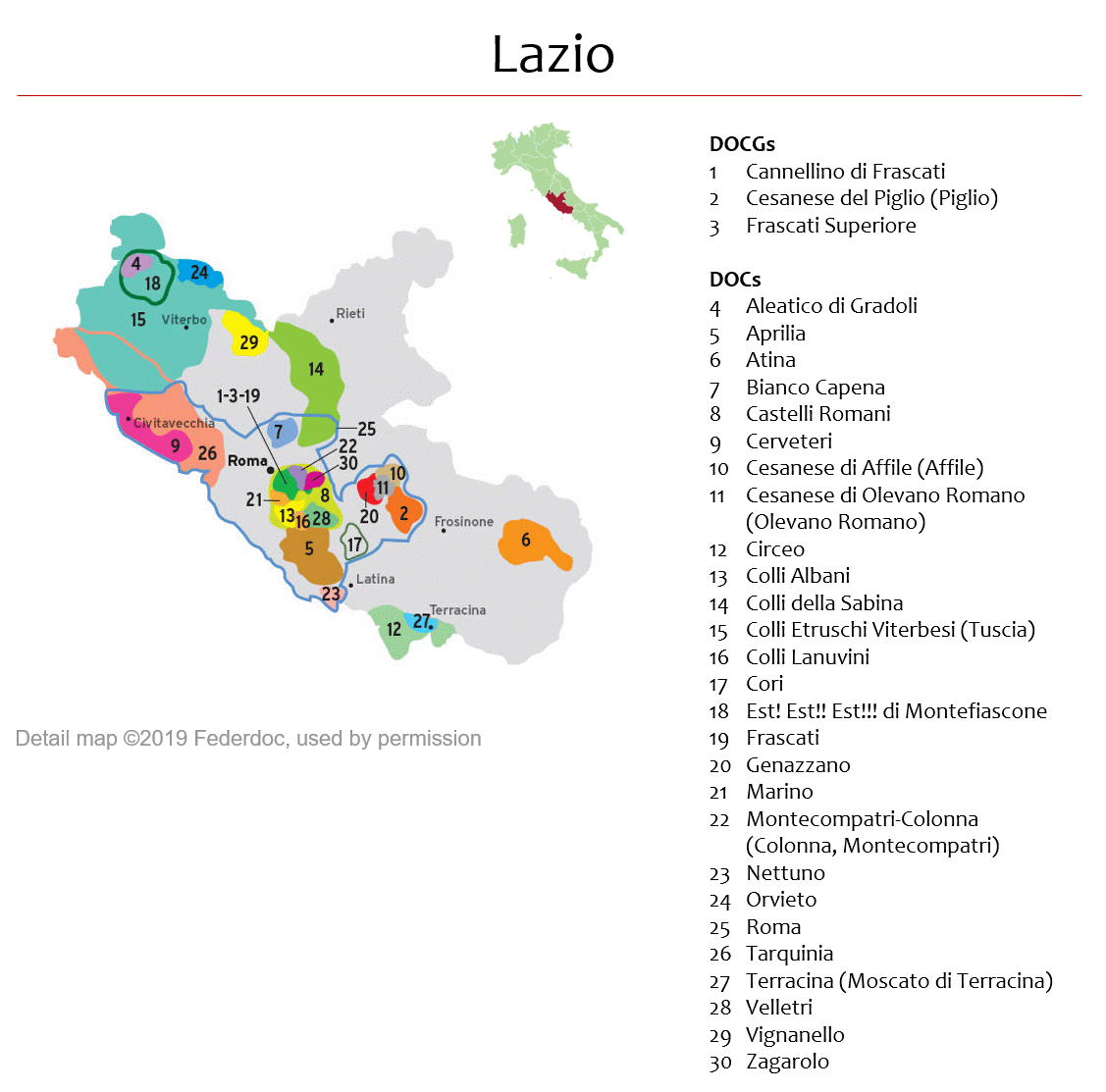
 Lazio has three DOCGs, 27 mostly unfamiliar DOCs, and six IGPs. In 2022, Lazio produced over 1.4 million hl of wine (15.9 million cases) on 20,400 ha (50,400 acres) of vineyards. White wine accounts for over 70% of its production, about half of which was at the DOP level.
As for white varieties, Lazio’s potential is there, but not yet realized in any significant way. Bellone and Malvasia del Lazio, otherwise known as Malvasia Puntinata, are the two local varieties that could one day prove their worth outside of Lazio’s borders.
Wine styles and denominations
 Traditionally, Lazio white wines were fat, rounded, abboccato (off dry) made for immediate consumption. Today the styles are lighter, drier and crisper, thanks to modern vinification methods. Nevertheless, they are still designed for drinking young, characterized by their sharpness, high acidity and a lightness that makes them an ideal accompaniment to the local cuisine.
Although Lazio’s red wines are not as high profile beyond Cesanese, they are beginning to make a name for themselves. This is especially so for those made from Sangiovese, Montepulciano, Merlot and Nero Buono di Coro. Also of note are Canaiolo and Ciliegiolo; in total, there are more than 200 grape varieties in the area.
The DOC titles represent a varied collection of wines. Three white DOCs probably stand out in terms of profile, led by Frascati just to the southeast of Rome. Frascati is one of 14 picturesque fortified roman villages around which the Castelli Romani DOC appellation is based.
Two of Lazio’s three DOCGs are special designations of Frascati. One is the stricter Frascati Superiore designation for dry white wines that come from the northern end of the Colli Albani hills, just to the southeast of Rome, Italy. The other is Cannellino di Frascati, for sweet wines only. The permitted grape varieties for both Frascati DOCGs are: at least 70% Malvasia Bianca di Candia or Malvasia del Lazio; and up to 30% can be Bombino Bianco,Greco, Trebbiano and/or Bellone Bianco.
The third DOCG is the Cesanese del Piglio. The hills just south of Rome, where Piglio is located, are also home to two red DOCs worth mentioning: Cesanese di Olevano Romano and Cesanese di Affile.
Unsurprisingly the Lazio IGP designation is the one most commonly seen on wine labels. Production regulations are more flexible, and a long list of grape varieties are permitted, ranging from local obscurities to the Spanish Tempranillo.
Lazio’s Native Grape Varieties
Malvasia white grapes are grown all over Italy under many names and styles. Malvasia Bianca di Candia is grown mainly in Region of Lazio, and is the source of some conjecture in ampelographic circles, with some believing the vine is one of many sub-varieties of the common Malvasia, while others claim it as an altogether separate cultivar. It is used predominantly for blended wines, making crisp, dry whites with refreshing citrus notes of orange blossom. Malvasia di Lazio, also known locally as Malvasia Puntinata, is in fact a spontaneous crossing of Muscat of Alexandria and Schiava Grossa. The skin of the berries features a single dark dot, and the wines tend to show aromas of apricot. Malvasia pairs well with light dishes, gently flavored white meats and entrées. Blue cheese risotto, Waldorf salad or white fish fillets in lighter sauces.
Cesanese is the native red grape variety from Lazio and is used mostly in the production of red wines with bright fruit characters and some earthy overtones and is considered by many to be one of Lazio’s most interesting grape varieties. Cesanese vineyards cover a lot of the hilly land to the south of Rome, on high hillsides that overlook the Sacco and Aniene river valleys below. The variety comes in two distinct types – the large-berried Cesanese Comune and the less widespread Cesanese di Affile. The two grapes are used in both Cesanese del Piglio DOCG and Cesanese di Olevano Romano DOC wines, and Cesanese di Affile – considered the superior of the two – has its own Cesanese di Affile DOC title.
Cesanese is notable for the challenges it poses in the vineyard: the grape ripens extremely late, even in the sunny climes around Rome, and in some cases, the grapes will not reach full phenolic maturity, resulting in thin, watery wines that do not demonstrate the best qualities of the grape When made well, however, this late-ripening red grape offers up a gorgeous, perfumed bouquet of dark fruits mixed with wild herbs, florals and spices, as well as the structure to carry them in the cellar. Truly exciting examples are out there, yet only in small quantities and a bit difficult to find. The wines are medium bodied with soft tannin and are best with minimal oak. Perfect pairing with grilled meat, duck ragu with pappardelle; sausages with polenta; sticky pork ribs and robust aged cheeses.
-
Umbria Wine Region
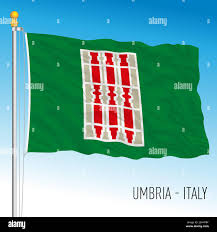
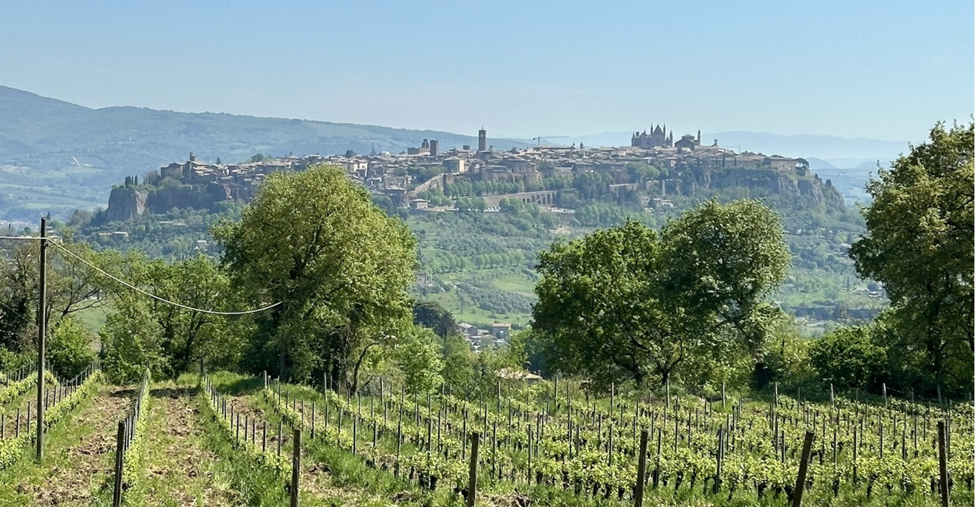 Bordering on Tuscany and right above Rome is the lesser-known and lesser-traveled region of Umbria. Umbria is located in the center of Italy, in the Apennines north of Rome. Umbria is a region of lush rolling hills, hilltop villages and iconic, historic towns. At the very heart of the Italian Peninsula, it is surrounded by Tuscany, Marche and Lazio and is in fact, the only Italian region without a coastline or international border.
The climate of Umbria is similar to that of Tuscany in that it is distinctly Mediterranean, with cold, rainy winters and dry summers with abundant sunshine to ripen wine grapes. Although temperatures are mild throughout the winter months, Umbria is one of the coldest regions in Italy thanks to the annual average temperature of a mere 13°C (55°F).
The majority of the region’s vineyards are placed along terraces cut into the hillsides. This is reflected in a number of the area’s DOC names (colli means ‘hills’). The slopes allow for vignerons to cultivate with a favorable aspect for the microclimate and grape varieties chosen. Vineyards planted at an altitude experience a significant change in day and nighttime temperatures, creating ideal conditions for producing the elegant, mineral white wines the region is known for.
 As of mid-2010 only around 17% of the wines produced in the region were of DOC level. However, the quality and prominence of the region’s wines are on the rise, in part due to the work of consulting oenologists. As a result, here now you will find some of the most amazing, delightfully undervalued Italian wines – from the crisp, dry white wines of Grechetto to the deep colored, antioxidant-rich reds of Sagrantino. Also in recent years, the region has markedly improved wines based on Sangiovese.
Key Denominations and Native Grape Varieties
The region has two DOCGs, 13 DOCs, and 6 IGPs, including the region-wide Umbria IGT. In 2022, Umbria’s 12,400 ha (30,600 acres) of vineyards produced just under 600,000 hl (6.6 million cases) of wine. Umbria’s primary grape varieties are Sangiovese (22%), Trebbiano (17%), Grechetto (13%) and Sagrantino (9%).
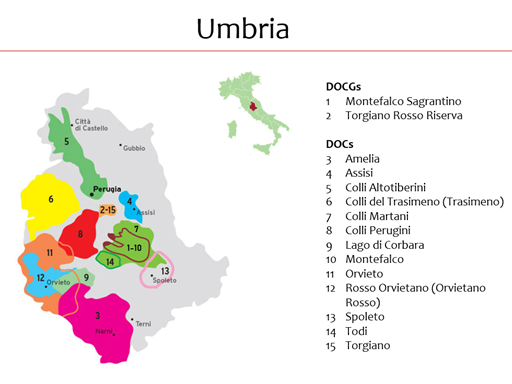 Umbria, like Marche and Lazio, is best known for its white wines. Despite changes in style over time, the Orvieto DOC (after one of those hill towns, Orvieto), remains the region’s largest appellation. It accounts for over 10% of the overall Umbrian wine production. The Orvieto DOC is unquestionably the best-known wine in Umbria. Orvieto wines have a long history and the region’s “abboccato” (off-dry) whites were once highly prized by popes and the nobility.
As set out in the DOC regulations, Orvieto blends consist of a minimum of 60% Grechetto and/or 60% Procanico/Trebbiano. However, the low-yielding Grechetto is considered to be far more interesting than the more neutral high-acid Trebbiano wines, with distinctive nutty and leafy notes and richness. Thus, there is a consensus that higher-quality Orvieto blends generally contain higher quantities of Grechetto, giving better fruit and weight to the wines.
Grechetto refers to two distinct grape varieties, Grechetto di Orvieto and Grechetto di Todi. It is fuller in body and, if you close your eyes, it will remind you of rosé! This grape produces Umbria’s best crisp and tactile white wines. It is typically made into a fruity-but-dry white wine with aromas of lemon heads, crisp opal apple and strawberries with juicy acidity. It is a great Italian alternative to unoaked Chardonnay or Pinot Gris. Grechetto is a great aperitif wine or acompanying seafood, veal or poultry dishes; it pairs well with mushrooms; artichoke; asparagus with lemon; tomato & olive penne. Grechetto pairs excellently with tuna and other steak-like sea fare.
Many famous Sagrantino producers from Montefalco also produce single varietal Grechetto wines from the adjacent, Colli Martani DOC, a small denomination from the broad basin south of Perugia.
Although it is best-known for its white wines, Umbria’s two DOCG designations are for red wines: Montefalco Sagrantino and Torgiano Rosso Riserva.
Sagrantino is Umbria’s native red grape that is grown mainly in this region, which accounts for around 90% of all Sagrantino plantings in Italy. It is often described as Italy’s most tannic variety, exceeding even Nebbiolo in this respect.
Sagrantino has gained prominence in the Montefalco DOC area, creating wines of great depth and power, and nowadays the grape’s nature is most famously displayed in the single variety wines of the Montefalco Sagrantino DOCG. The clay soils of Montefalco are dusted with sand and limestone pockets, which Sagrantino responds well to. The best examples, from producers such as Paolo Bea or Arnaldo Caprai, rival anything from Italy. Sagrantino di Montefalco received DOCG status in 1992, with its name changed in 2009 to Montefalco Sagrantino. The dry reds must be aged for at least 37 months, including 12 months in barrel and 4 months in bottle. Blends are permitted in the greater Montefalco DOC region.
Sagrantino is one of the most ancient varieties in Italy and the richest in tannin and polyphenolic contents. For that reason, a very particular approach to vinification is required, one that shows off the unique power of the grape variety without putting at risk balance and elegance. Varietal Sagrantino is a dark and dense wine almost unique to Umbria. Its fruit profile ranges from black cherries to ripe blackberry, with many secondary spicy and earthy characteristics. A certain smokiness is sometimes noted in some examples, while sappy pine flavors have been observed in others. It is typically a wine that is both sweet and savory. Pair it with wood-roasted fowl; earthy sausages; or eye-fillet steak with black truffles and cheese.
In addition its native varieties, the Sangiovese grape is growing in popularity and is the most planted grape variety in Umbria, red or white. It accounts for around 22% of vineyard area. This is the principal grape of the region’s second high-quality appellation – Torgiano Rosso Riserva DOCG.
Sagrantino – Sangiovese wines are made in the Montefalco DOC. The blend, typically labeled Montefalco Rosso, balances Italy’s most planted grape Sangiovese with the regional Sagrantino. Wines are deeply colored and layered, combining sweet and savory characters, and with red- and dark-berry flavors.
-
Information on the Wines
Wine #1. Arnaldo Caprai, ‘Grecante’ Colli Martani Grechetto DOC, 2022
The Producer: Arnaldo Caprai is a leading Umbrian wine estate based in Montefalco, Umbria, and is particularly known for its classic examples of the Sagrantino di Montefalco DOCG wines. The estate was founded in 1971 by Arnaldo Caprai, who bought a 5-hectare (12-acre) site in Montefalco and immediately began to expand his vineyard holdings. His son Marco Caprai, who took over in 1988, is widely credited with making the estate the top producer of Sagrantino di Montefalco. https://www.arnaldocaprai.it/en.
– The wine: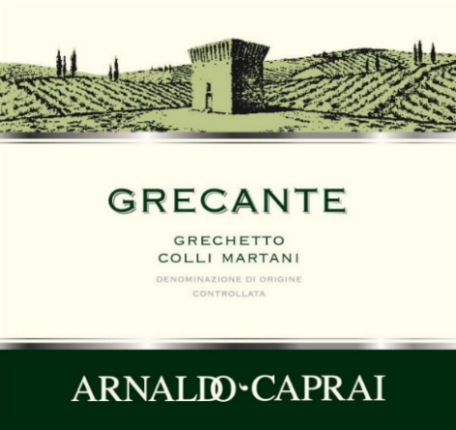
- Vintage: 2022
- Varietals: 100% Grechetto
- Region/appellation: Colli Martani DOC, Perugia
- Viticulture: spurred cordon, guyot with vine density of 5000 vines/ha.; Yield 8-9 tons/ha.
- Aging: 3 months in steel; minimum 3 months in the bottle.
- 13.5% APV
Winemaker notes: aroma – intense perfumes of exotic fruit and yellow peach, floral notes of freesia and hawthorn; pleasing chalkiness finish. Taste – full, fresh, with a long persistence.
Critic tasting notes: “Crystal-clear, pale golden yellow. Promising nose of white-flesh fruit, green plums and fresh herbs. Silky, taut and concentrated on the palate, which is imbued with invigorating acidity. A clear-cut and persistent wine, no lack of personality here.” (Gilbert & Gaillard).
Wine #2 Cantine Volpetti, Cesanese, Lazio IGT, 2021
– The Producer: Cantine Volpetti Winery is located in the heart of the Colli Albani, the beautiful hill country south of Rome where geologically rich soils and exposure to the sea have favored wine production for centuries. Ancient writers such as Cato and Horace, among others, sing praises to this region and its wine. Since 1958 the Volpetti family has produced fine wines in the region with the goal of encouraging and improving local varieties. The Volpetti produces a wide range of wines representing the particular strengths of local varietals grown in the Colli Albani terroir. Its mission starts with cultivating indigenous vines such as Malvasia Puntinata, Cesanese and Bellone, moves forward with national varieties such as Sangiovese, Montepulciano and Trebbiano, and culminates with international vintages that are compatible with the territory in Syrah and Chardonnay. https://www.cantinevolpetti.it/en/.
– The Wine: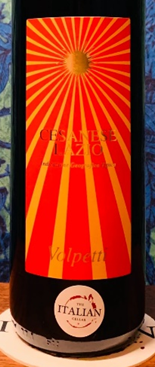
- Vintage: 2021
- Varietals: 100% Cesanese
- Production area: Colli Albani, Lazio
- Viticulture: cordon spurred; vine density 4.000/Ha.; yield: 90ql/Ha.; harvest in early October
- Vinification: 12-15 days fermentation with submerged cap techniques, malolactic fermentation completed.
- Maturation: Stainless steel, 8 months in French barriques, and several months in bottle.
- Alcohol: 13% vol.
Tasting profile: A mouth filling ruby red wines, complex nose of mature red berries, plum spices. It is intense and elegant with soft tannins, has a pleasant bouquetand an aromatic taste.
Wine #3. Tenute del Cerro, ‘Còlpetrone Memoira’ Sagrantino di Montefalco DOCG, 2015
– The Producer. Tenute del Cerro is an Italian wine producer with land in Umbria and Tuscany, covering around 600 hectares (1,482 acres) of vineyard in total. This is divided into four wine estates: Fattoria del Cerro, La Poderina and Monterufoli in Tuscany, and Còlpetrone in Umbria. Còlpetrone was founded in 1995 with the construction of the current winery, and it is one of the most important wine producers in the Montefalco DOCG. High quality breeding systems are used in the vineyards, permitting yields of 6 tons per hectare, well below those 8 tons prescribed under the rules of production. Sagrantino is produced in three different versions: Montefalco Sagrantino, Passito, a sweet red wine with an old tradition, and the selection “Gòld” that is the result of the most recent developments of this wine. Còlpetrone also produces a Montefalco Rosso DOC and a Grappa di Montefalco Sagrantino. https://www.tenutedelcerro.it/en/estates/colpetrone .
– The Wine: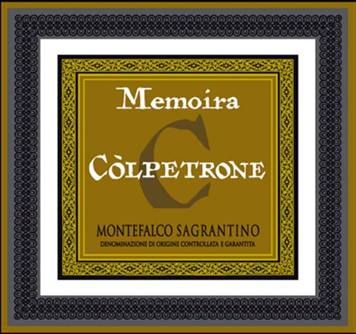
- Vintage: 2015
- Varietal: 100% Sagrantino
- Production area: Gualdo Cattaneo (Perugia);
- Vinification: fermentation and maceration at controlled temperature (24°-28° C) with daily pumping over and délestage; at the end of alcoholic fermentation, maceration period is continued bringing the temperature to 29° C;
- Aging: 12 months in French oak barrels and 6 months in bottle.
- 13.5% ABV
Winemaker tasting notes: decisive, strong, tannic concentration evident, above all when still young. To serve in large glasses at 18° c. Perfect with roasted red meats, rich and elaborate dishes, aged cheeses.
Critic tasting notes: “steeped raspberry, singed orange peel, black tea leaf and dark chocolate notes are bright and appealing in this silky red, which is tightly meshed with sculpted tannins and a spicy, mineral-driven underpinning, ending with a chewy finish. Drink now through 2035.”(Wine Spectator).
Wine #4. Arnaldo Caprai Montefalco Sagrantino ‘Collepiano’, 2019.
– The Producer (see wine #1) https://www.arnaldocaprai.it/en
– The Wine: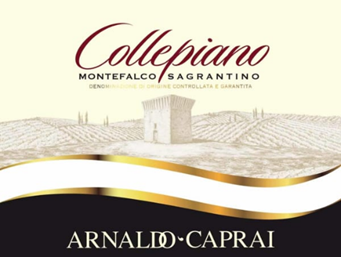
- Vintage: 2019
- Varietal: 100% Sagrantino
- Appellation: Montefalco Sagrantino DOCG, Umbria
- Viticulture: spurred cordon; 6000 vines/Ha. density; yield 5-6tons/Ha.
- Aging: 22 months in French oak barrique and min. 6 months in the bottle
- 15.5% ABV
Winemaker tasting notes: aroma of blackberry jam, pepper, clove and vanilla; balsamic notes with hint of powder; aging potential 10-15 yrs.
Critic tasting notes: (2019 vintage) “Aromas of blackberry, cassis, and clove open the nose of this classic wine from Umbria. Firm and very structured, the wine’s core is shaped by black-plum compote, with sweet spices, black pepper and dried thyme giving way to firm tannins and lifted acidity. Drink 2025–2040.” (Wine Enthusiast).
“A plush texture wraps grippy tannins, carrying flavors of baked black cherry, black currant and mocha, with fragrant hints of Earl Grey tea leaf and sandalwood. The finish is firm, with spice and tar accents. Best from 2025 through 2035”(Wine Spectator).
References
https://www.wine-searcher.com/
https://italianwinecentral.com/
https://v1.vinous.com/articles/umbria-lazio-italy-s-underdogs-aug-2021
CV Members Rating
The tasting took place before revealing their prices. 20 participants rated them from Mediocre to Exceptional. The combined results established the preference order during the tasting as follows:
The white Arnaldo Caprai, ‘Grecante’, Colli Martani Grechetto DOC, 2022 and the red Tenute del Cerro, Còlpetrone ‘Memoira’ Sagrantino di Montefalco DOCG, 2015 tied Best Wine and the white ‘Grecante’, Colli Martani Grechetto DOC, 2022 was also the Best Buy.
The following Table presents the details of ratings and combined results.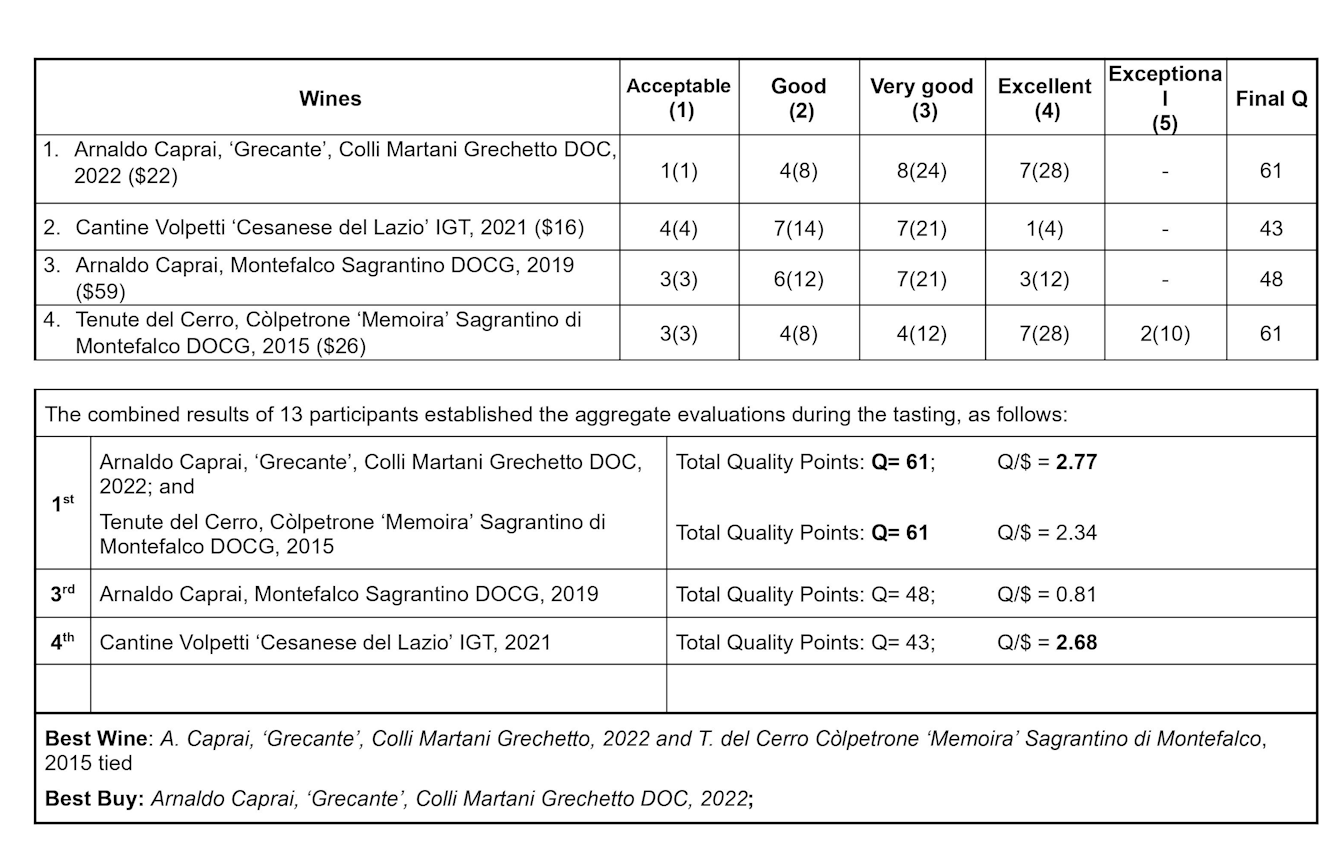
.o0o.
Smile!

.o0o.

 Club del Vino - Washington DC area