
 Tasting #249
January 31, 2023 12:30 pm
Wines from Southern Chile
Capri Ristorante, McLean VA
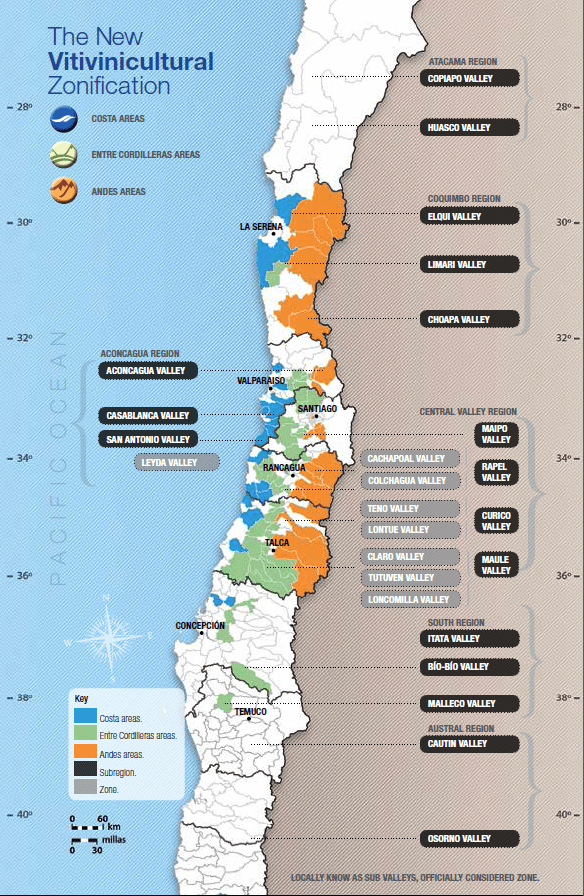
Tasting Overview
The main objective of this tasting is to explore wine grapes and styles characteristic of the Southern Region of Chile.
Wines
1. Koupin, Carignan, 2019. Vinos Gustavo Martinez. Valle de Itata, 2019 13.5% Alchool
2. Chardonnay, Sol de Sol. Vina Aquitanie, S.A. Valle de Malleco. Traiguen, Chile. 13.3% Alchool (93 points)
3. Mission Grapes (Pais), Santa Cruz de Coya, Roberto Henriquez, 2016, 12% Alchool
4. Brisas de Guarilihue Cinsault, 2019, Wildmakers, Guarilihue Alto- Valle del Itata. 2019, 11% Alchool
Presenters:
Ruth Connoly, Ginger Smart and Michele Fryer as collaborator
Participants:
R. Arroio, M. Averbug, L. Bocalandro, C. Estrada, J. Garcia, N. Marzella, Lucia and John Redwood, R. Santiago, E. Silva.
Menu:
Given the regions’ three centuries of history making wines of/ the people, in choosing the menu, emphasis was placed on dishes that reflect as far as possible food that the people of the area would eat with the wines selected. This has resulted in some unusual combinations and the presenters thank the Capri staff for their collaboration in designing the menu with us.
1. Brochetta with corn, tomatoes and onions
2. Calamares with seaweed
3. Cazuela (soup) with pork, potatoes and squash
4. Grilled trout with potatoes and cabbage
5. Coffe and Dessert
The Southern Wine Region in Chile
Wine arrived he southern valleys of Chile in the 1550’s. Brought by Spanish priests primarily for use in the liturgical ceremonies of the Roman Catholic Church, the vineyards also produced table and family wines to complement local foods.
Over the next three centuries, the South served as Chile’s major production region. Few if any attempts were made to modify or upgrade the vines, vineyards or wine making technology. It was not until the 1850’s that wealthy Chilean travelers began to bring more sophisticated varietals from Europe, although these came to be cultivated in the more central and northern regions of Chile. Essentially, the wines produced in the south were “wines for the people.”
In the 1990’s and particularly in the southern valleys we will discuss today, a diverse group of native and international experts and entrepreneurs, and the Chilean government began to focus on the regions’ possibilities. One expert experimented with Chardonnay, and others liaised with long time growers to develop new organizational and technological structures to benefit the regions’ wine industry. It seems that the Chardonnay grape was so successful that this southern area has become the benchmark for the Chilean Chardonnay.
The Wine Producing Valleys
Itata, Bio Bio and Malleco are among the southernmost wine producing wine producing valleys of Chile and are vastly different from the rest of Chile’s wine regions. Origin studies on these wines of valleys are currently underway.
Itata Valley: This wine region is situated in the southern end of Chile's long, thin wine producing zone. It rains up to 50 inches a year. In addition to this weather advantage, the region’s soils are mostly volcanic in origin, unlike those of the other wine valleys in Chile. The valley presents a lot of cloud cover, also a classic cool climate growing advantage.
This historical, cool-climate region is dominated by plantings of Carignan, Muscat of Alexandria and País (AKA Mission), aimed more at domestic consumption), although producers are beginning to plant more modern grape varieties like Cabernet Sauvignon, Cabernet Franc, Pinot Noir and Chardonnay.
Plantings of old vine Cinsault, “País” (Mission grape) and Muscat are most common. Wines produced is basically red with Carignan, Muscat of Alexandria, “País”, Pinot Noir, and Cabernet Sauvignon grapes.
Old traditions and a lack of large-scale viticulture and winemaking sets Itata apart. Look for red blends,
Cabernet Franc.
Bio Bio Valley: At 36 South latitude, the more windy, rainy climate of the Bio Bio Valley is somewhat more extreme than in most of the country’s other wine regions, which favor the production of crisp wines. Its excellent Riesling and Viognier white wines are of note. Another interesting white is the
Muscat de Alexandria. Pinot noir is also produced. Bio Bio is characterized by fewer vineyards, fewer wineries, and amazingly interesting soils.
Malleco Valley: Located 340 miles south of the Chilean capital of Santiago, at latitude 38 South, the Malleco Valley is becoming a growth area for Chilean wine. Malleco has well-drained soils, consisting principally of red clay and sand. However, due to its rigorous climate and short growing season, the
development of the wine industry is particularly challenging. The current production of its fresh Sauvignon Blanc, Chardonnay and Pinot Noir enjoys a racy acidity.
Wines
1.Koupin, Carignan, 2019. Vinos Gustavo Martinez. Valle de Itata, 13.5% Alcohol
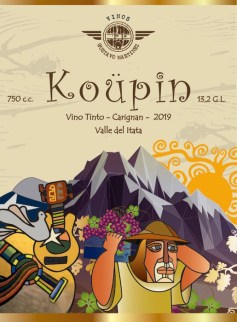
Variety: 100% Carignan
13.5 % APV
Viticulture: grapes obtained from the Ninhue commune in the Itata valley. The vineyard is more than 50 years old, which
is unique in the Itata area, since most of the Carignans of that age have been uprooted and replaced by País grapes that are much more rustic and resistant to diseases. The vineyard is managed on a low trellis (80cm) simple, unlike all the others that are managed on the head. The grass is cut once or twice a season with a triangular horse-drawn harrow and only sulfur is used to control powdery mildew and other diseases. The grape producers apply red guano and green manure as a fertilization base.
Viniculture: 50% of grapes are vinified as carbonic maceration for approximately 3 weeks, and the other 50% is destemmed in a sieve and fermented like other red wines, then barreled until spring. The wine is aged for around 10 months before it is bottled.
About the winery: Gustavo Martínez Winery began as a personal dream around 2012 when, after working for 5 years in Portezuelo, Gustavo decided to take advantage of everything he had learned with the vintners in the area, on how to value everything related to Pipeño wine, the ancestral
vineyards and what this means in cultural, landscape, and historical terms of the Itata Valley.
Tasting notes: Deep garnet with a vibrant ruby edge, velvety soft on the palate with bright cherry to plum flavors. This wine is weighty and full of fresh ripe berries with rich, dark accents of cocoa nib.
Intriguing and delicious. Aromas of dark chocolate, plum, black cherry, cedar and tarragon jump
from the glass.
-=-=-=-=-=
From the winemaker: Es un vino que se obtiene de la comuna de Ninhue en el valle del Itata. Es un viñedo de mas de 50 años, el cual es único en la zona de Itata, ya que la mayoría de los carignan de esa edad se han arrancado y reemplazado por uva país que es mucho más rustica y resistente a las enfermedades. Este viñedo se maneja en espaldera baja (80cm) simple a diferencia de todos los demás que se manejan en cabeza.
2. Chardonnay, Sol de Sol. Vina Aquitanie, S.A. Valle de Malleco. Traiguen, Chile. 13.3% Alchool (93 points)
 Notes from Producer: De color amarillo brillante. Muy intenso en la nariz, sus aromas recuerdan frutas como manzanas verdes, melón verde (tuna), algo de espárrago, olivas y avellanas tostadas, con notas minerales. En boca presenta fresca acidez, gran volumen y concentración. Su persistencia al final de la degustación es frutal y mineral, complementado con el sabor de la encina francesa. Gran equilibrio entre el alcohol y la acidez natural que le da frescor, persistencia y potencial de envejecimiento, algo difícil de obtener en un vino blanco chileno.
3. Mission Grapes (Pais), Santa Cruz de Coya, Roberto Henriquez, 2016, 12% Alcohol
From vinatis.co.uk
 Sol de Sol has really changed the reputation of Chilean Chardonnay and is recognized for such!
The quality of the grapes from this terroir is so impressive that it was created with the Chilean Ministry of Agriculture. Complex and elegant wines are produced here, allowing the minerality of the volcanic soil and the freshness of the coldest climate in the Valle del Malleco to express themselves. Sol de Sol delights us from the moment it opens with its intense golden colour, but also with its enchanting aromas of apples and fresh figs. Notes of olives and roasted hazelnuts accompany the desire to taste it. On the palate, it is a freshness and a long fruity and mineral finish, integrating woody flavours, which enchant us. An excellent balance of characteristics that can make up a wine. Sol de Sol has a rare ageing capacity for Chilean white wines. An exception to be discovered and shared, a journey to the heart of unique flavours.
This wine is made from 100% pure País grapes obtained from a 200-year-old vineyard located in Nacimiento, in which soils are granitic intrusive (solidified magma). The vines were managed traditionally without the addition of chemical fertilizers or herbicides. Santa Cruz de Coya is the name of the nearby village established in 1595 that was a key site of the 1598-1599 uprising that ended the Era of the Conquista. The Mapuches finally won the battle against the Spanish conquistadors.
10/13/2021 – DIGGYDAN WROTE:93 Points
Beautifully elegant and light weight. Aromatic red berry. Palate a nice mix of upfront red fruit and background herbaceousness.
4. Brisas de Guarilihue Cinsault, 2019, Wildmakers, Guarilihue Alto- Valle del Itata. 11% Alchool
Notes from producer
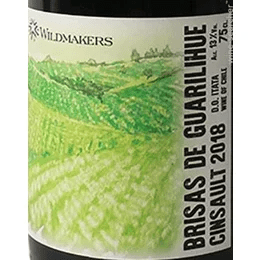 General description: Los viñedos utilizado para la elaboración de nuestros Brisas Cinsault se encuentran ubicados en Guarilihue Alto, sector El Huaro a unos 30 km del mar. Son viñedos de más de 40 años, manejados a la usanza tradicional de la zona. Es decir, manejo del suelo a caballo, sin aplicación de pesticidas. Nos enfocamos en realizar una vinificación enfocada a preservar toda la fruta y las características varietales que nos aporta la variedad Cinsault, sin crianza en madera.
Tasting Notes:
En nariz, Brisas Cinsault, presenta mucha fruta roja y energía, recuerda a freses, ciruelas fresca y cerezas combinada con suaves toques de especias herbales. Es un vino fresco y peligrosamente fácil de tomar y de jugoso final.
Color: Rojo rubí, limpio y brillante, Varietal: 100% Cinsault, From: Guarilihue Alto- Valle del Itata.
Wine Regions
ltata, Bio Bio and Malleco are among the southernmost wine producing valleys of Chile and are drastically different from the rest of Chile’s wine regions.
 ltata Valley
It actually rains here, up to 50 inches a year. In addition to this wine weather advantage, the regions soils are mostly volcanic in origin and unlike those of the other wine valleys in Chile. There is also a lot of cloud cover in this area, a classic cool climate growing advantage.
Plantings of old vine cinsault, ^pais” (mission grape) and muscat are most common. Wine produced is basically red with Carignan, muscat (musket) of Alexandria, “Pais” (Mission Grapes or Criolla Chica in Argentina), Pinot Noirs and Cabernet Sauvignon grapes.
Old traditions of wine making and a lack of large-scale viticulture and winemaking sets ltata apart. Look for: red blends, Cabernet Franc.
BioBio
At 36 degrees south, the more windy, rainy climate of the Bio Bio valley, is somewhat more extreme than the country’s other wine producing regions and favors the production of crisp wines. Of particular note are its excellent Riesling and Viognier white wines. There is also another interesting white called Muscat de Alexandria. Bio Bio is characterized by few vineyards, fewer wineries and amazingly interesting soils. Pinot Noir is also produced.
Malleco
Located 340 miles South of the Chilean capital of Santiago at 38 degrees South latitude, the Malleco Valley is becoming a growth area for Chilean wine. Malleco has well-drained soils, consisting principally of red clay and sand. However, although its marginal climate and short growing season makes the development of a wine industry particularly challenging, its current fresh sauvignon Blanc, Chardonnay and Pinot Noir production enjoys a racy acidity.
Currently, Vine Aquitania, S.A. from the Chilean Central Valley is exploring additional growth possibilities both in Malleco and further South.
Wines Evaluation on the opinion of Club del Vino Members
CV Members Rating
The tasting took place before the wines’ prices were revealed and 11 participants rated them from
mediocre to excellent. The combined results established the preference order during the tasting, as
follows:
1 st – Vina Aquitanie, Chardonnay Sol de Sol, 2019
2 nd – Wildmakers, Brisas de Guarilihue Cinsault, 2019
3 rd – Vinos Gustavo Martinez, Carignan, Koupin, 2019-
4 th – Roberto Henriquez, País (Mission grapes), Santa Cruz de Coya, 2016.
Chardonnay Sol de Sol, 2019 was rated as Best Wine and Brisas de Guarilihue Cinsault, 2019 as Best Buy. The table bellow represents the details of individual rates and combined results:

Note: Numbers in the chart indicate the number of participants that rated the wine with the corresponding quality level. In parentheses are equivalent numerical values conversion used to calculate the numerical indexes: one Mediocre= 0, one Acceptable= 1, one Good= 2, one Very Good= 3, Very Good= 3, one Excellent=4 and, one exceptional= 5
Next Meeting:
Wines from Mendoza by Clara Estrada and Jorge Garcia
CALENDARIO DE DEGUSTACIONES – 2023
No. |
FECHA |
TEMA |
PRESENTADORES |
250 |
feb 28 |
Región Mendoza, Argentina |
Clara Estrada and Jorge Garcia |
251 |
mar 28 |
“Off the Beaten Track Chilean Wines”:Pipeño wines and Carignan, Cinsault, and Pais |
Ricardo Santiago |
252 |
abr 25 |
Región de Aconcagua, Chile |
Cristian Santelices y Jorge Claro |
253 |
may 30 |
TBD |
Claudia y Agilson Perazza |
254 |
jun 27 |
Valle de Uco, Argentina |
Jairo Sánchez y Jorge Requena |
255 |
jul 25 |
Blancos de la Región Sur |
Erico Silva y Nick Marzella |
256 |
ago 29 |
Región del Valle Central, Chile |
José Brakarz |
257 |
sep 26 |
Región de Casanova, Chile |
Marcello Averbug |
258 |
oct 31 |
Región Sur, Argentina |
Jaime Estupiñan |
259 |
nov 14 |
TBA |
Michelle Fryer |
260 |
dic 12 |
The best wines of 2023 |
John and Lucia Redwood |
.o0o.

.o0o.

 Club del Vino - Washington DC area